
Film
Abacus: Small Enough to Jail
A documentary about the Sung family's small Chinatown bank, the only U.S. bank criminally charged after the 2008 financial crisis. It's a meticulously constructed legal thriller that doubles as a portrait of an immigrant family under siege. Enraging, intimate, and essential viewing about justice, power, and who gets held accountable.
Should you watch it?
Watch it if you like courtroom-level detail and a true story where ordinary bookkeeping turns into a fight over who gets to tell a community's story, with tension built from paperwork and principle rather than a villain.
Skip it if you want a tight, fast-moving thriller; this is a talky, document-heavy portrait that spends long stretches on financial regulation and legal procedure, and its pace may sag.
What it asks of you: Roughly ninety minutes of steady, talky attention, with dense explanations of loan paperwork and courtroom maneuvering delivered in a measured, rarely raised tone.
Not sure? Find tonight's pick in a minute.
If you liked this
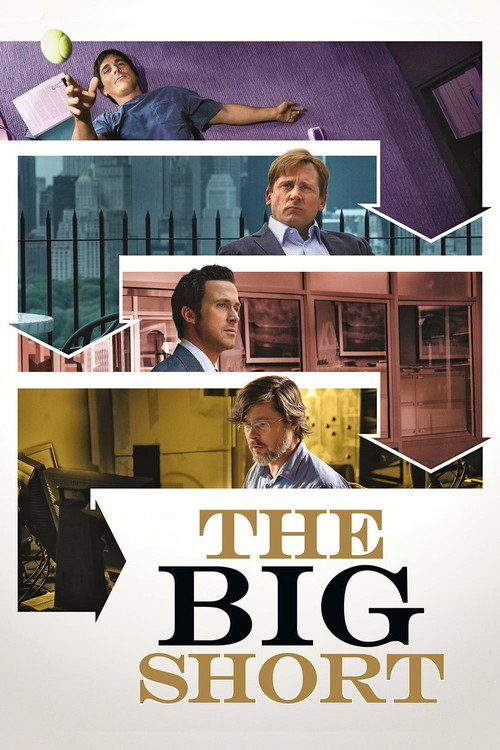
The Big Short2015
Covers the same financial catastrophe from the opposite angle—how massive institutions engineered collapse. Pairs perfectly with Abacus to understand the full scale of injustice and selective prosecution.
But Relies heavily on flashy stylistic tricks and celebrity cameos that some find gimmicky rather than substantive.
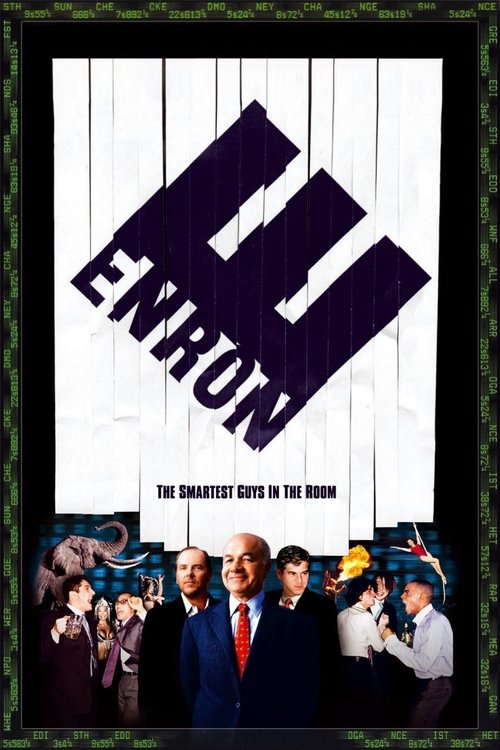
Enron: The Smartest Guys in the Room2005
Another documentary about corporate malfeasance and how systems protect the powerful while crushing individuals. Similar methodical unraveling of corruption and complicity at every level.
But Older filmmaking style may feel dated; less intimate than Abacus in its approach to the human story.
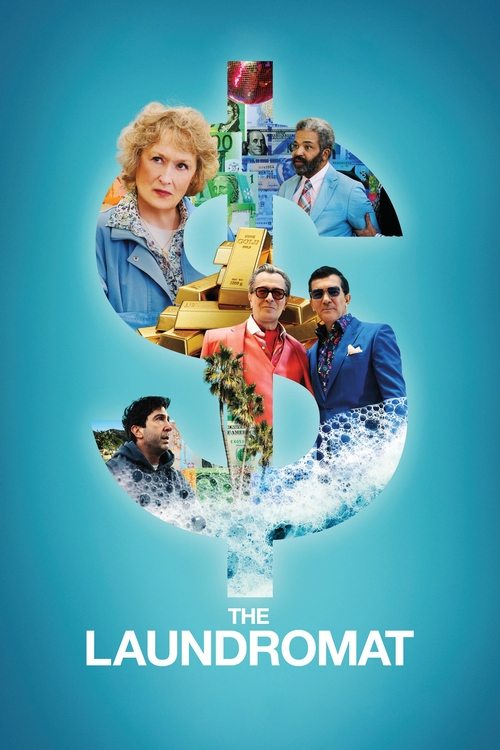
The Laundromat2019
Explores financial crime, shell companies, and how the wealthy hide money through systems ordinary people never see. Same fury at systemic inequality, different theatrical energy.
But Soderbergh's fragmented, playful style may undercut the gravity you're seeking after watching Abacus.
Not sure tonight? Get a pick in a minute, starting from Abacus: Small Enough to Jail
The wildcard
Something you would not have found on your own.
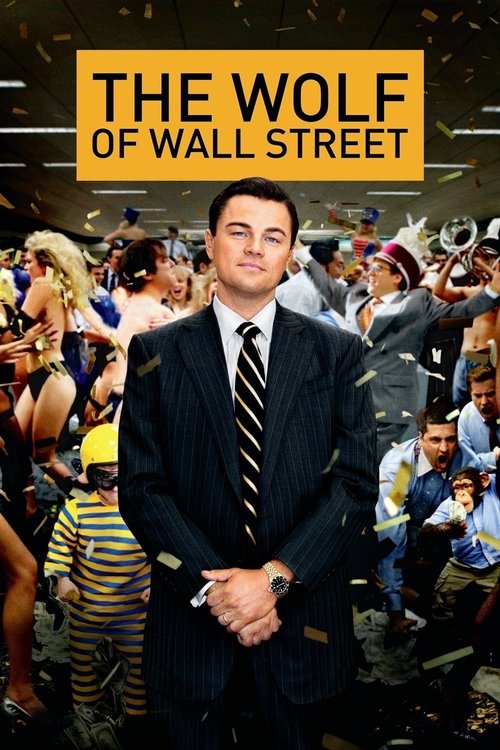
The Wolf of Wall Street2013
Both examine how financial systems enable criminals, but Wolf celebrates the perpetrator while Abacus mourns the wrongly accused. Watching them back-to-back reveals how narrative choice determines whose side we take.
Dark comedy about financial crime and excess, but told from the criminal's gleeful perspective rather than the victim's. Same infrastructure of fraud, inverted moral compass—forces you to feel the seduction of breaking rules.
But Three hours of watching a charismatic sociopath; some find it morally repellent rather than illuminating, or worry it romanticizes the crimes.
More like this (7)
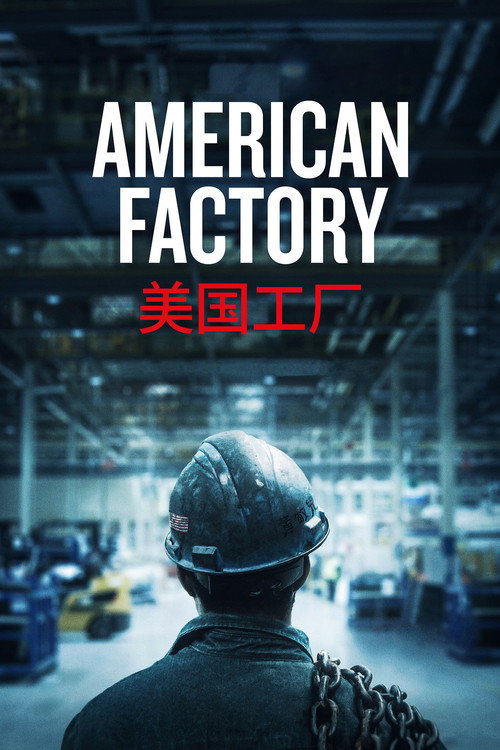
American Factory2019
Documentary about economic power dynamics, immigrant labor, and whose interests the system actually serves. Same investigation of how ordinary workers navigate rigged structures.
But Focuses on manufacturing rather than finance; some find its conclusion ambiguous in ways that frustrate viewers wanting clarity.
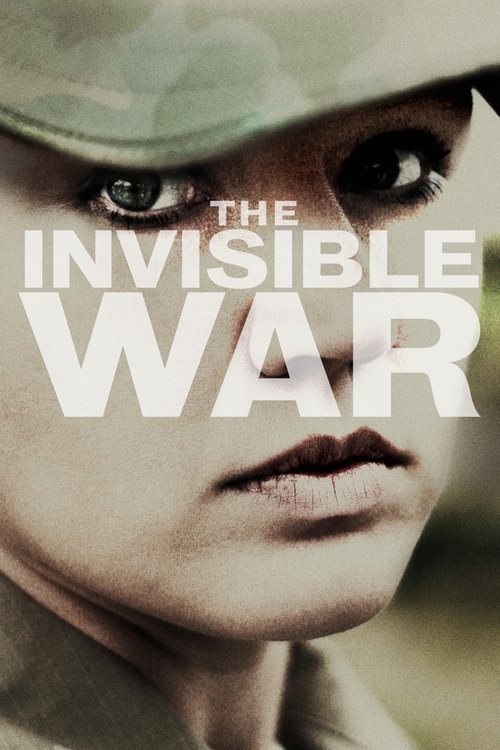
The Invisible War2012
Documentary about systemic failure to hold institutions accountable. Examines how power protects itself and punishes the vulnerable with surgical precision and emotional weight.
But Subject matter is deeply disturbing; some viewers find the injustice too painful rather than galvanizing.
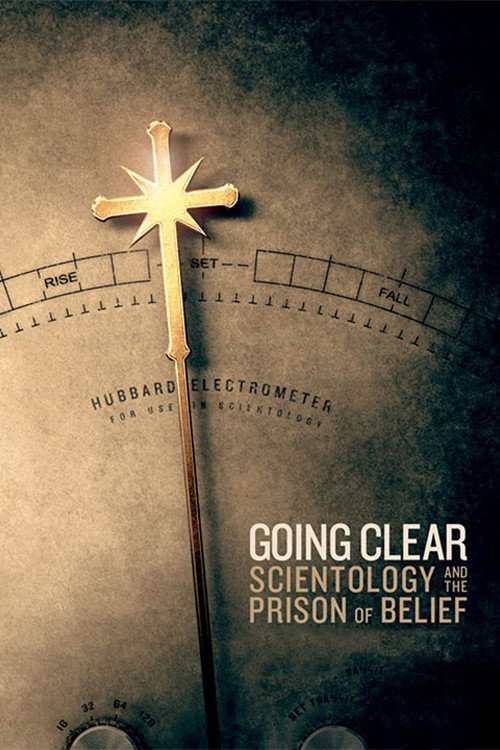
Going Clear: Scientology and the Prison of Belief2015
Another HBO documentary about an institution using legal machinery to intimidate individuals. Same sense of watching power deployed asymmetrically against people who can't fight back equally.
But Very long and repetitive at points; some feel the argument could be tighter.
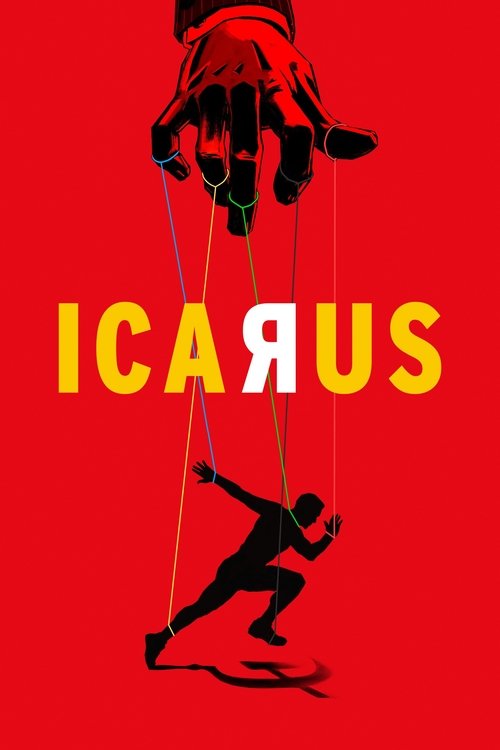
Icarus2017
Starts as a lark and becomes a geopolitical thriller about state power and how systems protect the connected. Shares Abacus's evolution from specific story into something much larger.
But Shifts genre mid-film; if you want a focused investigation rather than a sprawling conspiracy story, it may feel scattered.
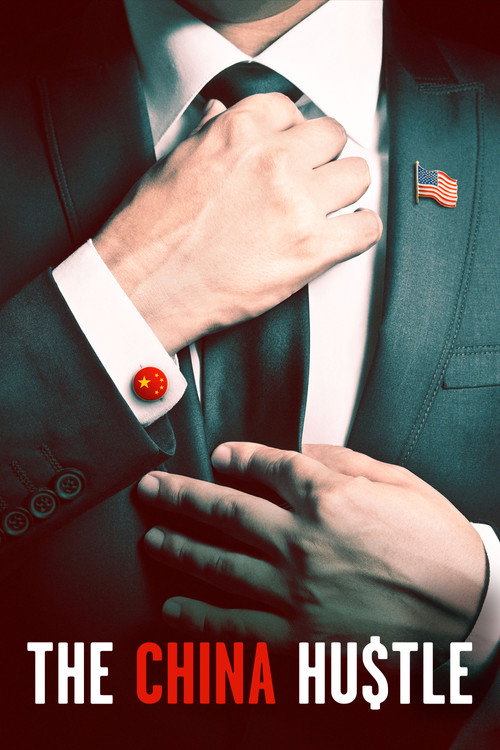
The China Hustle2018
Documentary about fraud in Chinese-American companies and how regulatory gaps enable deception. Direct thematic echo of Abacus but from the opposite perspective of predators rather than victims.
But Less polished than Abacus; the filmmaking is functional rather than elegant.
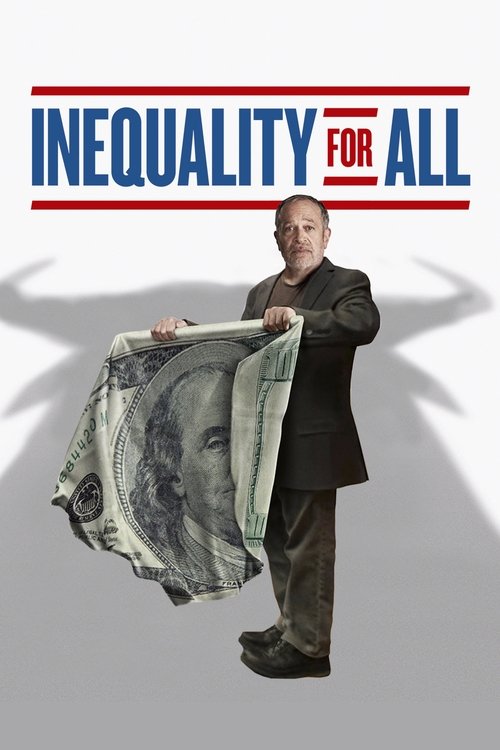
Inequality for All2013
Robert Reich explains the economic structures Abacus exemplifies—how wealth concentrates and accountability vanishes. Provides the intellectual framework for understanding why this prosecution was chosen.
But More lecture-style; lacks the narrative drive and human stakes of a tighter documentary.
Minari2021
Both center Asian immigrant families navigating American systems designed to exclude them. Minari shows how these pressures accumulate invisibly; Abacus shows them exploding into criminal charges.
A quiet, devastating film about Korean-American immigrants building a life against economic odds, facing systemic indifference and bureaucratic suspicion. Same immigrant resilience and marginalization, but through intimate family drama rather than courtroom battle.
But Slow, meditative pacing; no clear villain or justice outcome—ambiguity may frustrate if you want righteous anger validated.

People
Cast
- Neil BarofskyHimself
- Ti-Hua ChangHerself
- Jiayang FanHimself
- Roman FuzaylovHimself
- Polly GreenbergHerself - Chief, D.A.'s Major Economic Crimes Bureau
- Linda HallHerself
- Don LeeHimself
- David LindorffHimself
- Kevin PuvalowskiHimself
- Chanterelle SungHerself
- Heather SungHerself
- Hwei Lin SungHerself
Directing
- Steve JamesDirector
Production
- Fenell DoremusCo-Producer
- Julie GoldmanProducer
- Mark MittenProducer