
Film
The Invisible War
- Crime
- Very dark
The Invisible War is a searing investigative documentary about sexual assault in the US military—how pervasive it is, how institutions protect perpetrators over victims, and what happens to survivors after. It centres survivors' voices and testimonies with unflinching clarity. Essential viewing for understanding a systemic failure.
Should you watch it?
Watch it if you want a documentary that builds its case patiently, letting the women on camera carry the anger rather than leaning on narration or outrage for effect.
Skip it if you need a break from grim subject matter or want a lighter evening, since nearly every minute stays heavy and the testimony is hard to sit through.
What it asks of you: Ninety-three minutes of testimony and official statements, delivered steadily with little relief, so it asks for sustained attention more than an easy emotional escape.
Not sure? Find tonight's pick in a minute.
If you liked this
The Hunting Ground2015
Parallel investigation into campus sexual assault and institutional cover-up, using similar investigative rigour and survivor testimony to expose how power protects predators across another system.
But Covers similarly dark material with the same unflinching approach; can feel repetitive if you've just watched The Invisible War.
An Open Secret2014
Documentary about sexual abuse in Hollywood that applies the same investigative logic to another institution built on power imbalances. Equally angry, equally necessary.
But Focuses on child abuse specifically, which is even harder to watch. Less polished than The Invisible War in style.
The World for the Two of Us2022
Documentary about a decades-long relationship between two men, one of whom was abused as a child in the same military system The Invisible War examines. Personal and intimate.
But Shifts from institutional critique to relationship study; slower pace and more reflective than investigative.
Not sure tonight? Get a pick in a minute, starting from The Invisible War
The wildcard
Something you would not have found on your own.
Winter Song2015
Both track how militarization marks bodies and souls, and what recovery looks like after systems fail you. Winter Song shows the aftermath silence; The Invisible War names the crime.
Korean documentary following two female soldiers transitioning to civilian life, processing invisible wounds. Uses image and silence rather than testimony—formally quiet where The Invisible War is confrontational.
But In Korean with subtitles; slower, more meditative pacing. Assumes patience with non-confrontational documentary style.
More like this (8)
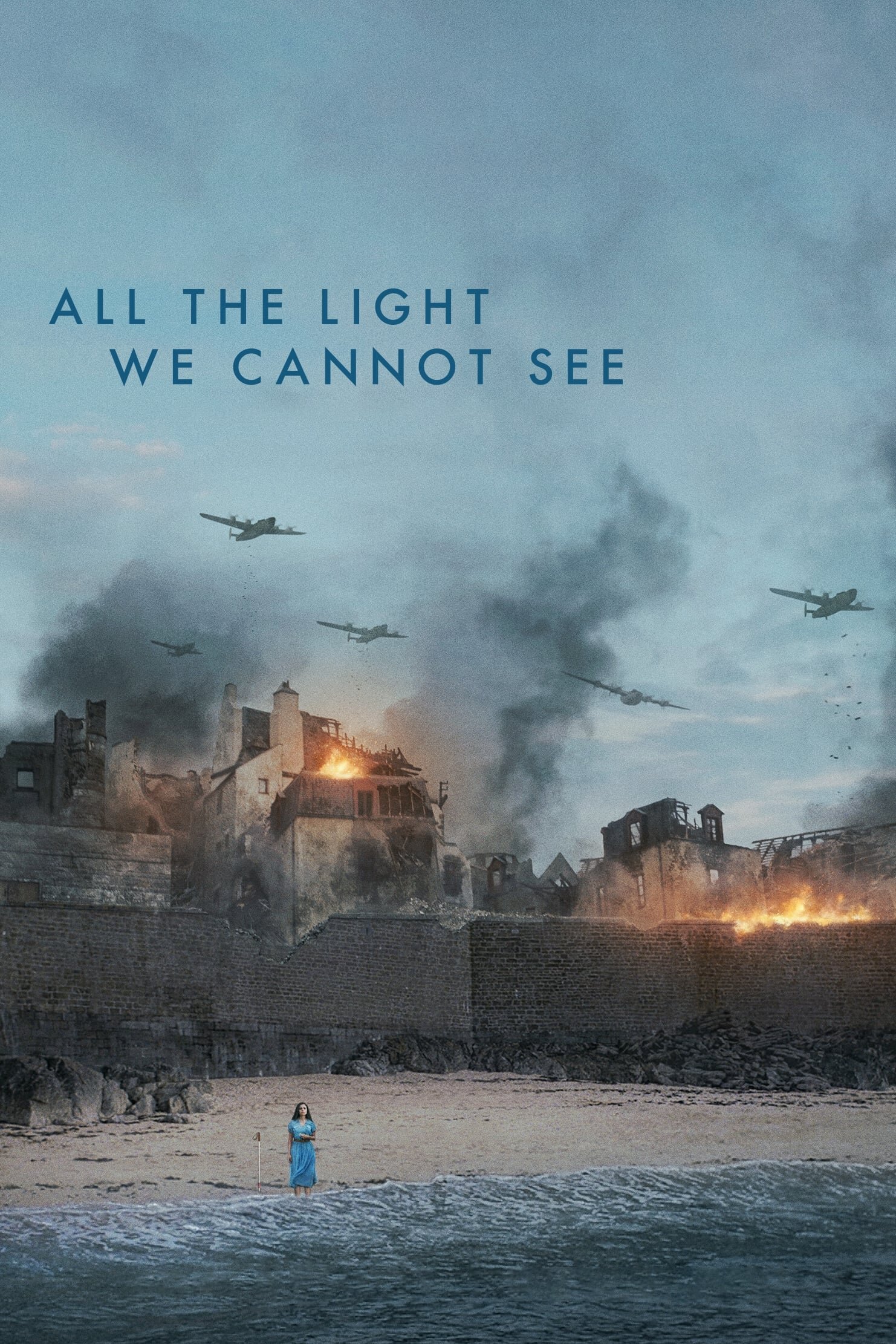
All the Light We Cannot See2023
HBO's adaptation explores how institutions fail young people in trauma, with similar emotional weight and narrative care for damaged characters rebuilding their lives.
But Set in WWII with fictional characters; less directly political, more literary in approach than documentary testimony.
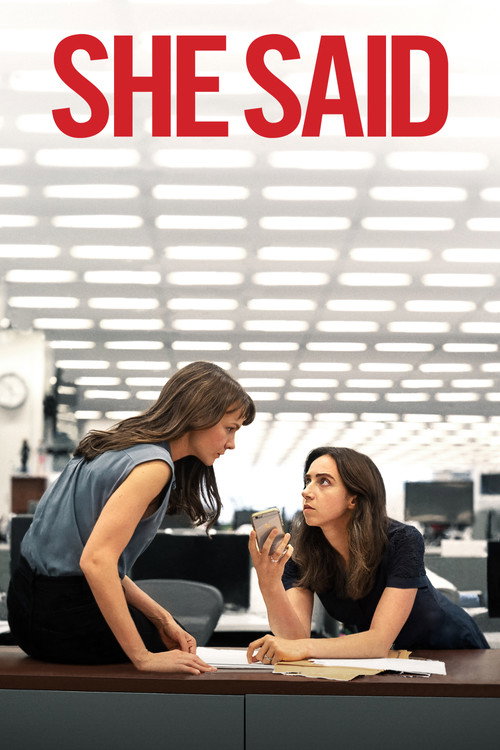
She Said2022
Journalism procedural about the reporting of sexual assault at The New York Times. Shows how investigation works, how survivors find their voice, how institutions resist accountability.
But Focuses on the reporters, not survivors; glossier Hollywood production than a documentary; less raw emotionally.
Spotlight2015
Investigative journalism procedural that methodically exposes how institutions protect abusers. Same righteous anger, channelled through careful reporter work.
But About child abuse by priests; doesn't centre survivors' voices the way The Invisible War does. Oscar-bait finish softens the stakes.

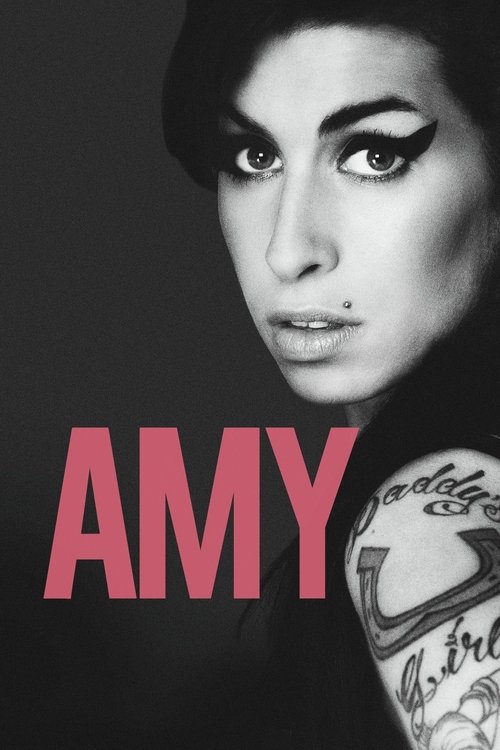
Amy2015
Documentary using archive and interviews to chronicle how systems—music industry, media, family—failed a gifted person in real time. Deeply empathetic despite subject's self-destruction.
But Not about assault or crime; more psychological portrait than institutional critique. Some find it exploitative.
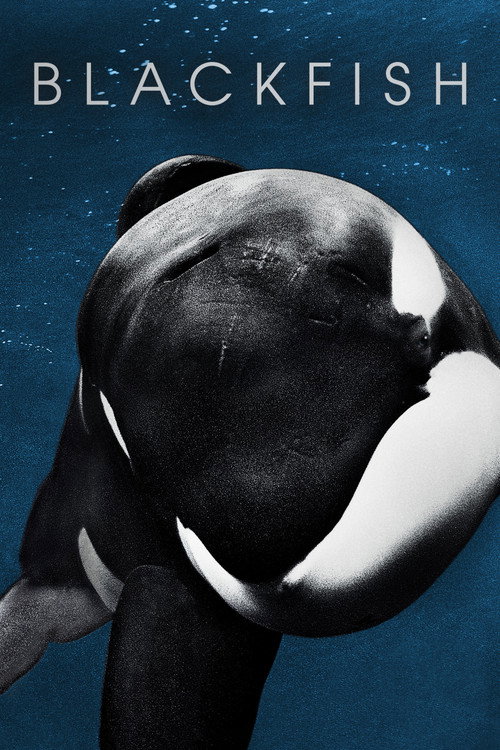
Blackfish2013
Investigation into how SeaWorld institutionalizes animal abuse and silences whistleblowers. Same structural anger about institutional accountability and cover-up, different context.
But About animals, not people; some feel the comparison trivializes human suffering. Polemic rather than balanced.
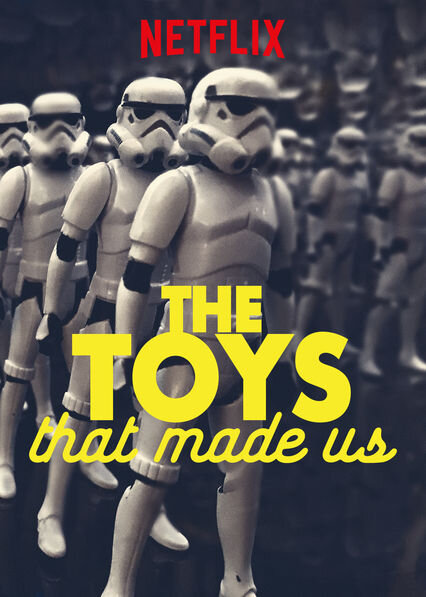
The Toys That Made Us2017
If you need something less traumatic next: nostalgic docuseries about toy design and marketing. Light, colourful, no institutional abuse.
But Genuinely unrelated; palette-cleanser only. No reason to watch if you want to stay with serious work.
The Act of Killing2012
Both document how institutions enable violence and how perpetrators evade accountability. The Invisible War demands you listen to survivors; this demands you understand the abusers themselves.
Documentary where perpetrators of genocide recreate their crimes on camera. Completely opposite angle—focuses on the minds of abusers and systemic impunity, rather than survivors.
But Morally disorienting by design; many find it manipulative or obscene. Indonesian, subtitled, extremely long. Demands emotional stamina.

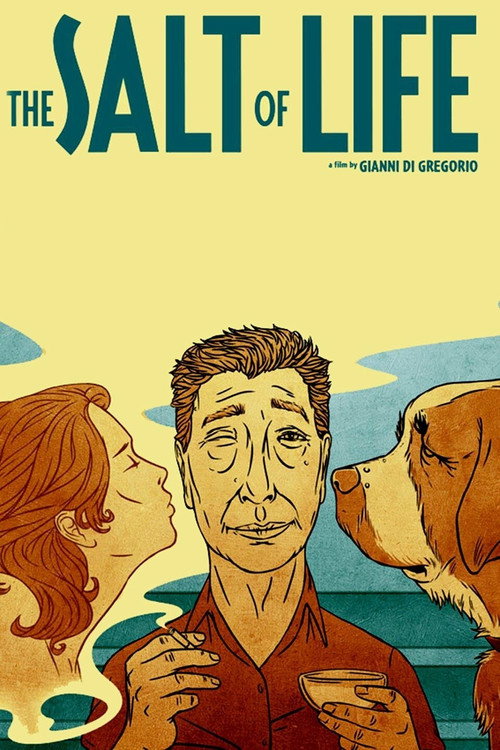
The Salt of Life2011
Both ask fundamental questions about power, desire, and who gets heard in institutions (here, gender, aging, attraction). Wildly different mood, same moral architecture underneath.
Italian comedy-drama (by Paolo Sorrentino) about an older man navigating desire and rejection. Tonal shift—funny, sensual, about consent and bodily autonomy from a completely different angle.
But Seems unrelated on surface; European arthouse sensibility. Some see it as trivial next to assault documentary. Absolutely no trauma content.
People
Cast
- Kori CiocaSelf - US Coast Guard
- Jessica HinvesSelf - US Air Force
- Ariana KlaySelf - US Marine Corps
- Elle HelmerSelf - US Marine Corps
- Hannah SewellSelf - US Navy
- Trina McDonaldSelf - US Navy
- Robin Lynne LafayetteSelf - US Air Force
- Rob McDonaldSelf - US Coast Guard
- Jerry SewellSelf - US Army
 Kirby DickSelf - Interviewer
 Amy ZieringSelf - Interviewer
- Myla HaiderSelf - US Army
Directing
- Kirby DickDirector
Writing
- Kirby DickWriter
Production
- Abigail DisneyExecutive Producer
- Geralyn White DreyfousExecutive Producer
- Jennifer Siebel NewsomExecutive Producer
- Maria Cuomo ColeExecutive Producer
- Nicole BoxerExecutive Producer
- Regina K. ScullyExecutive Producer
- Sally Jo FiferExecutive Producer
- Sarah E. JohnsonExecutive Producer
- Teddy LeiferExecutive Producer
- Amy ZieringProducer
- Tanner BarklowProducer
Recommended by
Honor Diaries, Abacus: Small Enough to Jail, Gideon's Army, The Yes Men Fix the World, Aging Out, The Hunting Ground, Untouchable, Casino Jack and the United States of Money, Private Violence, Hacking Democracy, Active Measures, After Tiller, In the Dark of the Valley, One Child Nation, In the Same Breath