
Film
One Child Nation
- Social drama
- Very dark
Nanfu Wang turns her camera on China's one-child policy with searing directness, speaking to adoptees, abandoned children, orphanage workers, and officials. It's a documentary that moves between personal reckoning and historical investigation, asking how a nation justifies the unjustifiable. Essential and difficult.
If you liked this
The Act of Killing2012
Werner Herzog's film asks perpetrators of Indonesian genocide to recreate their crimes on film. Like One Child Nation, it refuses easy moral distance and forces viewers to reckon with how ordinary people normalize atrocity.
But Extremely graphic and disturbing. The philosophical approach can feel destabilizing rather than cathartic, which some find unbearable rather than illuminating.

Spotlight2015
A methodical investigation into how institutions—here, the Catholic Church—enabled systematic harm and silenced victims. The procedural clarity mirrors Wang's patient, meticulous approach to uncovering concealed truth.
But Deliberately restrained and procedural. There are no big dramatic scenes; it moves at the pace of actual journalism, which some find slow.

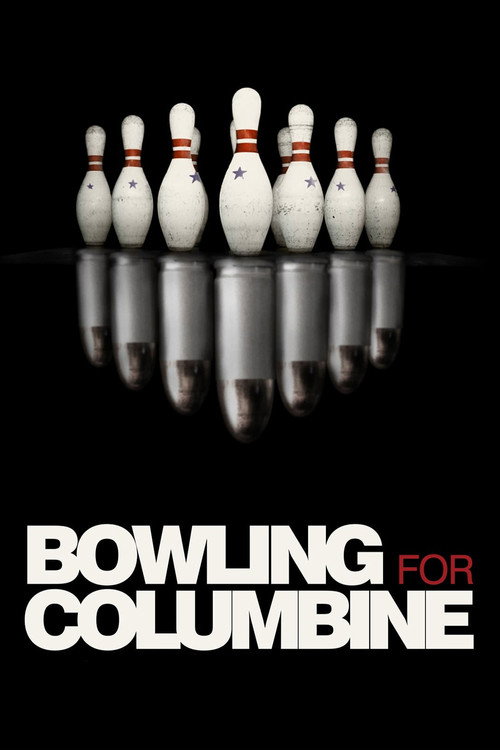
Bowling for Columbine2002
Michael Moore investigates America's gun violence by interviewing those responsible for and affected by it. Shares Wang's willingness to sit across from perpetrators and ask uncomfortable questions without flinching.
But Moore's persona dominates; the film is as much about him as the subject. If his brand of confrontational activism annoys you, you'll resent the approach.
Not sure tonight? Get a pick in a minute, starting from One Child Nation
The wildcard
Something you would not have found on your own.
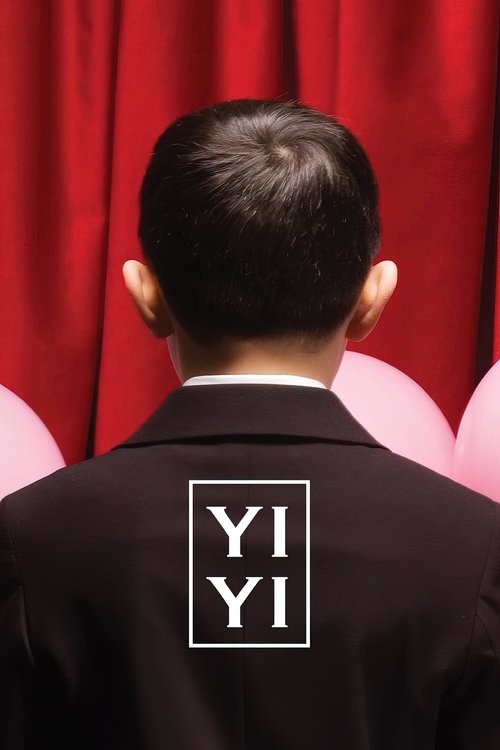
Yi Yi2000
Both are Mandarin-language works examining the weight of family structure and state/social pressure on individuals. Yang dramatizes what Wang documents—the psychological cost of systemic pressure on intimacy.
Edward Yang's epic family drama set in contemporary Taiwan captures how modern life—ambition, generational trauma, one-child pressure (though unofficial), urban isolation—fractures families. It's vast and moving without sentimentality.
But Nearly three hours; deeply introspective rather than plot-driven. The Mandarin dialogue and cultural specificity require full attention. Some find it melancholic to the point of numbness.
More like this (5)
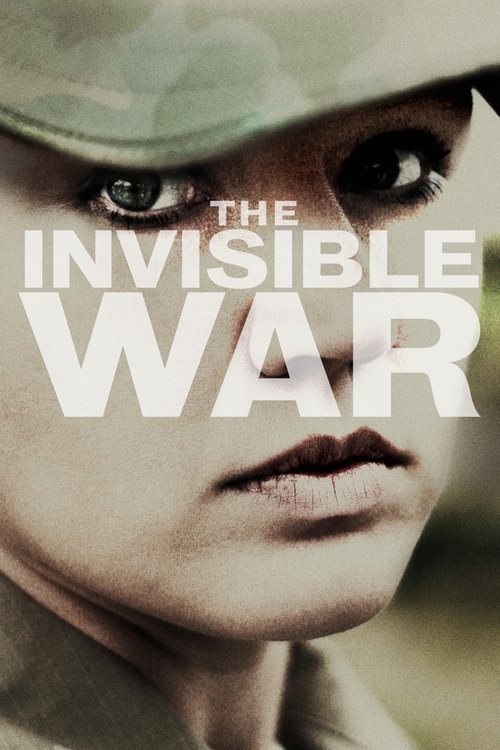
The Invisible War2012
Kirby Dick's investigation of sexual assault in the US military breaks silence on systemic institutional harm. Uses similar techniques of testimony and archive to reveal how power structures protect abusers.
But The subject matter is harrowing and relentless. There's little breathing room, and the violence depicted is not abstract.
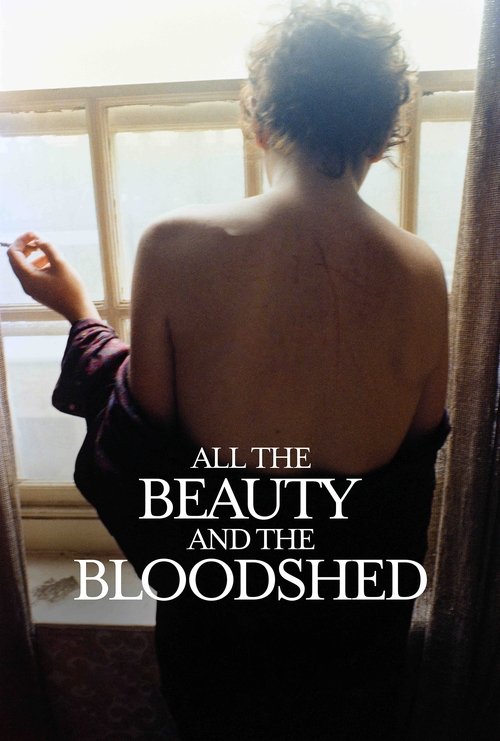
All the Beauty and the Bloodshed2022
Laura Poitras chronicles artist Nan Goldin's fight against the Sackler family over the opioid crisis. Documents how one person can challenge institutional corruption through art and activism.
But Dense and formally experimental. Poitras assumes viewer familiarity with both Goldin's work and the opioid crisis; it doesn't always explain.
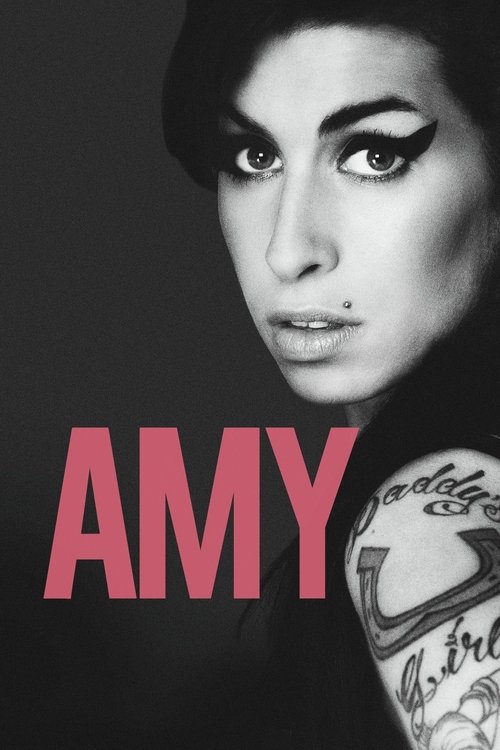
Amy2015
Asif Kapadia's portrait of Amy Winehouse investigates how fame, family dysfunction, and institutional failure destroyed a person. The same unflinching approach to examining complicity.
But Tabloid culture and celebrity death can feel trivial beside state violence. The comparison to One Child Nation's stakes might make this feel lightweight.
The True Cost2015
An investigation into the fashion industry's human cost. Documents systemic exploitation and the silence around it, asking who profits from normalized harm.
But The argument is sometimes reductive. It can feel like advocacy cinema rather than rigorous investigation.

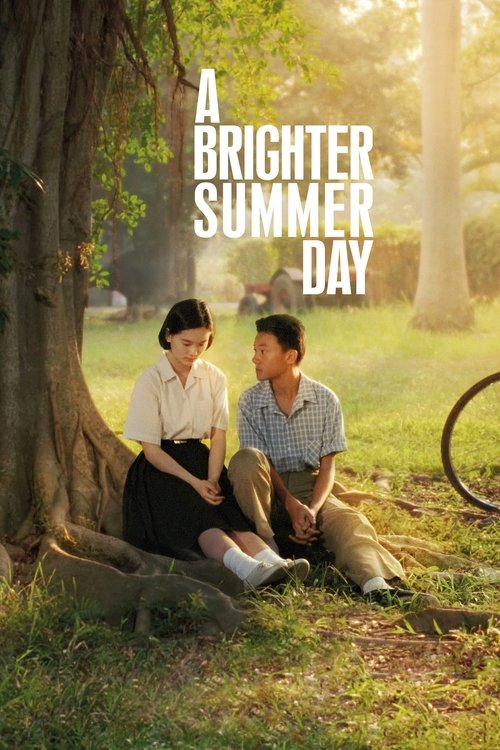
A Brighter Summer Day1991
Both refuse the comfort of clear villains and victims. Yang shows how social chaos produces violence; Wang shows how policy produces cruelty. Both demand the viewer sit with complicity and consequence without resolution.
Edward Yang's earlier, even more ambitious film about teenage gang violence in 1960s Taiwan—a whole society's trauma and fracture. It shares Wang's commitment to historical specificity and moral complexity without judgment.
But Four hours long. A glacial pace, in Mandarin, with a large ensemble cast. Not a film that makes itself easy to consume.
People
Cast
 Nanfu WangSelf
- Jiaoming PangSelf
- Brian StuySelf
- Longlan StuySelf
Directing
- Nanfu WangDirector
- Zhang JialingDirector
Production
- Carolyn HepburnProducer
- Christoph JörgProducer
- Christopher ClementsProducer
- Julie GoldmanProducer
- Nanfu WangProducer
- Zhang JialingProducer