
Film
Untouchable
Other titles called Untouchable: the 2011 film.
- White-collar crime
- Biopic
- Very dark
A documentary about the systemic abuse enabled by Harvey Weinstein, told by the women whose careers and lives he damaged. It's a meticulous assembly of testimony, emails, and power structures, unflinching about complicity at every level. Necessary but difficult viewing—less a thriller than a blueprint of how institutions protect predators.
Should you watch it?
Watch it if you want a patient, methodical account of how a powerful man kept his position through repeated scandal, told largely by the former colleagues and accusers who lived through it.
Skip it if you need distance from the subject, since this is testimony-heavy and its anger and sorrow rarely lift, which can feel too heavy for a night in.
What it asks of you: Expect about ninety-eight minutes of interviews, unhurried and grim, with close attention needed to keep track of the timeline of names and deals.
Not sure? Find tonight's pick in a minute.
If you liked this
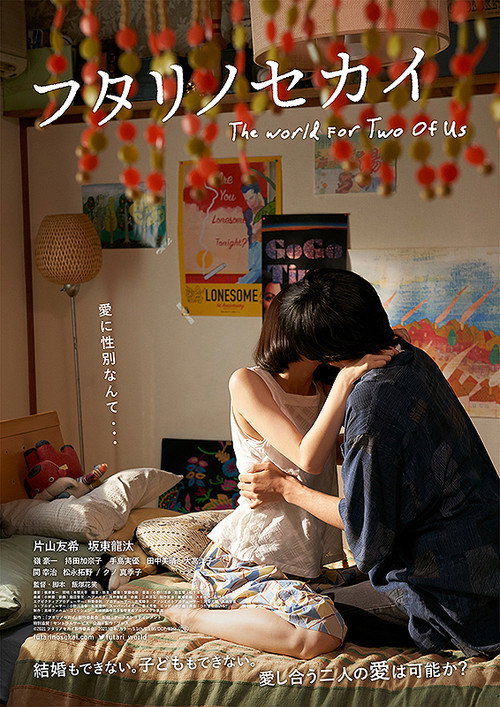
The World for the Two of Us2022
An intimate portrait of a relationship built on deception and control. By focusing on one couple rather than an empire, it finds psychological detail that broader accounts can miss. Devastatingly human.
But Claustrophobic and slow. Some viewers find the marriage itself so painful to watch that the film becomes unbearable rather than enlightening.
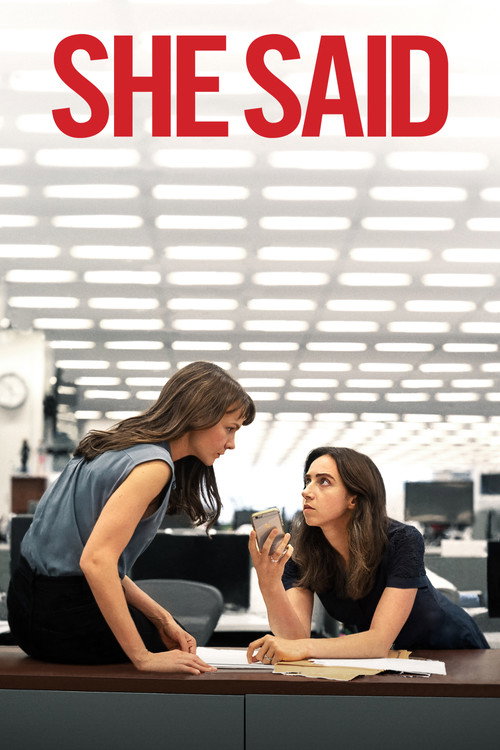
She Said2022
A procedural about the journalists who broke the Weinstein story. It has the momentum of a thriller while respecting the difficulty of getting women to go on record. Angry and smart.
But More about the reporting than the abuse itself. If you want survivors' voices front and centre, this centres the investigation instead.
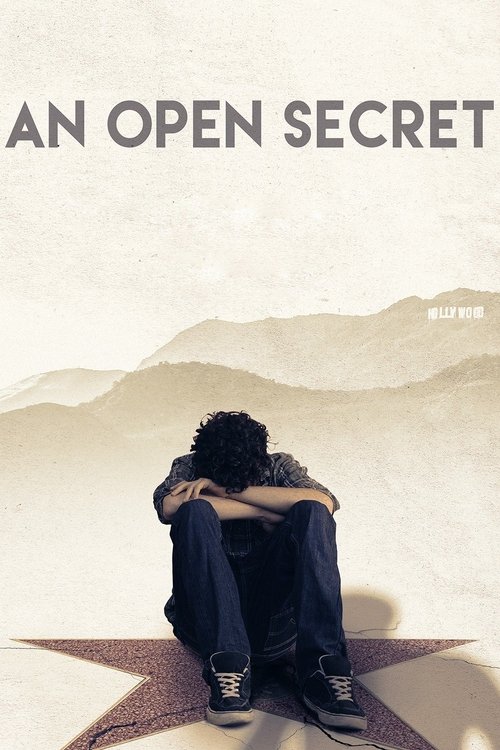
An Open Secret2014
A documentary about child abuse in Hollywood that operates under similar logic: following the money, the silence, the institutions that move monsters around instead of stopping them. Essential and enraging.
But Even harder to watch. Subjects are children; the predation is systematic and ongoing. Leaves you angry at systems, not just individuals.
Not sure tonight? Get a pick in a minute, starting from Untouchable
The wildcard
Something you would not have found on your own.
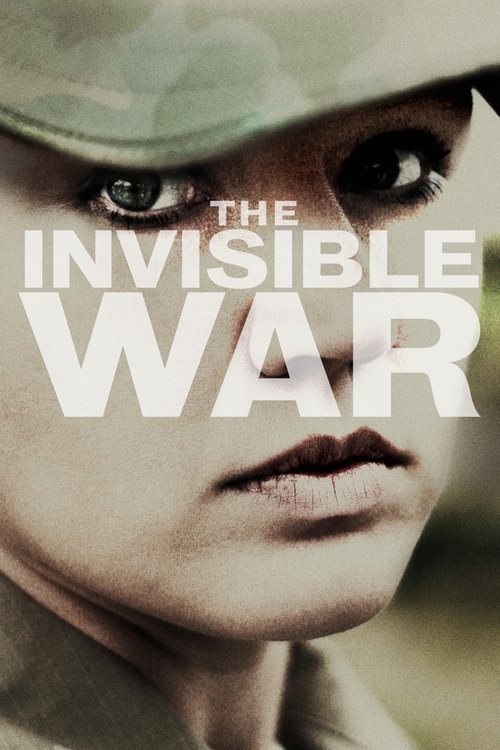
The Invisible War2012
Both use documents, testimony, and institutional analysis to show how power structures don't punish predators—they enable them. Both are about why the system fails, not just individuals who exploit it.
A documentary about sexual assault in the US military. Same machinery—silence, hierarchy, institutional protection—but the structure is rank-based and uniformed. Shows the predator ecosystem is portable.
But The military context can feel distant if your focus is Hollywood or media. Also from an earlier wave of #MeToo thinking; feels less urgent than current investigations.
More like this (8)
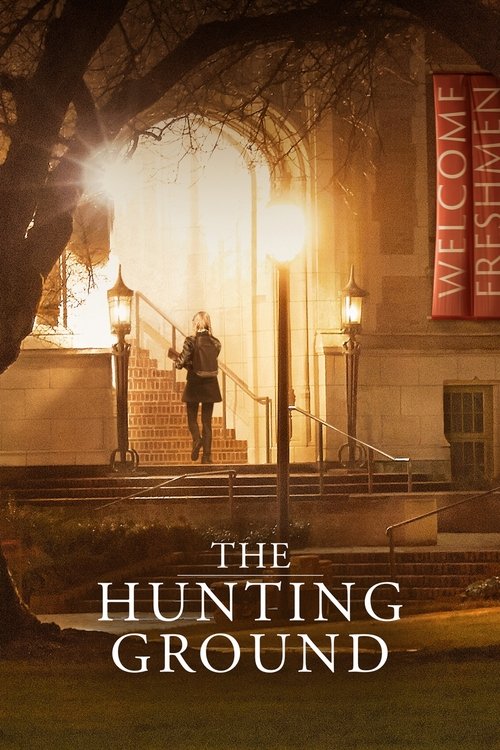
The Hunting Ground2015
Documents campus sexual assault using testimony, interviews, and investigation. It's about institutional failure on a massive scale and what happens when universities choose reputation over safety.
But Some of its claims were later disputed and defended; the film itself became part of a controversy about how accusations are framed. Worth watching but research the debates.
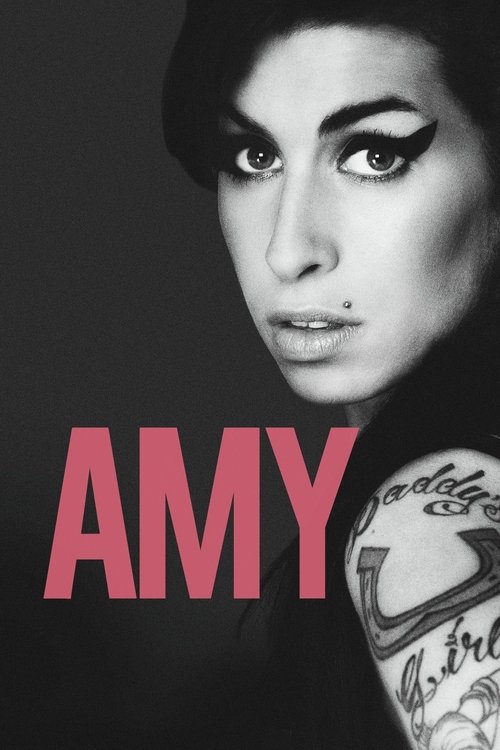
Amy2015
A documentary about Amy Winehouse that examines how genius and vulnerability were commodified and consumed. Shows the predatory machinery around a single person rather than an institution.
But Grief disguised as documentary can feel exploitative. Some argue it uses her suffering as material without solving anything about why the system ate her.
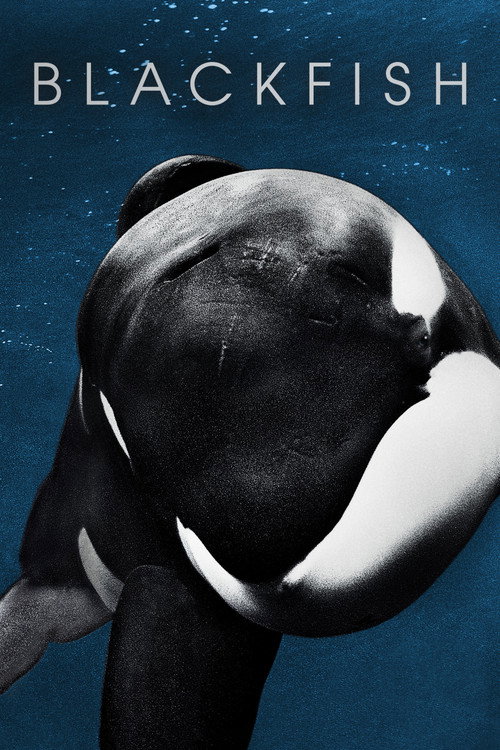
Blackfish2013
About SeaWorld, animal abuse, and corporate denial. Uses a similar structure—testimony, evidence, institutional opacity—but trained on a different predator. Shows the method works across victims.
But The animal welfare angle can feel tangential if your interest is human abuse specifically. Some scenes are disturbing to wildlife advocates in ways unrelated to your main interest.
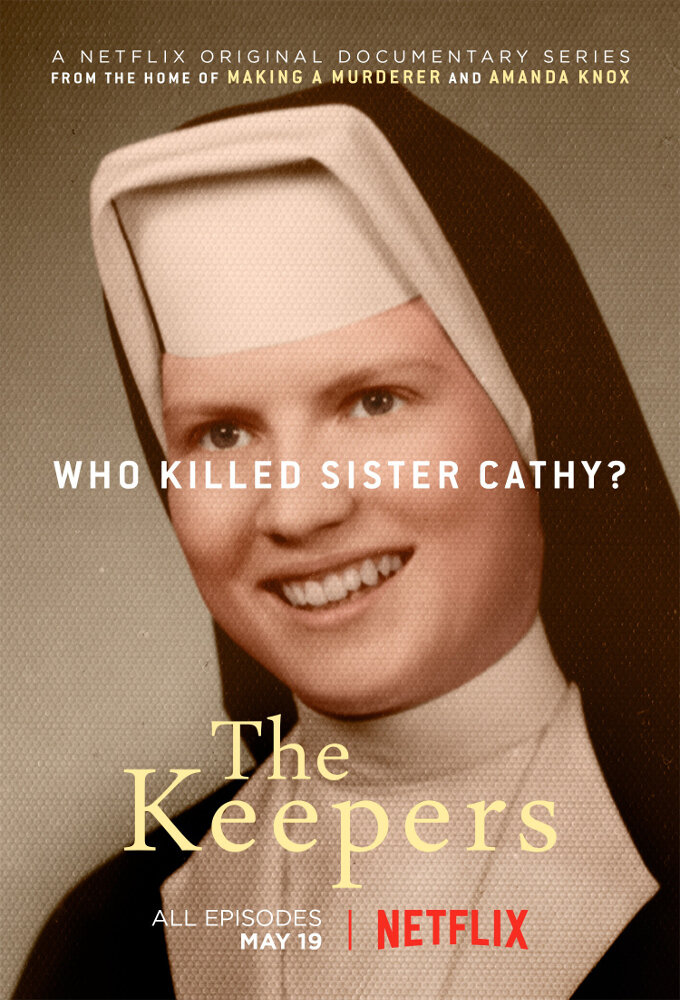
The Keepers2017
A miniseries about abuse by Catholic priests and the women fighting for justice decades later. Shows how institutions use secrecy and faith as shields. Methodical and morally clear.
But The abuse is historical rather than contemporary. Some find the religious context alienating if they're outside that world. It's also a seven-hour commitment.
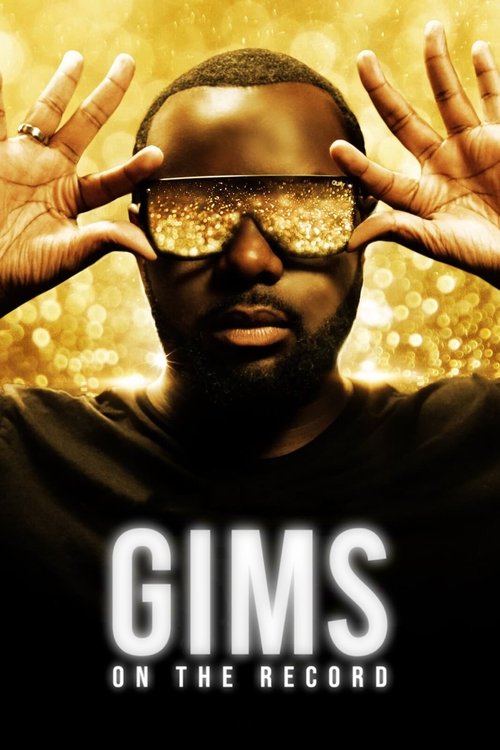
GIMS: On the Record2020
Documents Drew Dixon's account of abuse by Russell Simmons. Intimate and sympathetic; asks hard questions about power, race, and why some accusers are believed while others aren't.
But Narrower in scope—one story rather than an industry-wide pattern. If you want systemic analysis, this is more personal testimony than institutional blueprint.
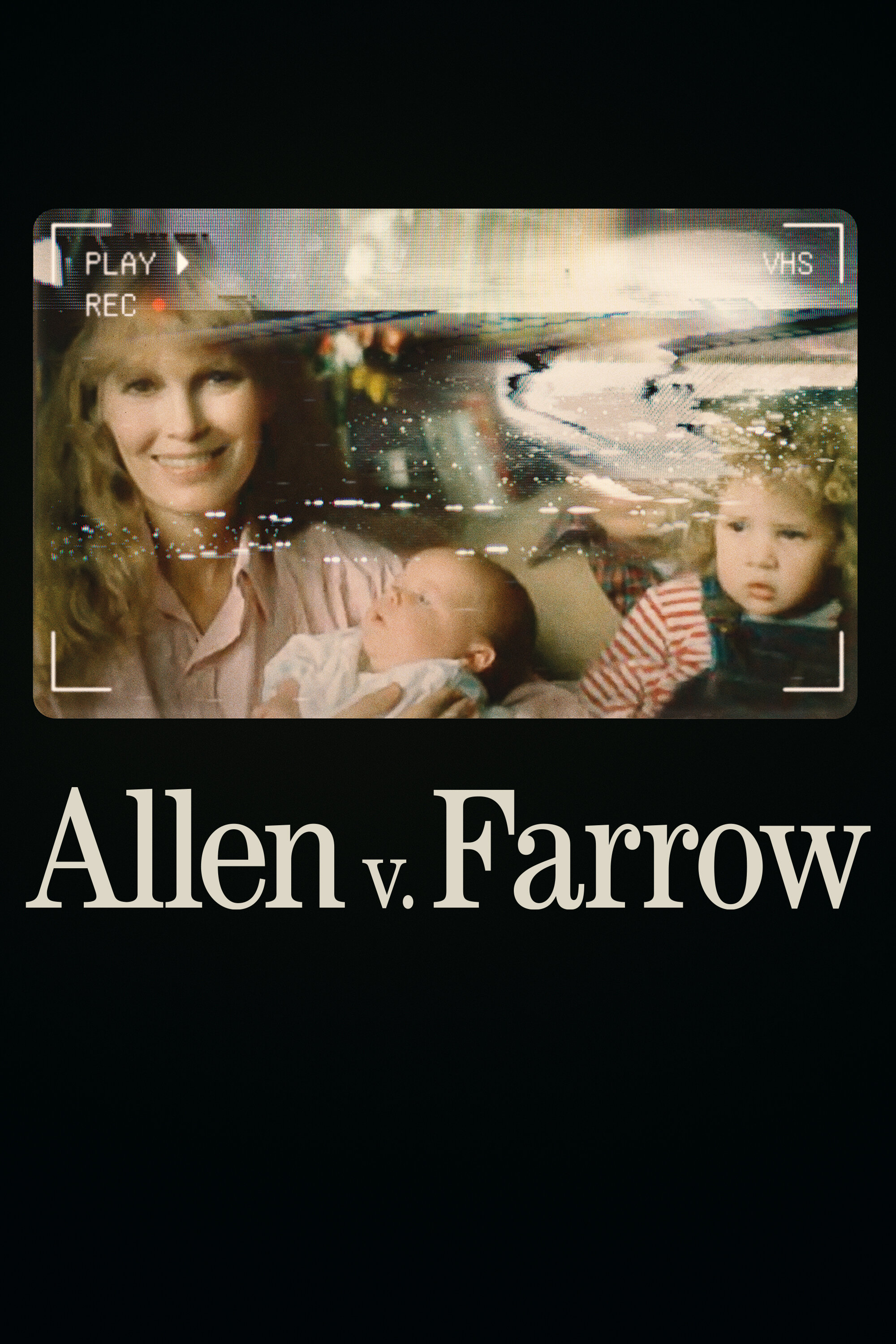
Allen v. Farrow2021
A four-part series about Woody Allen and the allegations against him. Dense with evidence and competing narratives; lets viewers assemble their own conclusion from primary documents.
But The subject is so culturally contested that watching it is partly watching a battle over belief itself. Some find the stakes of the Allen question exhausting rather than clarifying.
Relevant
Bakker, like Weinstein, used institutional power and celebrity to create a culture of silence. Both built systems where vulnerability was a weapon and speaking up was impossible.
A documentary about Christian celebrity pastor Jim Bakker in the 1980s. Shows the charisma-to-prison pipeline and how fame and faith combine to insulate abusers. Darkly, darkly funny.
But The time period is distant. Bakker's fraud was financial as well as moral; the gender dynamics are different. It's also oddly entertaining, which some find uncomfortable when the subject is harm.
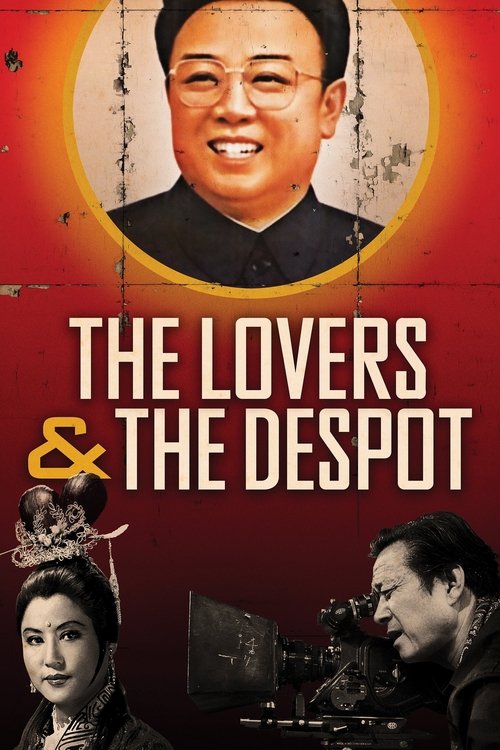
The Lovers and the Despot2016
Both explore how charisma, creative vision, and institutional control create environments where victims feel trapped and complicit. Both are about captivity in different forms.
A thriller-documentary about North Korean dictator Kim Jong-il, a filmmaker, and his wife. Shows how power and creativity intersect, how captivity happens in plain sight, how abuse hides behind glamour and artmaking.
But The comparison feels extreme—it's a dictatorship, not a studio. Also a strange hybrid that doesn't land as cleanly as straight docs. Some find the geopolitical frame overwhelming.
People
Cast
 Rosanna ArquetteSelf
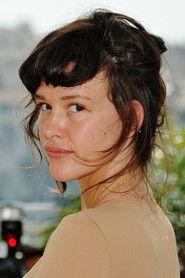 Paz de la HuertaSelf
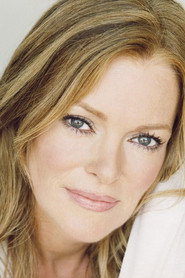 Caitlin DulanySelf
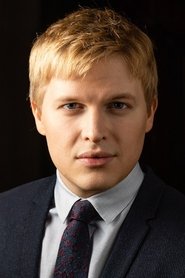 Ronan FarrowSelf
- Louise GodboldSelf
- Nannette KlattSelf
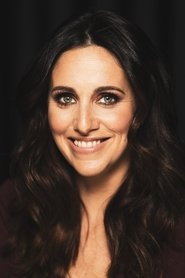 Erika RosenbaumSelf
- John SchmidtSelf
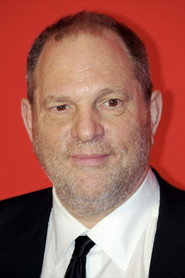 Harvey WeinsteinSelf (archive footage)
- Zelda PerkinsSelf
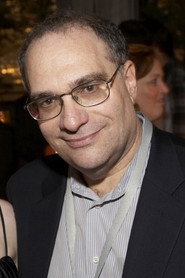 Bob WeinsteinSelf (archive footage)
Directing
- Ursula MacfarlaneDirector
Production
- Vanessa TovellCo-Producer
- Charles DorfmanExecutive Producer
- David GilberyExecutive Producer
- Hugo GrumbarExecutive Producer
- Tim HaslamExecutive Producer
- Jonathan ChinnProducer
- Poppy DixonProducer
- Simon ChinnProducer