
Television series
Leaving Neverland
- Crime
- Very dark
Dan Reed's documentary follows two men recounting childhood abuse allegations against Michael Jackson, constructed from hours of testimony in his California home. It's an unflinching, difficult watch that examines grooming, family complicity, and the psychology of delayed disclosure. For those ready to sit with discomfort and complexity, it's essential viewing about power and vulnerability.
Should you watch it?
Watch it if you want a patient, testimony-driven documentary that lets two men tell their own accounts at length and trusts you to sit with what they describe.
Skip it if you need distance from a story this heavy, since it offers no relief, no lighter stretches, and it stays with its testimony rather than widening out.
What it asks of you: Three long episodes built mostly from seated testimony, slow and heavy in tone, and needing an evening's full attention.
Not sure? Find tonight's pick in a minute.
If you liked this
ReMastered: The Two Killings of Sam Cooke2019
A meticulous investigation into a Black musician's death that reopens settled narrative. Like Leaving Neverland, it questions official accounts and examines what we choose to believe about icons.
But Slower paced than true crime. The conclusion doesn't resolve tidily, which frustrates viewers seeking closure.
The Keepers2017
Institutional abuse investigated through survivors' testimony and institutional resistance. Shares Leaving Neverland's architecture: patient, repetitive questioning of authority and memory.
But Tackles Catholic Church abuse. If religion-related content feels raw or activating, this will compound that.
Untouchable2019
The Harvey Weinstein reckoning told by accusers. A parallel examination of power imbalance, delayed reporting, and the mechanics of silence in entertainment.
But Graphic descriptions of assault. Not introspective—it's about systemic failure rather than psychological depth.

Not sure tonight? Get a pick in a minute, starting from Leaving Neverland
The wildcard
Something you would not have found on your own.
The Act of Killing2012
Both use the subject's own testimony and self-presentation against them. Both ask what happens when you make someone articulate their own violence. Both trust the audience to hold complexity without resolution.
Indonesian mass murderers re-enact their own killings on film, gradually confronting what they've done. Inverts Leaving Neverland's structure entirely: instead of victims describing trauma, perpetrators stage it and fracture. Extraordinary.
But Nearly three hours. The formal playfulness—having killers film themselves—will feel obscene to some viewers, which is precisely the point and precisely the risk.

More like this (6)
Surviving R. Kelly2019
Released the same year as Leaving Neverland, it applies the same unflinching structure to another musician's abuse allegations. Complementary investigation of grooming and institutional enabling.
But Visually and narratively repetitive across episodes. The psychological patterns become predictable if you've seen similar docs.
The Toys That Made Us2017
A lighter exploration of how beloved cultural objects are manufactured and mythologized. Useful counterweight if Leaving Neverland leaves you needing air.
But Celebratory rather than critical. It won't deepen your thinking about fame's darker side.

Strong Island2017
A son investigates his brother's unsolved murder through family testimony and archival footage. Shares the obsessive, intimate interview style and the question of what we owe to truth.
But More formally experimental than Leaving Neverland. Some find the non-linear structure obscuring rather than illuminating.
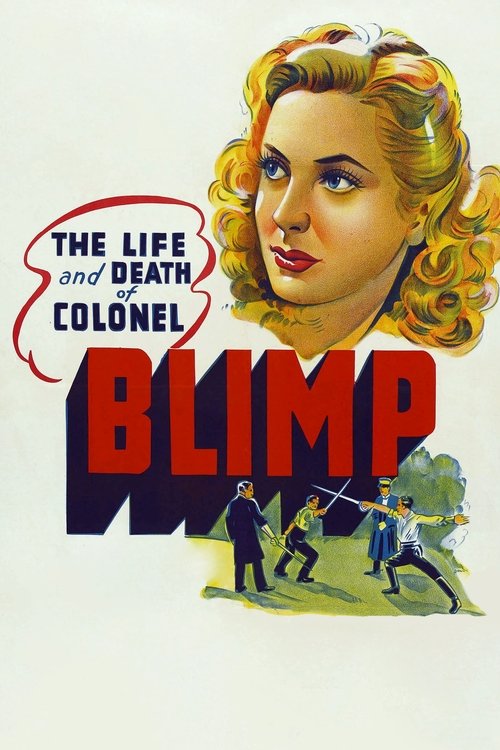
The Life and Death of Colonel Blimp1943
A startlingly early examination of how institutions protect reputations and how we mythologize authority figures. Propaganda dressed as entertainment, raising questions about complicity.
But Seventy-five years old and British military drama. The connection feels tangential unless you're hunting for thematic ancestry.
Athlete A2020
Documents USA Gymnastics' systemic abuse cover-up through coach Larry Nassar's prosecution. Shares Leaving Neverland's focus on institutional resistance and the cost of speaking up.
But Focuses on institutional accountability more than psychological depth. If you want character study rather than systems analysis, it's less rewarding.

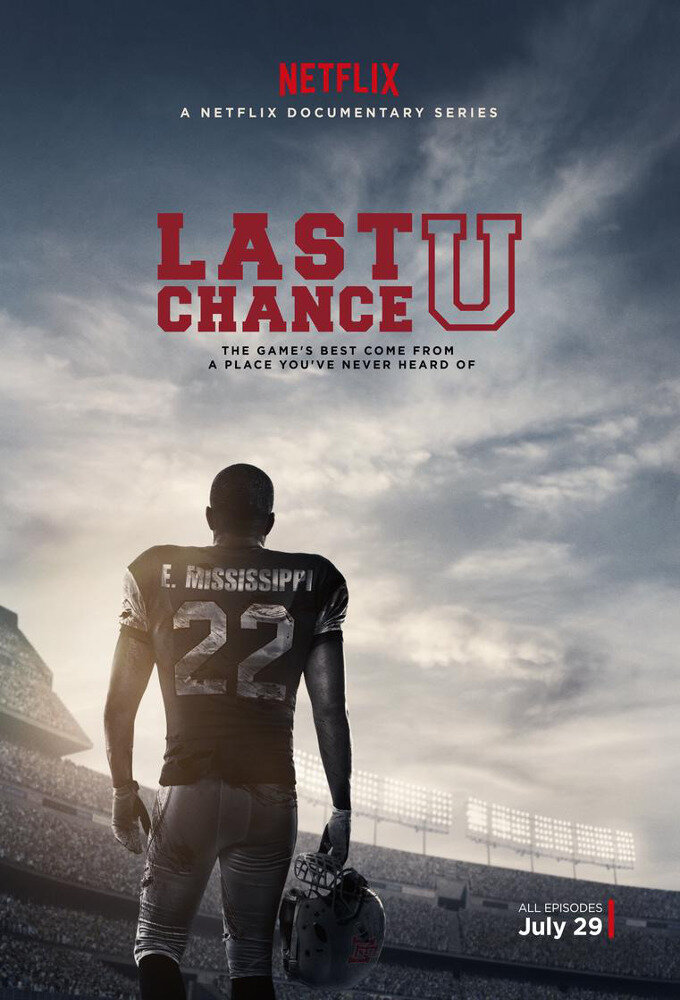
Last Chance U2016
Shows how systems that depend on youth vulnerability protect themselves by making that youth complicit in its own exploitation. Same architecture, different uniform.
College football documentary that methodically reveals how institutions exploit young talent while maintaining plausible deniability. The grooming is economic rather than sexual, but the machinery—the flattery, the access, the silence—is identical.
But Not about abuse, which might feel like a bait-and-switch. If you're looking for explicit documentation of harm, the metaphor won't satisfy.
People
Writing
- Dan ReedCreator
Production
- Faisal A. QureshiAssociate Producer
- Lisa HellerExecutive Producer
- Nancy AbrahamExecutive Producer
- Dan ReedProducer
- Owen PhillipsProducer
Recommended by
Michael, Athlete A, Surviving R. Kelly, The One About Matthew Perry