
Film
Wal-Mart: The High Cost of Low Price
Robert Greenwald's polemic examines Walmart's impact through interconnected stories: a hardware-store family losing their business, underpaid workers, Chinese factory conditions, and supplier pressure. It's angry, methodical, and unapologetically one-sided—a documentary that wants to persuade rather than explore ambiguity. For those ready to question the cost of everyday convenience.
Should you watch it?
Watch it if you want a documentary that argues its case through small-town shopkeepers and workers rather than statistics, and you're fine with a film that clearly takes a side.
Skip it if you want an even-handed inquiry, since this is a case built from one side's grievances and makes its argument without much hedging.
What it asks of you: About ninety-eight minutes of testimony from owners, workers and families, paced unhurriedly, with a sober, earnest tone that stays close to kitchens and storefronts rather than spectacle.
Not sure? Find tonight's pick in a minute.
If you liked this
The Corporation2003
Expands the critique beyond Walmart to systemic corporate structures and how they incentivize harm. Sharper, more philosophical, built on interviews with economists and executives who articulate the machinery itself.
But Longer (145 minutes) and more abstract. Less focused on individual stories, more interested in legal and economic theory. Can feel like a lecture.
Food, Inc.2008
Similar investigative approach to the food supply chain, following suppliers and workers trapped by big-box retailer pressure. Greenwald also directed this one, so you know the style. Equally damning.
But Focuses on agribusiness rather than retail, so if you're specifically interested in Walmart's model, the connection is systemic rather than direct.
The True Cost2015
Explores fast fashion's human cost through the eyes of garment workers and communities. Same moral architecture—extreme inequality hidden behind low prices. Beautifully made and heartbreaking.
But Fashion industry rather than retail, so you're learning a parallel system rather than deepening the same one. Some may find the aesthetic approach softer than the anger warrants.

Not sure tonight? Get a pick in a minute, starting from Wal-Mart: The High Cost of Low Price
The wildcard
Something you would not have found on your own.
Nightcrawler2014
Both examine how systemic structures incentivize the exploitation of vulnerable people. Greenwald shows the victims; Scorsese shows the mechanism and the man who feeds it.
A man climbs the supply chain by selling footage of urban disaster to news stations. Like Greenwald's film, it's about systems that profit from human suffering and the people who enable them—but from the perpetrator's perspective, stripped of moral judgment.
But Fiction, not documentary. Dark and cynical rather than outraged. Offers no solutions, only complicity. Exhausting to watch.
More like this (7)
Stardust2020
Documentary following a multigenerational Oklahoma family business being crushed by economic forces beyond their control. The intimacy rivals Greenwald's approach; the tragedy is lived, not argued.
But No broader systemic analysis—just the family's experience. If you want context about why this happens, you won't find it here. Quiet and painful.
American Factory2019
Worker narratives from a Chinese factory opening in Ohio, showing labor dynamics and globalization from both sides. Character-driven, urgent, and less didactic than you'd expect from its subject.
But The framing is ultimately ambiguous—it doesn't condemn as clearly as Greenwald does. Some viewers want clearer moral language.
Inequality for All2013
Robert Reich makes the economic case for why companies can afford to pay workers more. Data-heavy but charmingly presented, connecting retail wages to broader wealth disparity.
But More lecture-hall than narrative. No families struggling on screen, just charts and Reich being enthusiastic about economics.
Ghosts of Mississippi1996
A corporate wrongdoing narrative: small-town victim against massive institutional indifference. Moral clarity, legal perseverance, and the cost of standing against power.
But Historical drama, not documentary. Fictional dramatization rather than real people, which changes the register entirely. Older and less directly relevant to corporate accountability.
Severance2022
If you want to explore corporate control through a different lens, this thriller imagines a company that literally splits workers' consciousness. Explores power, autonomy, and what we owe employers through dark speculative fiction.
But Science fiction. Metaphorical rather than material. Exactly zero actual Walmart labor facts. Works as a mood piece, not an argument.
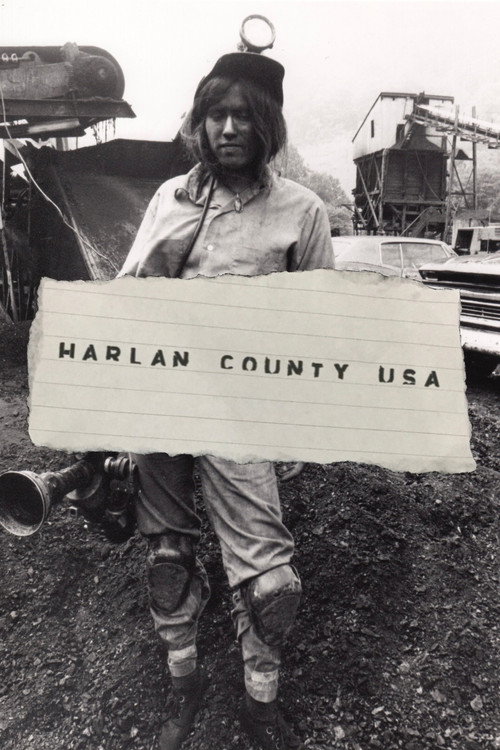
Harlan County U.S.A.1976
Both are about workers with no leverage fighting extractive systems. But this one is set in Appalachia fifty years earlier, showing that the problem is structural, not new to Walmart.
Coal miners fight their employer for basic dignity and survival. Intimate, filmed over a year, with real stakes and real violence. A masterpiece of observational documentary that lets you live the struggle.
But From 1976, black-and-white, slower pace. The labor movement and coal industry feel distant unless you have family connection. Over three hours.
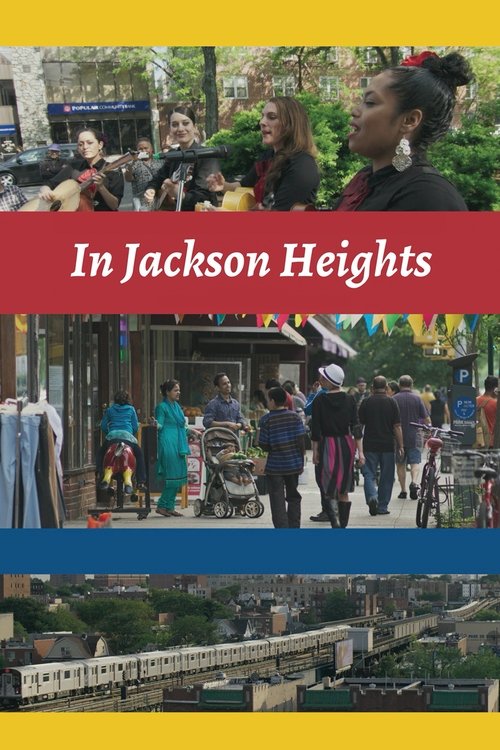
In Jackson Heights2015
Both concern economic forces reshaping working-class life. Greenwald shows how Walmart destroys local business; Wiseman shows the aftermath of such displacement in an immigrant community rebuilding around it.
Frederick Wiseman follows an immigrant community center in Queens for three hours. No narration, no argument, just watching people navigate displacement, gentrification, and economic pressure. The opposite of Greenwald's rhetoric—pure immersion.
But Extremely slow, no clear narrative. You need patience and tolerance for ambiguity. Wiseman never tells you what to think. If you want clear moral instruction, this frustrates.
People
Cast
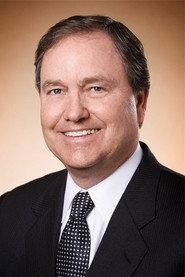 Lee ScottHimself - President & CEO of Wal-Mart (archive footage)
- Don HunterHimself - H&H Hardware Owner
- Jon HunterHimself - Son of Don Hunter
- Jeremy HunterHimself - Son of Jon Hunter
- Matt HunterHimself - Son of Jon Hunter
- Johnny FaenzaHimself - H&H Hardware Employee
- Frank MorminoHimself - Owner of Middlefield Tire
- John BrueningHimself - Owner of Geauga Vision (as Dr. John Bruening)
- Tom GlassburnerHimself - H&H Hardware Employee
- Weldon NicholsonHimself - Wal-Mart Store Manager Trainer
- Al NormanHimself - Founder of Sprawl-Busters
- Grace ThibodeauxHerself - Hearne, Texas Resident
Directing
- Robert GreenwaldDirector
- John BlairField Director
Production
- Devin SmithProducer
- Jim GilliamProducer
- Robert GreenwaldProducer