
Film
The Bad Kids
A documentary following a scrappy desert high school where Principal Vonda Viland goes to extraordinary lengths—early morning calls, personal rides, unflinching honesty—to help at-risk students graduate. It's intimate, unglamorous, and fundamentally about how one person's constancy can rewrite lives. For anyone who believes education is more than grades.
Should you watch it?
Watch it if you like patient, observational documentaries that let a school's daily routines and its students' stories unfold slowly, trusting the people on screen to do the talking.
Skip it if you want a sharp, investigative exposé or a quick-cut film; this one keeps its gaze close and unhurried, so the pace may feel slow.
What it asks of you: Around an hour and forty minutes of patience, with long quiet stretches of dawn calls, mornings and hallways rather than big set pieces.
Not sure? Find tonight's pick in a minute.
If you liked this
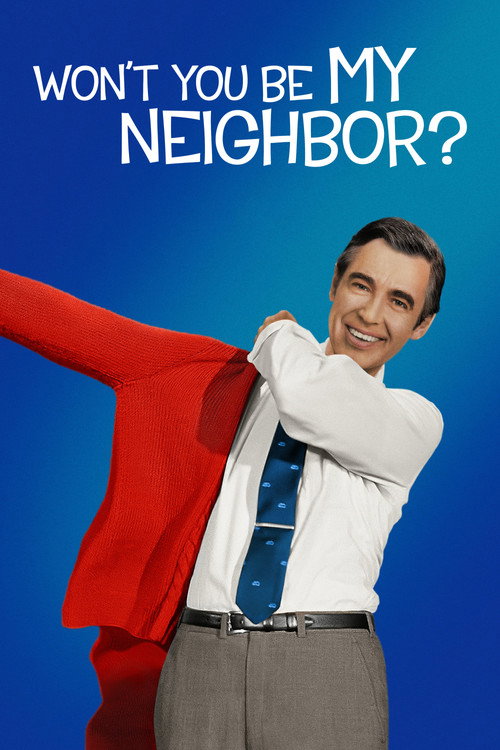
Won't You Be My Neighbor?2018
A portrait of how genuine care and presence shape young lives, told with real tenderness. Fred Rogers' philosophy parallels Vonda's: meet people where they are, never condescend, and show up consistently.
But It's a fairly straightforward biographical documentary without narrative suspense or dramatic turns. If you need conflict or revelation, this won't provide it.
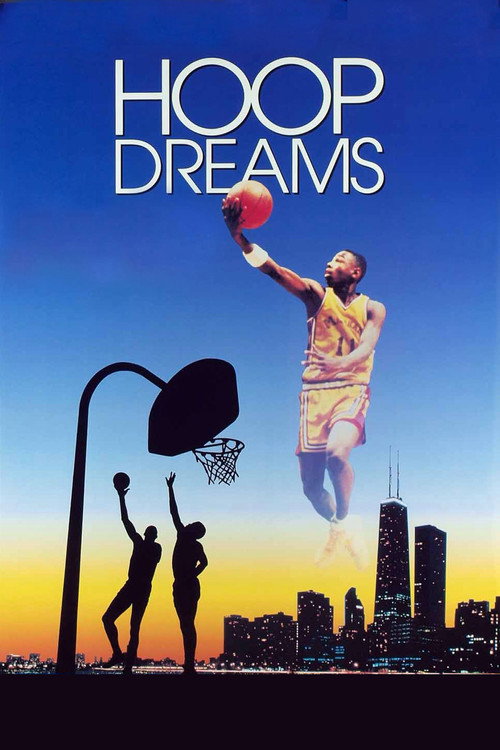
Hoop Dreams1994
Twenty years tracking two boys' basketball dreams shows how institutions fail or support young people. Like The Bad Kids, it refuses to sentimentalize struggle or offer easy answers about who gets to succeed.
But It's long, methodical, and demands patience. The pace is documentary-real, not cinematic. Some find it bleak rather than hopeful.
The Toys That Made Us2017
Each episode examines how adults created something—toys, games, culture—that shaped childhoods. The empathy toward how people learn and play connects to Vonda's pedagogy of meeting kids' real needs.
But It can feel nostalgic rather than substantive. Some episodes are lighter on insight, heavier on celebrity talking heads.
Not sure tonight? Get a pick in a minute, starting from The Bad Kids
The wildcard
Something you would not have found on your own.
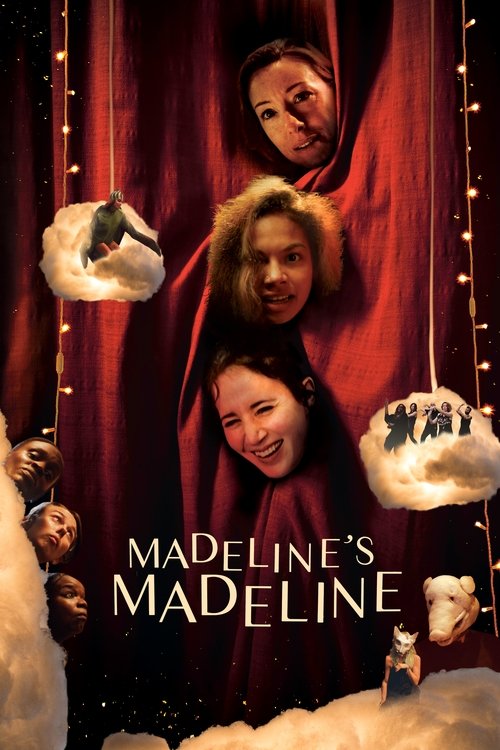
Madeline's Madeline2018
Both films reject the narrative that broken young people need to be fixed into a predetermined shape. They honor what's already inside them—pain, anger, brilliance—and trust that showing up honestly matters more than transformation.
Josephine Decker's film follows a teenage girl navigating an experimental theatre troupe. It's formally daring and uncomfortable—shot in disorienting ways that put you inside emotional chaos. It takes youth's interior world seriously, never patronizes it.
But The fractured style and deliberately claustrophobic perspective alienate many viewers. It's avant-garde and refuses to offer catharsis or resolution. You have to surrender to it rather than understand it cleanly.
More like this (7)
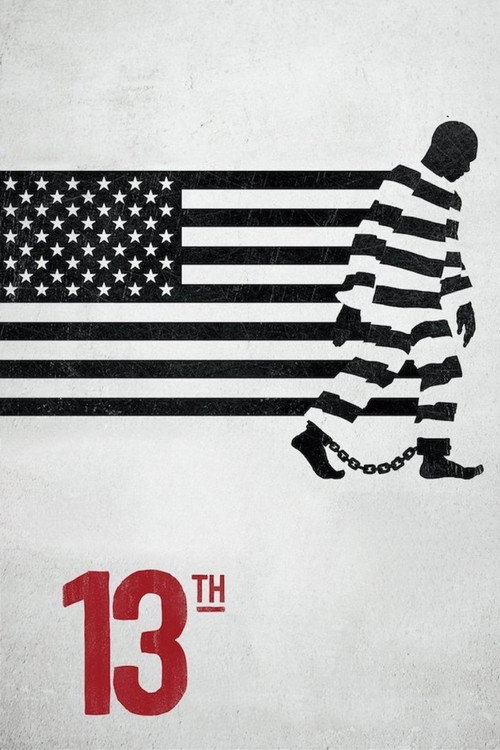
13th2016
Ava DuVernay's examination of mass incarceration and systemic failure is the dark mirror to The Bad Kids: why some students arrive already damaged, and what institutions owe them. Essential context for Vonda's fight.
But It's angry and bleak. If you watch this seeking comfort, you won't find it. Prepare yourself emotionally.
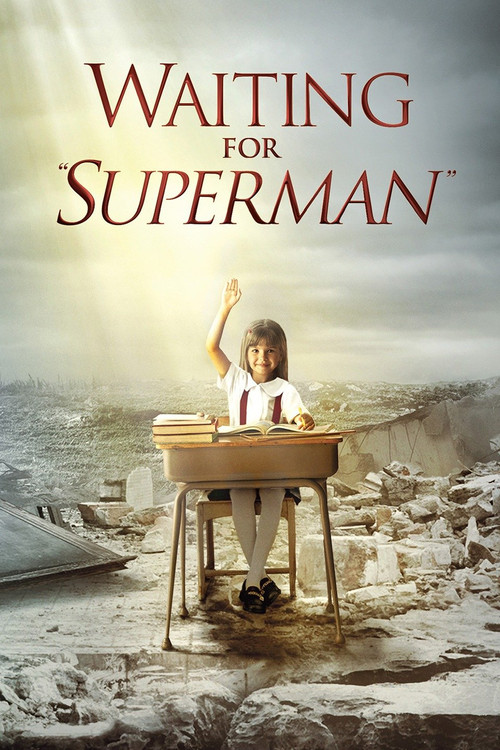
Waiting for "Superman"2010
Davis Guggenheim profiles reformers trying to fix broken schools. Like The Bad Kids, it asks whether individual heroism can bridge systemic gaps, though it reaches different conclusions about the answer.
But It's been criticized as simplistic about education policy and heavy-handed in its advocacy. Some feel it blames teachers rather than systems.
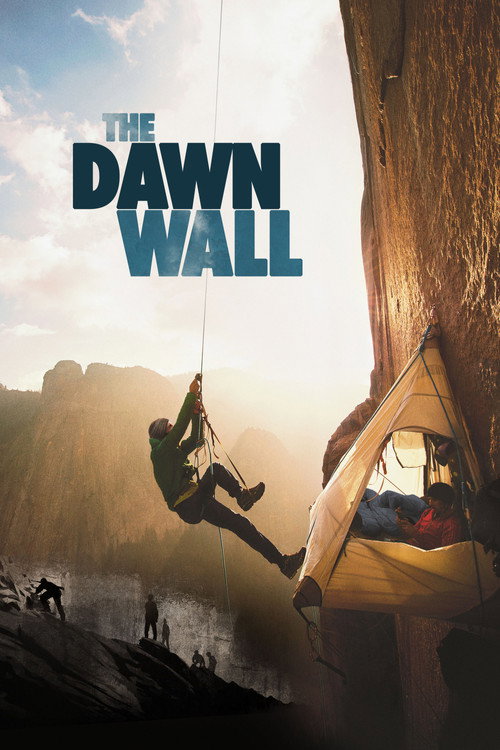
The Dawn Wall2017
Two rock climbers spend nineteen days on a near-vertical cliff face. It's about extreme commitment, partnership, and pushing past what seems impossible—the spiritual sibling to Vonda's daily persistence.
But If you're not drawn to climbing or outdoor sports, the technical details may feel arcane. The stakes are personal rather than universal.
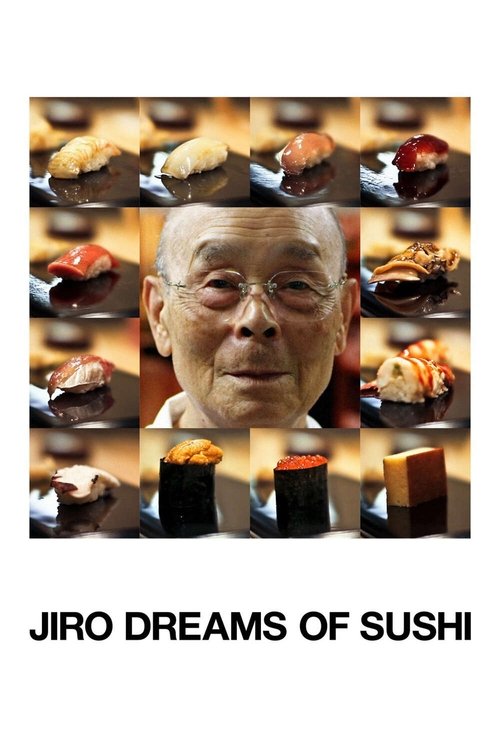
Jiro Dreams of Sushi2011
A Japanese master sushi chef's obsessive pursuit of perfection through repetition and care. Like Vonda, Jiro believes excellence comes from showing up fully every day and never settling for less from yourself.
But It's slow, meditative, and hyperfocused on one man's vision. Some find it precious or narrow rather than moving.
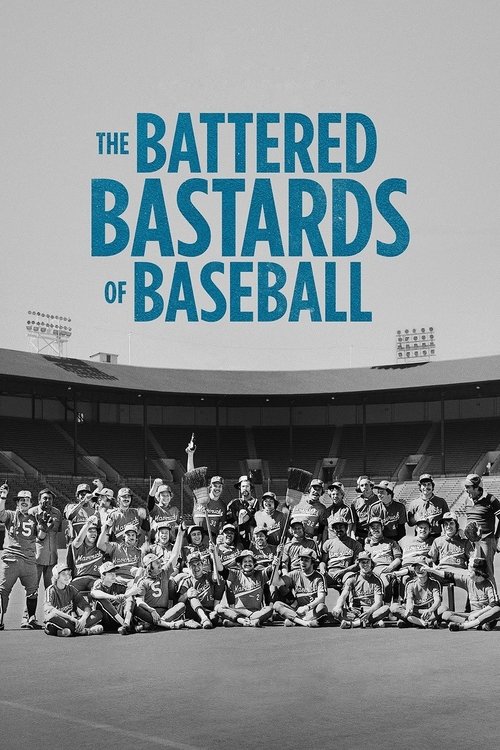
The Battered Bastards of Baseball2014
A true story about a ragtag independent baseball team that defies expectations. It's scrappy, funny, and celebrates people who refuse to be written off—thematically aligned with Vonda's students.
But It's lighter in tone and stakes than The Bad Kids. Some feel it relies too much on sports-movie clichés to earn its sentiment.
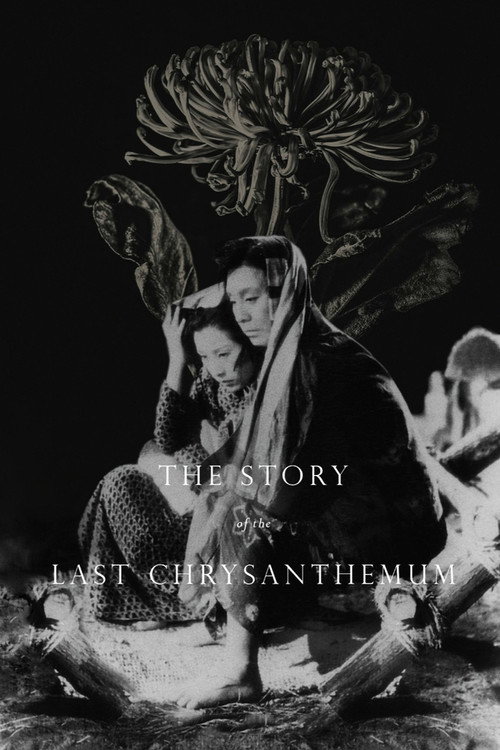
The Story of the Last Chrysanthemum1939
Like Vonda, the woman in the film never asks for recognition or gratitude. She simply shows up, day after day, with no agenda except that he become himself. The film is about how that kind of presence is a form of love.
Kenji Mizoguchi's 1939 Japanese masterpiece traces a young kabuki actor's education through an older woman's patient, undemanding love. It's achingly tender and deeply strange—about how one person's constancy allows another to discover who they are.
But It's in black-and-white, subtitled, and nearly three hours long. The pacing is deliberate and the emotional register is so quiet you have to lean in. Modern audiences often find it slow.
Tickled2016
Both films are about adults showing up in young people's lives, but they're inversions of each other. Vonda's presence is protective and unconditional; the antagonists in Tickled use presence as camouflage for harm. Together they ask: what makes a caring adult trustworthy?
A documentary that begins with competitive tickling and spirals into something sinister. It's a masterclass in how something seems harmless until you look closely. Spare and expertly made, it's addictive in a way The Bad Kids isn't.
But It moves toward genuine darkness and exploitation. The tone shifts from funny to deeply uncomfortable. Some feel manipulated by how the filmmakers engineer the revelation.
People
Cast
- Ian BurumaSelf
- Cai GuoqiangSelf
- Wen-You CaiSelf
- Wenhao CaiSelf
Directing
- Keith FultonDirector
- Louis PepeDirector