
Film
The Kitchen
Other titles called The Kitchen: the 2019 film.
A 1961 British comedy set entirely in a restaurant kitchen, where a multinational crew of cooks, cleaners and dishwashers navigate the chaos of service. It's a pressurised, farcical look at kitchen life that finds absurdity in hierarchy, language barriers, and the weight of unrequited desire. Intimate and surprisingly dark beneath the laughs.
If you liked this
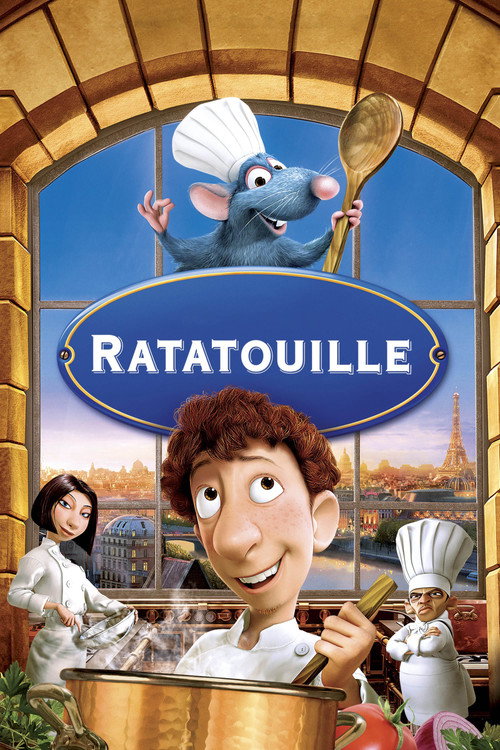
Ratatouille2007
A love letter to kitchen culture that finds poetry in the everyday work—the rhythm, the hierarchy, the transformation of raw ingredients into something that moves people. Beautifully animated and funny without being condescending about its setting.
But It's a Pixar film, so there's a faint sense of everything being polished for maximum palatability. The rat-as-chef conceit takes some people out of it.
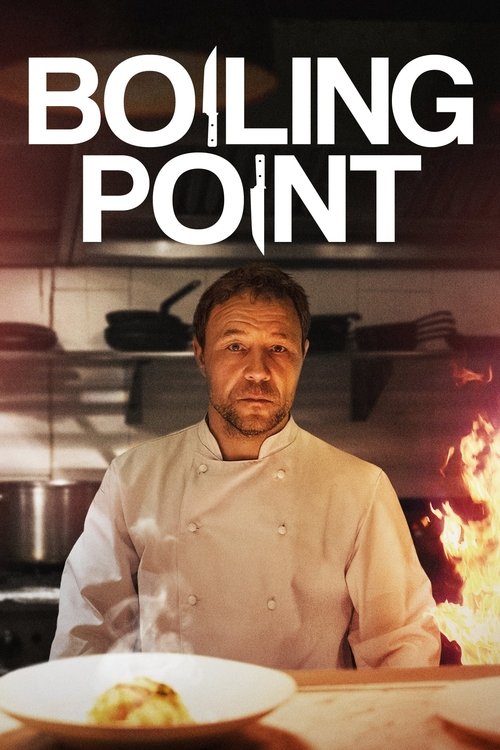
Boiling Point2021
A real-time, single-take restaurant drama that captures the precise pressure-cooker intensity of kitchen life. Stephen Graham is magnificent, and it builds to something genuinely cathartic. You feel the sweat and heat.
But Relentlessly tense and claustrophobic. If you watch it to relax, you've chosen wrong. Some may find the shaky-cam approach exhausting.
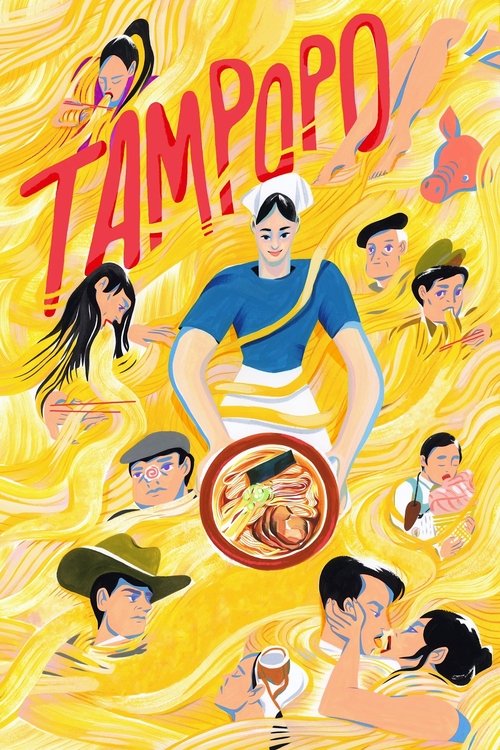
Tampopo1985
A wild, digressive Japanese film about a widow trying to perfect her ramen. It's absurdist, sensual, and treats food preparation as something worthy of obsession and artistry. Completely unlike anything else you'll see.
But It's genuinely strange—part comedy, part experimental film, part food documentary. The narrative is deliberately loose. Some find it precious; others find it liberating.
Not sure tonight? Get a pick in a minute, starting from The Kitchen
The wildcard
Something you would not have found on your own.
Marco Polo2014
Both use the kitchen as a pressure chamber where professional ambition and personal desire collide. Both are ultimately about the cost of wanting the wrong thing, or wanting the right thing from the wrong person.
A limited series inside Marco Polo's kitchen in Hong Kong, where food becomes a language for ambition, identity and mastery. Like The Kitchen but with the pressure turned up to eleven—it's about wanting something so badly it breaks you.
But It ends after one season and was cancelled. Hong Kong drama, so subtitle-dependent. The lead is abrasive and unsympathetic throughout. Quite grim.

More like this (8)
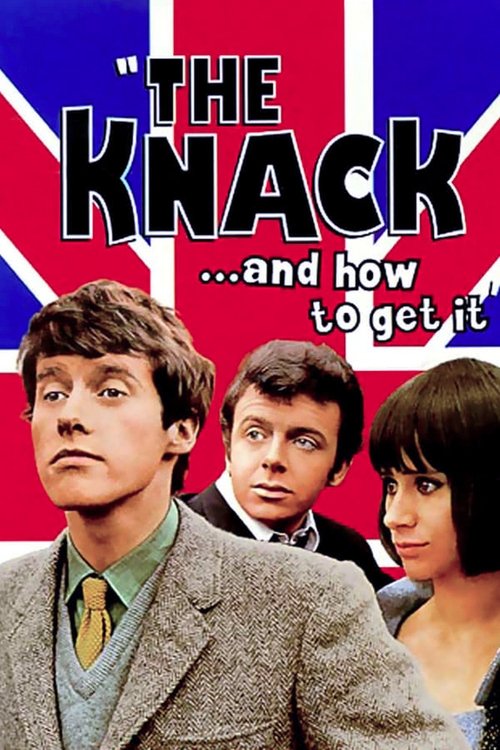
The Knack... and How to Get It1965
A British comedy of similar vintage that captures that era's anarchic energy. Young actors, social satire, the city as character, romance thwarted by circumstance. Same DNA, different setting.
But Very much of its time—the humour is occasionally dated, and the gender politics haven't aged gracefully. The pacing relies on a kind of controlled chaos that not everyone enjoys.
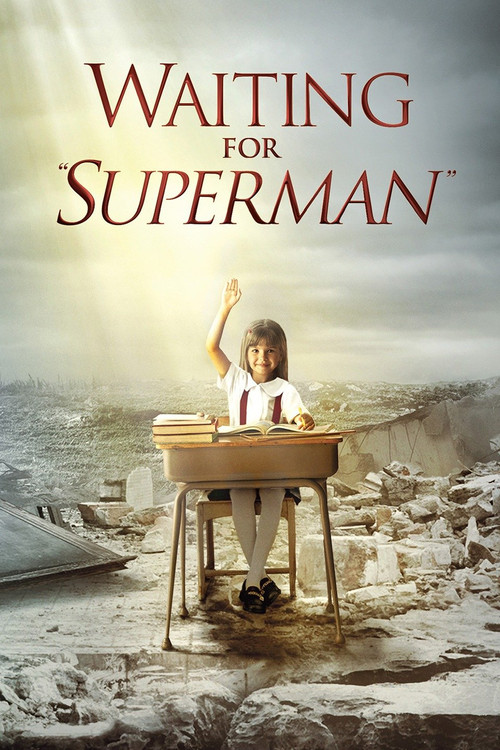
Waiting for "Superman"2010
A documentary about the pressure-cooker lives of restaurant staff trying to succeed. It's affectionate but unflinching about the cost of kitchen ambition. Real people, real stakes, real heartbreak.
But It's a documentary, so no narrative structure to lean on. Also quite sad—this isn't escapism, it's a portrait of exhaustion. Can feel heavy.
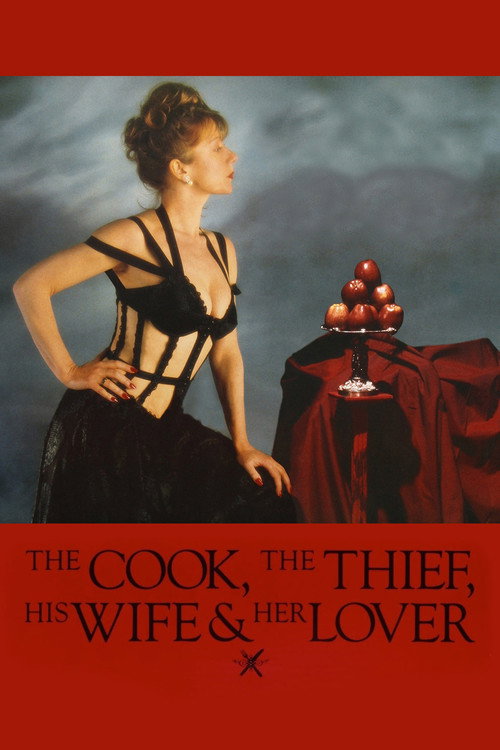
The Cook, the Thief, His Wife & Her Lover1989
A baroque, visually stunning film that uses a restaurant as the stage for power games and passion. Peter Greenaway at his most controlled—difficult but rewarding, and genuinely thrilling in moments.
But Extremely stylised and arch. Contains brutal violence. The dialogue can feel like theatre rather than naturalism. Not for everyone, and knows it.
Sweetbitter2018
A series about fine dining and the people drawn into its orbit. Beautiful cinematography of food and wine, genuine workplace dynamics, and a heroine trying to find her place in a world of rules and hierarchies.
But Slow and meditative in a way that can feel aimless. The lead character is deliberately inexperienced, which some find irritating. Only two seasons, so an incomplete arc.

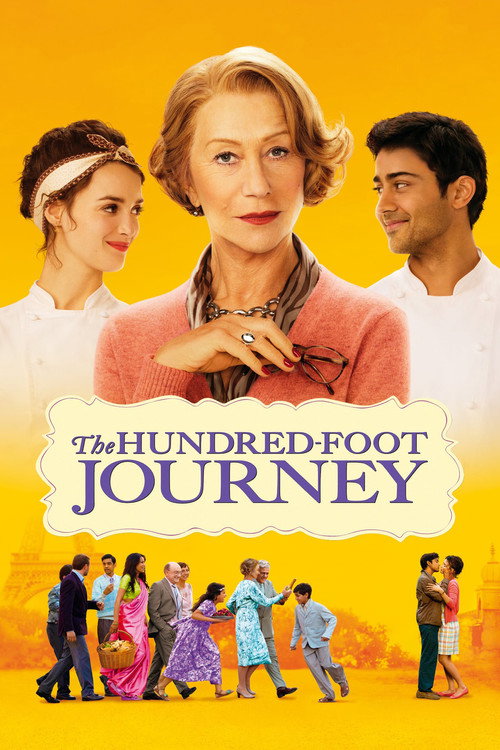
The Hundred-Foot Journey2014
A warm film about culinary cultures colliding when an Indian family opens a restaurant across the street from a Michelin-starred French establishment. Lighter than it sounds, with genuine affection for food and people.
But Quite sentimental and predictable. It smooths over real tensions with charm. If you want edge rather than warmth, this isn't it.
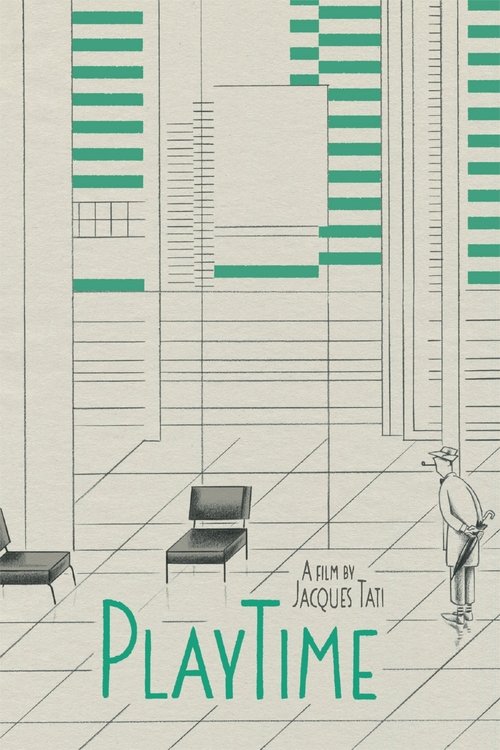
PlayTime1967
Jacques Tati's masterpiece uses a restaurant scene as one of its set pieces—a brilliantly choreographed sequence of barely-controlled chaos. A film about modern life structured like a kitchen at service: complex, funny, intricate.
But Nearly three hours, minimal dialogue, and the humour is visual and intellectual rather than immediate. Requires patience and repeated watching to fully appreciate.
Stalker1979
The kitchen and the Zone are both enclosed worlds with strict codes of conduct, where people jostle against each other and against their own desires. Both films understand that pressure and confinement can expose what's really inside a person.
Andrei Tarkovsky's philosophical sci-fi film is ostensibly about a man leading two others through a mysterious zone, but it's really about the suffocating weight of desire, hierarchy, and the spaces we're trapped in. Slow, meditative, hypnotic.
But Three hours of contemplative science fiction with minimal plot. No action, no resolution. Deliberately paced to feel like time itself slowing down. Many find it impenetrable.

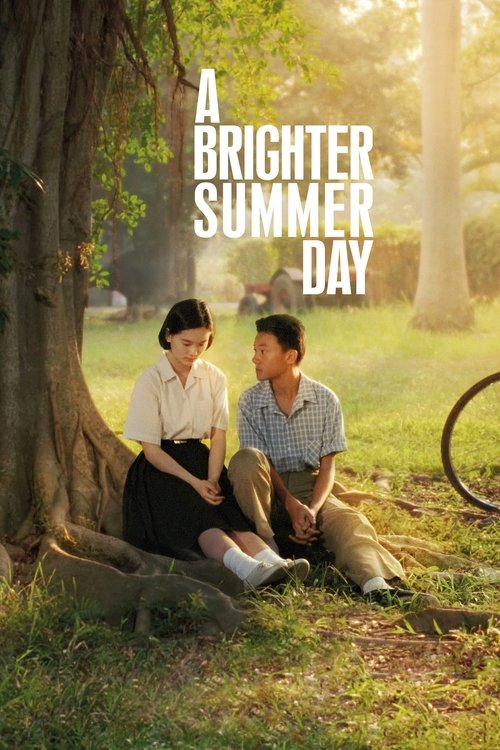
A Brighter Summer Day1991
Both find the mundane spaces of daily life—a kitchen, a street—to be sites of real drama where small hierarchies matter enormously. Both understand how quickly laughter can curdle into pain, and how proximity breeds both intimacy and cruelty.
Edward Yang's four-hour Taiwanese masterpiece about youth gangs and class conflict in 1960s Taipei. It has the same polyglot, naturalistic ensemble energy as The Kitchen—people of different backgrounds rubbing against each other, small humiliations and big violence.
But Four hours, no intermission, subtitled, and emotionally devastating. The pacing is deliberate to the point of testing. Violence comes suddenly and without warning. Requires absolute attention.
People
Cast
 Carl MöhnerPeter
- Mary YeomansMonica
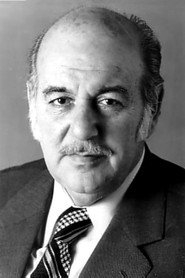 Eric PohlmannMarango
- Scot FinchHans
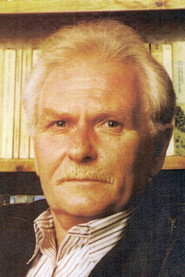 Brian PhelanKevin
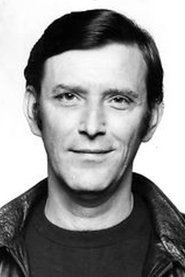 Tom BellPaul
 Sean LynchDimitri
 Gertan KlauberGaston
 James BolamMichael
- Howard GreeneRaymond


Directing
- Lorna SelwynContinuity
- James HillDirector
Writing
- Arnold WeskerWriter
- Sidney ColeWriter
Production
- Sidney ColeProducer