
Film
Freakonomics
A freewheeling documentary that adapts Steven Levitt's bestseller into four separate investigations into the weird economic logic hiding inside everyday life. It's playful rather than rigorous, more interested in entertaining than converting you. Best for viewers who enjoy having their assumptions poked at without needing airtight proof.
If you liked this
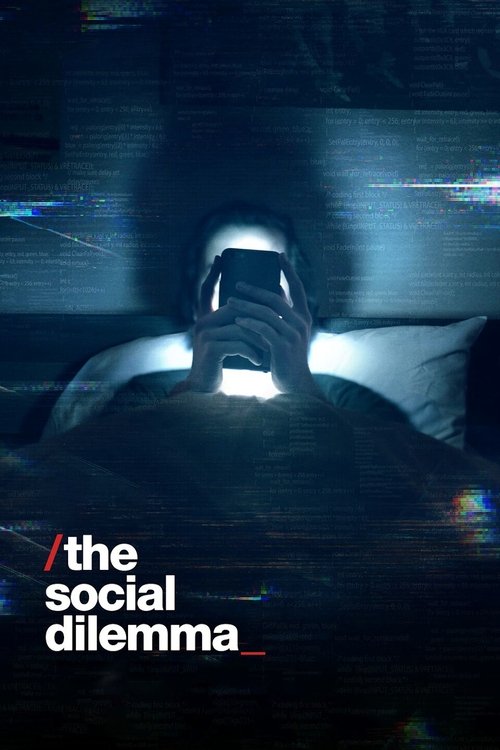
The Social Dilemma2020
Exposes how algorithms quietly shape your choices and behavior. Like Freakonomics, it reveals invisible systems governing your life, but with sharper focus and more direct stakes about what's actually being taken from you.
But Leans toward alarmism rather than ambiguity. The argument sometimes oversimplifies how much control platforms actually have versus how much we surrender willingly.
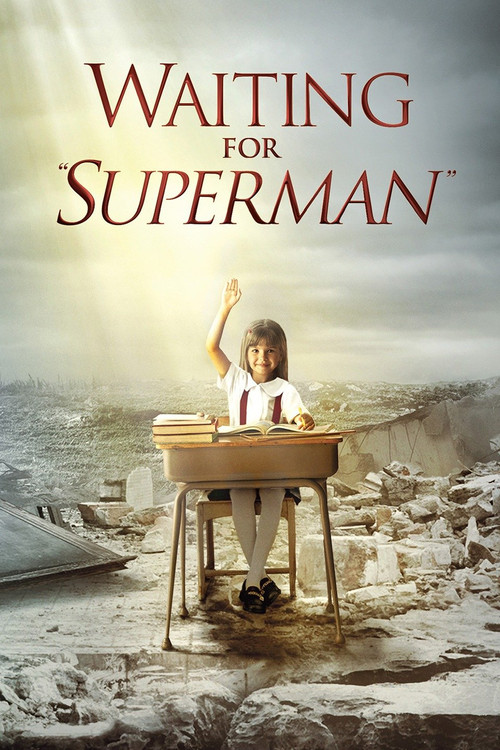
Waiting for "Superman"2010
Another documentary that uses data and stories to interrogate how systems fail and whom they fail worst. Same era, same instinct to find economic logic beneath social institutions, more affecting because the stakes are children's futures.
But Focused argument can feel didactic. Critics argue it oversells certain solutions while glossing over structural complexity it claims to illuminate.
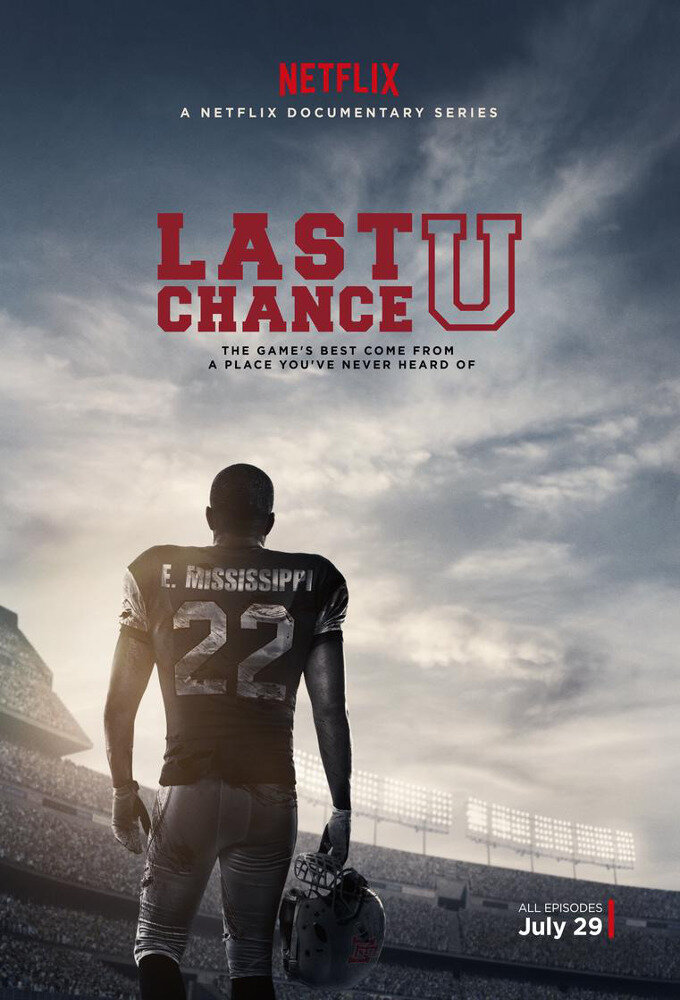
Last Chance U2016
Follows college football players through a system built on their unpaid labor and systematic economic exploitation. Channels that Freakonomics impulse—finding hidden incentives—into something with real human weight and moral clarity.
But Anger can curdle into repetition as you watch the same patterns grind on. After episode three, you may feel you've absorbed the argument.
Not sure tonight? Get a pick in a minute, starting from Freakonomics
The wildcard
Something you would not have found on your own.
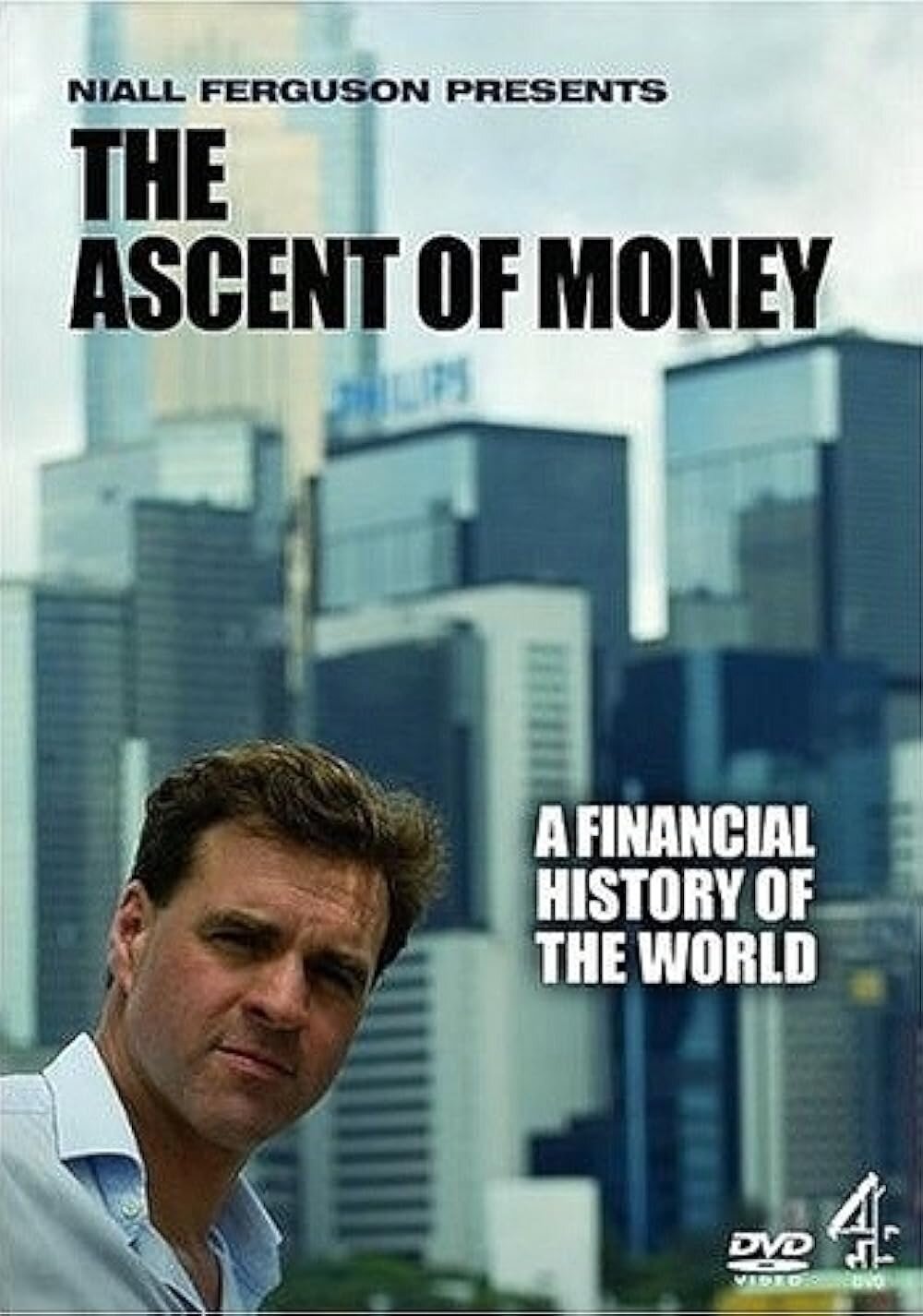
The Ascent of Money2008
Both use economic analysis as a lens to reinterpret seemingly unrelated phenomena—Freakonomics plays this for intellectual fun, Ferguson for historical reckoning. One shows how incentives explain sumo wrestlers; the other shows how credit default swaps enabled colonialism.
Historian Niall Ferguson narrates how financial systems actually shaped history. It's Freakonomics' serious older sibling—same fascination with hidden economic logic, but tracing centuries of consequence instead of clever coincidences. Dense, revelatory, genuinely unsettling about what money has done.
But Demanding and sometimes coldhearted. Ferguson can lean toward a worldview where everything bends to economic forces, which flattens human agency and can feel cynical after a while.
More like this (6)
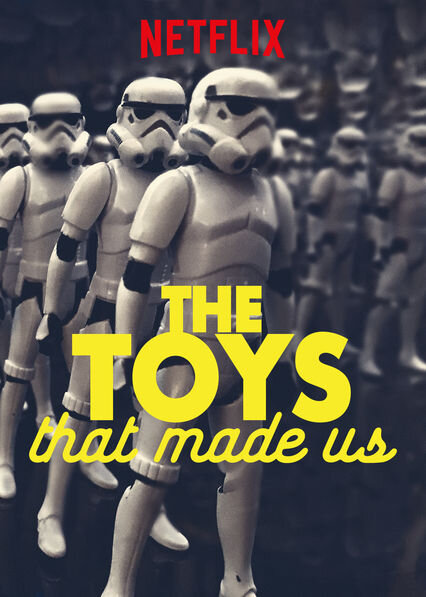
The Toys That Made Us2017
Each episode traces how corporate incentives, marketing genius, and cultural timing created phenomena. Same light touch and pattern-finding as Freakonomics, but tactile and nostalgic rather than theoretical.
But Skews more toward celebration than interrogation. Happy to tell you how brilliant the marketing was without pressing why you wanted it so badly.
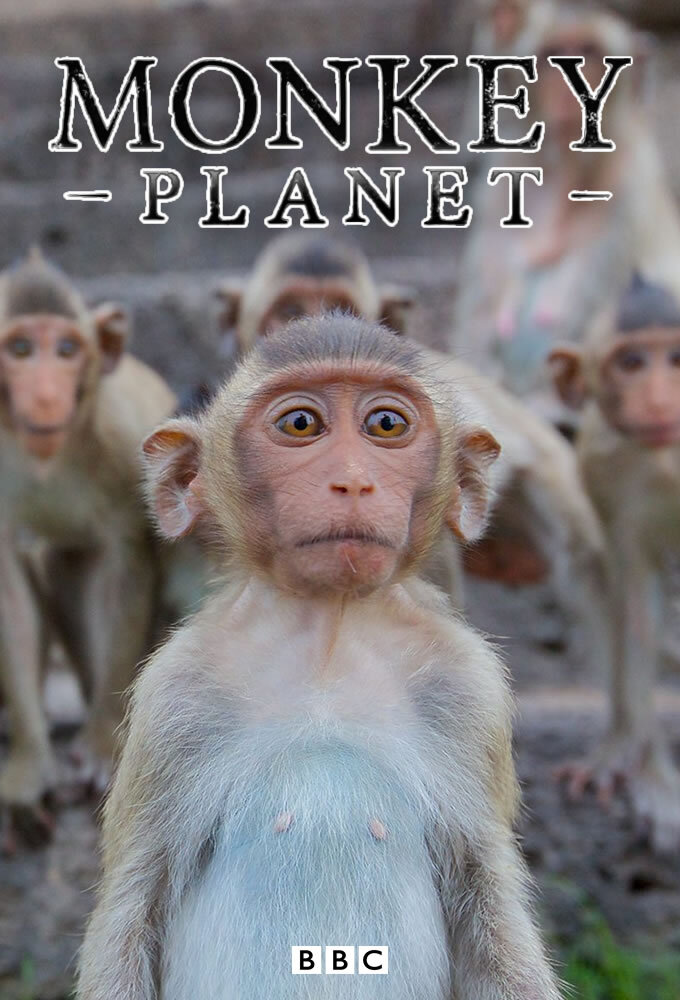
Monkey Planet2014
NPR's series takes the Freakonomics playbook—follow the money, reveal the unexpected incentives, make economics fun—and executes it with genuine warmth and curiosity. More consistent quality across stories than a patchwork film.
But Gentler and less provocative. The reveal that people respond to incentives is less surprising when you're not hearing it from filmmaking superstars.
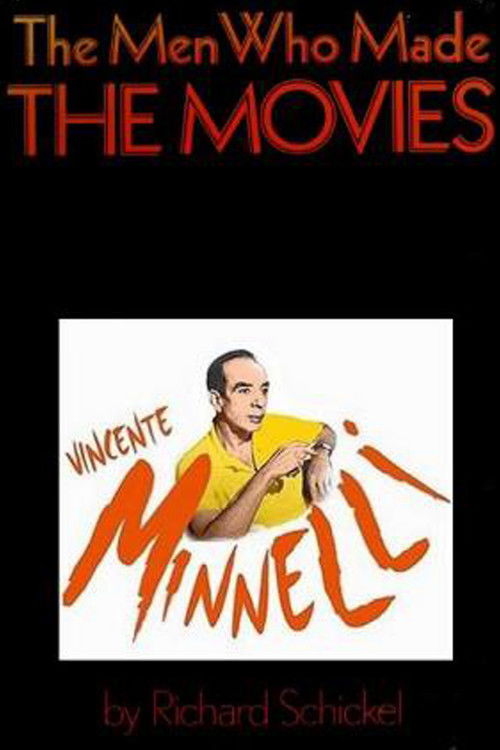
The Men Who Made the Movies: Vincente Minnelli1973
Documentary series where filmmakers explain their craft and choices. Shares Freakonomics' confidence in finding fascinating logic inside systems most people take for granted, but the system is cinema itself.
But Narrow focus and some filmmakers' sections hold up better than others. Very much a product of its moment in how it values (and doesn't value) certain stories.
Fyre2019
Examines a spectacular failure through the incentives that made it inevitable. Has that Freakonomics DNA—finding the weird economic logic in human behavior—but lets the absurdity breathe.
But Basically a true-crime story about fraud. If you want substance over sensation, the documentary's more interested in how wild it all was than why people fell for it.

Synecdoche, New York2008
Freakonomics finds the economics in human behavior; Synecdoche finds the tragedy in systems that demand we behave economically. One says 'isn't it clever?'; the other says 'isn't it heartbreaking that we think this way?'
A fiction film that uses obsessive systems-building and economic paradox as its structure and meaning. Philip Seymour Hoffman's director creates a miniature economy of art, ambition, and decay that thinks like Freakonomics—finding the hidden logic in seemingly irrational choices—but feels it in your chest.
But Deliberately difficult and circular. The film doesn't resolve or conclude so much as collapse inward. Some find it pretentious; others find it essential.

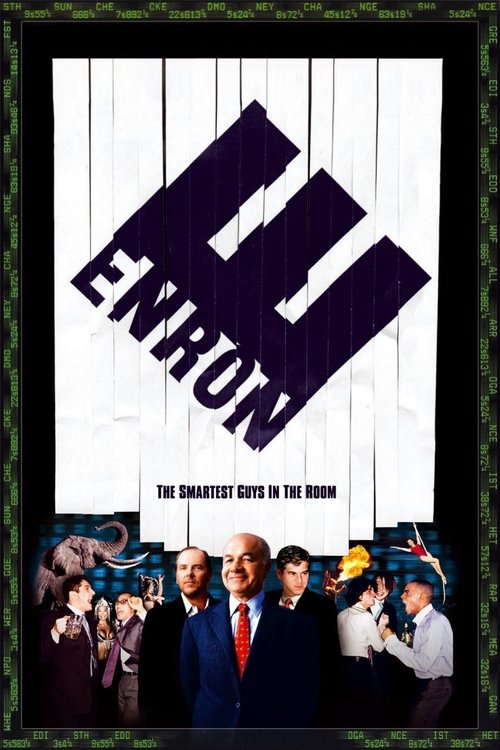
Enron: The Smartest Guys in the Room2005
Both fascinated by how incentive structures shape behavior, but where Freakonomics finds it amusing, Enron reveals it as catastrophic. Same analytical eye; completely different moral conclusion.
Documentary about a corporation that thought like Freakonomics—confident in its ability to find hidden advantage, game the system, follow incentives to their logical extreme. Terrifying because it shares Freakonomics' intellectual playfulness while showing where that leads when stakes are actual lives and pensions.
But Angry and despairing. No clever reversals, no 'wasn't that surprising?' relief. Just the steady revelation that brilliance and sociopathy can look identical from the inside.
People
Cast
- Zoe SloaneBlake
- Jade ViggianoHigh School Girl
- Amancaya AguilarMercedes
- Kahiry BessDeshawn
- Alisha NagarshethStudent
- Alyssa WheeldonHigh School Girl
- Samuel SoiferJake
- Kellie GeradiLexus
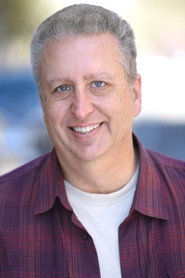 Greg CroweJohnny the Mechanic
- Andrew GreicheJake
- Adesuwa Addy IyareTemptress' Mother
- James LeibowHimself
Directing
- Alex GibneyDirector
- Eugene JareckiDirector
- Heidi EwingDirector
- Morgan SpurlockDirector
- Rachel GradyDirector
- Seth GordonDirector
Writing
- Alex GibneyScreenplay
- Peter BullScreenplay
- Alex GibneyWriter
- Eugene JareckiWriter
- Heidi EwingWriter
- Jeremy ChilnickWriter
- Morgan SpurlockWriter
- Rachel GradyWriter
Production
- Damon MartinExecutive Producer
- Jay RifkinExecutive Producer
- Michael RobanExecutive Producer
- Paul FioreExecutive Producer
- Seth GordonExecutive Producer
- Stephen J. DubnerExecutive Producer
- Steven D. LevittExecutive Producer
- Alex GibneyProducer
- Chad TroutwineProducer
- Chris RomanoProducer
- Dan O'MearaProducer
- Hilary CarrProducer
- Peter CerbinProducer
- Rafi ChaudryProducer