
Film
The Men Who Made the Movies: Vincente Minnelli
A 1973 documentary portrait of Vincente Minnelli, the architect of the Hollywood musical. Watching him reflect on his craft—color, movement, performance, design as character—is like sitting with a master while he thinks aloud. Essential for anyone who loves musicals, cinema history, or the idea that movies can be about pure joy.
Should you watch it?
Watch it if you love the backstage craft of musicals, the way a set gets built, lit and danced through, and you want to hear a director explain his own eye for color and movement.
Skip it if you want a tight, modern documentary with a clear argument; this is a loosely assembled tribute with clips and reminiscences that drift rather than build.
What it asks of you: Under an hour long and mostly easygoing, it runs on an unhurried narration and long stretches of old film, so it rewards patience more than close scrutiny.
Not sure? Find tonight's pick in a minute.
If you liked this
Singin' in the Rain1952
The apex of what Minnelli's peers achieved: a film where dance, plot, and visual design are inseparable. Gene Kelly and Donald O'Connor at their peak, and a lesson in why the musical matters.
But If you don't care about dance or don't connect with the particular joy of 1950s Hollywood, it can feel quaint or slow.

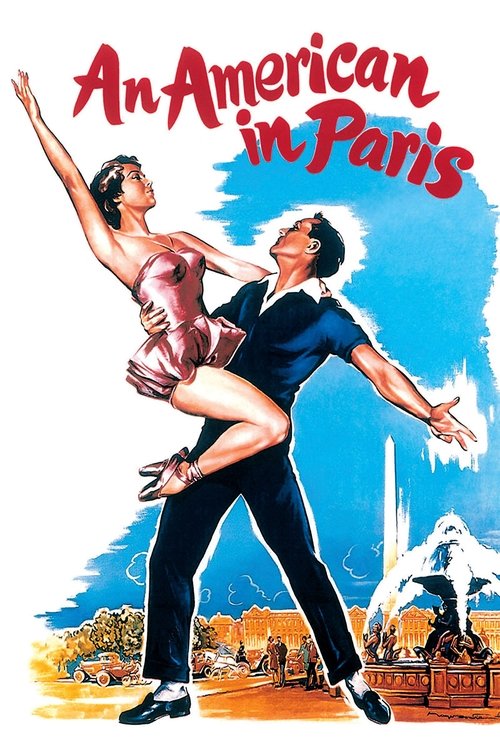
An American in Paris1951
Minnelli's own masterpiece. A love letter to Paris told through color, music, and an eighteen-minute ballet that redefined what cinema could do with dance.
But The romance is conventional, and the ballet finale, while astonishing, asks a lot of patience from viewers not already sold on spectacle.
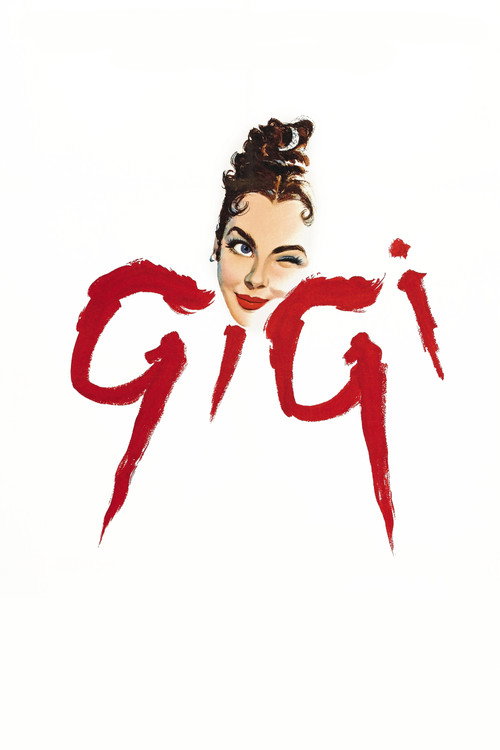
Gigi1958
His only Best Picture winner, and you'll see why instantly: a film of such visual control and narrative grace that it makes courtship and choice feel like choreography.
But Dated attitudes toward women and romance; a runtime that tests commitment; the songs, while lovely, are sometimes secondary to the visuals.
Not sure tonight? Get a pick in a minute, starting from The Men Who Made the Movies: Vincente Minnelli
The wildcard
Something you would not have found on your own.
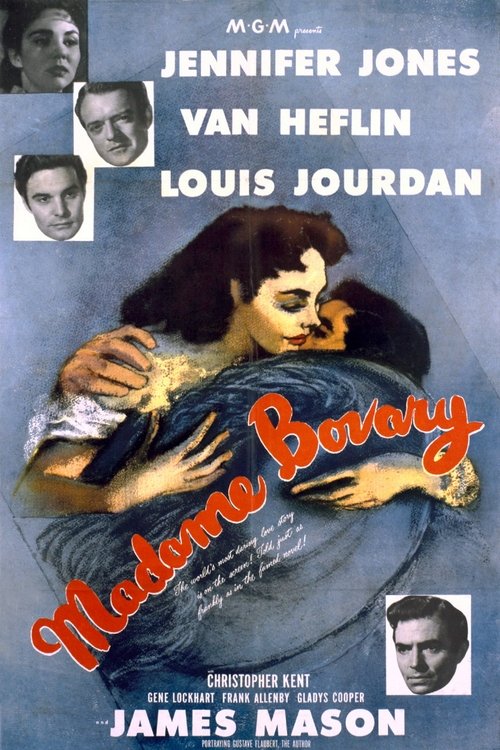
Madame Bovary1949
Both the documentary and this film show Minnelli's thesis: that cinema is visual storytelling first, and that emotion moves through space and color before words.
Minnelli applied his entire visual vocabulary—color, composition, decor as psychology—to a tragedy of desire and disappointment. Flaubert in Technicolor: a film that proved the musical sensibility could reshape any genre.
But It's a heavy novel in a director's hands that wants to make you *feel* the excess and waste. Some find it glacial; others find it unbearably sad.
More like this (7)
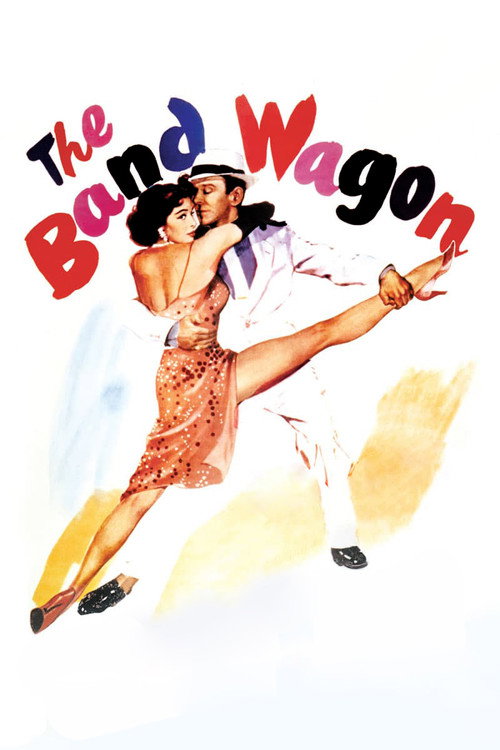
The Band Wagon1953
A film about making a Broadway show, thick with Astaire, Cyd Charisse, and humor about art and commerce. The 'Triplets' number alone is worth the price of entry.
But If backstage mechanics bore you, the plot might feel thin; some dance sequences are decidedly of their era.
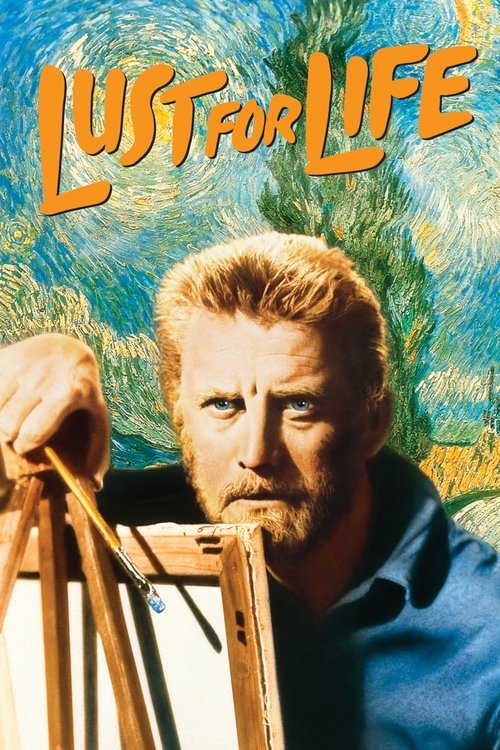
Lust for Life1956
Minnelli's only venture into serious biography—Van Gogh's genius and madness, with Kirk Douglas burning through scenes. Proof he could do tragedy as well as spectacle.
But It's melodramatic and sometimes overwrought; the historical accuracy takes a back seat to emotional intensity.
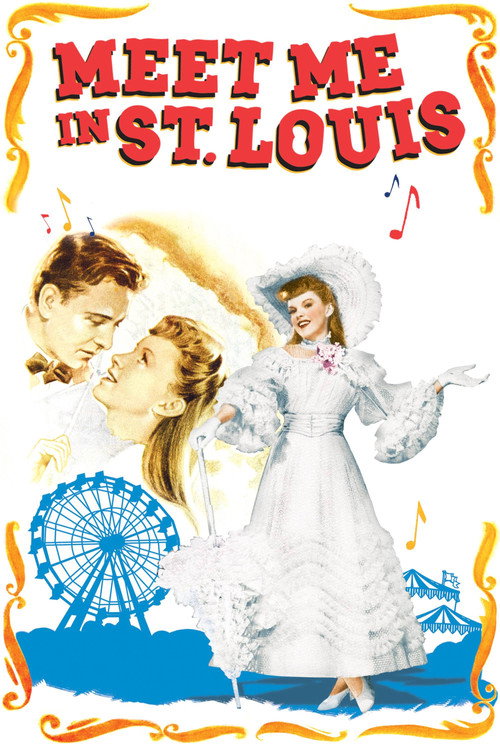
Meet Me in St. Louis1944
Judy Garland at her most luminous, a small-town family story that feels intimate despite its production values. The 'Trolley Song' and 'Have Yourself a Merry Little Christmas' anchor American memory.
But The pacing is leisurely by modern standards; some plot elements haven't aged well; it's sentimental in a very specific 1940s way.
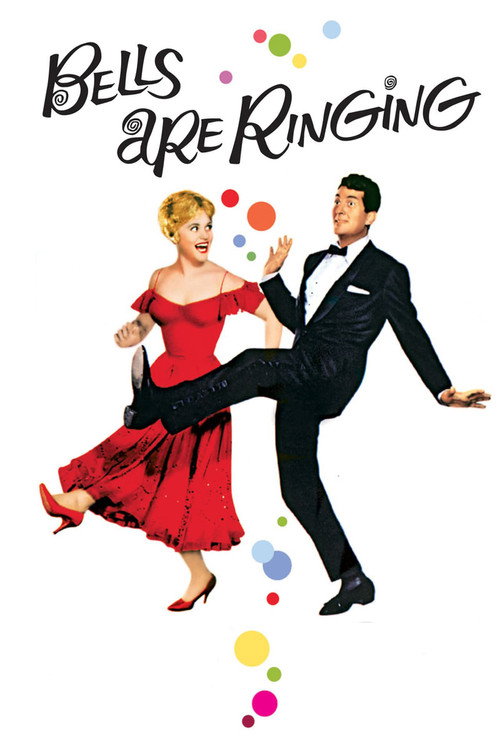
Bells Are Ringing1960
Judy Holliday in her warmth and comedic brilliance, with Betty Comden and Adolph Green's script about human connection in a city. A musical about kindness.
But The romance plot is thin; the film can't quite decide if it's a screwball comedy or a musical romance, and that tonal uncertainty shows.
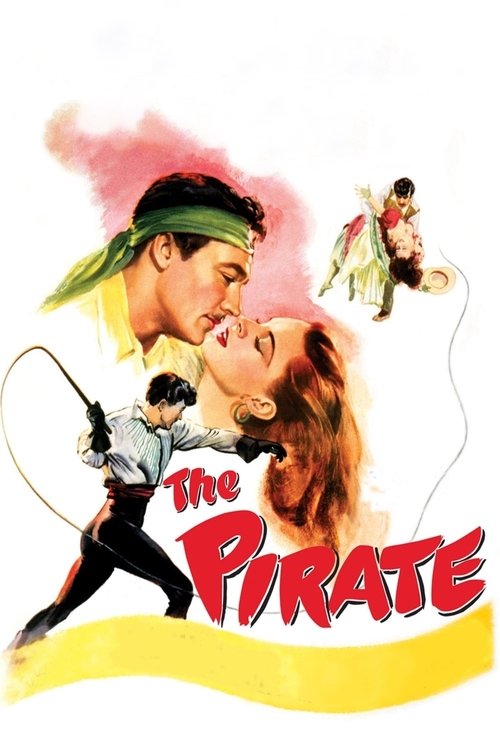
The Pirate1948
An underrated gem: Judy Garland and Gene Kelly in pure theatrical abandon, with dance and comedy and a willingness to be weird that prefigures later Hollywood.
But It flopped on release; the tone is deliberately artificial and stagey, which not everyone enjoys; the pacing can feel scattered.
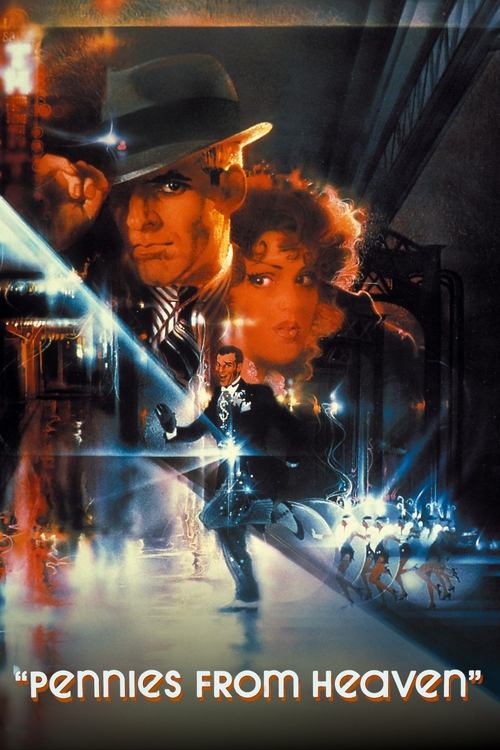
Pennies from Heaven1981
Takes the Minnelli principle—that a musical number can express the inner life—and applies it to desperation and adultery instead of joy. Same engine, opposite destination.
Herbert Ross directed, but this Depression-era drama about a sheet-music salesman uses musical sequences as windows into desire and escape—the Minnelli idea in a darker key, with Steve Martin and Bernadette Peters.
But It's grim and sexually frank; the tonal shifts between dialogue and fantasy sequences disturb some viewers; it was a commercial disaster.
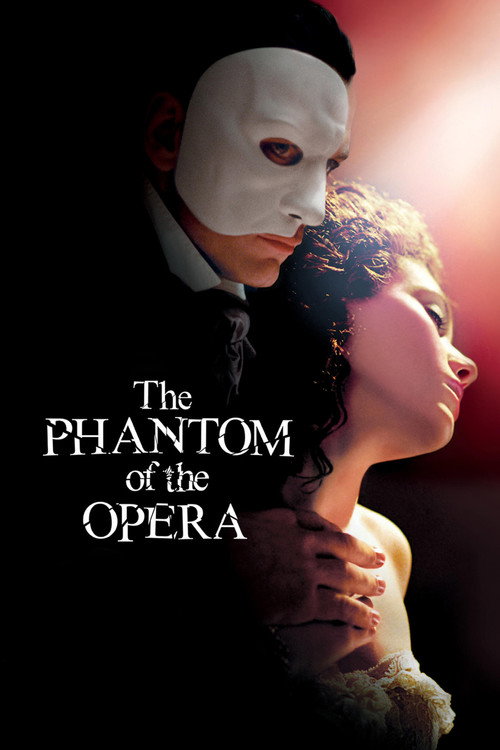
The Phantom of the Opera2004
Where Minnelli used design to clarify emotion, this uses it to overwhelm. It's Minnelli's visual obsession without his restraint—a wildcard because it's what happens when the philosophy goes too far.
Joel Schumacher's baroque, often-mocked version is visually overstuffed in ways that echo Minnelli's maximalism: every frame designed, every color chosen, production design as character. If you love Minnelli, you may love this precisely because others don't.
But Most people find it ugly and overwrought; the Gerard Butler performance is frequently criticized; it's aggressively of its moment in ways that date it badly.
People
Cast
 Cliff RobertsonNarrator (voice)
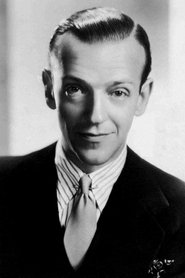 Fred AstaireSelf (archive footage)
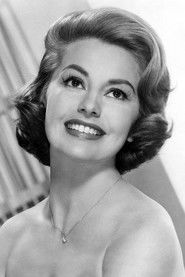 Cyd CharisseSelf (archive footage)
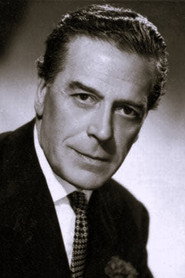 Jack BuchananSelf (archive footage)
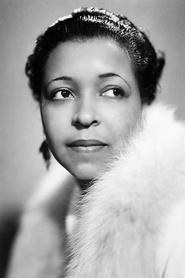 Ethel WatersSelf (archive footage)
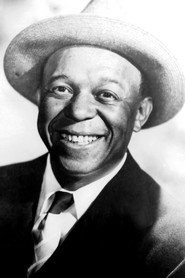 Eddie 'Rochester' AndersonSelf (archive footage)
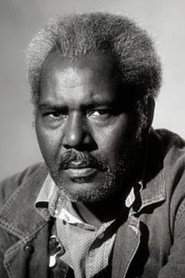 Rex IngramSelf (archive footage)
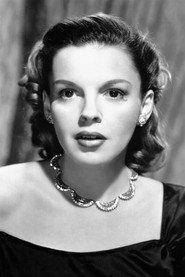 Judy GarlandSelf (archive footage)
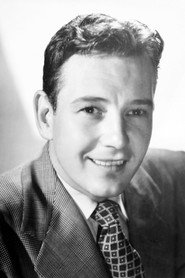 Tom DrakeSelf (archive footage)
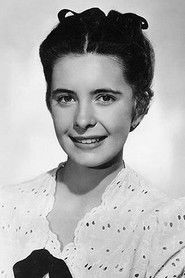 Margaret O'BrienSelf (archive footage)
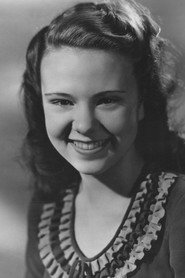 Joan CarrollSelf (archive footage)
Directing
- Richard SchickelDirector
Writing
- Richard SchickelWriter
Production
- Myrna GreenfieldAssociate Producer
- Richard SchickelProducer