
Film
The Dark Side of Chocolate
- White-collar crime
- Very dark
A bracing investigation into child labour and human trafficking in Ivory Coast cocoa plantations that feed the global chocolate industry. Using hidden cameras and on-the-ground reporting, it follows journalists as they interview workers, traffickers, and industry figures. Difficult viewing that transforms how you think about everyday consumption.
Should you watch it?
Watch it if you want investigative reporting that goes into the field with a hidden camera and lets the people defending the industry speak at length, even when their answers are uncomfortable.
Skip it if you want a broad survey of the chocolate trade's history or a film that lingers, this pointed, brisk investigation may feel too narrow and too fixed on one argument.
What it asks of you: Under an hour, it is brisk and unvarnished, with the grim material delivered plainly and little room for breathing space.
Not sure? Find tonight's pick in a minute.
If you liked this
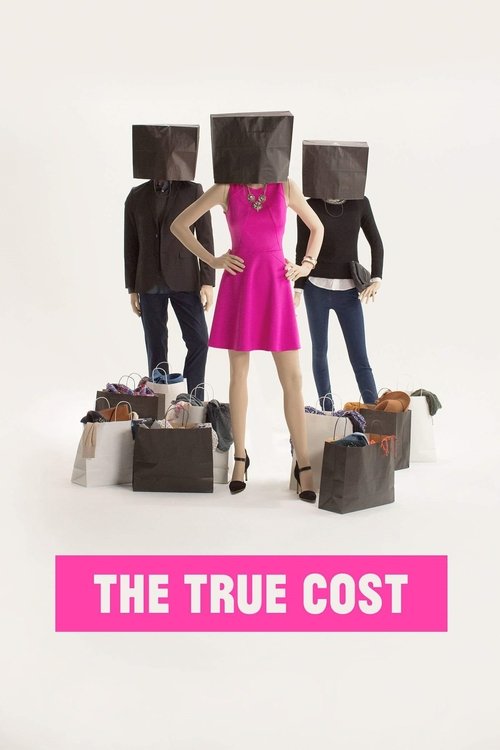
The True Cost2015
An unflinching look at fast fashion's human toll in Bangladesh and beyond. Like Dark Side, it traces comfortable Western consumption back to exploitation, with clear testimony from workers and manufacturers.
But Long and deliberately paced. It accumulates dread rather than offering catharsis, which can feel overwhelming.
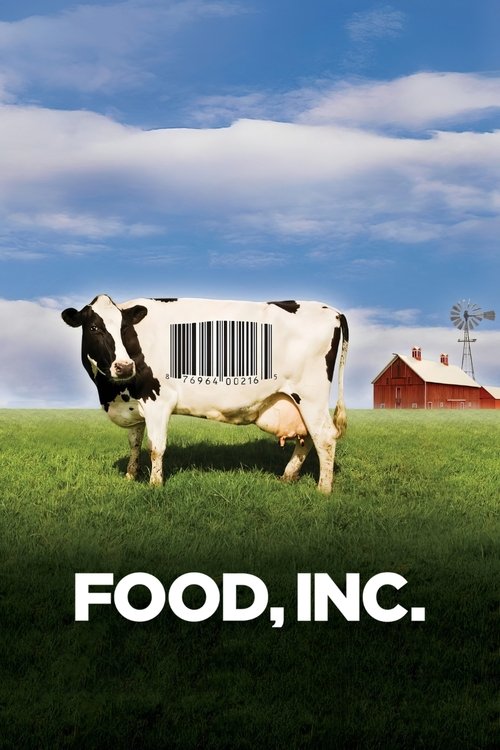
Food, Inc.2008
Exposes industrial food production's cruelty and deception with sharp editing and compelling interviews. Same investigative energy as Dark Side, but broader scope and slightly more digestible for first-time viewers.
But Some segments feel dated now. The solutions offered can feel thin given the scale of the problems identified.
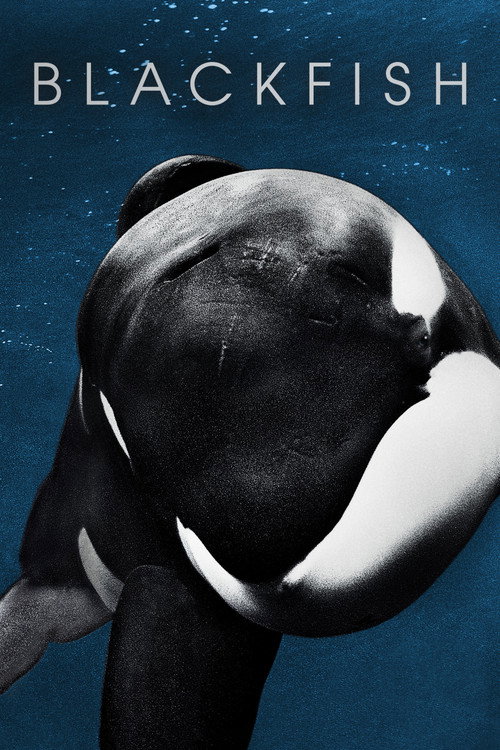
Blackfish2013
Investigates SeaWorld's treatment of orcas using archive footage and survivor testimony. Combines hidden camera revelation with emotional weight, building the same case that comfortable entertainment comes at an unacceptable cost.
But Its central argument has been contested by marine biologists. Some will find the emotional framing manipulative rather than persuasive.
Not sure tonight? Get a pick in a minute, starting from The Dark Side of Chocolate
The wildcard
Something you would not have found on your own.
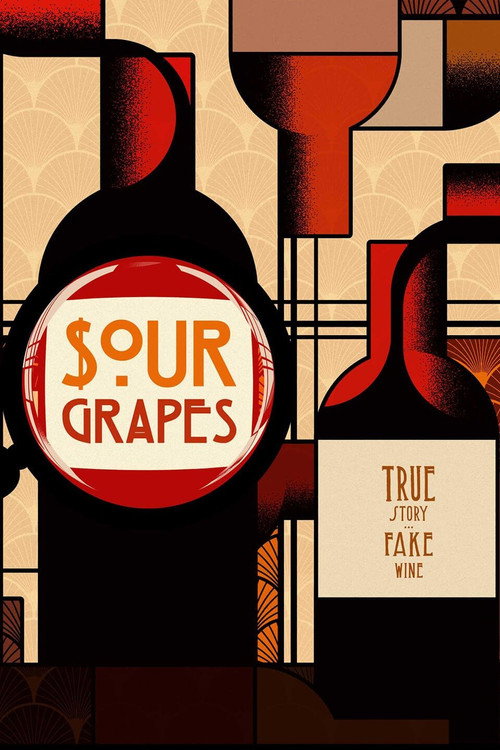
Sour Grapes2016
Both investigate deception in luxury consumer goods; Dark Side makes you suspicious about chocolate's origin story, Sour Grapes shows how easily luxury items are faked or misrepresented.
A con man sells fraudulent wine for millions. Wildly entertaining true-crime thriller that investigates how we're deceived about what we consume. Like Dark Side, it exposes the gap between what we think we're buying and what we actually are.
But It's comedic, almost a caper. If you want moral weight and serious tone throughout, this will feel trivializing by comparison.
More like this (7)
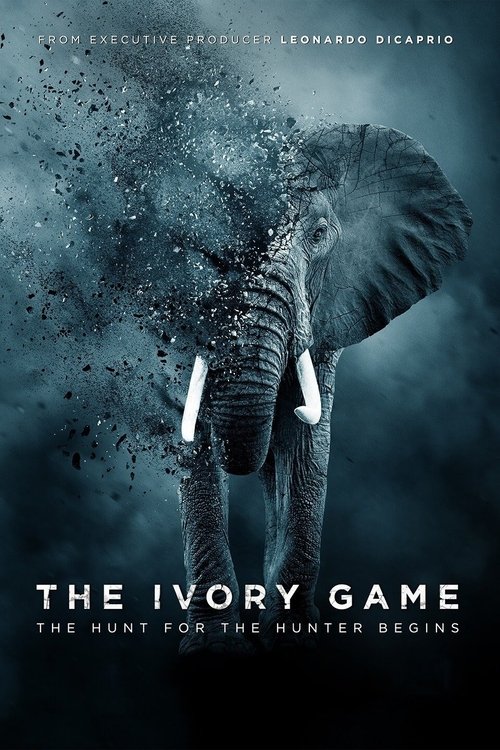
The Ivory Game2016
Follows conservationists fighting elephant poaching in Africa. Shares Dark Side's on-the-ground reporting and interviews with both sides, though it tilts toward hope and activism rather than outrage.
But Glossier production than Dark Side. Some find its conservation narrative too simplified about complex local economics.
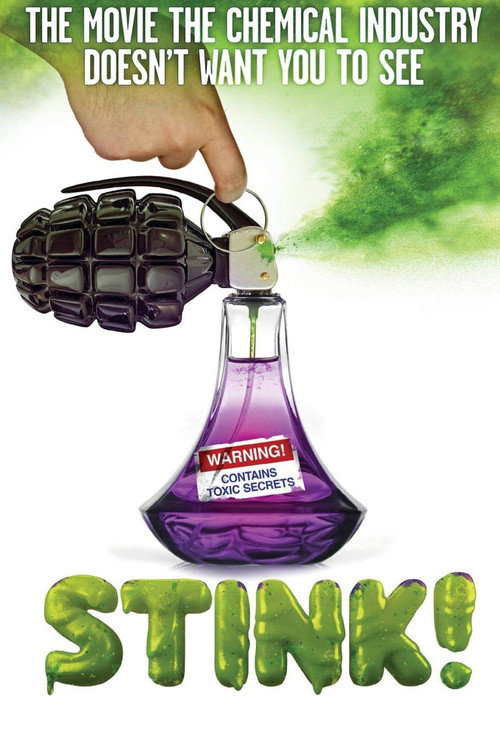
Stink!2015
A former costume designer investigates toxic chemicals in children's clothing. Lighter in tone than Dark Side but identical in structure: amateur becomes expert, traces the supply chain, confronts industry.
But The protagonist's journey can feel a bit sitcom-like. Doesn't match Dark Side's gravity or investigate trafficking, just chemical hazards.
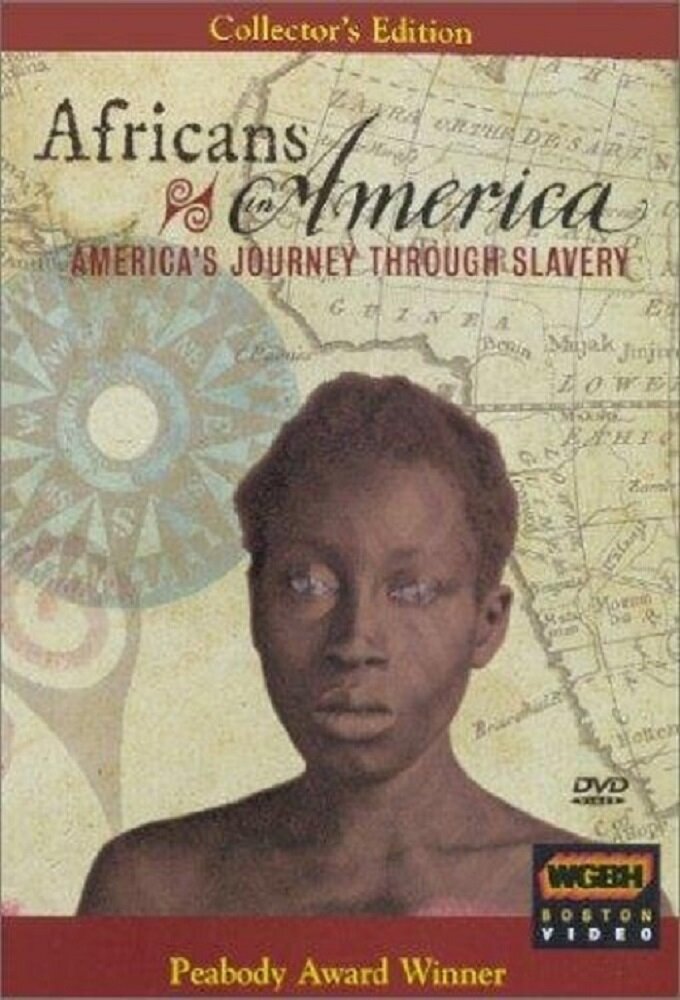
Africans in America: America's Journey Through Slavery1998
A BBC documentary series examining modern slavery across coffee, cocoa, electronics and fishing. Broader than Dark Side but covers chocolate extensively with the same hidden-camera reporting style.
But Multi-part format means commitment. Some episodes are stronger than others, and pacing varies.
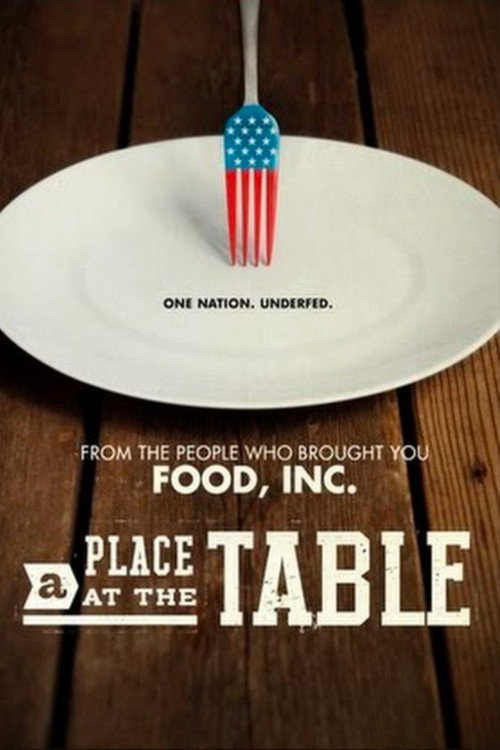
A Place at the Table2012
Examines American food insecurity and agricultural policy. Less about exploitation than Dark Side but shares its approach: following real people, tracing systems, making invisible suffering visible.
But American focus may feel less urgent than global supply-chain issues. Some political arguments are debatable rather than documented.
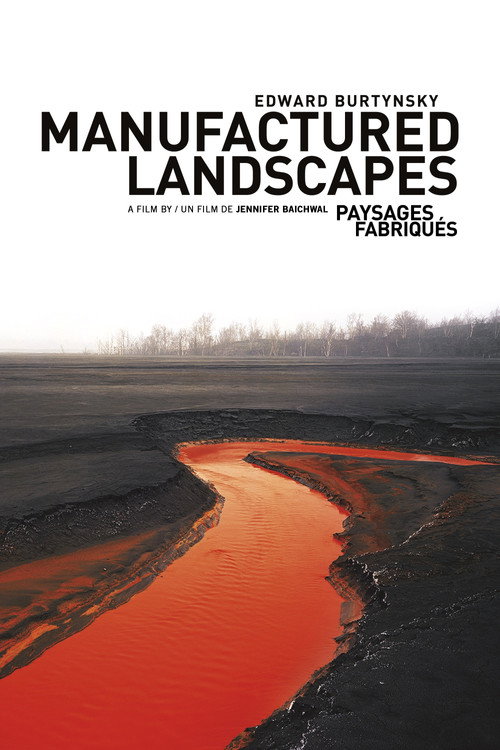
Manufactured Landscapes2006
Documents industrial manufacturing's environmental devastation through stunning photography. Wider lens than Dark Side but same core idea: your stuff comes from somewhere, and that somewhere is being destroyed.
But Minimal narration means you're interpreting images rather than being guided. Can feel like a gallery piece rather than journalism, which some find frustrating.
The Act of Killing2012
Both use interviews with perpetrators as their primary investigative tool; both trust the audience to draw moral conclusions from what they see rather than being told what to think.
An extraordinary documentary where the filmmaker interviews Indonesian death squad leaders and lets them recreate their killings. Completely different subject, but shares Dark Side's method of confronting perpetrators on camera and extracting uncomfortable truth through their own words.
But Emotionally harrowing in ways Dark Side isn't. The filmmaker's refusal to judge directly will frustrate those who want clear moral condemnation.

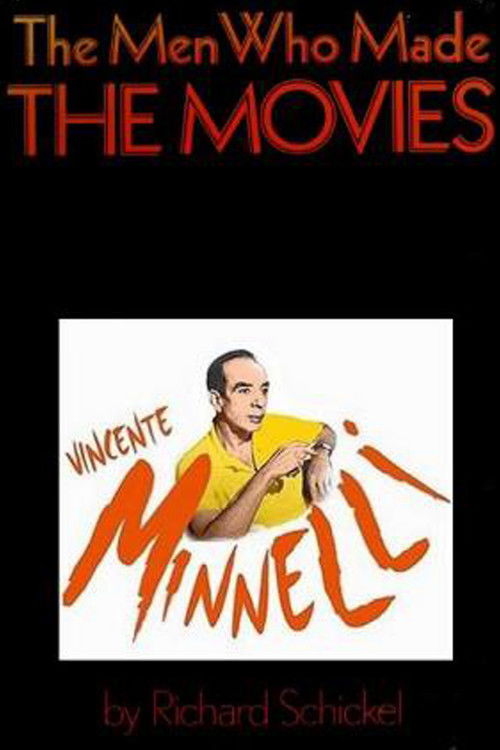
The Men Who Made the Movies: Vincente Minnelli1973
Both are essentially long-form interviews with subjects defending their choices; Dark Side uses the form to expose complicity, this one to explore artistic intention, but the mechanism is identical and oddly intimate.
A 1970s interview series where renowned directors discuss their craft. Completely different register, but the same investigative spirit: finding the person responsible and asking them to explain themselves. Older and stranger than you'd expect, watching someone defend their own decisions.
But Not a systematic investigation; it's mostly directors praising themselves. Requires patience for 1970s-pace television. No obvious connection to chocolate at first glance.
People
Directing
- Miki MistratiDirector
- U. Roberto RomanoDirector