
Film
Smile
Other titles called Smile: the 2022 film.
- Comedy
- Light-hearted
Smile is a 1975 satirical comedy about the behind-the-scenes chaos of a California beauty pageant. It's an ensemble film with documentary-like attention to detail, capturing the delusions, ambitions, and small heartbreaks of contestants, parents, and organizers. Funny, acidic, and genuinely interested in its characters' inner lives—it's for people who find dark comedy in American earnestness.
Should you watch it?
Watch it if you like gentle satire of earnest ambition, where characters who mean well keep tripping over their own vanity, and observation matters more than punchlines.
Skip it if you want brisk plotting or sharp jokes, since this drifts across many loosely linked threads and its humor is more amiable than cutting.
What it asks of you: Expect leisurely pace over nearly two hours with lots of chatter and character detail, and a tone that stays light even when people are being unkind to each other.
Not sure? Find tonight's pick in a minute.
If you liked this
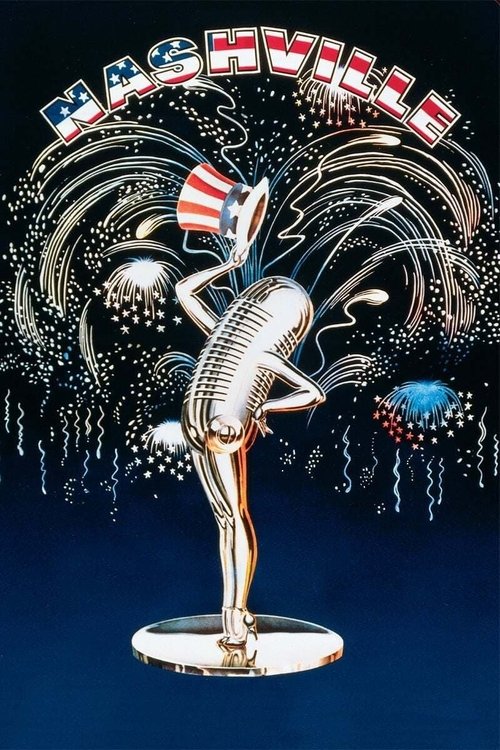
Nashville1975
Altman's masterpiece uses overlapping stories and an ensemble cast to dissect American ambition, spectacle, and the pursuit of meaning in a chaotic system. Like Smile, it trusts you to find the humor in the collision of different people's earnestness.
But It's 159 minutes, deliberately messy in structure, and ends on a note of genuine unease rather than catharsis. The tone resists being pinned down.
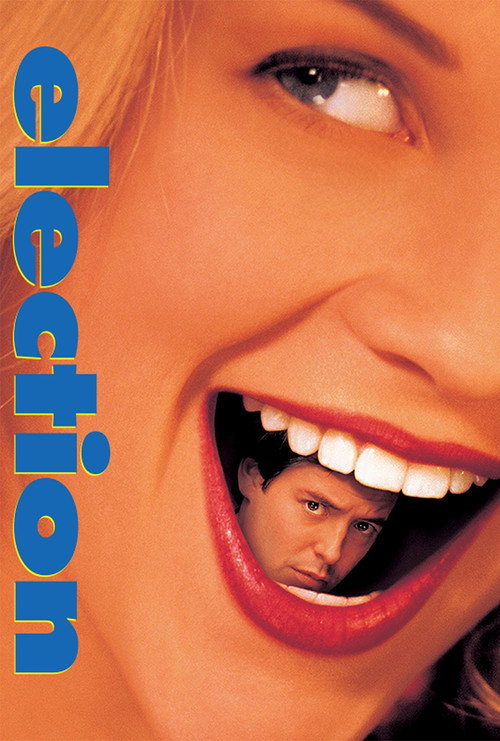
Election1999
Alexander Payne's savage comedy about a high school election uses the same machinery—competition, self-delusion, adults taking ridiculous things very seriously—but with sharper dialogue and a more modern bite. Both find comedy in aspiration without mocking the aspirants.
But Matthew Broderick's character is almost unbearably pathetic, and the film doesn't let you off the hook for enjoying his humiliation. It's mean in ways that might sting.
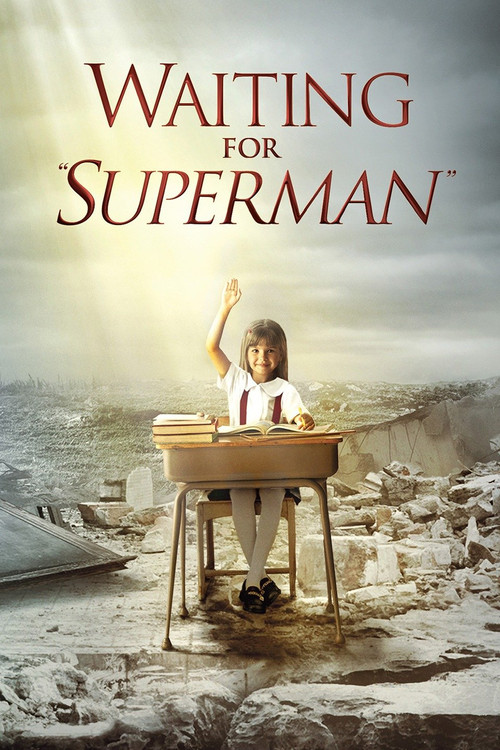
Waiting for "Superman"2010
Not a comedy, but it shares Smile's interest in American institutions that promise transformation—here, charter schools instead of pageants. Both are fascinated by what we believe in and what that says about us. The structure is similarly patient and observational.
But It's a documentary polemic, so it has a thesis it's pushing. And it can feel like watching something important rather than something fun.
Not sure tonight? Get a pick in a minute, starting from Smile
The wildcard
Something you would not have found on your own.
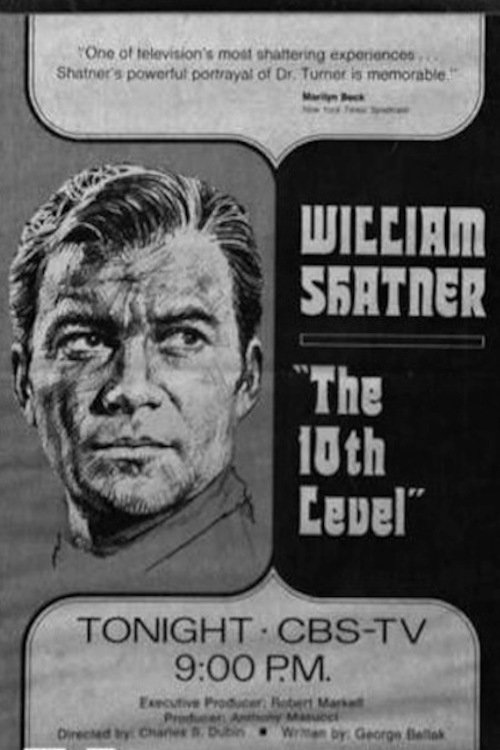
The Tenth Level1976
Both use American competition and hierarchy—beauty pageants vs. scientific authority—to expose how we rationalize participation in systems that degrade us.
William Shatner in a TV movie dramatizing the Milgram obedience experiments. It shares Smile's fascination with how ordinary people become complicit in systems, and how blind obedience to authority creates absurdity. Both are interested in the banality of wrongdoing.
But It's a dated TV movie with a message, and the direction is as heavy-handed as the premise. The dramatic intent overwhelms any subtlety.
More like this (7)
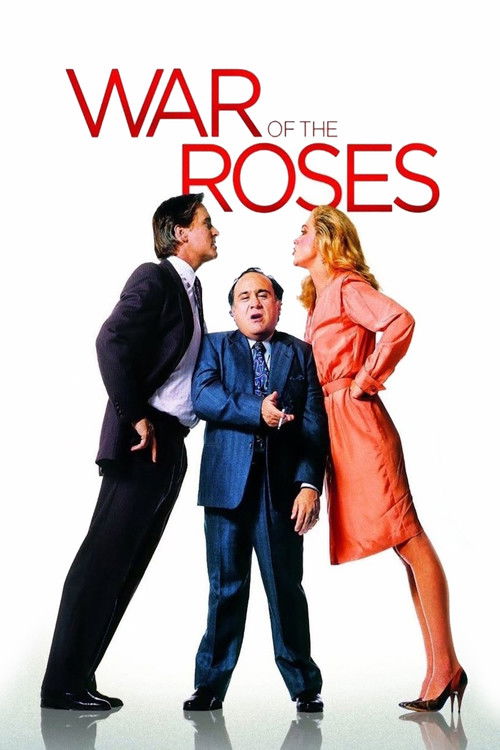
The War of the Roses1989
Michael Douglas and Kathleen Turner in a dark comedy about marriage falling apart. Brenda's unhappiness in Smile finds its dark mirror here: the film is equally interested in how partnerships corrode, even when both people are trying.
But It veers into genuine nastiness—domestic violence played for laughs—which lands very differently in 2024 than it probably did in 1989.
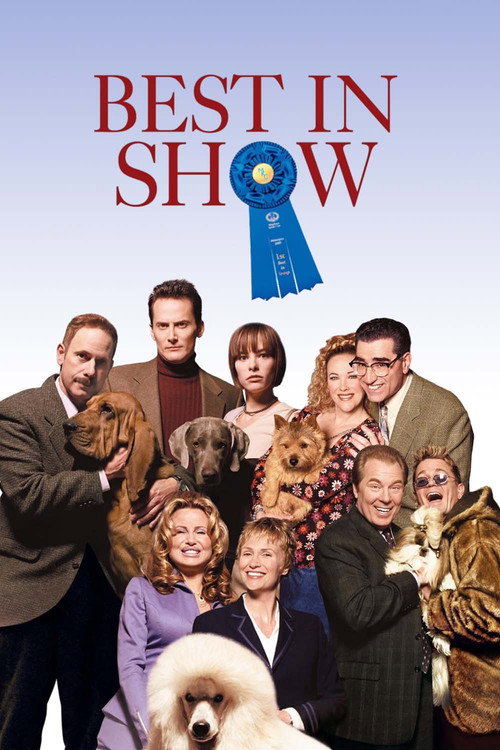
Best in Show2000
Christopher Guest's mockumentary about a dog show uses the same love of eccentric ensembles and competitive rituals. The comedy comes from taking absurd stakes seriously and letting you see why people care so much.
But It's very broad, very silly, and relies on character actors doing committed comedy. If you don't like mockumentary conventions, you'll find it grating.
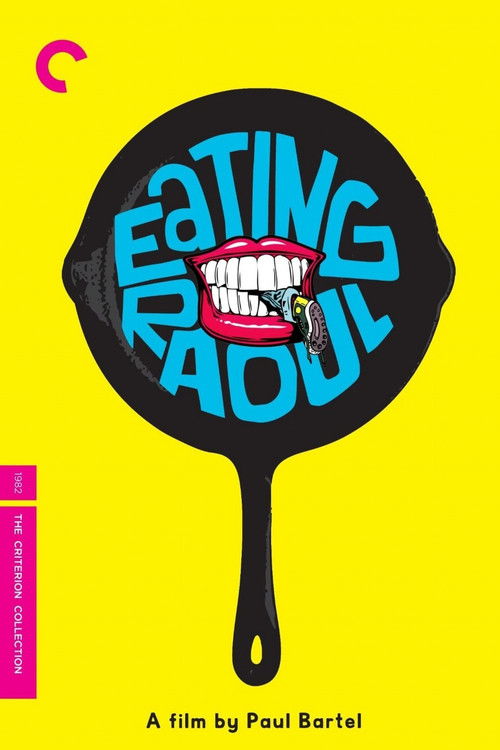
Eating Raoul1982
A cult comedy about a prudish couple who murder swingers for profit. It's aggressively weird and willing to find humor in the collision between suburban repression and moral chaos—a darker cousin to Smile's interest in what lurks beneath normality.
But It's genuinely transgressive and quite crude. It's a film made for people who like being unsettled by comedy.
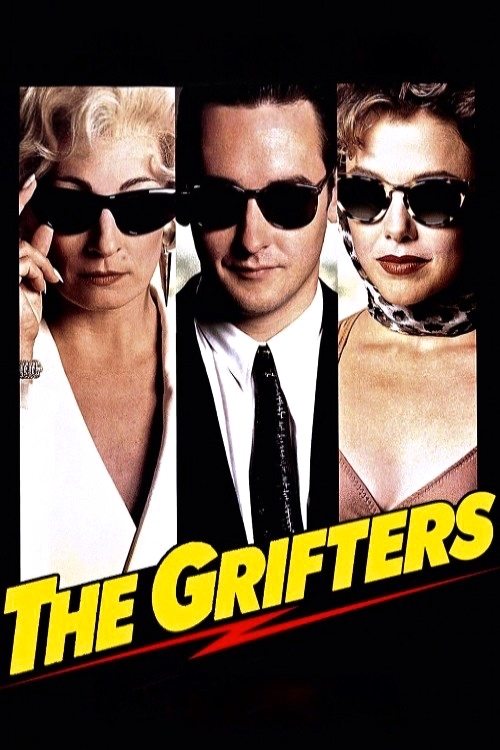
The Grifters1990
Frears's adaptation is a crime film masquerading as a character study. Like Smile, it's fascinated by performance, self-deception, and the gap between who people pretend to be and who they are. Everyone's running a con.
But It's bleak and has no sympathy for anyone in it. There's no warmth here, just clinical observation of greed and manipulation.
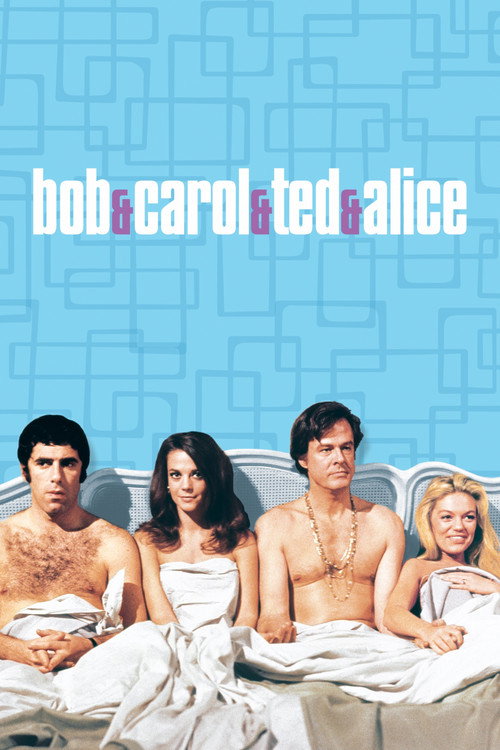
Bob & Carol & Ted & Alice1969
An earlier ensemble comedy about married couples navigating suburban life and expectations. It has Smile's gentle touch with characters who are trying their best, and its interest in how institutions (here, therapy; there, pageants) reveal human nature.
But It's very much a 1969 film—the sexual politics feel dated, and the comedy relies on ideas about marriage and infidelity that don't land the same way.
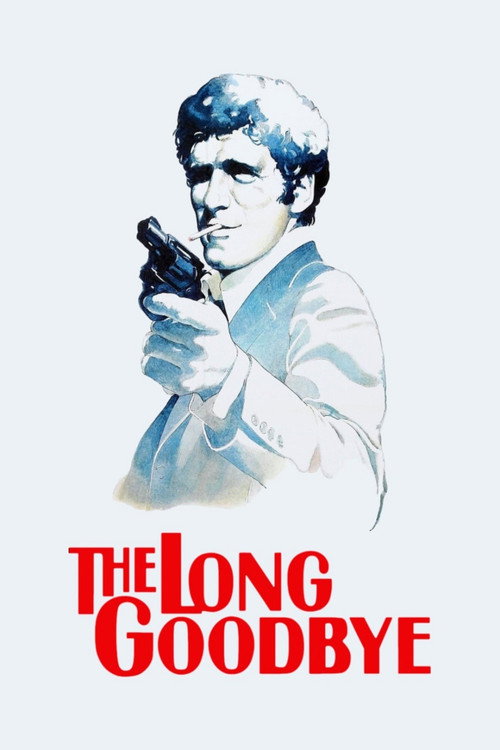
The Long Goodbye1973
Altman again, playing a noir detective story as a comedy of manners. Both films are interested in American rituals and the people who believe in them too hard. Elliot Gould's Marlowe has the same gentle bewilderment as Bob Freelander.
But It's a very loose, associative film that resists plot momentum. Some people find that liberating; others find it frustrating.
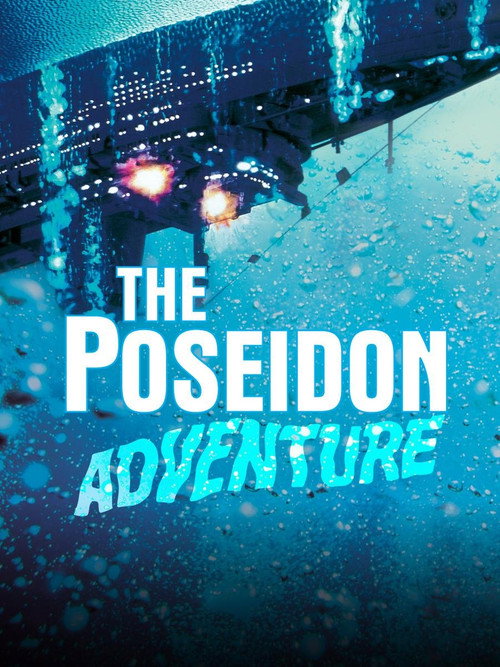
The Poseidon Adventure1972
Both films use large ensembles and competitive or catastrophic situations to reveal character. Where Smile's chaos is social, Poseidon's is physical, but both find the same human truths in the collision.
A disaster film that is, in structure and spirit, a pageant of American types—the cop, the priest, the matron, the young lovers—thrown together by catastrophe. Like Smile, it uses ensemble casting to create a tapestry of American aspiration and resilience. It's also genuinely gripping.
But It's campy in ways that can feel unintentional. The earnestness is there, but so is a layer of 1970s schlock that some people find distracting.
People
Cast
 Bruce DernBig Bob
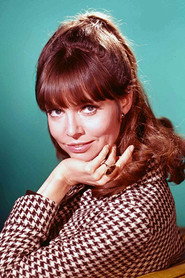 Barbara FeldonBrenda
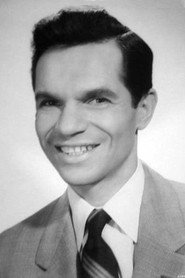 Michael KiddTommy French
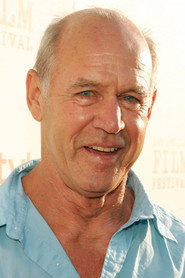 Geoffrey LewisWilson
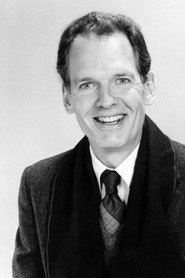 Nicholas PryorAndy
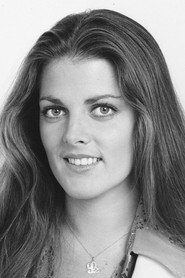 Joan PratherRobin
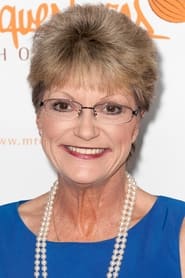 Denise NickersonShirley
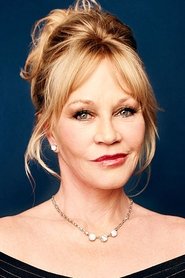 Melanie GriffithKaren
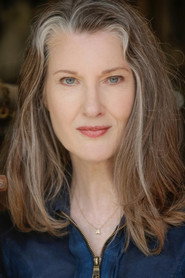 Annette O'TooleDoria
- Maria O'BrienMaria
 Colleen CampConnie
- Caroline WilliamsHelga
Directing
- Michael RitchieDirector
Writing
- Jerry BelsonWriter
Production
- Tim ZinnemannAssociate Producer
- Patricia MockCasting
- David V. PickerExecutive Producer
- Marion DoughertyExecutive Producer
- Michael RitchieProducer