
Film
The Tenth Level
- Social drama
- Very dark
A 1976 TV movie about a psychology professor replicating Milgram's obedience experiments, watching his students inflict escalating electric shocks on (supposedly) helpless subjects in the name of science. It's a quietly horrifying look at how ordinary people become willing instruments of cruelty. For anyone fascinated by the psychology of complicity and moral compromise.
Should you watch it?
Watch it if you are the kind of viewer who wants a moral question kept under a lab lamp, especially one drawn from a real and unsettling experiment rather than a courtroom.
Skip it if the staging is that of a 1970s television movie, so expect talky scenes, modest sets and a pace that rarely quickens, which may feel stagy next to modern drama.
What it asks of you: It asks for patience with long stretches of talk in few rooms, runs about an hour and forty minutes, and keeps its questions open rather than tidy.
Not sure? Find tonight's pick in a minute.
If you liked this
Requiem for a Dream2000
Aronofsky's brutal dissection of how intelligent, well-meaning people rationalize their own destruction. The formal control makes the despair hit harder. Essential for understanding how systems trap us.
But Emotionally devastating in ways that don't resolve. The split-screen technique, while brilliant, can feel relentless and exhausting.

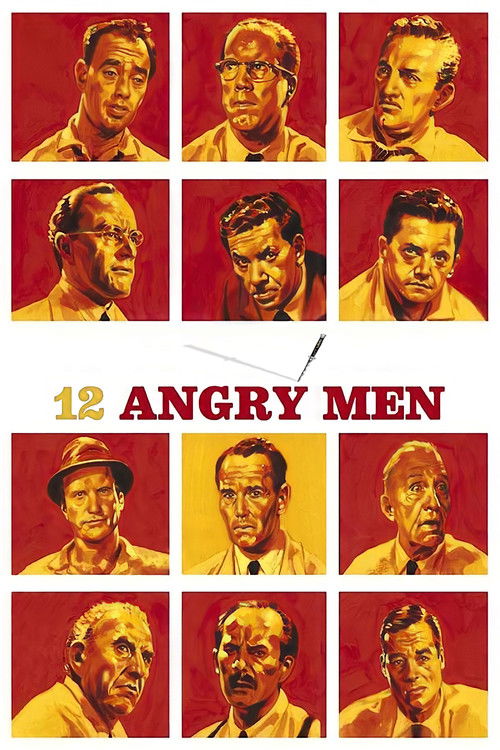
12 Angry Men1957
Lumet's masterclass in how groupthink, social pressure and self-interest corrupt judgment. A man stands alone against eleven others convinced of guilt. The claustrophobia mirrors the laboratory.
But A single room, mostly talking. If procedural argument bores you, the film's structure will feel static.
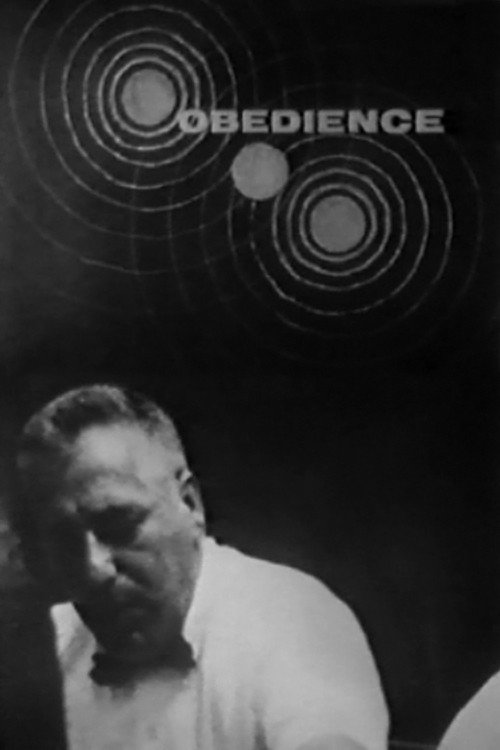
Obedience1962
A short documentary that actually shows the original experiments—the real footage, the real subjects' distress. Watching it happen unmakes the abstraction. Devastating.
But Only 47 minutes long, and the archive quality is grainy. Some may feel it needs more context or analysis.
Not sure tonight? Get a pick in a minute, starting from The Tenth Level
The wildcard
Something you would not have found on your own.
The Act of Killing2012
Both examine the psychology of ordinary cruelty, but The Act of Killing reverses the power: instead of studying those who obey, it asks those who commanded to justify themselves. The laboratory becomes a stage.
A documentary that invites Indonesian death-squad leaders to reenact and aestheticize their own mass murders. Instead of studying obedience in a lab, Oppenheimer watches killers perform their cruelty on camera. The horror is in their pride, their lack of reckoning.
But Three hours long. Graphic violence, not simulated. The ethical stakes of interviewing unrepentant murderers make it genuinely difficult to sit with.

More like this (8)
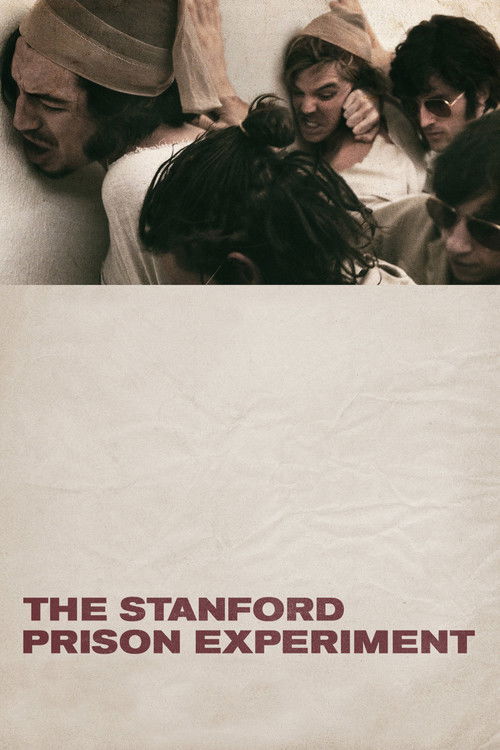
The Stanford Prison Experiment2015
Similar premise (authority, consent, how quickly cruelty takes root), but dramatized rather than documentary. Tense and immediate. Shows how the experiment itself became corrupted.
But The film critiques the study's design more than the original does. If you want psychology played straight, this deconstructs it.
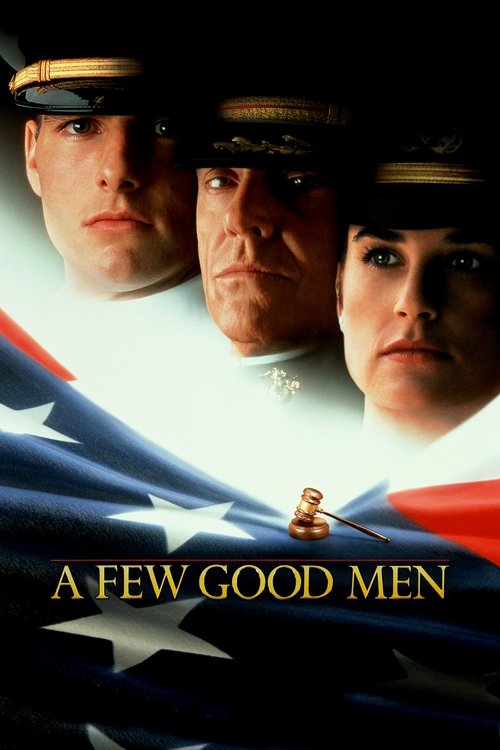
A Few Good Men1992
Military courtroom drama about following orders and institutional loyalty. Sorkin's script cuts between individual conscience and group pressure. The moral stakes are unmistakable and the dialogue sings.
But Mainstream Hollywood; no experimental form or moral ambiguity. It resolves in ways that feel satisfying rather than unsettling.
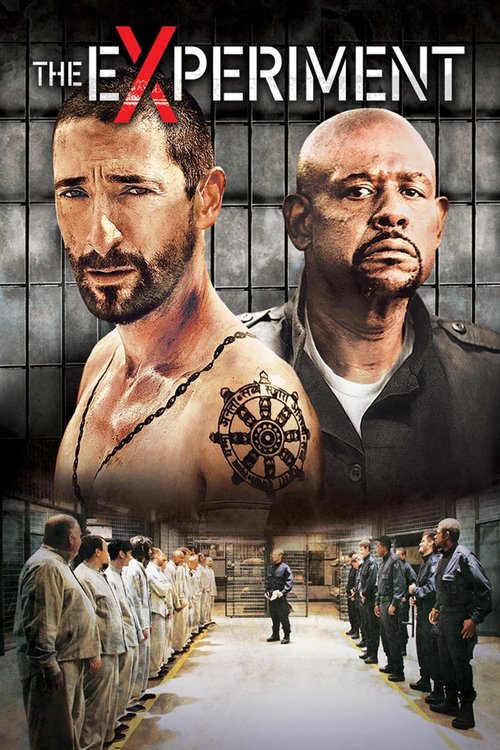
The Experiment2010
A modern remake of a German film about a prison simulation that spirals into genuine violence. Raw and urgent, with no safety net of institutional oversight. Watch how quickly rules become tyranny.
But Graphic brutality; exploitation of the premise sometimes feels cheap. Less interested in psychology than in shock value.
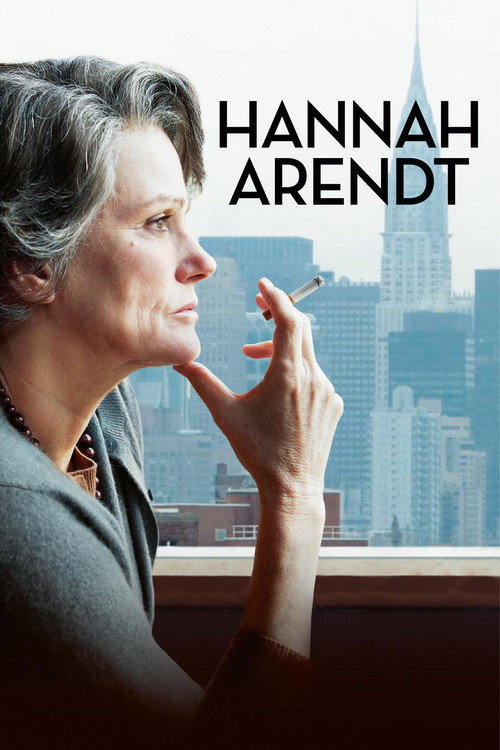
Hannah Arendt2012
Margarethe von Trotta's film about the philosopher watching Eichmann's trial and developing her theory of the 'banality of evil.' Intellectual and urgent. Arendt's unflinching gaze is the film's engine.
But Talky and philosophical. If you want plot momentum or action, you will find neither.
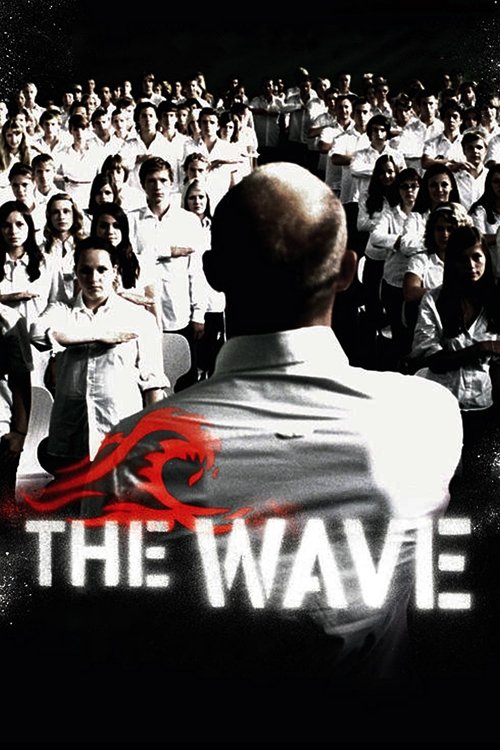
The Wave2008
German drama about a high school teacher's authoritarian experiment that gets too real, too fast. Terrifyingly plausible. Shows how seductive belonging to a movement can be, even when you can see it happening.
But Some argue the film simplifies its own story. The ending feels designed rather than earned by the logic of the narrative.
Compliance2012
A woman convinces a fast-food manager to strip-search an employee over the phone, claiming to be a cop. It sounds absurd until you watch it happen. Real-event basis makes it obscene. Studies authority and shame.
But Intentionally repellent. The social humiliation is drawn out and graphic. Many will find it unwatchable by design.

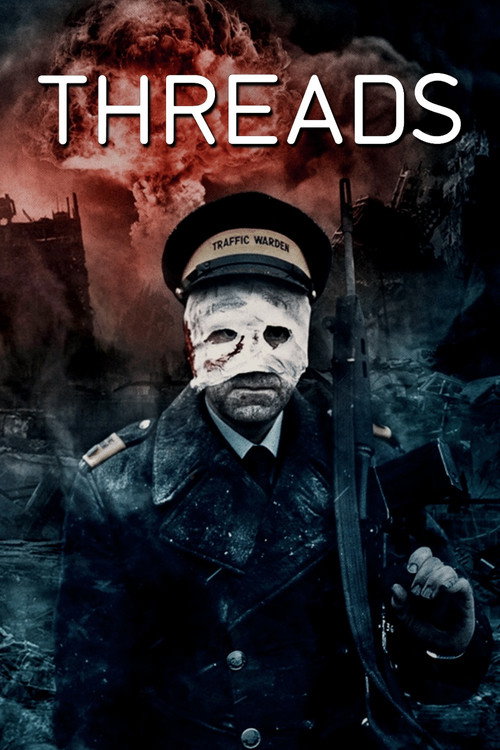
Threads1984
Both assume that ordinary people are capable of enduring extraordinary harms if the authority structure demands it. The Tenth Level asks it in a lab; Threads asks it on a national scale and shows the answer.
A BBC nuclear-war docudrama that treats apocalypse with no Hollywood softening. Follows ordinary people—a middle-class couple, factory workers, schoolchildren—through nuclear winter. It's a Milgram experiment stretched across civilization: what do people become when systems collapse?
But British 1980s TV production values look cheap now. The bleak provincial English setting will feel claustrophobic. No catharsis, no hope, no reason to feel better afterward.
Stalker1979
Both explore the psychology of trust and submission. Milgram's subjects follow authority because a man in a lab coat tells them to. Tarkovsky's characters follow the Stalker because he believes in something invisible. Different structures, same question: why do we consent to be led?
Tarkovsky's hypnotic science-fiction film about a guide leading two men through a mysterious Zone toward a wish-granting room. Philosophical, slow, visually overwhelming. Not about obedience but about faith—why we follow leaders into unknown territory, what we're willing to sacrifice.
But 160 minutes of meditative pacing. Almost no plot. Russian cinema from 1979; the image quality is soft, the rhythm glacial. Requires patience that most viewers will not have.

People
Cast
 William ShatnerProf. Stephen Turner
 Lynn CarlinBarbara
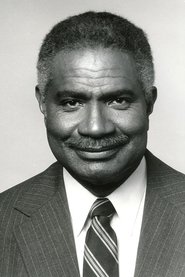 Ossie DavisReed
 Viveca LindforsMrs. Schnagel
 Estelle ParsonsCrossland
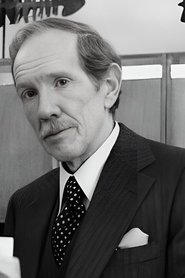 Roy PooleDr. Goodman
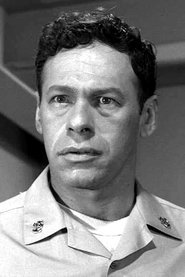 Mike KellinMancuso
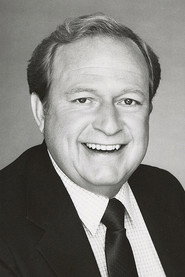 Richard McKenzieMr. Dennison
 Fred J. ScollayDr. McBride
 Stephen MachtDahlquist
 Lindsay CrouseKaren
 Charles WhiteHarry Vogel
Directing
- Rowland VanceAssistant Director
- Charles S. DubinDirector
Writing
- George BellakWriter
Production
- George BellakAssociate Producer
- Bob MarkellExecutive Producer
- Tony MasucciProducer
- Al RosenProduction Supervisor
Recommended by
Smile, La Belle Époque, Bug, Blue Sunshine, Pressure Point, 200 Cigarettes, The Magic Flute, Windigo