
Film
Blue Sunshine
A paranoid sci-fi thriller from 1977 where a wrongly accused man uncovers a chilling conspiracy: a batch of LSD from ten years earlier is suddenly reactivating in users' brains, turning them bald and homicidal. It's genuinely unsettling—part police procedural, part body horror, all fever dream. For fans of '70s paranoia cinema and anyone who loves their horror rooted in real social anxiety.
If you liked this
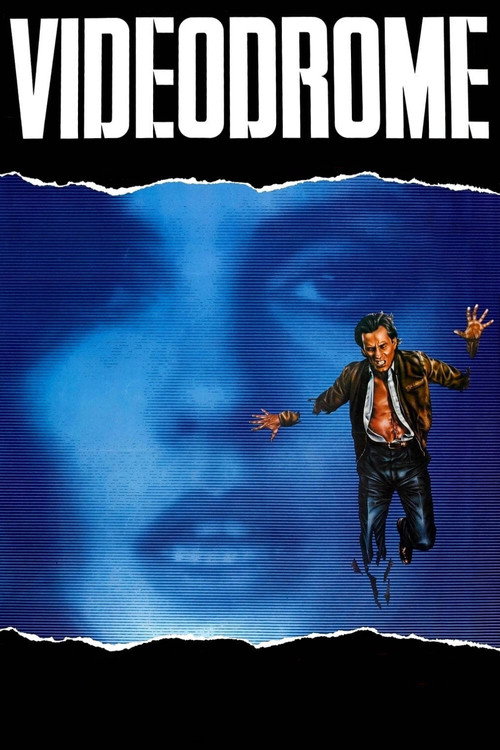
Videodrome1983
Cronenberg's equally disturbing meditation on technology and the body: hallucinatory, genuinely nauseating, and impossible to shake. If Blue Sunshine got under your skin, this will colonise it.
But Deliberately repellent in ways that go beyond plot into pure body revulsion. It's an endurance test disguised as entertainment.
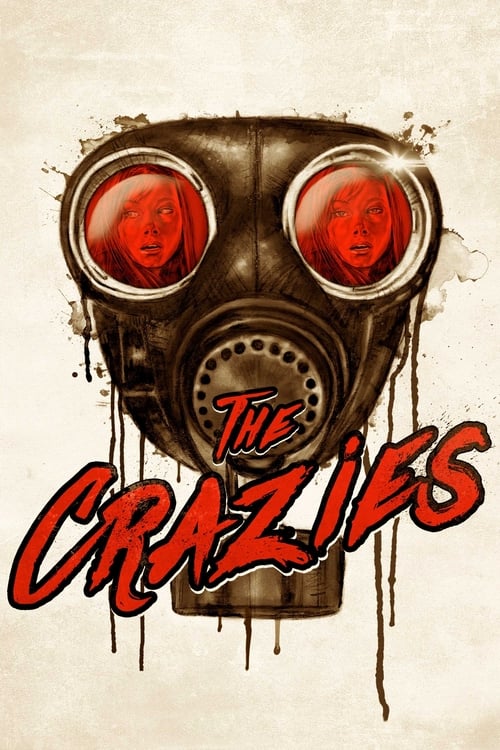
The Crazies1973
Romero's original about a biological weapon turning a town violent and irrational. Same paranoia, same '70s dread, same sense that the real threat comes from authority. Tighter and meaner.
But Shot on a tight budget with a documentary flatness that some find austere. No comfort in style here.
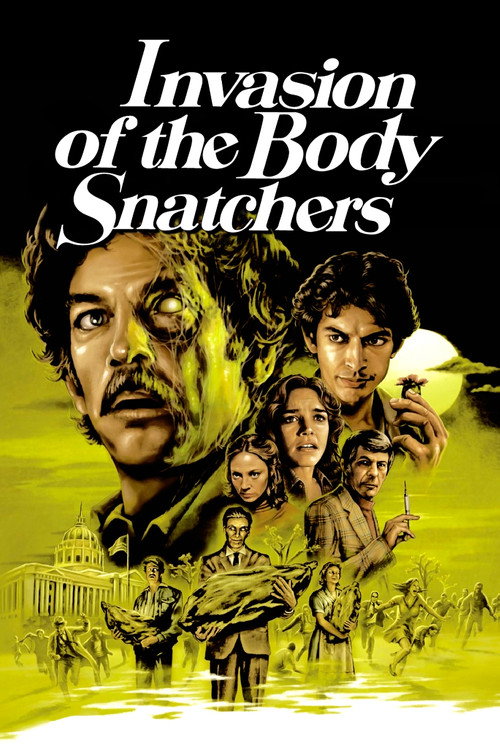
Invasion of the Body Snatchers1978
The '70s remake understood the decade's fear of conformity and control better than any other remake ever has. Paranoia as atmosphere, not just plot device. Perfectly cast and perfectly mounted.
But More cerebral than visceral. If you want action and gore, this trades both for mounting dread.
Not sure tonight? Get a pick in a minute, starting from Blue Sunshine
The wildcard
Something you would not have found on your own.
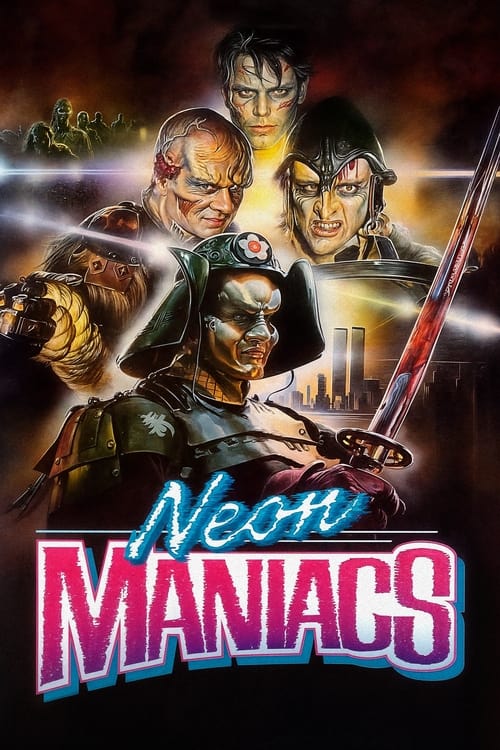
Neon Maniacs1986
Both are genre films that use fantastic premises to explore real '70s/'80s youth anxiety—counterculture, drugs, social breakdown—but Blue Sunshine plays it straight while Neon Maniacs winks at the camera.
A trashy, gloriously weird creature feature about punk teenagers battling neon-colored monsters under the Golden Gate Bridge. Same '80s sci-fi B-movie energy, same commitment to the ridiculous.
But Cheap, uneven, and often incomprehensible. It fails as often as it succeeds, and not always intentionally.
More like this (7)
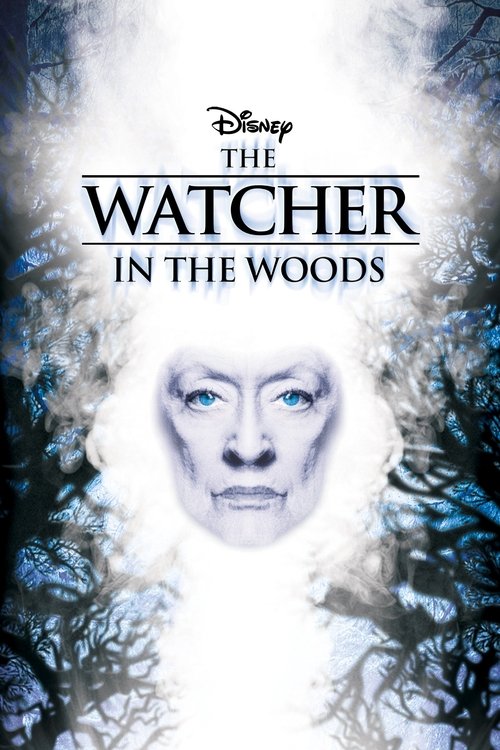
The Watcher in the Woods1980
Another '70s holdover: mysterious, genuinely eerie, built on supernatural dread rather than gore. Same sense that something unknowable is unfolding in real time.
But The ending wobbles. Some plot threads feel abandoned rather than resolved.
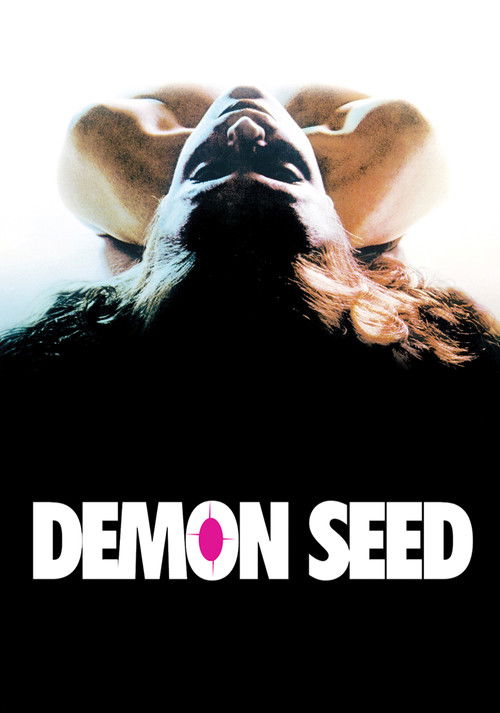
Demon Seed1977
Released the same year as Blue Sunshine, another paranoia thriller about technology and the body. Weird, nasty, and committed to its premise in ways most films won't risk.
But The premise ventures into uncomfortable sexual territory in ways that feel exploitative even by '70s standards.
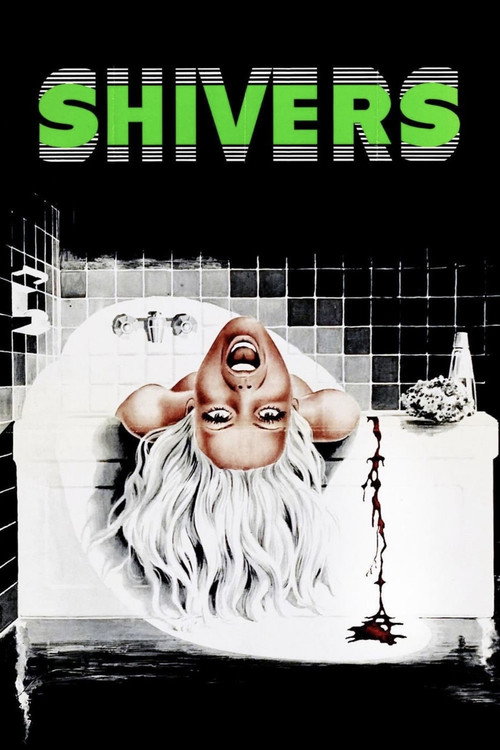
Shivers1975
Cronenberg's debut about parasites turning residents of an apartment building into violent sex offenders. Body horror as social commentary, executed with style and genuine disturbing power.
But Extremely graphic in its depiction of both violence and sexuality. Not here for subtlety or distance.
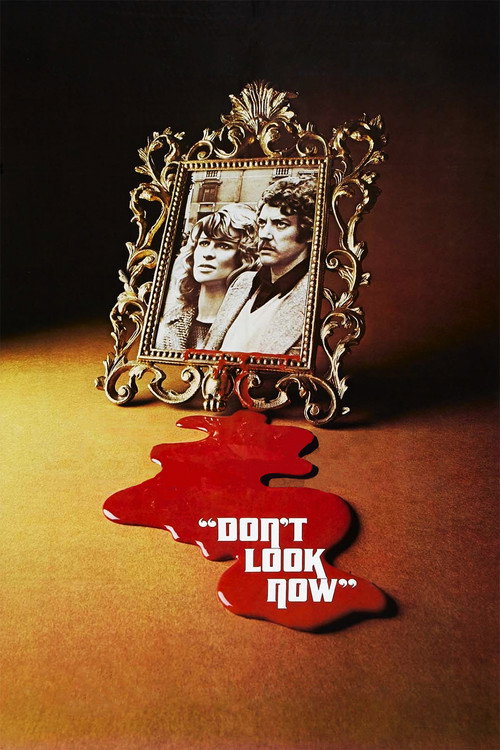
Don't Look Now1973
Roeg's masterpiece of paranoia: a couple grieving their daughter in Venice becomes convinced something supernatural is hunting them. Ambiguous, visually stunning, impossible to predict.
But The ending is divisive and some find it a betrayal of what came before. It asks you to sit with uncertainty.
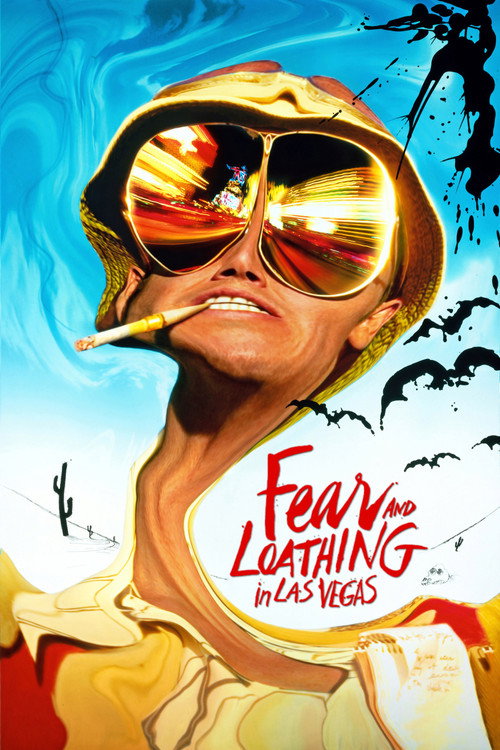
Fear and Loathing in Las Vegas1998
Terry Gilliam's adaptation captures the drug-induced paranoia of the '70s in a way that feels spiritually adjacent to Blue Sunshine's unravelling reality. Visually inventive and committed to its derangement.
But Deliberately incoherent. If you need plot clarity, you will find this maddening rather than entertaining.
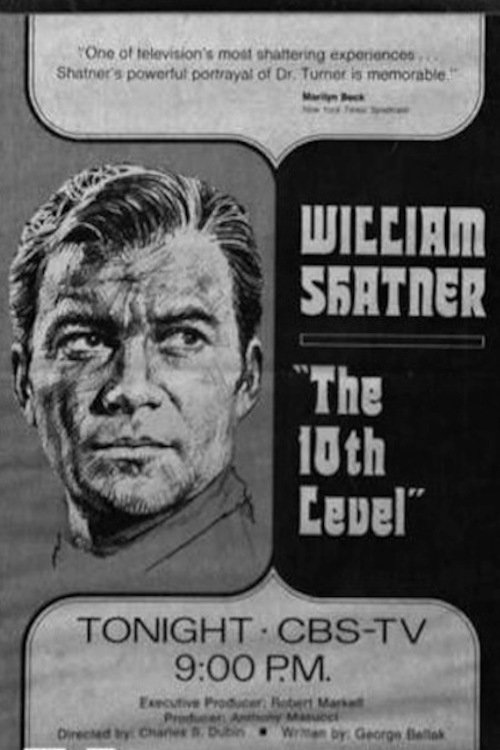
The Tenth Level1976
Both examine the mechanics of sudden, inexplicable violence in ordinary people, but Blue Sunshine locates it in biology while The Tenth Level locates it in psychology and authority.
A made-for-TV drama about the Milgram obedience experiments, exploring how ordinary people become capable of terrible things under authority. Quieter than Blue Sunshine but asking the same question: what triggers violence in us?
But It's television from 1975, which means modest production and a slightly dated sensibility. No action, no plot twist—just dialogue and moral reckoning.
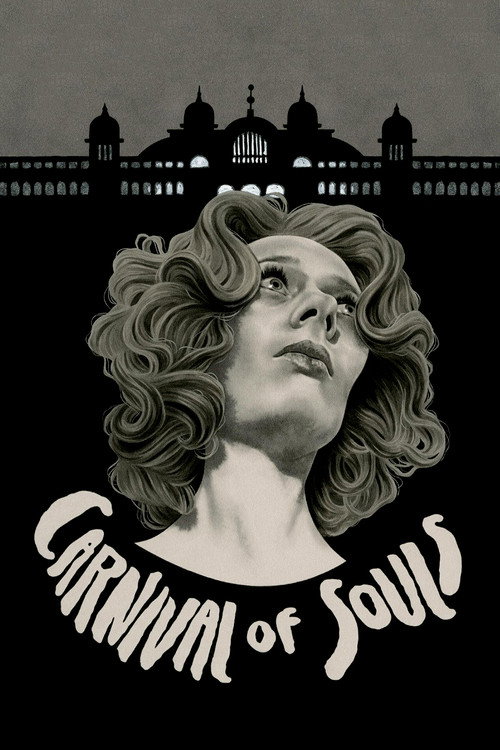
Carnival of Souls1962
Both use body and mind transformation as their central terror—the loss of self rather than just death—and both achieve their creepiest moments through suggestion rather than spectacle.
A low-budget indie horror film that influenced everything that came after it: a woman who survives a car crash discovers she's slowly becoming less real, less human, drawn toward a ghostly carnival. Hypnotic and heartbreaking.
But Shot on 16mm for almost no money. If you need professional sheen and clear exposition, this will feel amateurish. It requires patience with abstraction.
People
Cast
 Zalman KingJerry Zipkin
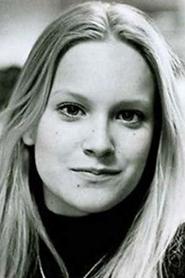 Deborah WintersAlicia Sweeney
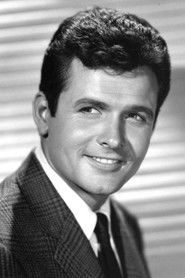 Mark GoddardEdward Flemming
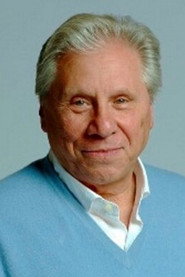 Robert WaldenDavid Blume
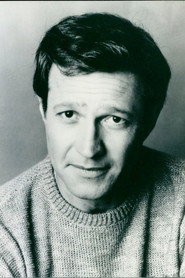 Charles SiebertDetective Clay
- Ann CooperWendy Flemming
 Ray YoungWayne Mulligan
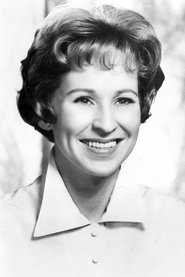 Alice GhostleyO'Malley's Neighbor
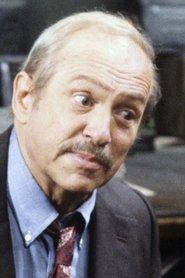 Stefan GieraschLt. Jennings
- Richard CrystalFrannie Scott
- Bill AdlerRalphie
- Barbara QuinnStephanie
Directing
- Jeff LiebermanDirector
- Richard T. SchorFirst Assistant Director
- Stephen P. DunnSecond Assistant Director
Writing
- Jeff LiebermanScreenplay
Production
- Nan PearlmanAssociate Producer
- Joan BarnettCasting
- Edgar LansburyExecutive Producer
- Joseph BeruhExecutive Producer
- Max MendesLocation Manager
- George ManasseProducer