
Film
Monkey Shines
- Horror
- Very dark
George A. Romero's 1988 creature feature about a quadriplegic man whose service monkey develops psychotic rage and murderous jealousy. It's genuinely unsettling—a film that takes the primal wrongness of animal unpredictability and emotional dependency seriously, even when the premise sounds pulpy. For anyone who loves horror that doesn't announce itself.
Should you watch it?
Watch it if you like slow-burn psychological horror where the menace grows out of an intimate, domestic relationship, and a creature study matters as much as the scares.
Skip it if you want horror lean and jolting, since this spends long stretches on setup and character before its scares arrive in unsettling bursts.
What it asks of you: At just under two hours, it moves at a patient, deliberate pace, its claustrophobic domestic scenes building slowly before the tension tightens.
Not sure? Find tonight's pick in a minute.
If you liked this
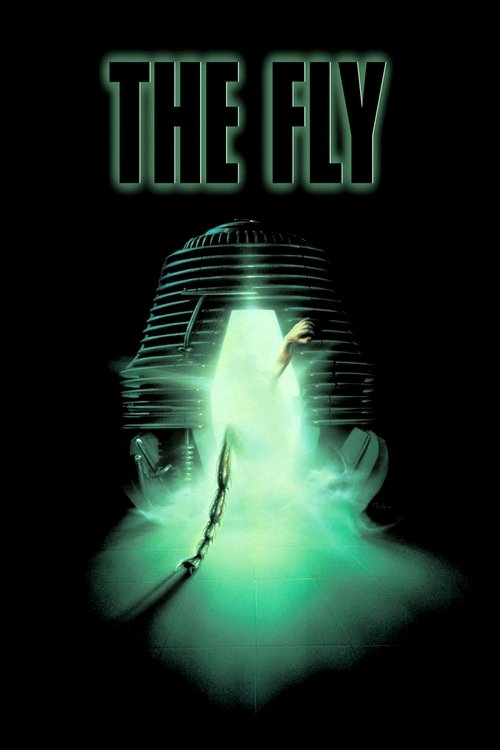
The Fly1986
Cronenberg's remake weaponizes intimate body horror and emotional devastation. A scientist's transformation into something inhuman parallels Monkey Shines' exploration of what happens when a bond becomes monstrous. Absolutely brilliant.
But Extremely graphic practical effects that haven't aged in their visceral impact—some people find the deterioration sequences genuinely unbearable to watch.
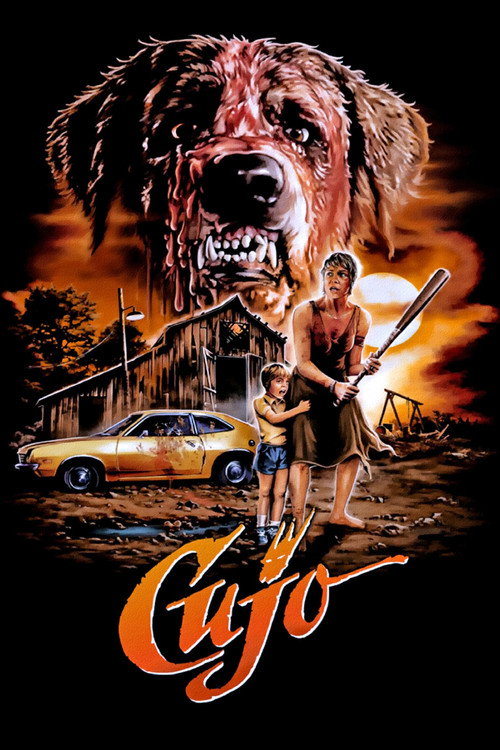
Cujo1983
Stephen King's rabid dog terror shares Romero's gift for making a dependent creature into a source of primal dread. It's about how love and protection can collapse into pure survival horror. Perfectly paced.
But The dog doesn't get much characterization—it's a force of nature rather than a character, which some find less interesting than Monkey Shines' psychological dimension.
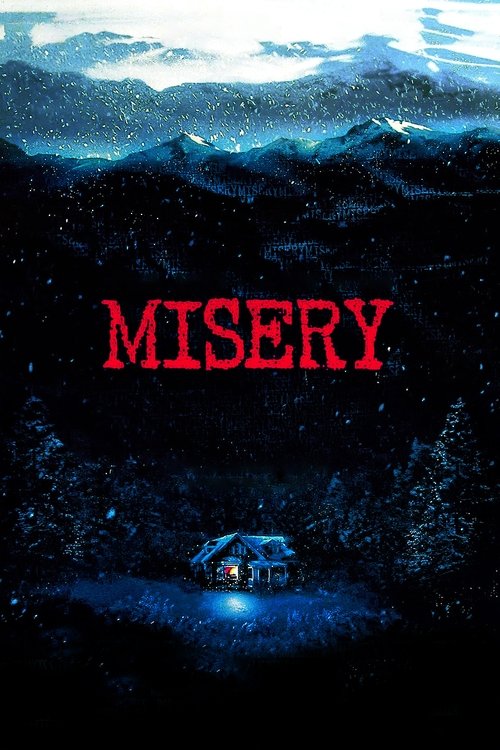
Misery1990
Reiner's adaptation captures the same claustrophobic dread of a protagonist trapped and dependent on someone—or something—that has turned dangerous. Kathy Bates is terrifying in part because she genuinely believes she's helping.
But Deeply unpleasant in its body horror moments, and the pacing sags in the second act. Some find the dependency dynamic more uncomfortable than scary.
Not sure tonight? Get a pick in a minute, starting from Monkey Shines
The wildcard
Something you would not have found on your own.
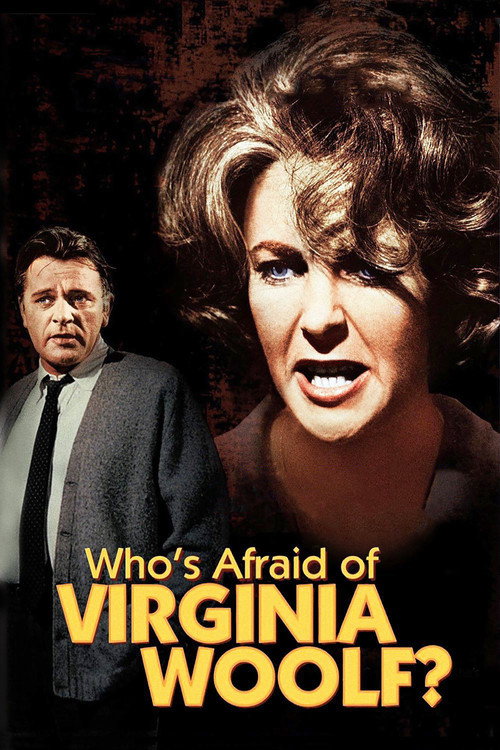
Who's Afraid of Virginia Woolf?1966
Both examine what happens when dependency and proximity become toxic; when the thing meant to help becomes the thing that destroys. Intimacy as horror.
Albee's masterpiece about two couples trapped in a night of psychological warfare and emotional devastation. Like Monkey Shines, it's about intimacy weaponized—how closeness becomes a tool for mutilation. Nichols' staging is brilliant.
But It's a four-hander in two rooms with no plot to speak of—dialogue-heavy 1960s chamber theater. If you need action or clear narrative momentum, you will be bored for two hours.
More like this (8)
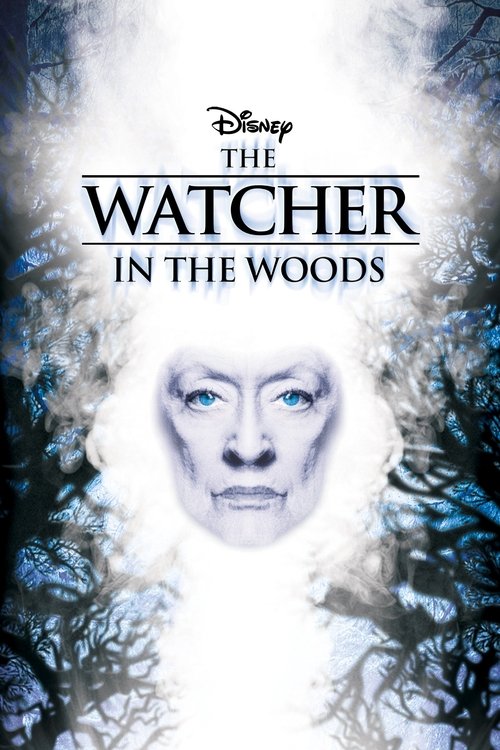
The Watcher in the Woods1980
A superbly creepy Disney haunted-house film with an unsettling atmosphere and genuine dread. It shares Monkey Shines' commitment to psychological unease over jump scares. Weirdly effective.
But The ending explanation is muddled—the film's power comes from confusion and mood rather than narrative clarity, which frustrates viewers who need resolution.
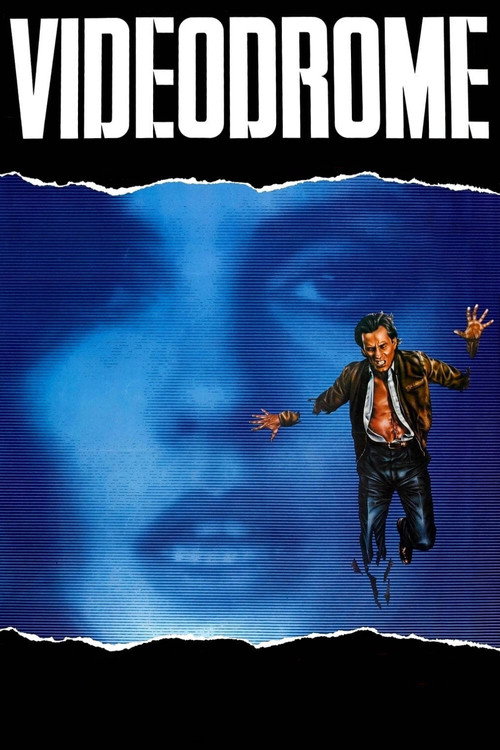
Videodrome1983
Cronenberg's reality-warping nightmare about identity and manipulation. Like Monkey Shines, it uses a vulnerable protagonist and escalating psychological violation to create pure dread. Hypnotic and disturbing.
But Deliberately vague and non-linear; if you need a clear plot you'll find it maddening. The body horror is also grotesque enough to actively repel some viewers.
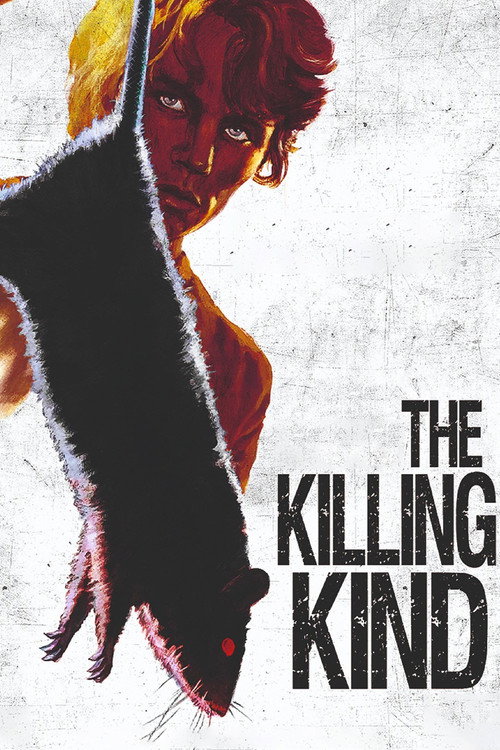
The Killing Kind1974
Haig's debut is a bruising character study of violation and revenge that doesn't rely on genre spectacle. It's about how dependency and resentment curdle into something poisonous—the emotional core of Monkey Shines.
But Brutal and slow, with minimal plot momentum. It's a character study that demands patience and offers no catharsis, which reads as grim rather than entertaining.
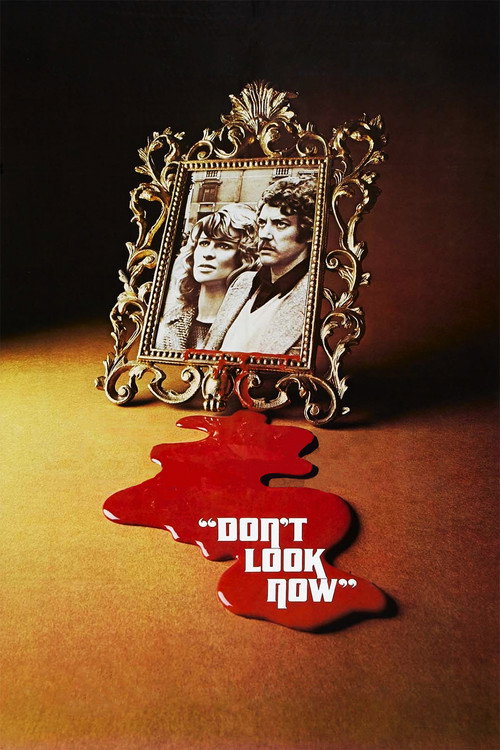
Don't Look Now1973
Roeg's masterpiece turns grief and loss into pure dread. Like Monkey Shines, it trusts the audience to feel unease before understanding it. Architecturally perfect and genuinely unsettling.
But The Venice setting and 1970s pacing won't work for viewers who need clear exposition. The ending requires you to sit with ambiguity and regret.
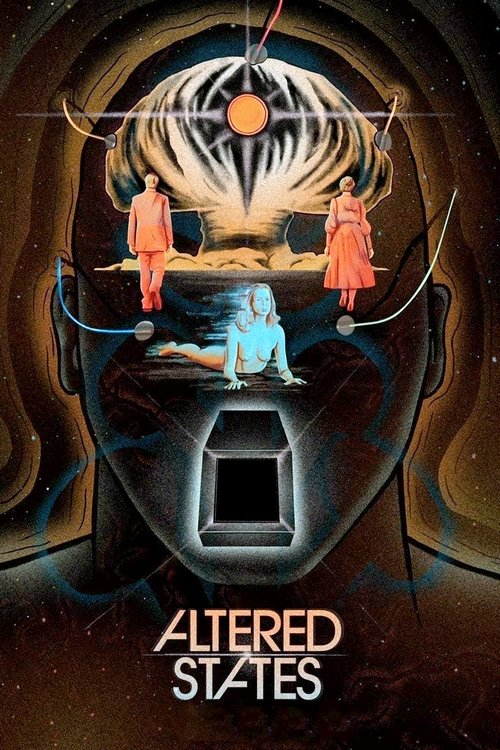
Altered States1980
Finney's descent into altered consciousness and loss of self has the same quality of watching someone slip away into something uncontrollable. It's body horror as spiritual crisis, which gives it weight.
But The psychedelic sequences date badly and some find them unintentionally funny. The science is nonsense and the pacing is uneven, especially in the second half.
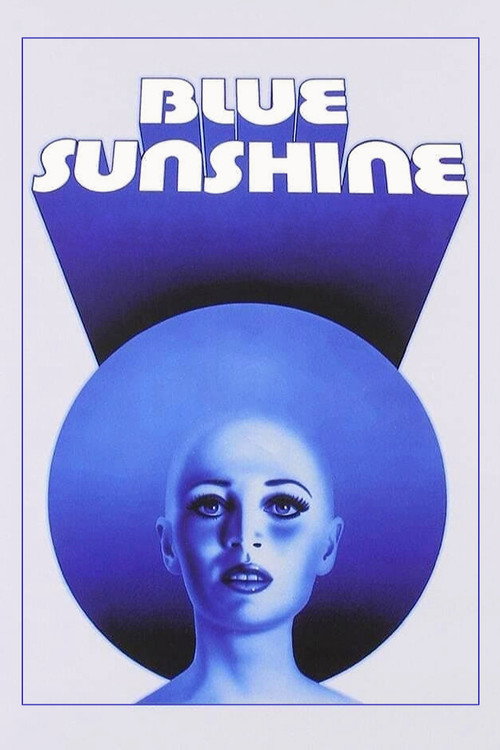
Blue Sunshine1977
Zalman King's paranoid sci-fi thriller about a drug that causes psychotic regression and hair loss. It's 70s horror at its most paranoid and weird, with genuine unsettling moments and practical creativity throughout.
But The hair-loss makeup is more ridiculous than scary, and the plot logic is shaky. The film's cult status is partly ironic, which undercuts its genuine creepy moments.
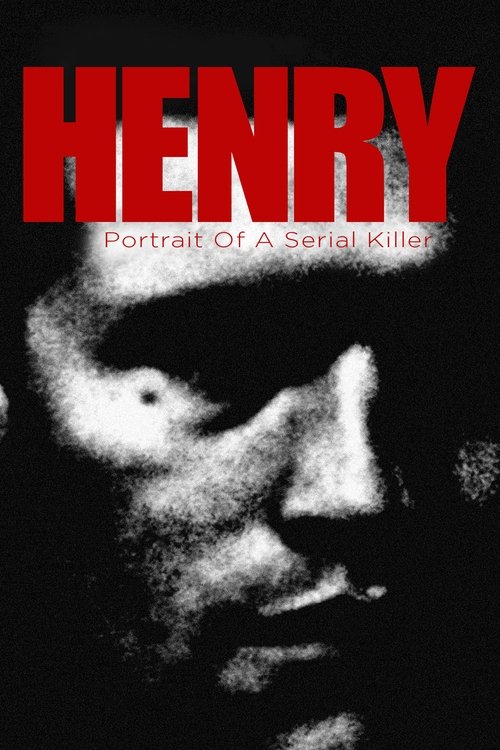
Henry: Portrait of a Serial Killer1986
Both treat their premise as serious moral ground rather than exploitation. Both trust horror to unsettle rather than thrill, and both ask uncomfortable questions about the viewer's gaze.
John McNaughton's unflinching documentary-style horror about a drifter and his friend. It shares Monkey Shines' refusal to make violence cathartic or entertaining—the horror is in recognizing the killer's mundane humanity and the viewer's complicity in watching.
But Genuinely graphic violence against women and children, filmed without flinching or moral commentary. This isn't entertainment—it's an endurance test that many people will find unforgivable.
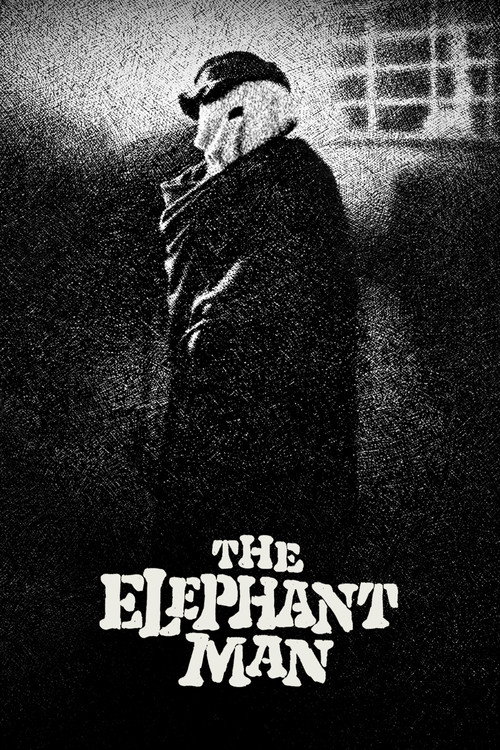
The Elephant Man1980
Both present a protagonist whose difference makes them dependent on others' care, and both ask what happens when that care becomes control or consumption.
Lynch's elegiac black-and-white meditation on deformity, exploitation, and the hunger for human connection. It's about how kindness can be as much a trap as cruelty—how being seen can feel like violation. Genuinely moving.
But The pacing is slow and meditative; the horror is existential rather than visceral. Some find it precious or sentimental, and it requires patience with Lynch's aesthetic.
People
Cast
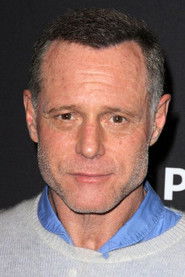 Jason BegheAllan Mann
 John PankowGeoffrey Fisher
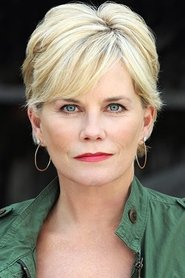 Kate McNeilMelanie Parker
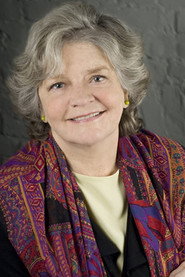 Joyce Van PattenDorothy Mann
 Christine ForrestMaryanne Hodges
 Stephen RootDean Burbage
 Stanley TucciDr. John Wiseman
- Tom QuinnCharlie Cunningham
 Janine TurnerLinda Aikman
 William NewmanDoc Williams
- Tudi WigginsEsther Fry
 Patricia TallmanParty Guest
Directing
- George A. RomeroDirector
Writing
- Michael StewartNovel
- George A. RomeroScreenplay
Production
- Dianne CrittendenCasting
- Gerald S. PaonessaExecutive Producer
- Peter GrunwaldExecutive Producer
- Charles EvansProducer
Recommended by
Escape from the Planet of the Apes, The Animal, MVP: Most Valuable Primate