
Film
Cujo
- Monster horror
- Very dark
Cujo is a Stephen King adaptation about a rabid dog trapping a mother and child in a car during a summer heatwave. It's intimate, claustrophobic horror—no monsters, just a neighbourhood pet made lethal and the fraying American family caught between it and escape. For anyone who understands that the most effective scares live in plausible disasters.
Should you watch it?
Watch it if you enjoy slow-building dread where the terror comes from a stalled car, a stifling heat and a family's fraying nerves more than from any creature lunging at the camera.
Skip it if you need brisk pacing or a monster you can cheer against, since the opening stretches are patient, domestic and sometimes slow.
What it asks of you: A lean 93 minutes, mostly ordinary domestic friction and sweltering unease that gathers slowly, with little winking at the audience.
Not sure? Find tonight's pick in a minute.
If you liked this
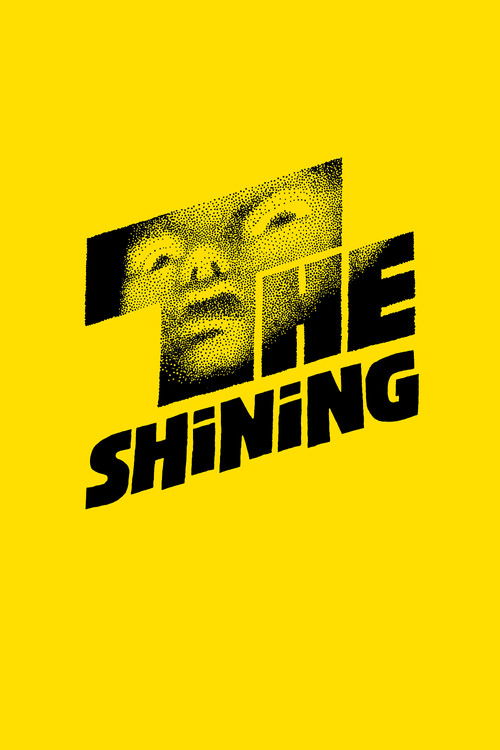
The Shining1980
Kubrick's other King adaptation is baroque and operatic where Cujo is lean—but both trap people in confined spaces while sanity erodes. Overlook Hotel, family breakdown, inescapable dread. A masterpiece.
But Glacially paced and genuinely exhausting. Two hours and twenty-six minutes of psychological suffocation, and the ending divides people sharply.
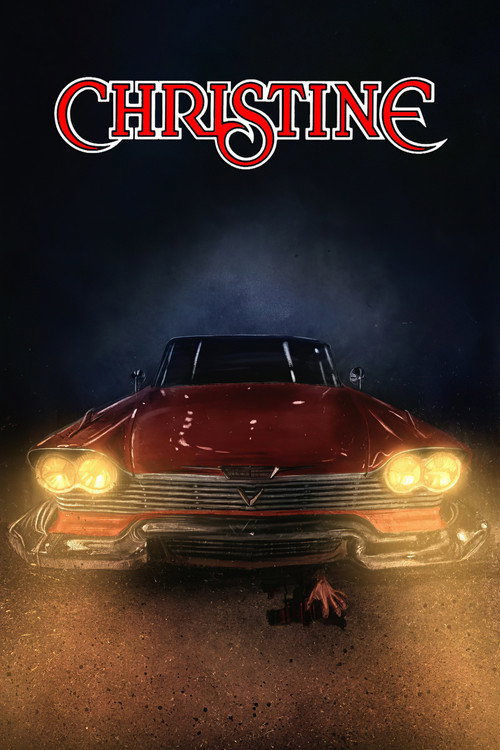
Christine1983
Carpenter directs Koontz on a killer car that's almost a character itself. It has Cujo's blend of suburban horror and mechanical menace, but trades the tight focus for a broader narrative and genuine dark comedy alongside the scares.
But Shifts tone awkwardly between teen romance, body horror, and action-thriller. The tonal whiplash might undermine rather than enhance the dread.
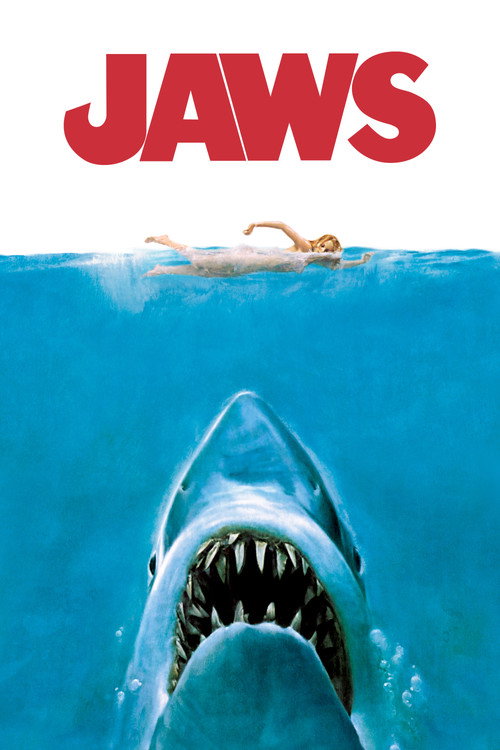
Jaws1975
Same premise executed by a master: an animal, a location, people trapped or doomed. Spielberg's pacing and character work created the template. Everything that works in Cujo's structure is here refined to perfection.
But The mechanical shark occasionally looks unconvincing, and modern audiences may find the pacing slow compared to today's action films.
Not sure tonight? Get a pick in a minute, starting from Cujo
The wildcard
Something you would not have found on your own.
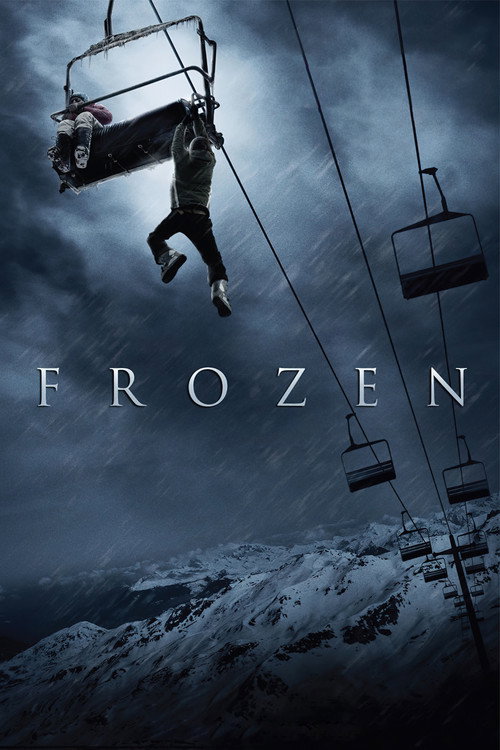
Frozen2010
Both films derive their horror from an inescapable trap and the physical reality of time running out. Cujo and cold both kill with indifference, and both films have the courage to commit to that logic.
Adam Green's minimalist nightmare: three friends stranded on a ski-lift as darkness falls and the temperature drops. No monsters, no weapons—just exposure and the slow mathematics of survival. Pure Cujo logic applied to a different trap.
But The premise sounds absurd and the execution is deliberately, almost mockingly blunt. Some find the disregard for plausibility laughable rather than frightening.
More like this (8)
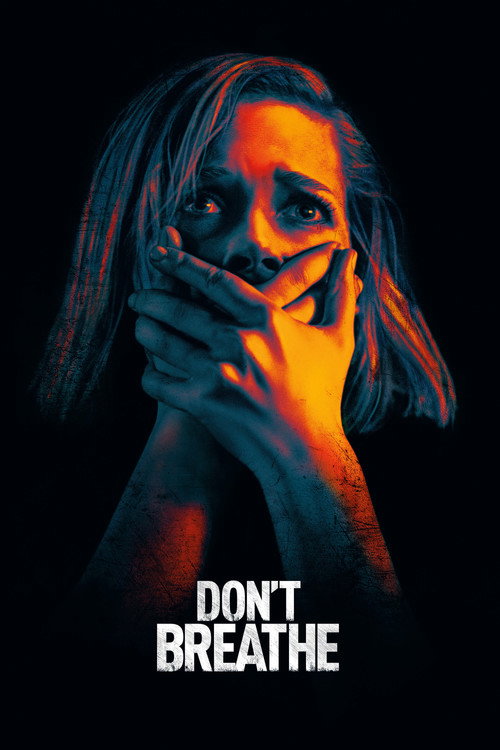
Don't Breathe2016
A home-invasion film that flips the script with devastating intelligence. Claustrophobic, morally murky, built entirely on the question of who the real threat is. Cujo's simple terror remade as a puzzle box.
But Visually dark to the point of being difficult to parse. Relies on sound design, and some viewers find the story's moral territory genuinely disturbing.
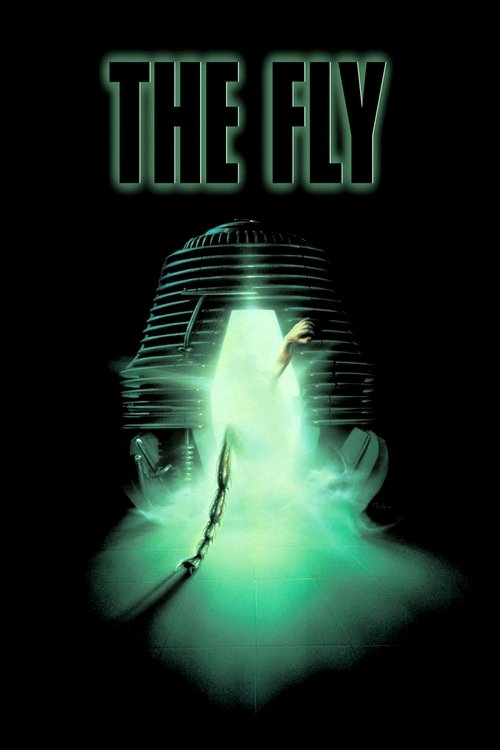
The Fly1986
Cronenberg's body-horror masterpiece uses a single transformative catastrophe—like rabies—to explore love, decay, and the loss of humanity. Haunting and tragic in ways horror seldom attempts.
But Visceral practical effects that haven't aged tactfully. Body horror is relentless, and the film earns a reputation as much for disgust as for pathos.
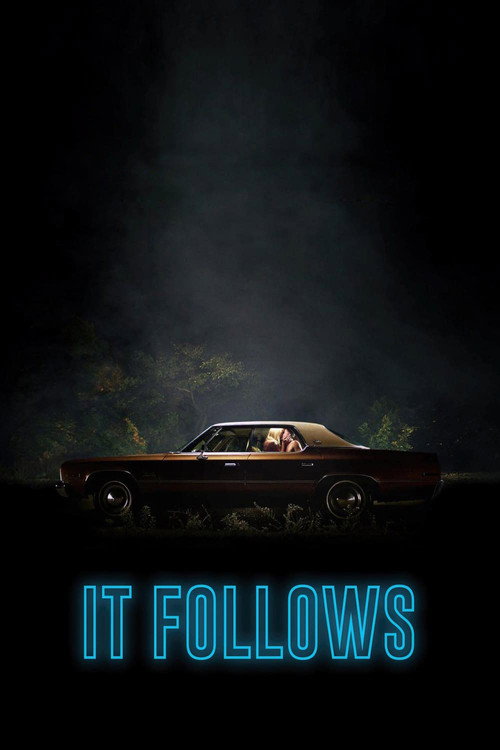
It Follows2015
Modern horror that understands Cujo's lesson: ordinary people in ordinary places can be hunted. The thing chasing them is inevitable and unstoppable. Gorgeous cinematography and existential dread in equal measure.
But Deliberate pacing and ambiguous mythology frustrate viewers looking for clear answers. The threat's rules are willfully vague.
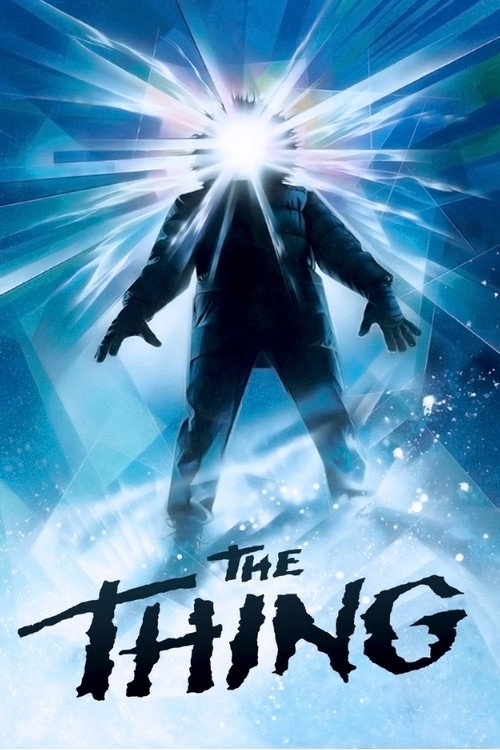
The Thing1982
Carpenter's paranoid masterpiece about people trapped in an enclosed space with something that might look human. Like Cujo, it's about isolation and the collapse of trust. Endlessly rewatchable and brutal.
But Graphic practical effects and a bleak ending that refuses catharsis. Very much a product of early-80s nihilism.
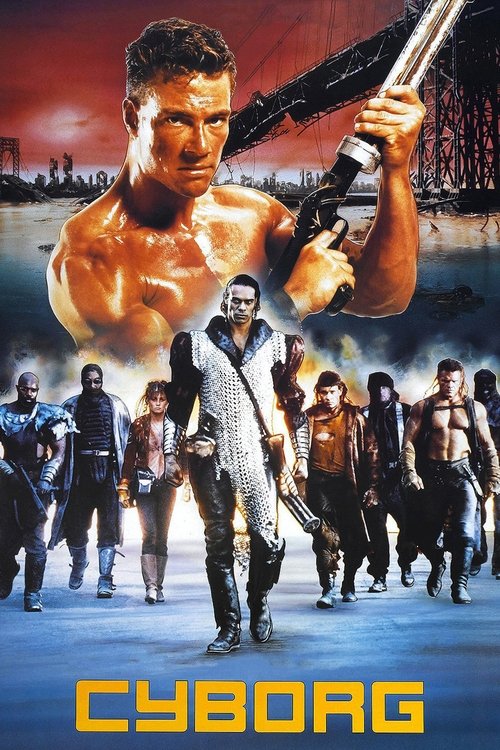
Cyborg1989
A modern reworking of American family horror—trailer trash, poverty, addiction, and a child caught in the middle. Unflinching where Cujo is restrained, but builds from the same moral intuition.
But Extremely bleak and offers no redemption. The naturalistic dialogue and handheld camera can feel exhausting rather than immersive.
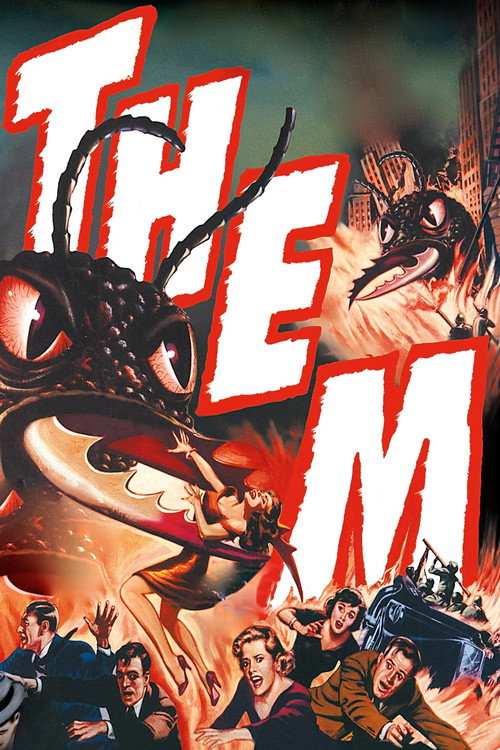
Them!1954
An atomic-age creature feature that understands escalating threat and siege. Less psychologically intimate than Cujo, but the DNA is there: people vs. nature, nowhere to run, scientific rationality helpless.
But A relic of 1950s filmmaking. Pacing moves at a glacial pace by modern standards, and the giant ants don't always convince.
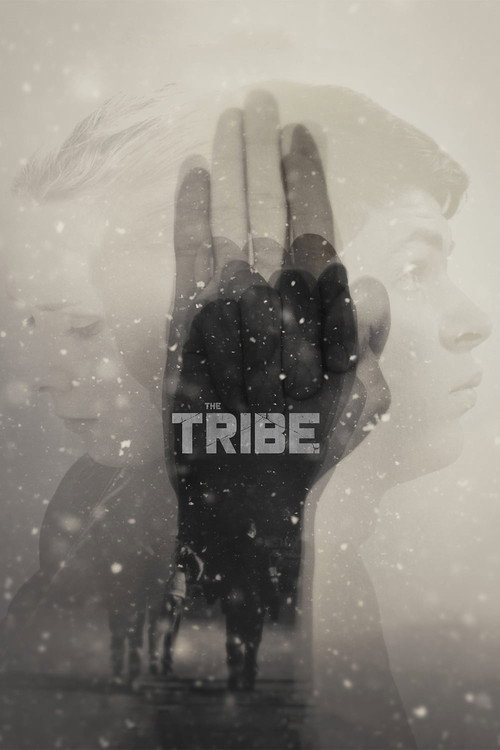
The Tribe2014
Both films understand that horror is most effective when it's immediate and bodily—not supernatural, not explained. The real thing is worse. Both demand that you sit with discomfort without escape.
A Ukrainian film in sign language about deaf street children, violence, and the collapse of mercy. Not a thriller, but it shares Cujo's unflinching refusal to look away from human and animal cruelty enacted in ordinary spaces. Devastating.
But Presented almost entirely without dialogue and with graphic violence. The aesthetic is bleak, the experience is punishing, and subtlety is not on offer.
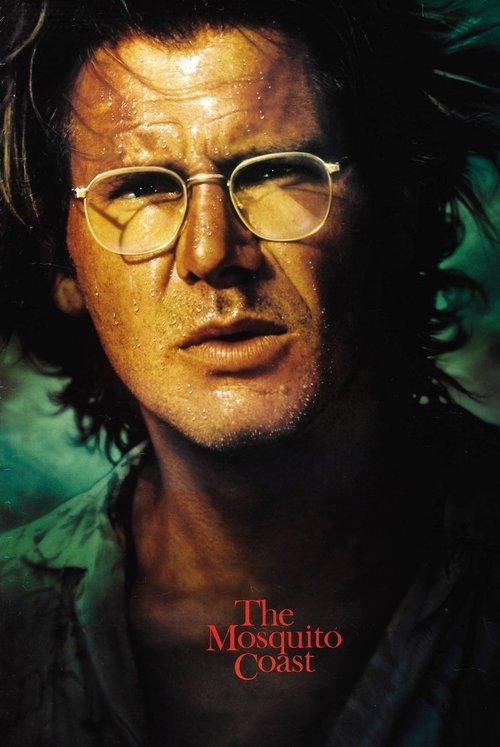
The Mosquito Coast1986
Both examine how a family member—whether animal or human—can become the cage itself. The car with the dog, the jungle with the father. Entrapment from within.
Harrison Ford as an idealist father whose paranoia and ideology trap his family in a jungle. It's a family-under-siege film disguised as a character study. The threat isn't external—it's the parent's own broken mind. Cujo's scenario reimagined.
But A slow, literary film that resists genre beats entirely. Ford plays against type in ways audiences rejected; it's been underrated for decades for good reason.
People
Cast
 Dee WallaceDonna Trenton
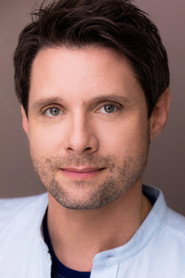 Danny PintauroTad Trenton
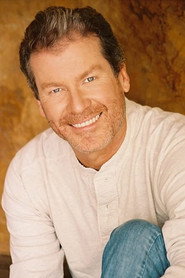 Daniel Hugh KellyVic Trenton
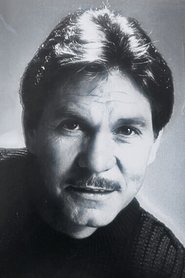 Christopher StoneSteve Kemp
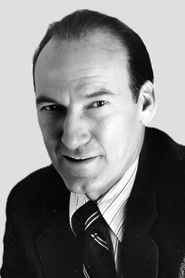 Ed LauterJoe Camber
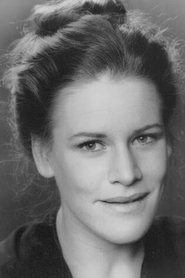 Kaiulani LeeCharity Camber
 Billy JayneBrett Camber
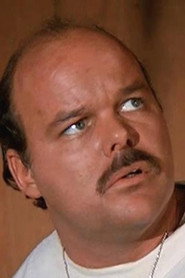 Mills WatsonGary Pervier
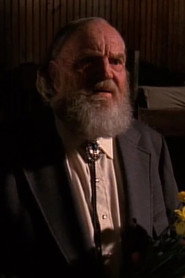 Sandy WardBannerman
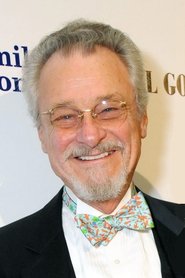 Jerry HardinMasen
 Merritt OlsenProfessor
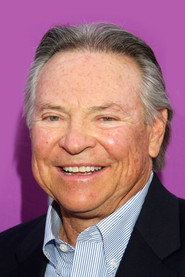 Frank WelkerCujo (voice; uncredited)
Directing
- Lewis TeagueDirector
- Jackie SaundersScript Supervisor
Writing
- Stephen KingNovel
- Barbara TurnerScreenplay
- Don Carlos DunawayScreenplay
Production
- Neil MachlisAssociate Producer
- Judith HolstraCasting
- Marcia RossCasting
- Deborah LawsonLocation Manager
- Daniel H. BlattProducer
- Robert SingerProducer
Recommended by
The Car, Old Yeller, Beethoven, It's Alive, Silver Bullet, Benji, Alone in the Dark, Komodo, Grizzly, Bad Moon, K-9, Monkey Shines