
Film
Grizzly
A rogue eighteen-foot grizzly bear develops a taste for human flesh in a national park, forcing a ranger to coordinate a hunt while incompetent hunters and bureaucratic chaos complicate everything. It's a 1976 creature-feature that plays its premise straight: genuinely tense at times, ridiculous in others, and powered by practical gore effects that still land. For fans of straightforward monster movies made when filmmakers were willing to kill people onscreen.
Should you watch it?
Watch it if you get a kick out of blunt, creature-feature B-movies that wear their Jaws debt openly and deliver lumbering set pieces with a grin.
Skip it if you want a tight, dread-soaked thriller, because this scrappy 1970s picture has clumsy scares and a tone that wobbles between tense and silly.
What it asks of you: Ninety-one minutes, with a lot of wandering between bursts of creature action, so it moves in lurches rather than one steady build.
Not sure? Find tonight's pick in a minute.
If you liked this
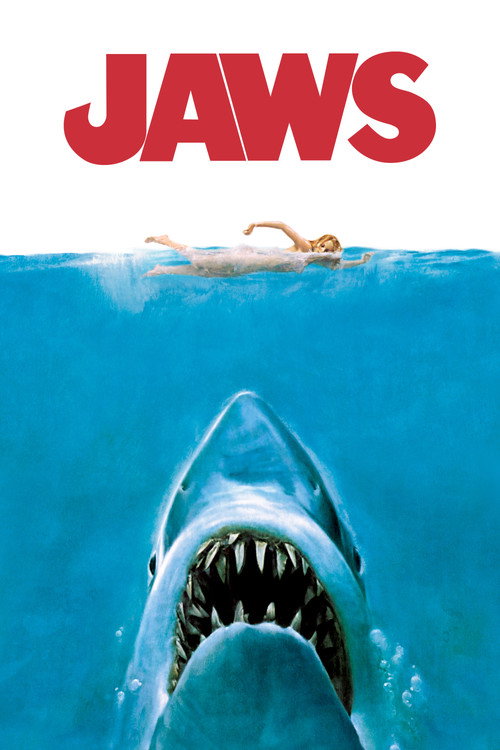
Jaws1975
The template Grizzly follows directly: a large predator, a closed community, an authority figure trying to rally competent people while politicians meddle. Spielberg's version is masterfully paced and has a mechanical shark that mostly works.
But It's been dissected to death. If you've already seen it, you know exactly which beats are coming.
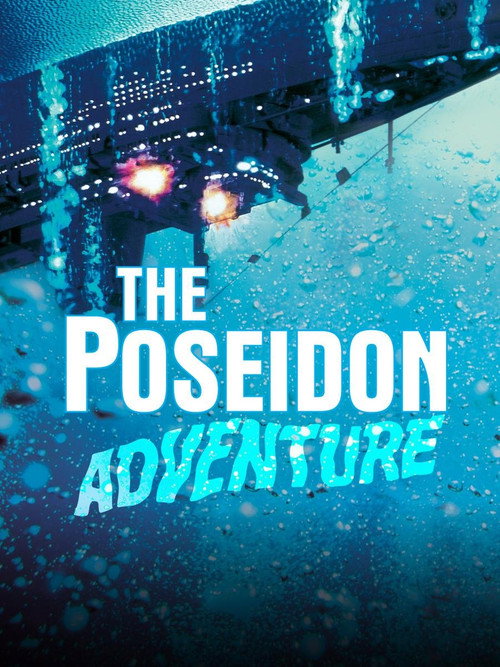
The Poseidon Adventure1972
Another '70s disaster film where a group of people must survive a hostile environment through a mix of competence and luck. It has the same earnest, unglamorous approach to danger that makes Grizzly feel genuine rather than campy.
But At 117 minutes it's substantially longer, and the plot mechanics are less tight than they could be.
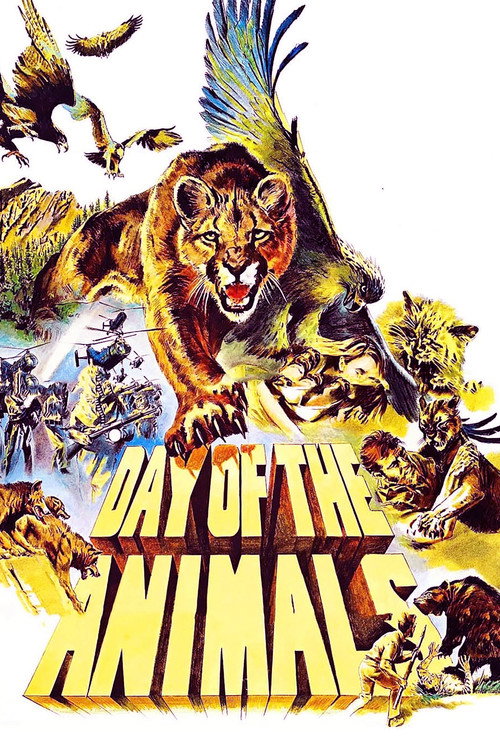
Day of the Animals1977
A fellow creature-rampage film from the same era where nature turns on humans in a national forest. It shares Grizzly's willingness to depict animal attacks graphically and its B-movie confidence about premise over polish.
But The science behind why animals are attacking is dubious even by '70s standards, and the film leans harder into exploitation than tension.
Not sure tonight? Get a pick in a minute, starting from Grizzly
The wildcard
Something you would not have found on your own.
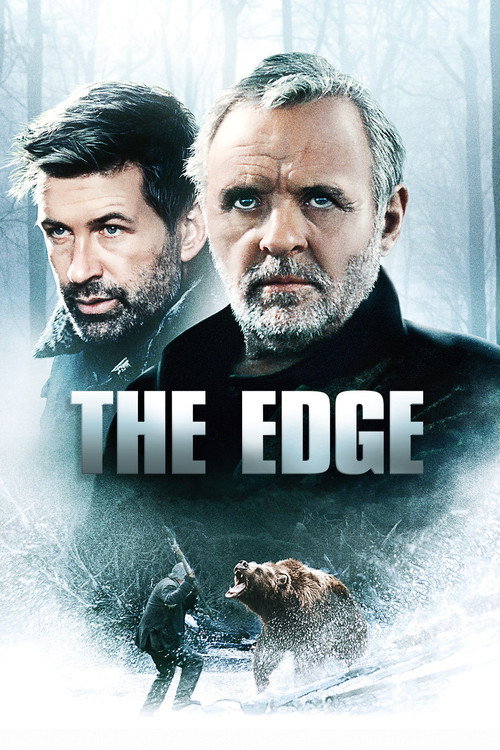
The Edge1997
Both use a grizzly as an indifferent force that strips humans of pretense and reveals what they're actually made of.
Two men survive a plane crash in the Alaskan wilderness where a grizzly bear hunts them across 40 miles of unforgiving terrain. It's a survival film, not a creature feature, which means the bear is environment rather than antagonist—but the tension between human resourcefulness and animal indifference is the same engine Grizzly uses.
But It's a Hopkins and Alec Baldwin character study dressed as an action film. If you want the bear to be the point rather than the pressure, you'll find it austere.
More like this (8)
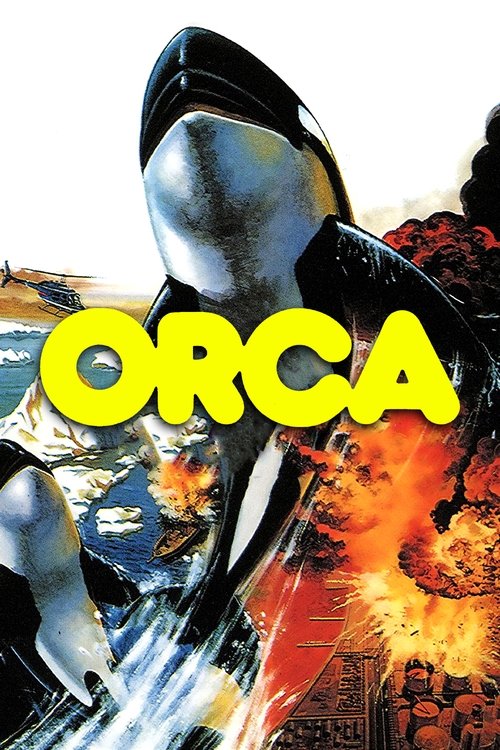
Orca1977
A killer whale hunts a fishing captain with an intelligence and vendetta that feels almost personal. It has the same DNA as Grizzly—'70s creature feature, practical effects, genuine stakes—but transposes the hunt to the ocean.
But The pacing is glacial in places, and the whale's motivations get spelled out in ways that undercut the mystery.
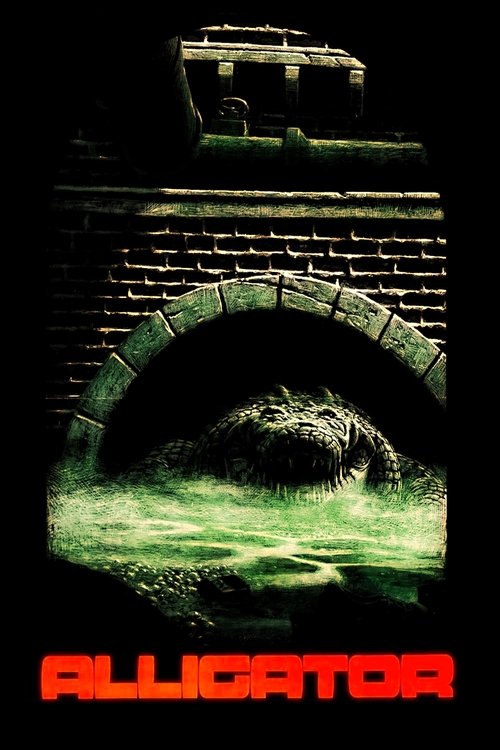
Alligator1980
A giant alligator in the Chicago sewers forces officials and hunters to coordinate a response. It's smart about its premise, genuinely funny without winking, and executes the creature-feature formula with flair and economy.
But It's substantially better constructed than Grizzly, which might make Grizzly feel slack by comparison if you watch it first.
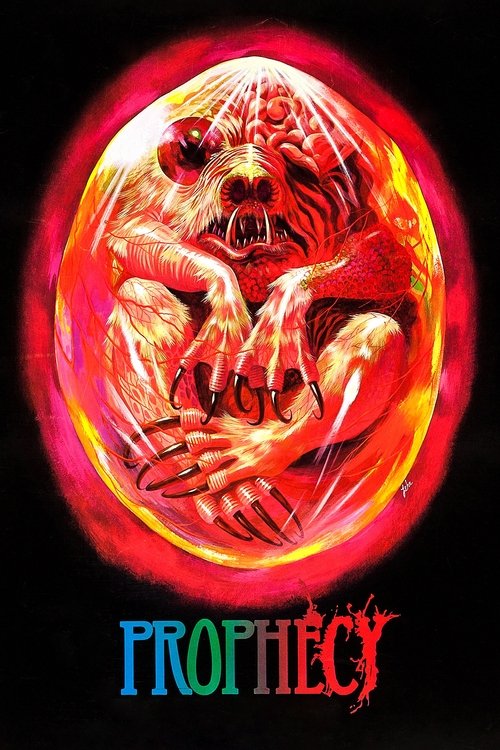
Prophecy1979
A creature born from pollution terrorizes a logging community while an environmentalist tries to convince authorities of the danger. It has the same ranger-versus-bureaucracy conflict at its heart, plus practical monster effects that are genuinely unsettling.
But The third act devolves into monster-movie mechanics that undercut the premise, and the message-mongering can feel heavy-handed.
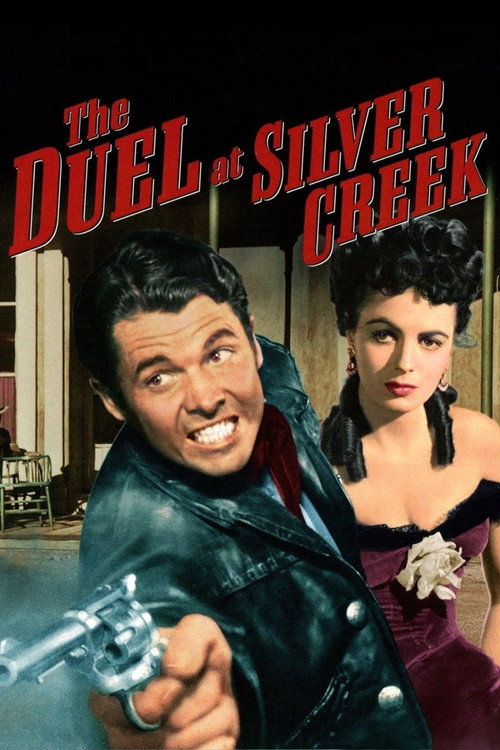
The Duel at Silver Creek1952
An early Siegel western where survival in a hostile landscape matters more than glamour or conventional heroics. It's the tonal ancestor to the way Grizzly treats its setting and danger: unglamorous, practical, indifferent to Hollywood rules.
But It's in black and white, moves at a very different pace, and requires patience with '50s genre conventions.
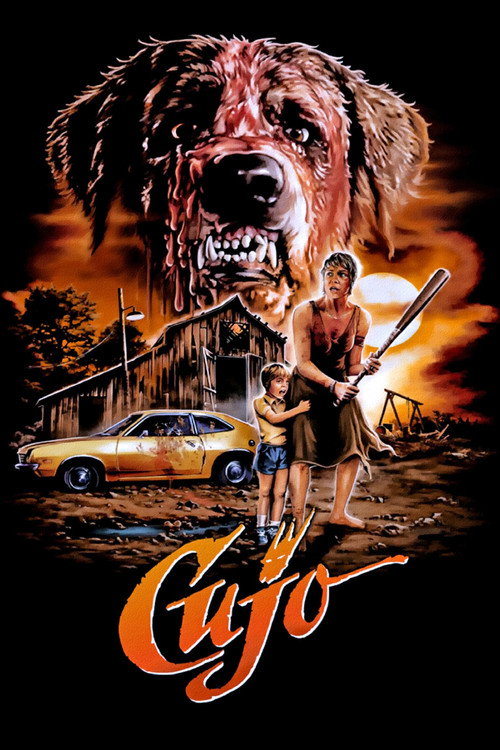
Cujo1983
A rabid dog traps a family in a car during a brutal summer. King's source material gives it more character depth than most creature features, and the claustrophobia is relentless in a way Grizzly hints at but never fully achieves.
But The dog work and some of the deaths feel uncomfortable to watch, and the pacing sags in the middle.
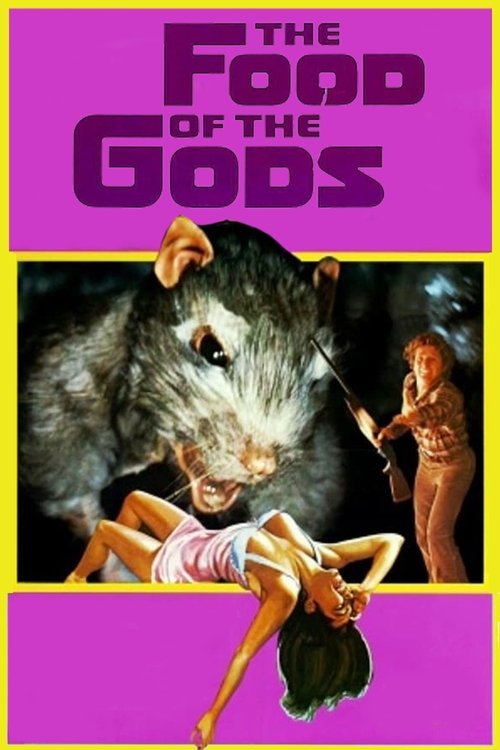
The Food of the Gods1976
Giant wasps and rats terrorize an island when a growth hormone experiment goes wrong. It's pure schlock made with genuine effort, and it shares Grizzly's earnestness about its implausible premise and willingness to stage practical carnage.
But The giant creatures are obvious puppets and models, the plot is thin, and it mistakes spectacle for structure.
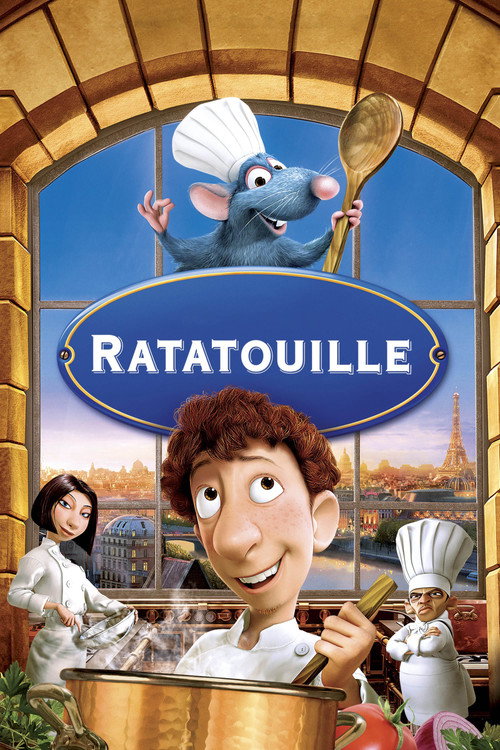
Ratatouille2007
Both films ask what humans owe to a creature that doesn't operate by human rules, and both take the question seriously.
A rat cooks in Paris, and the plot is about persuading humans that a rat is worth trusting. It's animated, gorgeously crafted, and genuinely moving in ways creature features rarely are. It inverts Grizzly's premise entirely: the animal is not the threat, it's the solution.
But It's a Pixar family film in a paragraph that has been about gore and practical effects. If you're looking for the grimy, B-movie texture of Grizzly, this is the opposite.
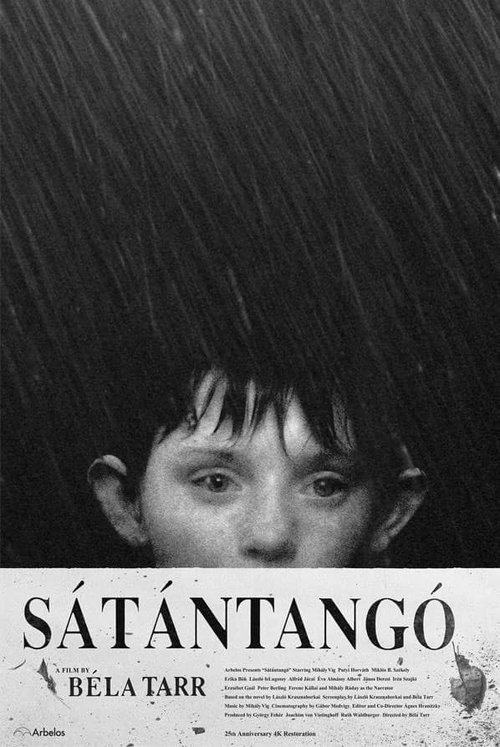
Satantango1994
Both use an inhuman presence to expose the actual nature of the communities claiming to fight it.
A seven-hour Hungarian film about a man who returns to a depressed community and slowly reveals himself to be something other than human. It's a deliberate inversion of the creature-feature: instead of nature invading civilization, we watch civilization fail to recognize the unnatural presence within it.
But It requires absolute patience. Seven hours of slow-burn dread and long takes will exhaust most viewers. The payoff is philosophical rather than cathartic.
People
Cast
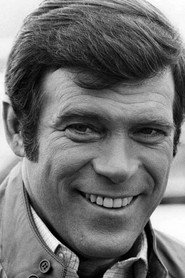 Christopher GeorgeMichael Kelly
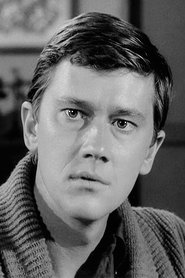 Andrew PrineDon Stober
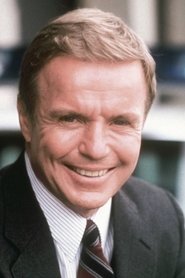 Richard JaeckelArthur Scott
- Joan McCallAllison Corwin
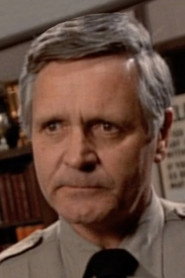 Joe DorseyCharley Kittridge
 Charles KissingerDr. Samuel Hallitt
- Kermit EcholsWalter Corwin
- Tom ArcuragiRanger Tom
 Victoria Lynn JohnsonRanger Gail
 Kathy RickmanJune Hamilton
- Mary Ann HearnMargaret Rogers
- Harvey FlaxmanReporter
Directing
- William GirdlerDirector
- J. Patrick Kelly IIIFirst Assistant Director
- Sally RoddyScript Supervisor
- Joe NayfackSecond Assistant Director
- John NemethSecond Assistant Director
Writing
- David SheldonScreenplay
- Harvey FlaxmanScreenplay
Production
- Lee S. Jones Jr.Associate Producer
- Edward L. MontoroExecutive Producer
- David SheldonProducer
- Harvey FlaxmanProducer
- J. Patrick Kelly IIIProduction Manager
Recommended by
Razorback, Empire of the Ants, Nightwing, Day of the Animals, Don't Move, King of the Grizzlies