
Film
Alone in the Dark
Jack Palance leads a quartet of escaped asylum inmates terrorizing a psychiatrist's home during a blackout. It's a siege film built on raw menace rather than gore—slow-burn dread punctuated by bursts of violence. Made for anyone who prefers their horror grounded and genuinely unsettling over spectacular.
Should you watch it?
Watch it if you enjoy a siege thriller built on atmosphere and a paranoid, cabin-fever pressure, and you can forgive a few rough edges of early-eighties effects.
Skip it if you need a fast pulse, since it spends long stretches on talk and waiting, and the stagey house-bound setting can feel static.
What it asks of you: Ninety-three minutes, a slow-coiling first half, a grim tone with almost no relief, and patience before the violence picks up.
Not sure? Find tonight's pick in a minute.
If you liked this
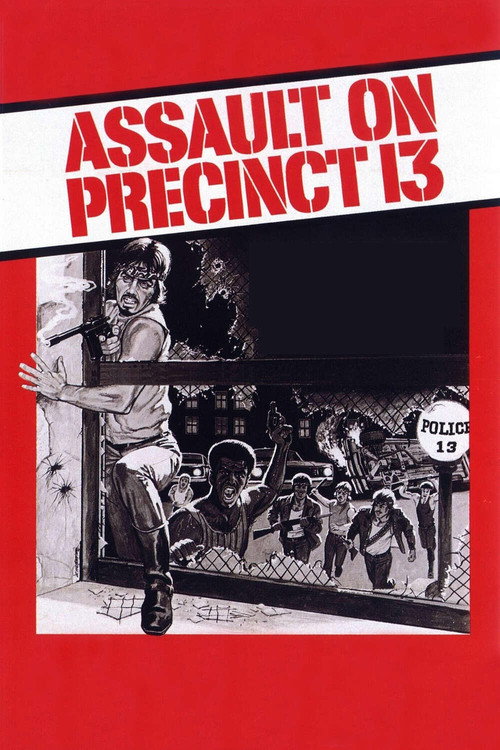
Assault on Precinct 131976
Carpenter's precise siege thriller shares the same trapped-location tension and mounting paranoia. A small group holds off larger danger with minimal resources and maximum ingenuity. Relentless and economical.
But It's quite dry—long stretches without dialogue or music. Some find it slow; others find that slowness is the entire point.
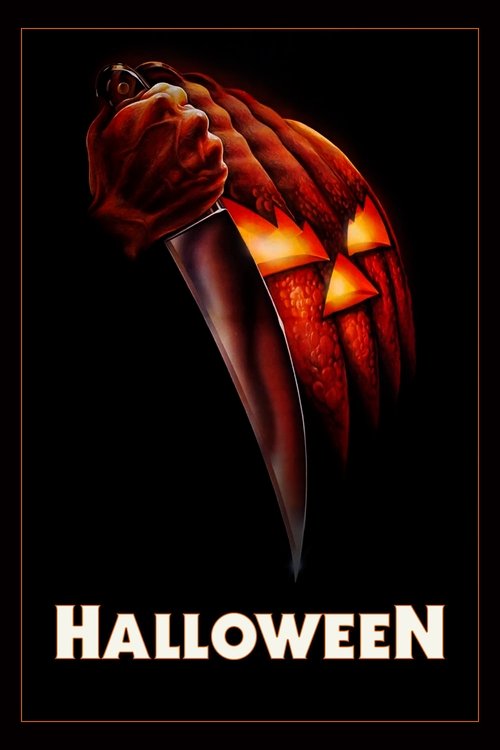
Halloween1978
Contemporaneous and equally committed to dread-building over splatter. Palance's silent killers echo Michael Myers' blankness. Both films understand that what you don't see clearly frightens more than carnage.
But The pacing is deliberate to the point of claustrophobic. If you need constant plot momentum, you'll find stretches of nothing happening.
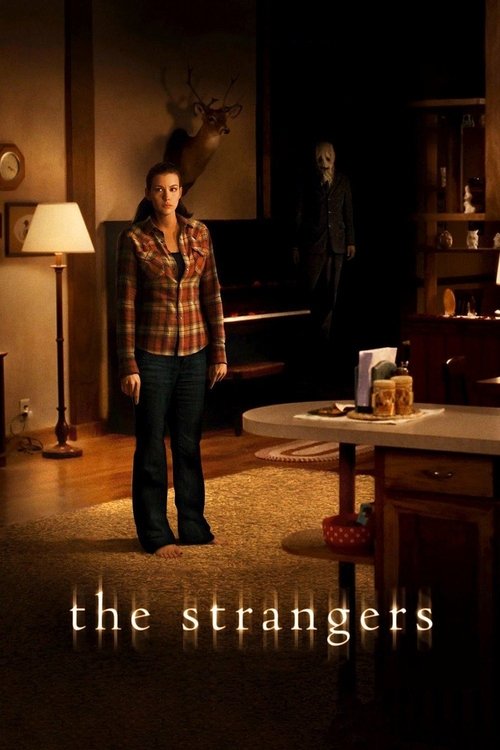
The Strangers2008
Home invasion siege with the same cold logic: ordinary people, ordinary house, extraordinary cruelty with no grand motivation. Palance's escaped inmates feel like a predecessor to these implacable masked intruders.
But It's relentlessly bleak with no catharsis. The film refuses to make you feel better about anything by the end.
Not sure tonight? Get a pick in a minute, starting from Alone in the Dark
The wildcard
Something you would not have found on your own.
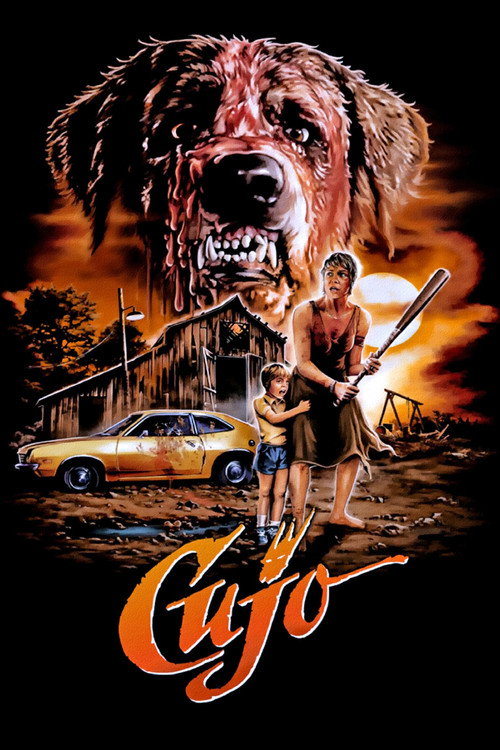
Cujo1983
Both are hostage situations in enclosed spaces where the captors/threat are implacable and motivated by something other than ordinary human desire. Both films trust silence and stillness.
A family trapped in a car by a rabid dog—pure siege cinema with a genuinely alien antagonist. It has the same mounting dread and intimate confinement as Alone in the Dark, just with one threat instead of four and no dialogue. The terror of being trapped with something that cannot be reasoned with.
But The dog gets hurt—repeatedly and visibly. If animal cruelty is unwatchable for you, this will destroy you regardless of the film's quality.
More like this (7)
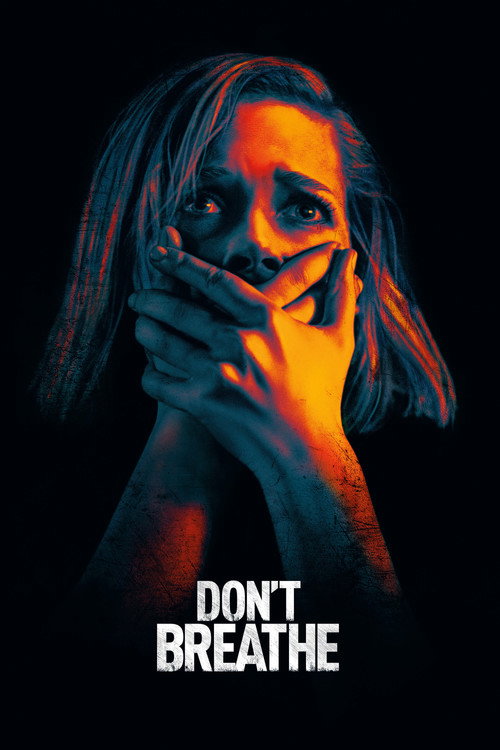
Don't Breathe2016
Another siege: burglars trapped in a blind man's house. The geometry of threat and counter-threat, the claustrophobia, the way vulnerability becomes weaponized. Taut and genuinely disorienting.
But The moral dimensions get murky in ways some find exploitative. It's also very loud and visceral, which can feel gratuitous.
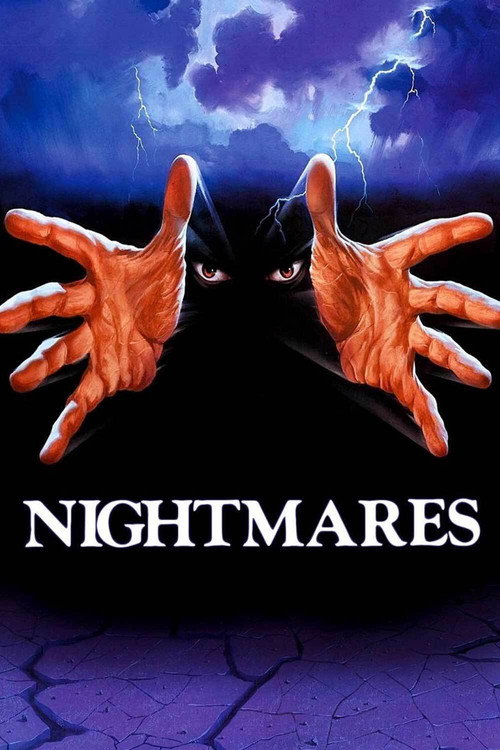
Nightmares1983
Four separate horror tales with Palance appearing in one. Closer to pulp than Alone in the Dark, but it shares the 1980s grindhouse DNA and the willingness to be nasty about human pathology without apology.
But Anthology structure means tonal whiplash. Some segments work better than others, and none hit the sustained tension of a feature.
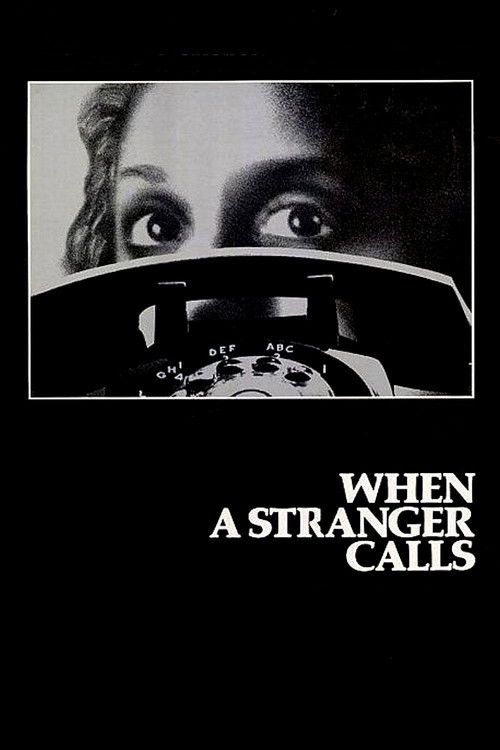
When a Stranger Calls1979
Siege and stalking film with Palance-adjacent energy—quiet men doing terrible things in ordinary homes. The opening 24 minutes are nearly perfect sustained terror in a confined space.
But It doesn't maintain that opening intensity. The rest is competent but saggy, and the pacing becomes uneven.
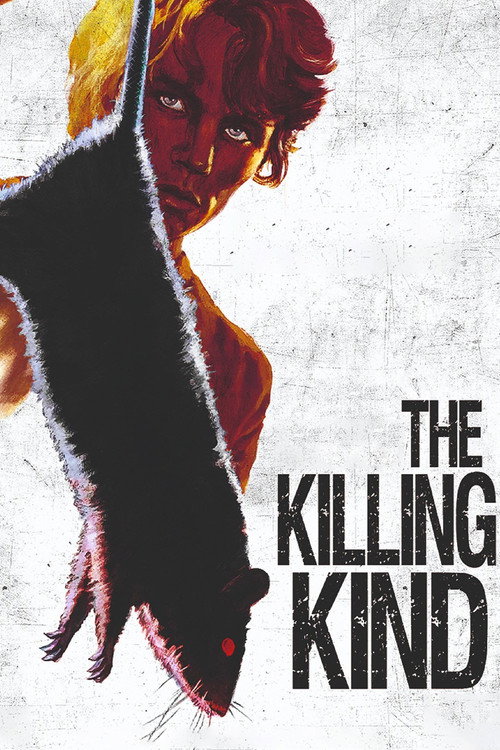
The Killing Kind1974
Released well before Alone in the Dark, it shares the DNA of institutional horror and the monster-among-us paranoia. A released convict returns to wreak havoc with methodical sociopathy.
But It's obscure and prints are rough. The filmmaking feels dated even for 1973, and the pacing is slack by modern standards.
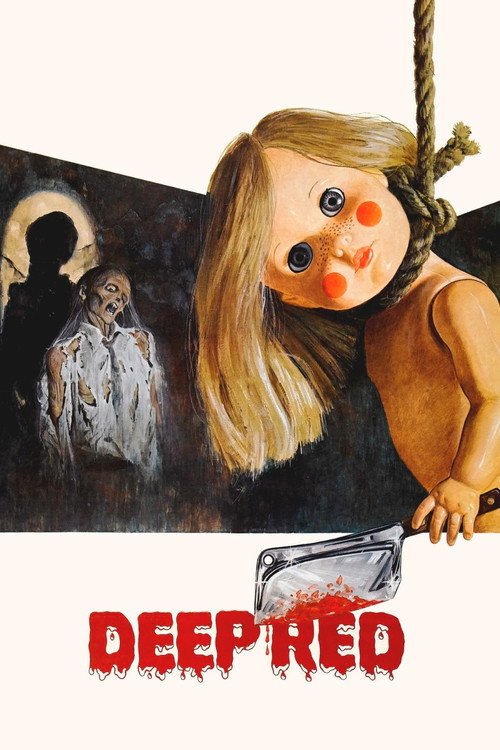
Deep Red1975
Dario Argento's giallo thriller about a man trapped in escalating danger after witnessing a murder. The siege of threat closing in, the mounting body count, the sense of being hunted in your own space.
But It's a murder mystery where the plot gets increasingly baroque and finally nonsensical. If coherence matters to you, the third act will infuriate.
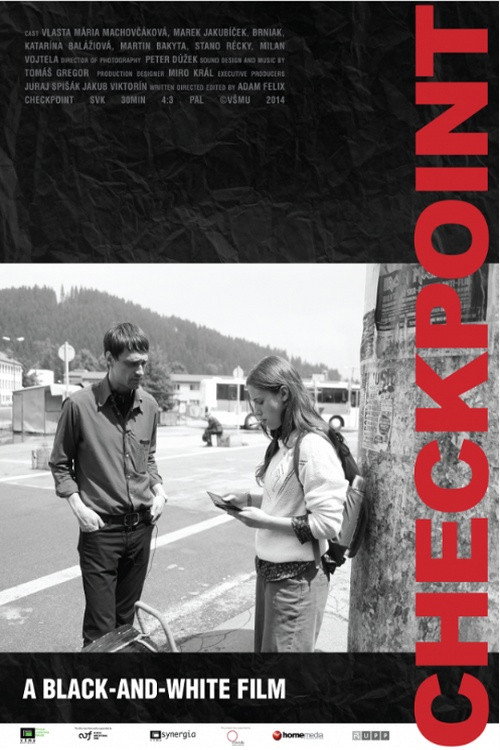
Checkpoint
Both begin with escaped or released psychiatric patients and ask what accountability and punishment actually mean. The difference is that this treats the question seriously rather than as backdrop.
A miniseries with a completely different aesthetic—contemporary, visually sophisticated, psychologically intricate—but built on identical foundations: mentally ill men, institutional violence, the question of who is actually dangerous. It's what Alone in the Dark might look like if remade for 2017 with both eyes on realism and complexity.
But It's heavily focused on psychology and trauma history rather than action. Some find this enriching; others find it slow and talk-heavy in ways that undercut tension.
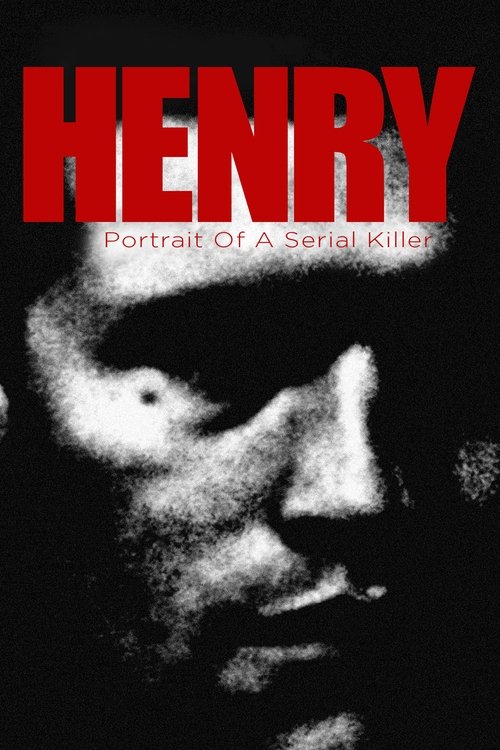
Henry: Portrait of a Serial Killer1986
Both films are about the space between institutional containment and the moment those boundaries fail. Both refuse sentimentality about monsters or victims. Both believe that indifference is more frightening than malice.
Shot on video, barely distributed, made for almost nothing, it's grittier and far more disturbing than any mainstream slasher. Like Alone in the Dark, it's interested in how ordinary people become predators and what happens when you remove institutional restraint. The horror is behavioral, not supernatural—which makes it worse.
But It's extremely bleak and offers no moral comfort. The camera treats cruelty with a flatness that many experience as complicit rather than critical. It's genuinely hard to watch.
People
Cast
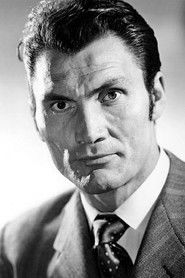 Jack PalanceFrank Hawkes
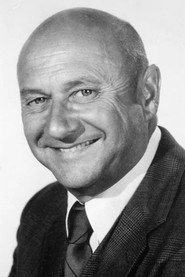 Donald PleasenceLeo Bain
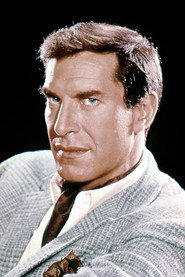 Martin LandauByron "Preacher" Sutcliff
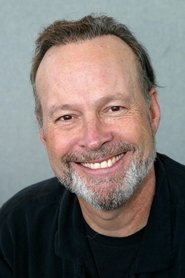 Dwight SchultzDan Potter
 Erland van LidthRonald "Fatty" Elster
 Deborah HedwallNell Potter
- Lee Taylor-AllanToni Potter
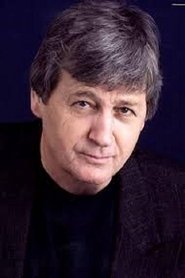 Phillip ClarkTom Smith / Skaggs
- Elizabeth WardLyla Potter
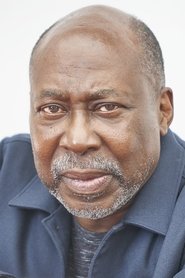 Brent JenningsRay Curtis
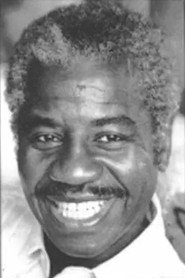 Gordon WatkinsDetective Burnett
 Carol LevyBunky
Directing
- Jack SholderDirector
- Jim BighamFirst Assistant Director
- Adrienne Hamalian-MangineScript Supervisor
- Matthew MalachSecond Assistant Director
Writing
- Jack SholderScreenplay
- Jack SholderStory
- Michael HarrpsterStory
- Robert ShayeStory
Production
- Sara RisherAssociate Producer
- Dee Dee WehleCasting Director
- Benni KorzenExecutive Producer
- Gale GoldbergLocation Manager
- Robert ShayeProducer
- Rachel TalalayProduction Accountant
- Bill HaleProduction Assistant
- Conrad FinkProduction Assistant
- David M. GoodmanProduction Assistant
- Marjorie PhillipsProduction Assistant
- Scott MacQueenProduction Assistant
- Todd RankinProduction Assistant
- William BellettiereProduction Assistant
- Linda LaiasProduction Coordinator
- Robert MaierProduction Manager
- Stephen MarroUnit Manager
Recommended by
The Burning, Maniac, The Dorm That Dripped Blood, Hell Night