
Film
Nightmares
- Horror
- Very dark
- Dip in and out
A 1983 horror anthology where four strangers confront nightmares both mundane and surreal. Each segment—a late-night drive, an arcade obsession, a desert pursuit, a rat infestation—spirals from everyday dread into something far stranger. It's uneven and low-budget, but deeply weird in that specific early-80s way: genuinely unsettling, never quite explaining itself, all atmosphere and mounting dread.
Should you watch it?
Watch it if you enjoy anthology horror built from quick, mischievous setups, where each segment is a self-contained jolt and a wink, with a grab-bag of tones that keeps the energy up.
Skip it if you want sustained dread or a single coherent story, since the four segments vary widely in strength and the whole thing feels uneven and dated in places.
What it asks of you: It runs about an hour and a half across four separate chapters, so you settle in briefly each time, and the tone resets with every new story.
Not sure? Find tonight's pick in a minute.
If you liked this
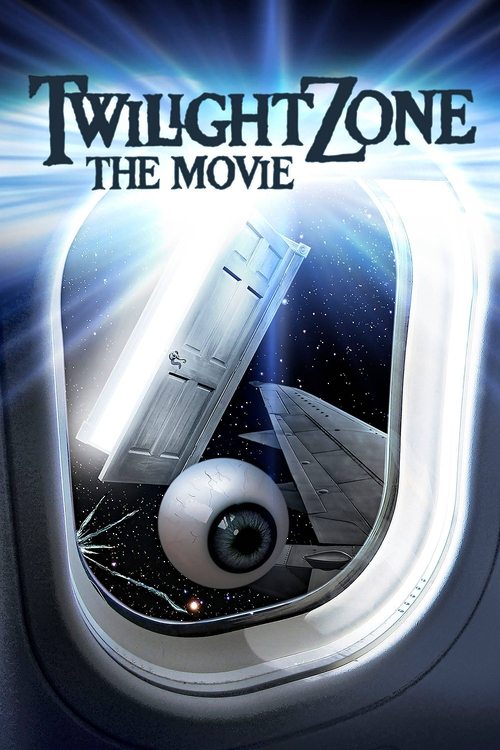
Twilight Zone: The Movie1983
Four directors, four wildly different stories—sci-fi, horror, comedy—all connected by theme rather than plot. That anthology energy, that willingness to shift tone completely between segments. The ambition and the craft are both higher, but the spirit is the same.
But Some segments land harder than others, and there's a notorious tragedy attached to one of them that casts a shadow. Not every story sings.
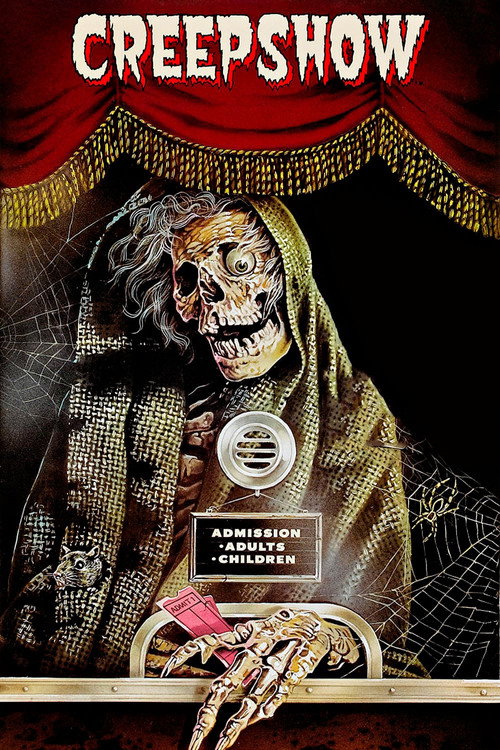
Creepshow1982
Five horror stories wrapped in a comic-book frame, playing horror and comedy off each other. Like Nightmares, it trusts you to roll with tonal shifts. It's made with genuine affection for B-movie excess, and it shows.
But It leans heavily into camp and gore—very 80s, very loud about it. If you want genuine scares rather than fun-house thrills, this isn't it.
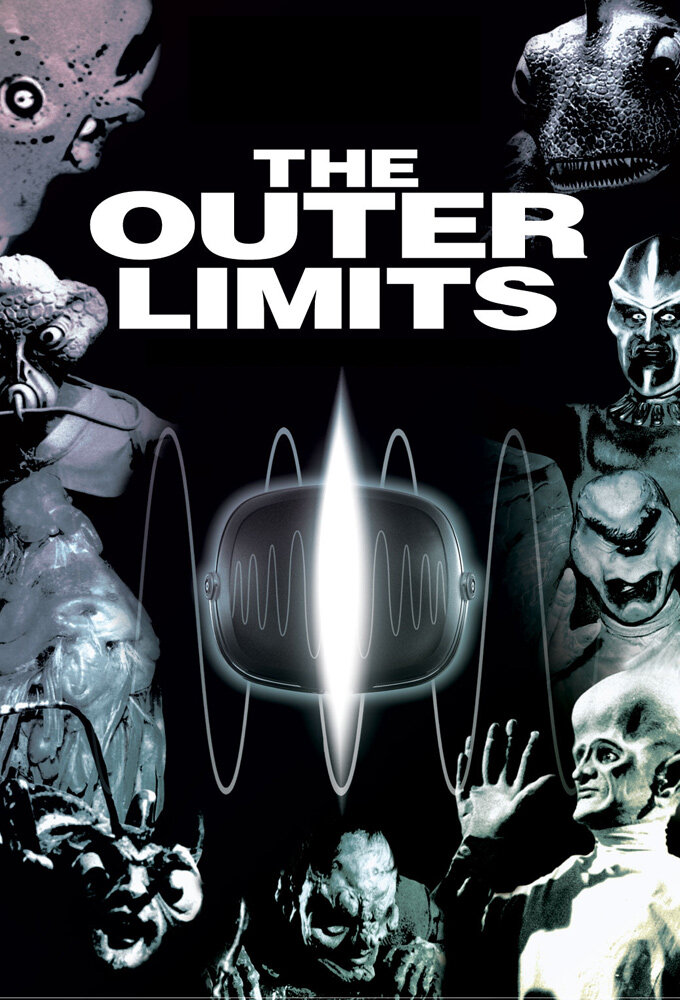
The Outer Limits1963
A 1960s sci-fi anthology that defined the form. Each episode is its own story, often ending not quite how you expect. The DNA of everything Nightmares is trying to do—unsettling premise, low budget, high weirdness—runs through here.
But Black-and-white, slow-burn pacing, no jump scares. Feels very much of its era. Some episodes are genuinely excellent; others feel padded.
Not sure tonight? Get a pick in a minute, starting from Nightmares
The wildcard
Something you would not have found on your own.
Kwaidan1965
Both trust nightmare logic over plot coherence. Both build dread through atmosphere rather than explanation. Both understand that the uncanny lives in what you don't quite understand.
Four Japanese ghost stories, each a masterpiece of visual composition and psychological horror. Like Nightmares, it's an anthology where each segment is its own world—but Kwaidan is made with such precision and beauty that it becomes something transcendent. The way it builds dread through color, sound design, and silence will destroy you.
But It's slow, meditative, and demands attention. No jump scares or gore, just the creeping certainty that something is very wrong. The final story is unfinished and dreamlike in a way that frustrates some viewers.

More like this (7)
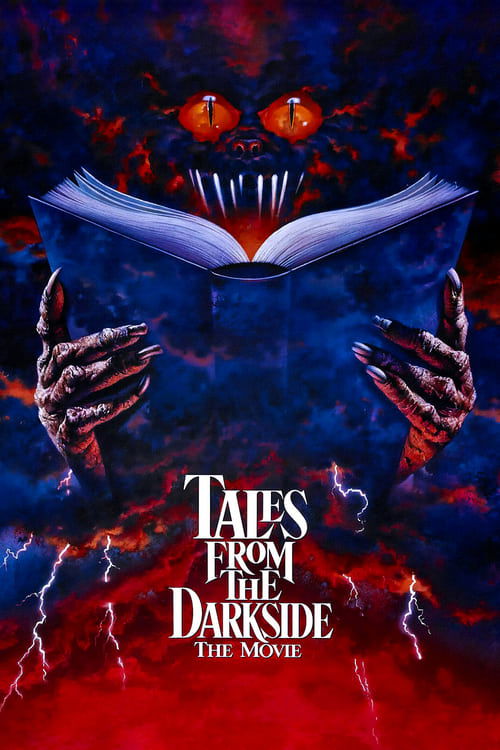
Tales from the Darkside: The Movie1990
Three horror stories framed by a fourth, all collected in a grimy, lived-in world. It has that same semi-competent, semi-inspired feeling—not polished, but genuinely committed to unsettling you. Guillermo del Toro worked on the creature effects for one segment.
But Tonal whiplash between segments; the connecting frame is weak. Some moments land, others feel like filler. The pacing can drag.
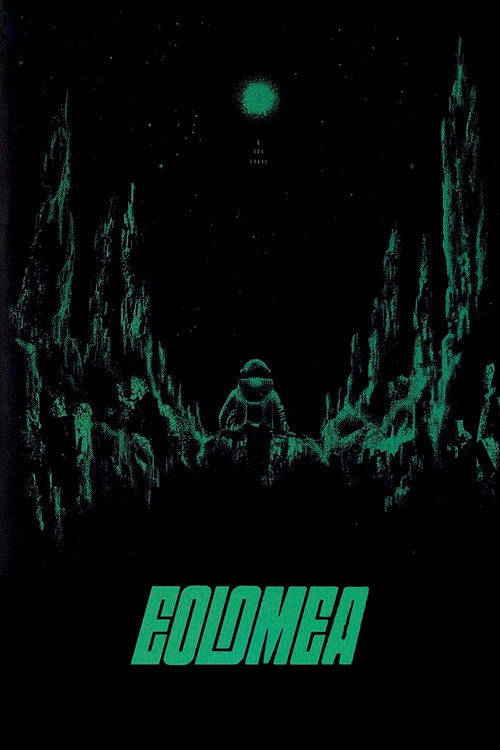
Eolomea1972
An obscure Italian sci-fi film about a woman's obsessive encounters with technology and the uncanny. It shares Nightmares' commitment to abstract dread and its willingness to let you sit in discomfort. Genuinely strange and hypnotic.
But Very slow, very quiet. Dialogue is minimal. You have to be patient with it, and it offers no explanations for what you're seeing.
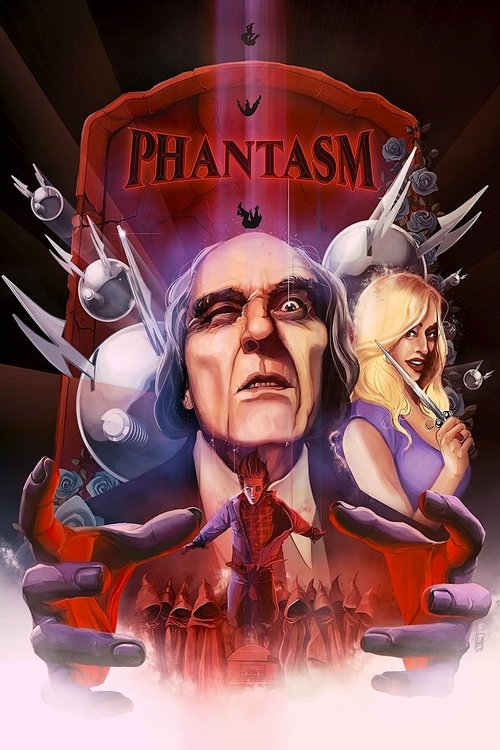
Phantasm1979
A nightmare logic film that doesn't quite make sense but absolutely *feels* correct. Surreal, low-budget, driven by atmosphere and dread. It trusts its strangeness and never apologizes for it. Unforgettable imagery.
But The plot is genuinely hard to follow. The budget shows in some scenes. Some find it cult-classic brilliant; others find it incoherent.
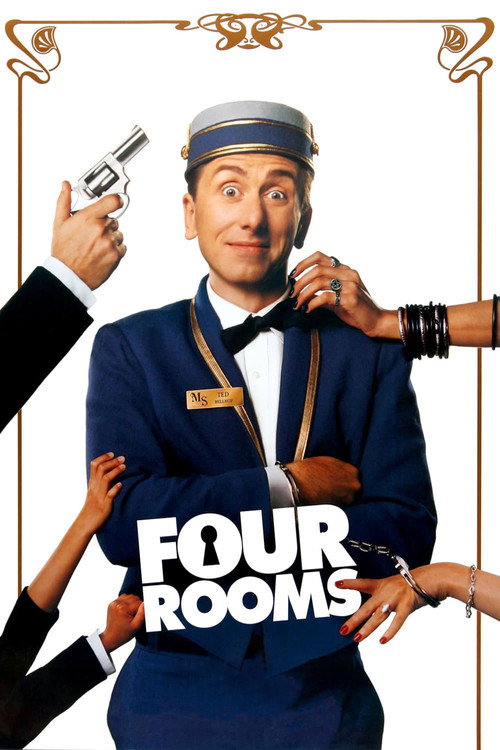
Four Rooms1995
Four different directors, four stories set in one hotel night. Each segment is its own tone and genre. The constraint forces creativity, and some segments are genuinely unsettling beneath the surface comedy.
But It's deliberately artificial and theatrical. Half the segments are forgettable. Some viewers find the whole thing overly self-conscious and hollow.
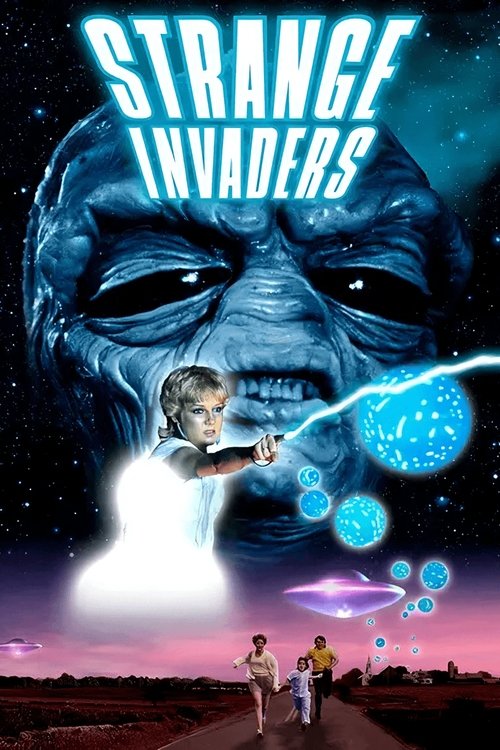
Strange Invaders1983
Released the same year as Nightmares, this low-budget sci-fi film has similar DNA—B-movie sensibility, paranoia, practical effects, and a willingness to be weird. It builds dread through strangeness rather than jump scares.
But Very much a product of its low budget and era. The effects look dated, and the pacing meanders. It demands patience.
Possession1981
Both use genre segments (horror, sci-fi, paranoia) to explore internal states. Both refuse to explain themselves. Both are more interested in the feeling of nightmare than the logic of plot.
Andrzej Żuławski's unhinged Berlin-set horror where a marriage dissolves into literal monstrosity. It's an anthology in spirit—four or five different films happening simultaneously, each pulling the narrative in a new direction. The practical effects are nauseating and brilliant.
But Extremely graphic sexual content alongside body horror. The plot is deliberately incoherent. It's exhausting to watch—visually, narratively, emotionally. Some find it genius; others find it unwatchable.

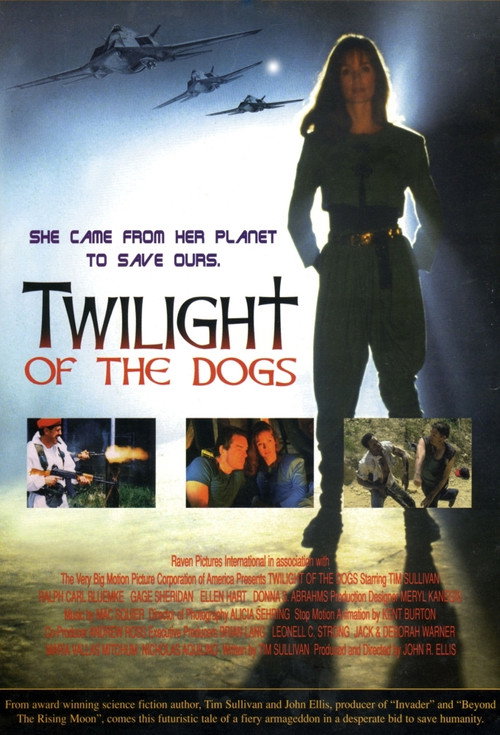
Twilight of the Dogs1995
Both are working anthologies: using the form to try different ideas, different moods, different visions without needing them to cohere. Both understand that horror and sci-fi are tools for exploring dread, not just scares.
A new anthology film—four directors, four stories set in near-future dystopia. Each segment is radically different in tone and style, but all explore the same question: what happens when systems fail? It has Nightmares' willingness to be strange and unpolished, but with contemporary craft.
But It's very recent, so finding it may require streaming services. Some segments are preachy. The tonal shifts don't always land.
People
Cast
 Cristina RainesLisa the Wife (segment "Terror in Topanga")
 Emilio EstevezJ.J. Cooney (segment "Bishop of Battle")
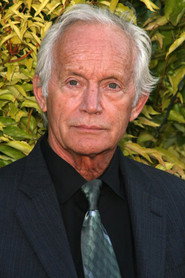 Lance HenriksenMacLeod (segment "The Benediction")
 Richard MasurSteven Houston (segment "Night of the Rat")
 Veronica CartwrightClaire Houston (segment "Night of the Rat")
 Moon Unit ZappaPamela (segment "Bishop of Battle")
 Tony PlanaFather Luis Del Amo (segment "The Benediction")
- Joe LambiePhil the Husband (segment "Terror in Topanga")
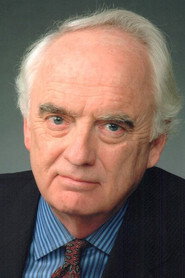 Robin GammellThe Bishop (segment "The Benediction")
 Bridgette AndersenBrooke Houston (segment "Night of the Rat")
 Albert HagueMel Keefer (segment "Night of the Rat")
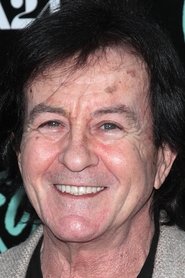 Lee VingWilliam Henry Glazier (segment "Terror in Topanga") (as Lee James Jude)
Directing
- Joseph SargentDirector
- Kevin G. CreminFirst Assistant Director
- Doug MetzgerSecond Assistant Director
Writing
- Christopher CroweWriter
- Jeffrey BloomWriter
Production
- Alan BarnetteAssociate Producer
- Anita DannCasting
- Alex BeatonExecutive Producer
- Andrew MirischExecutive Producer
- Christopher CroweProducer
Recommended by
Tales from the Hood, The Vault of Horror, Communion, Alone in the Dark, Tales of Halloween