
Film
The Vault of Horror
- Horror
- Very dark
A 1973 horror anthology where five strangers trapped in a basement swap nightmare stories—vampires, surreal killings, and gruesome divine punishment. It's deliberately theatrical, darkly comedic, and uneven; some segments land with real dread, others feel like a theatre troupe's fun night out. Best for people who like their horror playful and don't need jump scares.
Should you watch it?
Watch it if you love short, mordantly comic horror stories stitched together, the kind that trade on a neat punchline and a pinch of gore.
Skip it if the stories vary in quality and the connecting chatter drags, so if you want a single mood rather than a run of separate jolts, this will feel scattered.
What it asks of you: Think of it as five short sittings rather than one evening; the pace is brisk and talky, the gore broad and cheerful, the dread light rather than slow.
Not sure? Find tonight's pick in a minute.
If you liked this
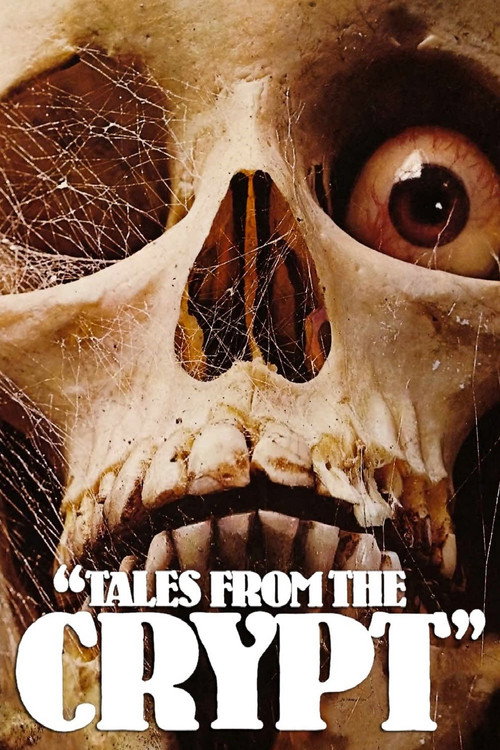
Tales from the Crypt1972
The direct prequel, same energy and sensibility. Five more nightmarish stories with the same blend of grotesque humour and genuine nastiness. If you loved the tone here, this is essential.
But It's slight and episodic—no real plot to grip you, just stories told. Some segments are much stronger than others, and the humour is very 1970s theatrical camp.
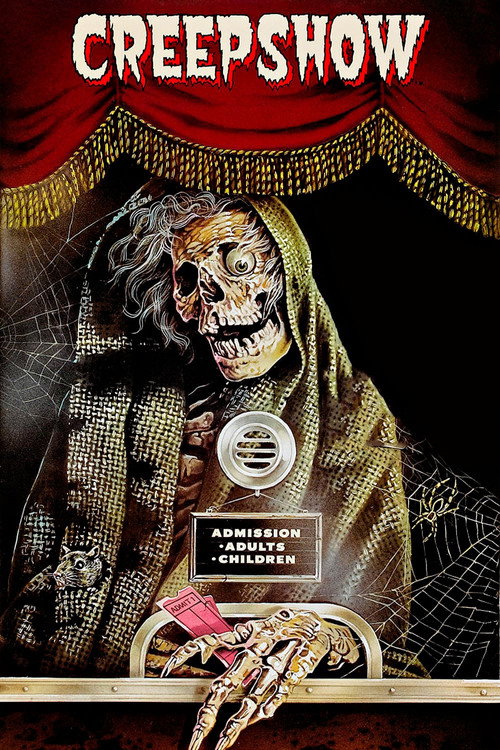
Creepshow1982
Anthology horror done with genuine affection and style. Stephen King and George A. Romero bring that same love of pulpy horror comics to life, with stories that swing between silly and genuinely disturbing.
But Quite a bit longer and more ambitious than The Vault of Horror. Doesn't have quite the same refined British gallows wit—it's brasher, louder, more American.
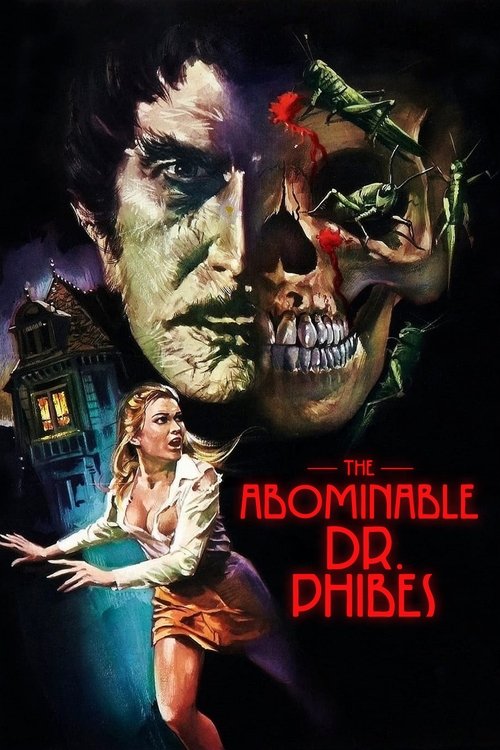
The Abominable Dr. Phibes1971
Vincent Price at his hammy, theatrical best in a gorgeous art-deco-drenched revenge fantasy. The sensibility is camp and grotesque in exactly the same register as the best Vault segments.
But Not an anthology—it's a single sustained narrative. Much more interested in style and atmosphere than plot coherence, which won't work for everyone.
Not sure tonight? Get a pick in a minute, starting from The Vault of Horror
The wildcard
Something you would not have found on your own.
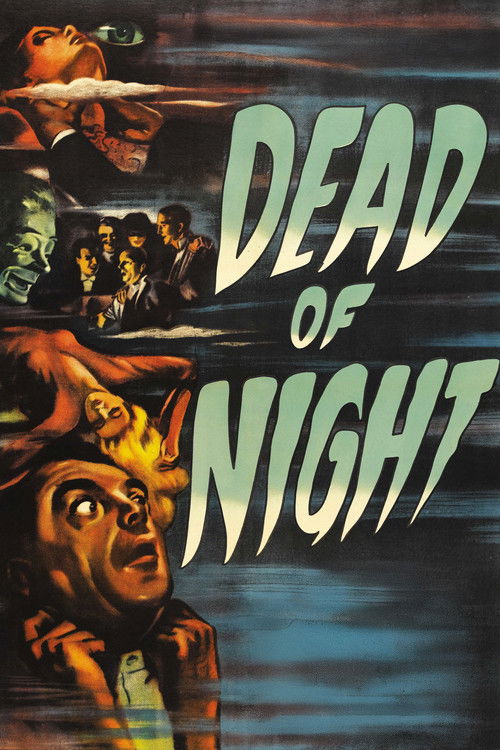
Dead of Night1945
The Vault of Horror's direct structural ancestor: same idea of strangers, same architecture of nested stories, same faith that the *telling* of horror can be as effective as gore.
A British horror anthology from the 1940s that perfected the form The Vault was playing with: strangers trapped together, trading nightmare stories, with a genuinely brilliant framing device that transforms everything. The ventriloquist's dummy segment is still genuinely disturbing.
But It's a product of the 1940s—decorous, understated, slow. The horror works through implication rather than image. Modern audiences sometimes find it quaint rather than frightening.
More like this (8)
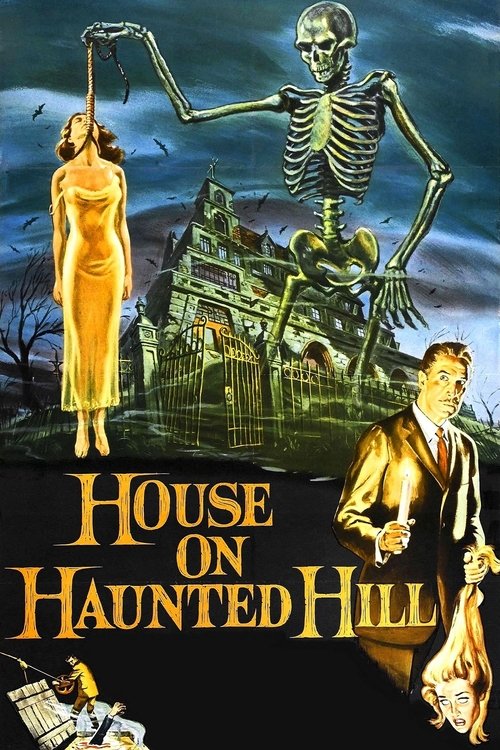
House on Haunted Hill1959
William Castle's haunted-house masterclass: fun, atmospheric, and genuinely creepy all at once. Proof that horror doesn't need blood and guts to burrow under your skin.
But Black and white and nearly seventy years old. The pacing is slow, and Castle's tricks are more cinematic than visceral—it asks patience.
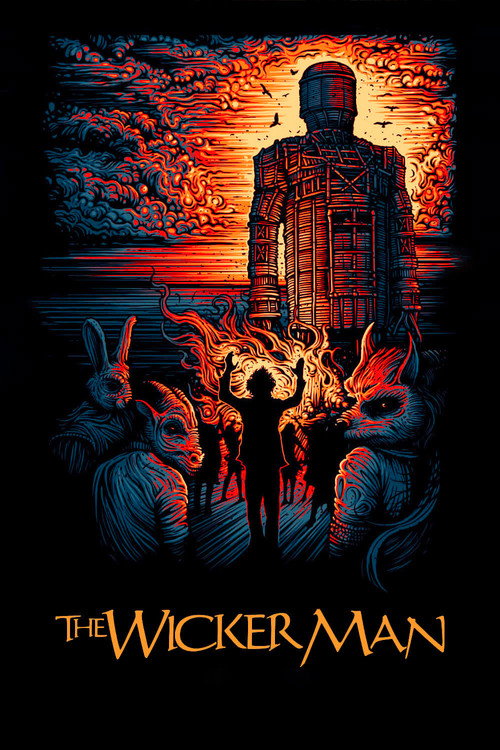
The Wicker Man1973
Made the same year, it shares The Vault's interest in folk horror and dark ceremony. A genuinely unsettling exploration of pagan sacrifice that builds to something genuinely haunting.
But Entirely sincere where The Vault is playful. Slow-burn and meditative; no humour to undercut the dread. Takes itself very seriously indeed.
Zombies of Mora Tau1957
Cheap, cheerful 1950s creature feature with genuine atmosphere. The same willingness to entertain without worrying whether it's sophisticated—pure pulpy fun.
But Deeply low-budget and forgettable. The effects are creaky, the plot threadbare, and it doesn't linger in the mind. Comfort food, not nourishment.
The Cabinet of Dr. Caligari1920
The granddaddy of psychological horror. Silent German Expressionism that proves you don't need dialogue or gore for nightmare fuel. Pure visual storytelling, unmatched visual design.
But It's 1920, silent, black and white, and the theatricality is overwhelming. Modern audiences often find it more interesting historically than actually frightening.

Suspiria1977
Dario Argento's garish, operatic fever dream about a dance academy hiding a coven of witches. Audacious in its visual excess, genuinely frightening, utterly confident in its weirdness.
But Stylish to the point of narrative incoherence. The plot barely matters; you're signing up for mood, music, and murder sequences that go on rather long.

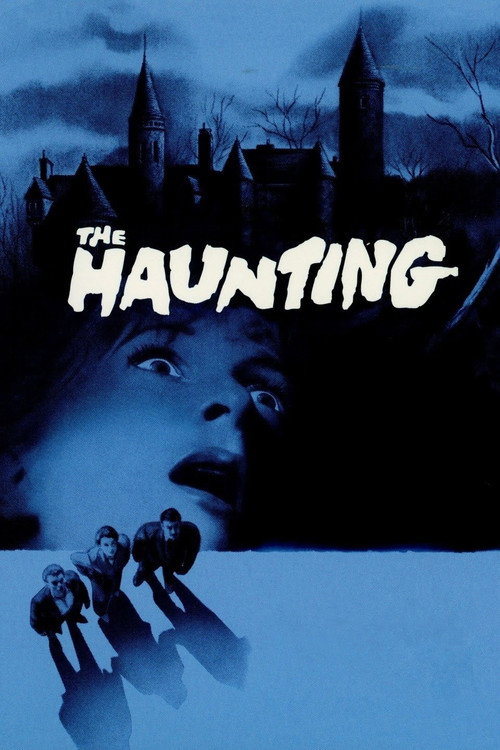
The Haunting1963
Robert Wise's masterpiece of psychological unease. A haunted house that may not be haunted, built entirely on suggestion and camera work and the slow dissolution of a character's mind.
But Very, very quiet. No scares, no gore, no answers. It trusts the audience's imagination completely, which means you have to do half the work. Not for people who need things spelled out.
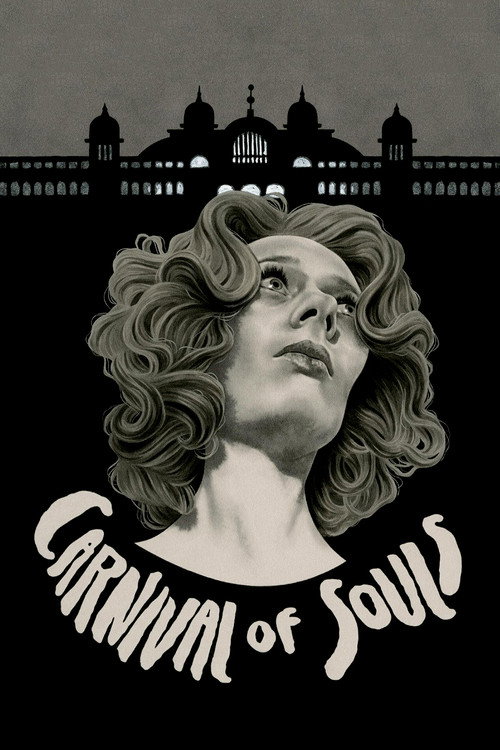
Carnival of Souls1962
Both films trust grotesque visual style and mood over narrative logic. Both are willing to be uneven and strange rather than slick. Both understand that horror lives in the *spaces* between scenes.
A genuinely strange, visually hypnotic indie horror film about a woman who may or may not be dead, made on almost no budget. The surrealism is more unsettling than anything more polished could be. Eerie, genuinely original, and completely confident in its own weirdness.
But Shot on a shoestring in black and white, with flat acting and a non-linear narrative that refuses to explain itself. Feels improvised and threadbare. The sound design is actively annoying.
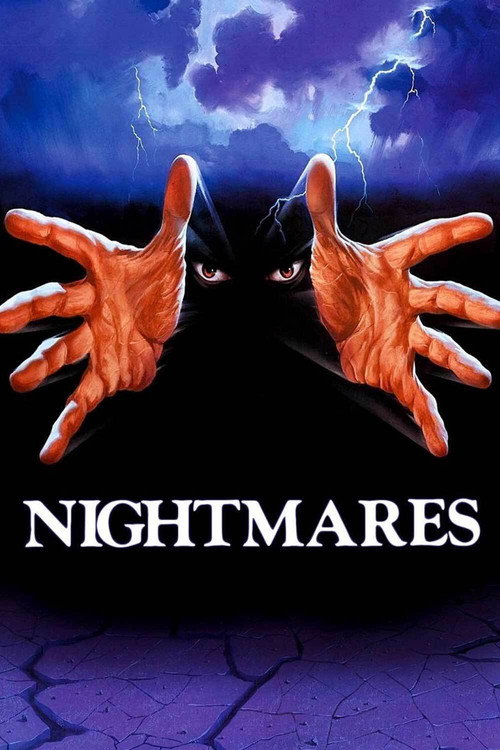
Nightmares1983
Another anthology structure, but where The Vault is playful and theatrical, Nightmares swings for genuine dread. Shows what happens when you keep the same *form* but change the *register*—both are episodic horror, but they're asking different things of you.
A horror anthology with real variety: one segment about killer hitchhikers, one about a man hunted in his car, one about a demonic video game. Made for TV but with genuine craft, directed by Joseph Sargent. Strange, effective, and totally forgotten.
But A 1983 TV horror movie means it feels cheap and earnest in equal measure. No atmosphere to speak of—just straightforward scares and a reliance on narrative rather than dread.
People
Cast
 Anna MasseyDonna Rogers (segment 1 "Midnight Mess")
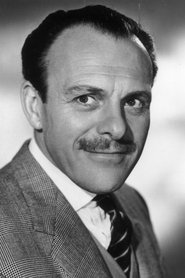 Terry-ThomasArthur Critchit (segment 2 "The Neat Job")
 Glynis JohnsEleanor Critchit (segment 2 "The Neat Job")
- John Forbes-RobertsonWilson (segment 2 "The Neat Job")
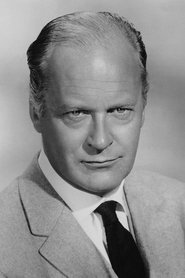 Curd JürgensSebastian (segment 3 "This Trick'll Kill You")
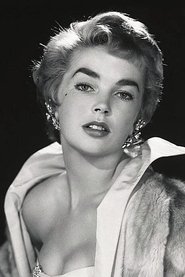 Dawn AddamsInez (segment 3 "This Trick'll Kill You")
- Ishaq BuxFakir (segment 3 "This Trick'll Kill You")
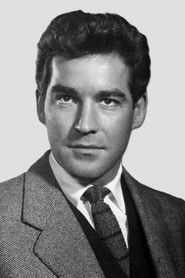 Michael CraigMaitland (segment 4 "Bargain in Death")
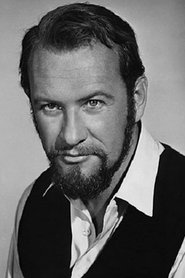 Edward JuddAlex (segment 4 "Bargain in Death")
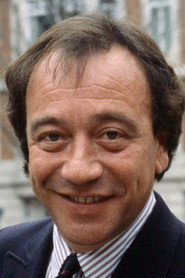 Robin NedwellTom (segment 4 "Bargain in Death")
- Geoffrey DaviesJerry (segment 4 "Bargain in Death")
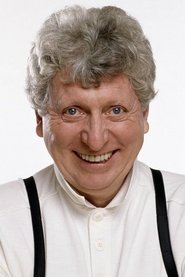 Tom BakerMoore (segment 5 "Drawn and Quartered")
Directing
- Anthony WayeAssistant Director
- Betty HarleyContinuity
- Roy Ward BakerDirector
Writing
- Al FeldsteinComic Book
- George EvansComic Book
- Jack DavisComic Book
- Jack KamenComic Book
- Joe OrlandoComic Book
- William M. GainesComic Book
- Milton SubotskyScreenplay
Production
- Ronnie CurtisCasting
- Charles W. FriesExecutive Producer
- Max RosenbergProducer
- Milton SubotskyProducer
- Teresa BollandProduction Manager
- Arthur StolnitzProduction Supervisor
Recommended by
Creepshow, Tales from the Crypt, Tales from the Darkside: The Movie