
Film
The Abominable Dr. Phibes
- Horror comedy
- Strange
A disfigured mad doctor orchestrates biblical plague-murders against the surgeons he blames for his wife's death. Vincent Price commands the screen as the titular villain in this 1971 masterpiece of camp horror—baroque, absurd, and genuinely inventive. It's a film that knows exactly what it is: theatrical, stylish, wickedly funny, and utterly committed to its own insanity. Perfect for anyone who loves horror with a wink and a grin.
Should you watch it?
Watch it if you love gleefully theatrical horror where the camp is deliberate, the murders are staged like art-deco set pieces, and a villain's grief curdles into pure showmanship.
Skip it if you want frightening horror or a tight plot; this is a 95-minute episodic parade of elaborate killings, more tongue-in-cheek than scary, and its gags can feel repetitive.
What it asks of you: Stay with its stylised, deadpan rhythm across a short feature, where the mood shifts from gothic mournfulness to wry dark comedy and back, and each sequence arrives as a little set piece.
Not sure? Find tonight's pick in a minute.
If you liked this
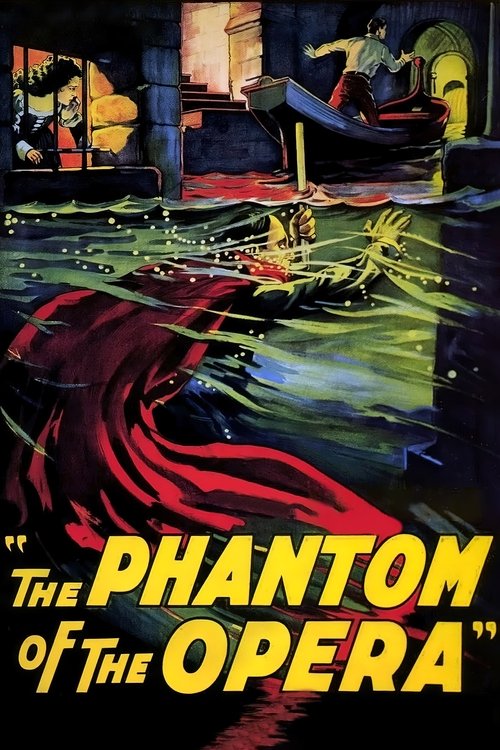
The Phantom of the Opera1925
F.W. Murnau's silent classic shares Phibes' obsession with disfigurement, theatrical revenge, and operatic melodrama. The production design is equally extraordinary, and both films understand that horror works best when it's gorgeous and a little bit ridiculous.
But Silent cinema demands patience and active engagement; if you're used to sound and dialogue, the rhythm will feel unfamiliar and potentially slow.
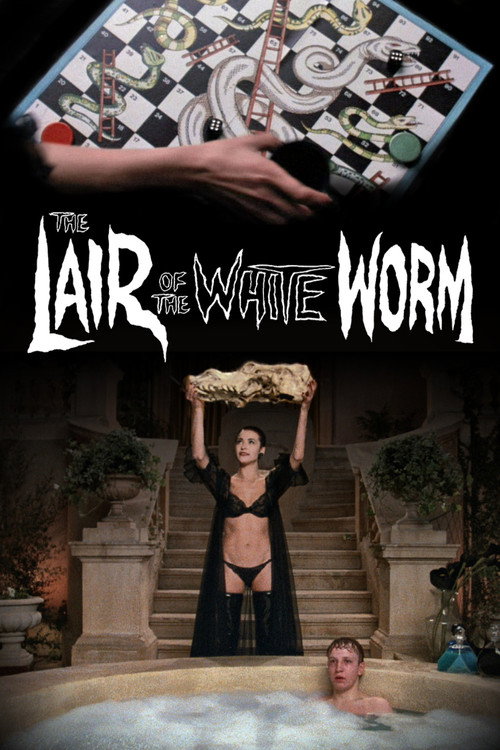
The Lair of the White Worm1988
Ken Russell's surreal, boundary-pushing horror has the same commitment to visual excess and darkly comic perversity. It treats grotesque imagery not as punishment but as style, and revels in its own baroque excess the way Phibes does.
But It's genuinely transgressive and deeply strange in ways that go well beyond Phibes. Not every frame lands, and some will find it pretentious or simply unwatchable.
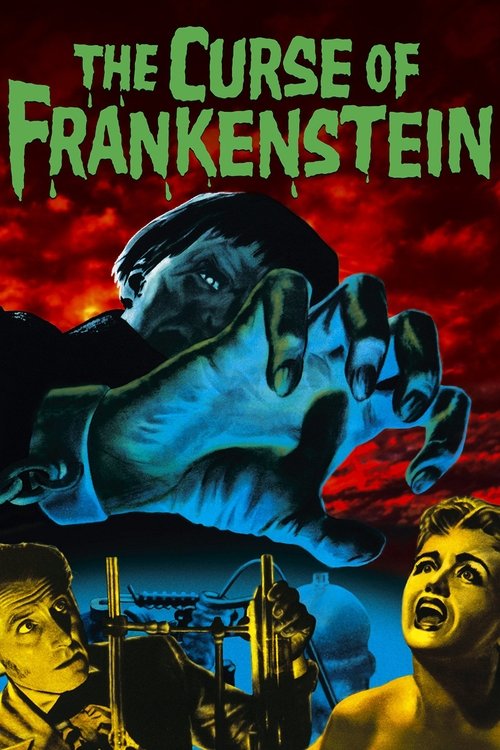
The Curse of Frankenstein1957
Hammer's ravishing Technicolor horror pioneered the lurid, design-forward approach that Phibes perfects. Peter Cushing and Christopher Lee demonstrate that horror can be both seriously acted and outrageously entertaining.
But The pacing is deliberate and the gore (by today's standards) is restrained. You're here for atmosphere and performance, not spectacle.
Not sure tonight? Get a pick in a minute, starting from The Abominable Dr. Phibes
The wildcard
Something you would not have found on your own.
Suspiria1977
Both use extraordinary visual and sonic design to create a world where logic bends and aesthetics become morality. The mad designer imposes their vision on everyone.
Dario Argento's hallucinatory masterpiece shares Phibes' commitment to production design as narrative. Colors, architecture, and sound become weapons. It's surreal where Phibes is theatrical, but both films prove that horror can be a total sensory experience.
But It's genuinely disorienting and the plot is thin to nonexistent. If you need narrative clarity, you'll be frustrated.

More like this (8)
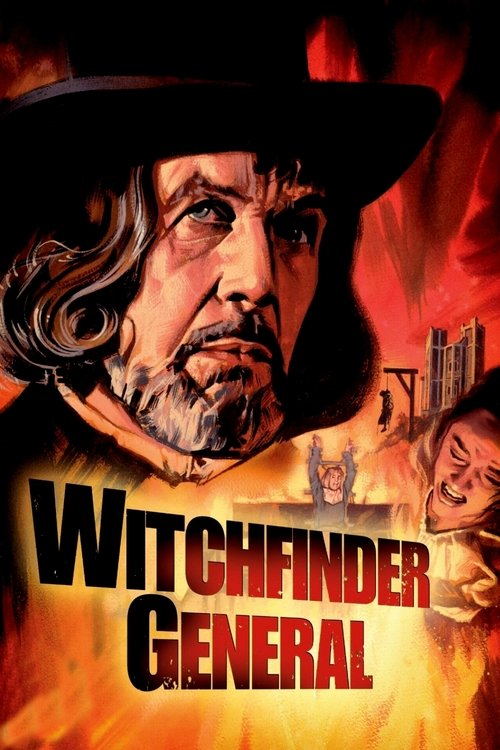
Witchfinder General1968
Michael Reeves' masterpiece is a revenge tale with the same meticulous, methodical cruelty as Phibes, though played entirely straight. It proves that the underlying DNA of Phibes' story can be absolutely devastating in the right hands.
But It's bleak, unglamorous, and genuinely disturbing rather than fun. The revenge is hollow and sickening, not cathartic.
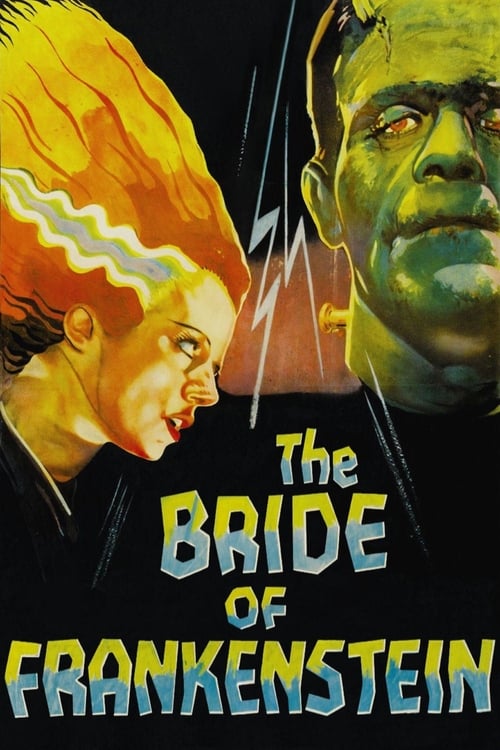
Bride of Frankenstein1935
James Whale's sequel is perhaps the greatest horror-comedy ever made—campy without being camp, tragic without being sentimental. It taught filmmakers that you can take monsters seriously while letting the audience laugh.
But The pacing is slow by modern standards, and some scenes linger in ways that feel indulgent if you're not attuned to 1930s rhythms.
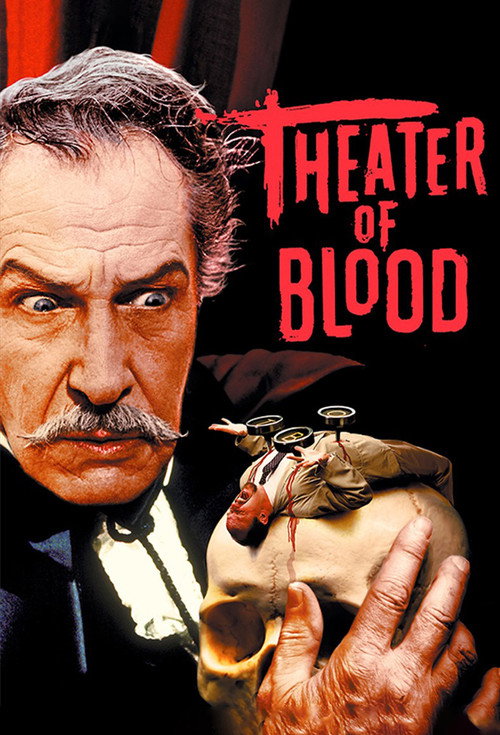
Theatre of Blood1973
Vincent Price returns as a murdered Shakespearean actor exacting revenge on theatre critics through elaborate, genre-inflected murders. It's Phibes' spiritual sibling—equally stylish, equally committed to theatrical overkill, equally fun.
But It's less elegant than Phibes and more sprawling. The tone wavers, and some murders land better than others.
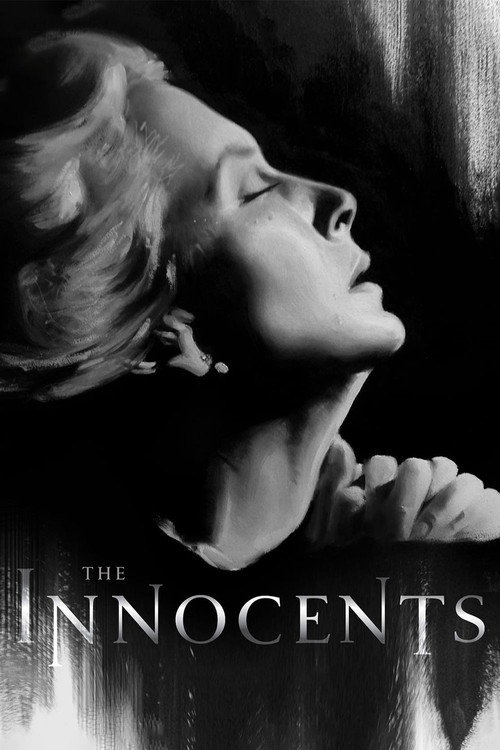
The Innocents1961
Jack Clayton's haunted-house masterpiece shares Phibes' visual sophistication and willingness to let design and suggestion do the heavy lifting. It's far more restrained and genuinely unsettling, but equally gorgeous.
But It's subtle and psychological where Phibes is operatic. If you're coming for spectacle and madness, this might feel too quiet.
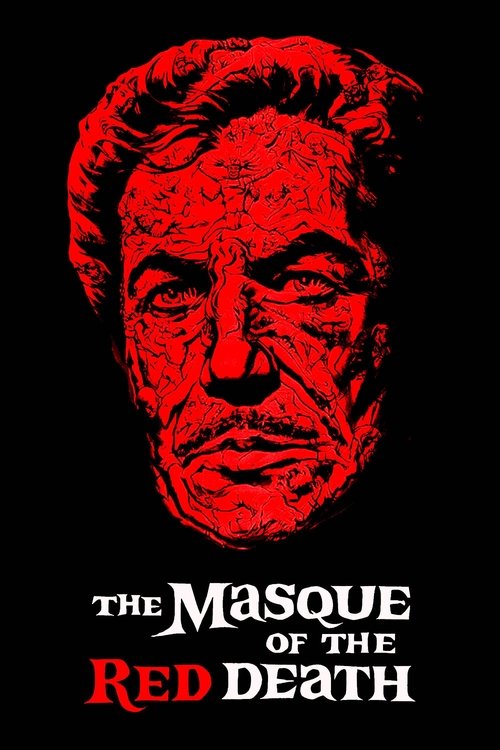
The Masque of the Red Death1964
Roger Corman's Poe adaptation has the same color-saturated, design-obsessed aesthetic and a similarly theatrical approach to plague and death. It's a film about style weaponized as meaning.
But The narrative is thin and the pacing is languid. Patient viewers will be entranced; others may find it tedious.
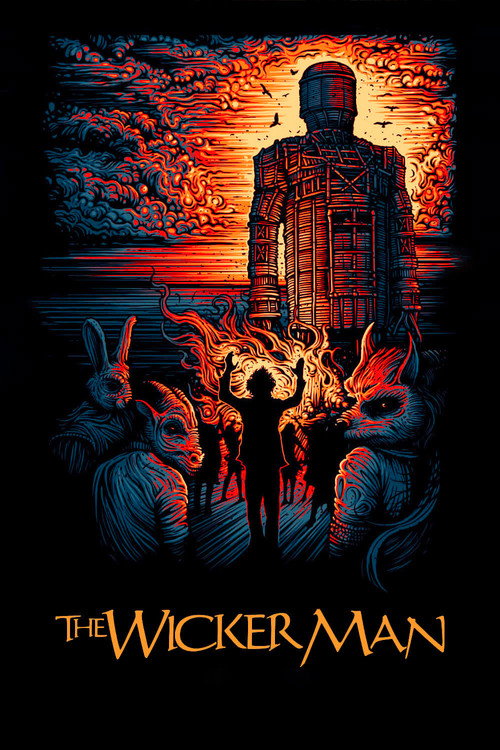
The Wicker Man1973
British folk horror at its finest: a carefully constructed revenge tale where every element serves a larger design. Like Phibes, it's about the meticulous architecture of madness, just aimed at different targets.
But It moves slowly and methodically. The horror is cumulative and philosophical rather than visceral.
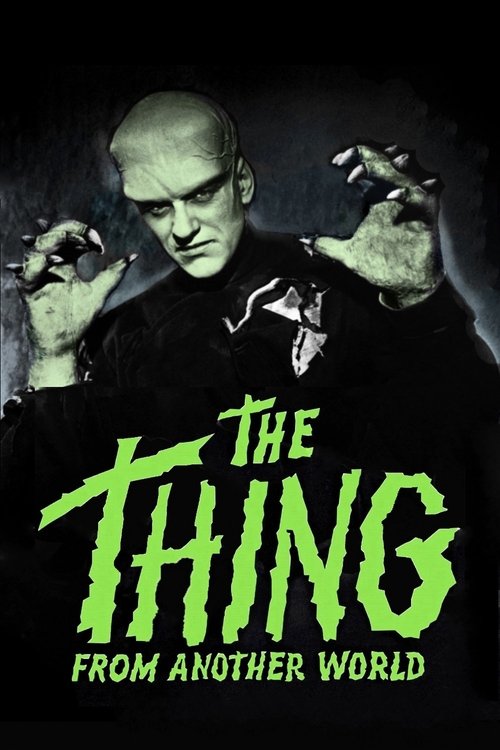
The Thing from Another World1951
Both are films where a non-human threat methodically eliminates humans and the style of killing matters as much as the outcome. Both filmmakers understood that the monster's logic is its own justification.
A 1950s sci-fi B-movie that proves spectacle and fun don't require big budgets or celebrated source material. It's the DNA of Phibes compressed into 87 minutes—committed, economical, and genuinely entertaining without a wink.
But It's dated in ways that require goodwill. You need to meet it on its own terms or the artifice will be all you see.
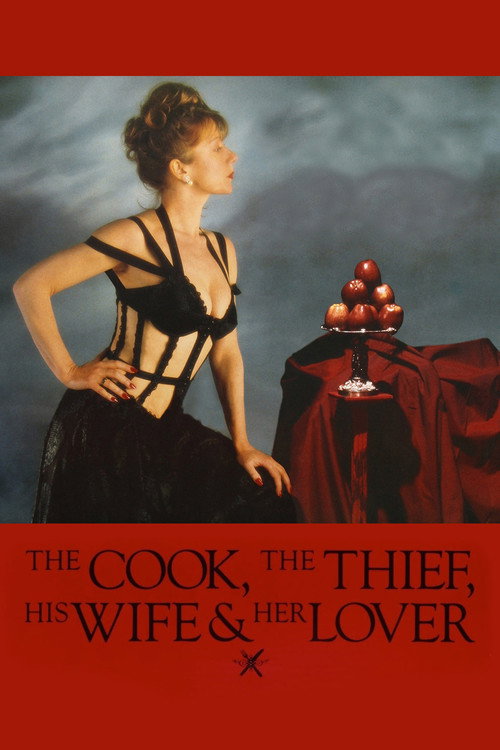
The Cook, the Thief, His Wife & Her Lover1989
Both are films by directors with a painter's sensibility who believe that visual composition and color are narrative tools. Both use design as a form of violence and constraint.
Peter Greenaway's baroque nightmare is Phibes taken to a maximalist extreme—every frame labors under artificial color, design, and symbolism. It's operatic horror where every detail screams meaning. If you loved Phibes' commitment to total aesthetic control, this is its most extreme heir.
But It's deliberately difficult, sexually explicit, and sometimes feels like punishment rather than entertainment. The style overwhelms substance and that's the whole point—which many will find exhausting.
People
Cast
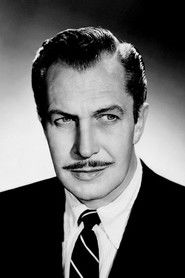 Vincent PriceDr. Anton Phibes
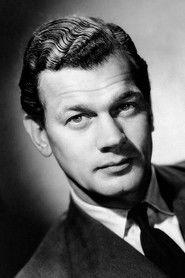 Joseph CottenDr. Vesalius
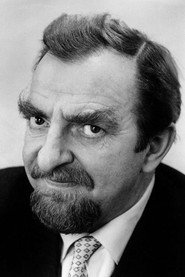 Hugh GriffithRabbi
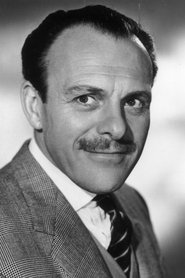 Terry-ThomasDr. Longstreet
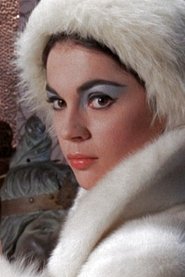 Virginia NorthVulnavia
 Peter JeffreyInspector Trout
 Derek GodfreyCrow
 Norman JonesSgt. Schenley
 John CaterSuperintendent Waverley
 Aubrey WoodsGoldsmith
 John LaurieDarrow
 Maurice KaufmannDr. Whitcombe
Directing
- Frank ErnstAssistant Director
- Gladys GoldsmithContinuity
- Robert FuestDirector
- Gary Michael WhiteThird Assistant Director
Writing
- James WhitonScreenplay
- William GoldsteinScreenplay
Production
- Sally NichollCasting
- James H. NicholsonExecutive Producer
- Samuel Z. ArkoffExecutive Producer
- Louis M. HeywardProducer
- Ronald DunasProducer
- Richard F. DaltonProduction Manager
Recommended by
The Vault of Horror, Theatre of Blood, The Blood Beast Terror, The Raven, The Flesh and the Fiends, Nocturna, Oh! Heavenly Dog