
Film
The Flesh and the Fiends
- Serial killer
- Horror
- Drama
- Very dark
A 1960 horror film that dramatizes the true story of Burke and Hare, the Edinburgh murderers who supplied corpses to an anatomist. Peter Cushing anchors a bleak, methodical examination of how intellectual ambition can rationalize evil. It's grittier than Hammer's gothic fantasies—a slow-burn moral corruption story that treats its subject with unusual seriousness.
Should you watch it?
Watch it if you enjoy period true-crime stories told with a dry, sly eye, where Cushing's cold precision and Pleasence's sniveling charm carry the unease more than gore does.
Skip it if you want shocks and gore up front; this is talky and deliberate, with its horror arriving in brief, grubby flashes and long stretches of petty scheming.
What it asks of you: Ninety-four minutes at an unhurried pace, with dread built slowly from waiting and tense conversation. It rewards patience more than it rewards attention to any single scare.
Not sure? Find tonight's pick in a minute.
If you liked this
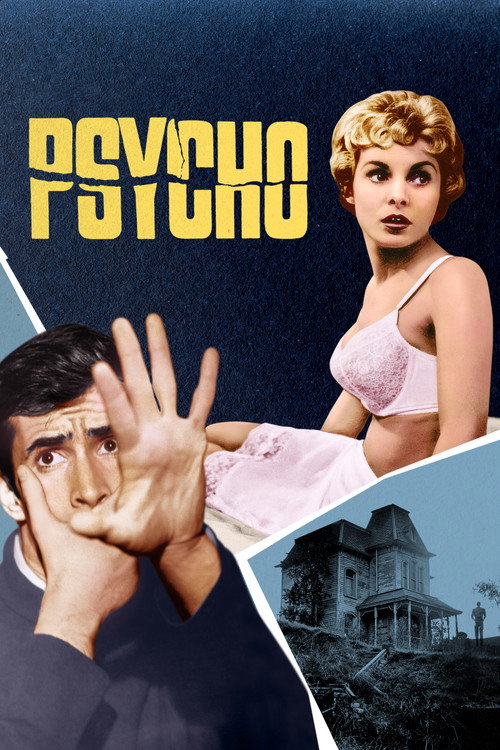
Psycho1960
Hitchcock's masterpiece about murder and madness, released the same year, with equally sophisticated direction and a protagonist audience won't quite trust. A perfect pairing for anyone ready for intelligent horror.
But The shower scene overshadows everything else for modern viewers. Knowing it might feel like watching a historical artifact rather than an immediate threat.
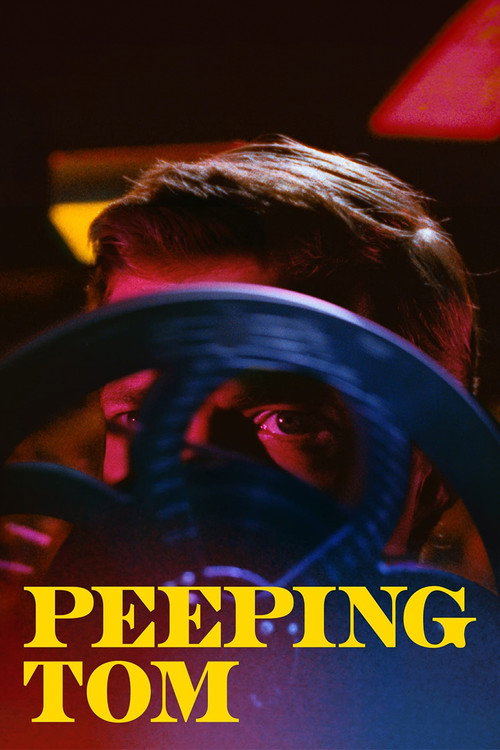
Peeping Tom1960
A British film (also '60) about voyeurism and murder that's equally unflinching about pathology. Like Fiends, it refuses to sensationalize; both films are uncomfortable by design.
But Even more alienating than Flesh and the Fiends. The protagonist is harder to watch, and the film's clinical coldness might feel punishing rather than illuminating.
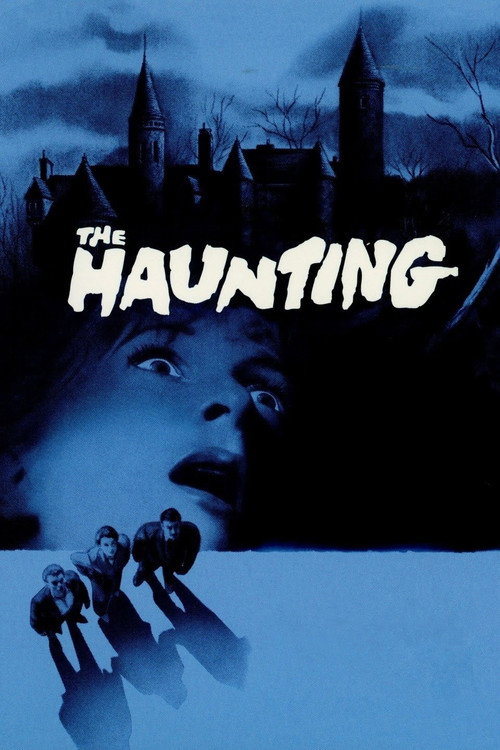
The Haunting1963
Robert Wise's psychological horror about an old house and a woman's unraveling sanity. Shares Fiends' preference for dread over gore, and both films trust the audience to sit with discomfort.
But Slow-paced even by '60s standards. The horror is entirely internal and atmospheric—if you need a clear external threat, this will feel like nothing happens.
Not sure tonight? Get a pick in a minute, starting from The Flesh and the Fiends
The wildcard
Something you would not have found on your own.
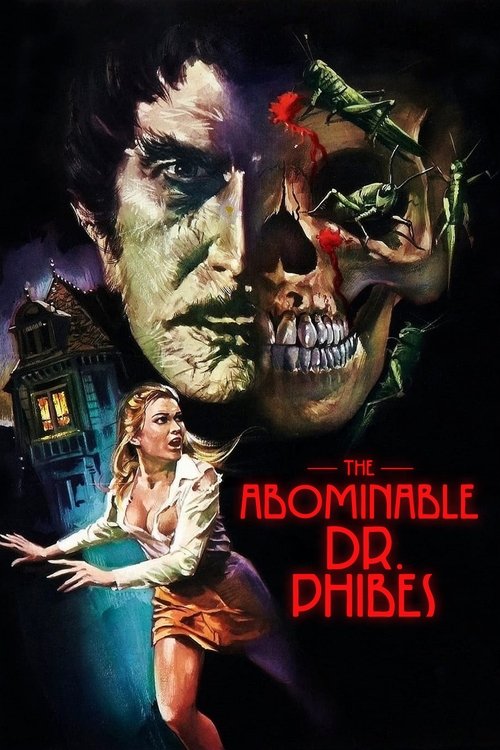
The Abominable Dr. Phibes1971
Both dramatize real historical murderers with theatrical flair, but Phibes inverts the tone entirely—making gothic artifice out of what Fiends treats as moral realism.
Vincent Price as an aristocratic avenger murdering those he holds responsible for his wife's death. Like Fiends it turns a historical murderer (the real Phibes is loosely based on Harvey Crippen) into a protagonist we understand, but this time through pure camp exuberance rather than realism. Same idea—how do we reckon with someone's humanity when they've committed atrocity—expressed in a completely different register.
But Wildly theatrical and playful about suffering. If you want seriousness and gravity, this cheerful artifice will seem tone-deaf and trivializing.
More like this (8)
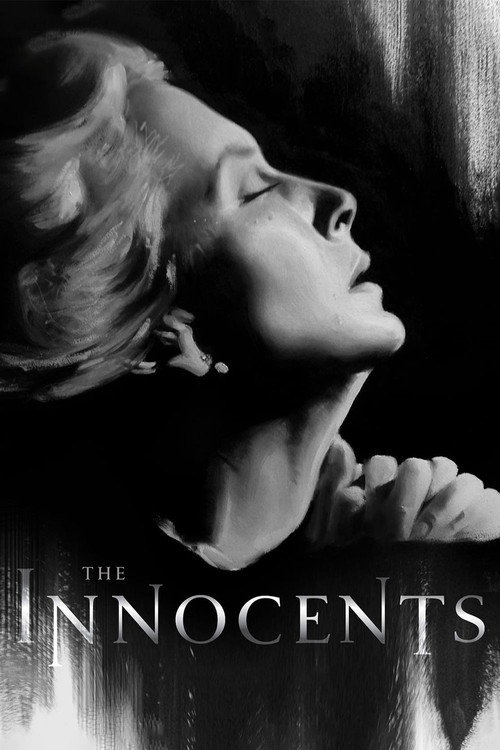
The Innocents1961
Jack Clayton's film about a governess and two children in a haunted house that may or may not be haunted. Ambiguity, psychological depth, and a similar refusal to provide easy answers about morality and sanity.
But More subtle than scary. Long stretches of tension with no payoff if you're looking for cathartic horror beats.
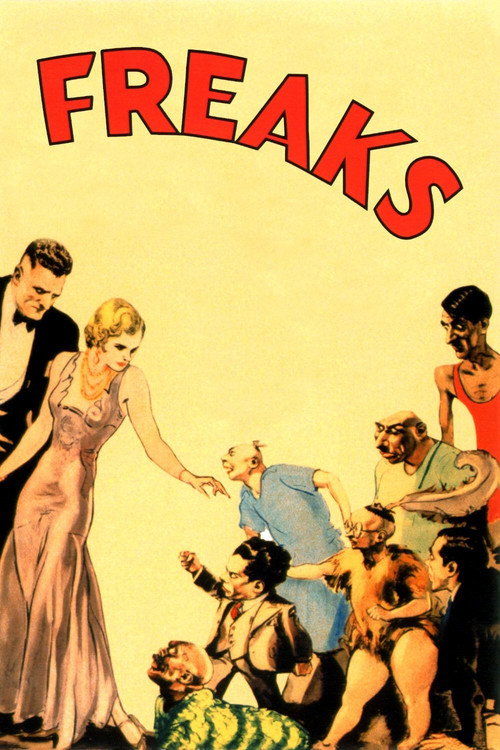
Freaks1932
Tod Browning's genuinely shocking film about circus performers that questions who the real monsters are. Like Fiends, it indicts so-called civilized society and redefines monstrosity.
But The disability representation is of its era and deeply uncomfortable. Some scenes exist partly to titillate rather than illuminate, which undermines the film's moral argument.
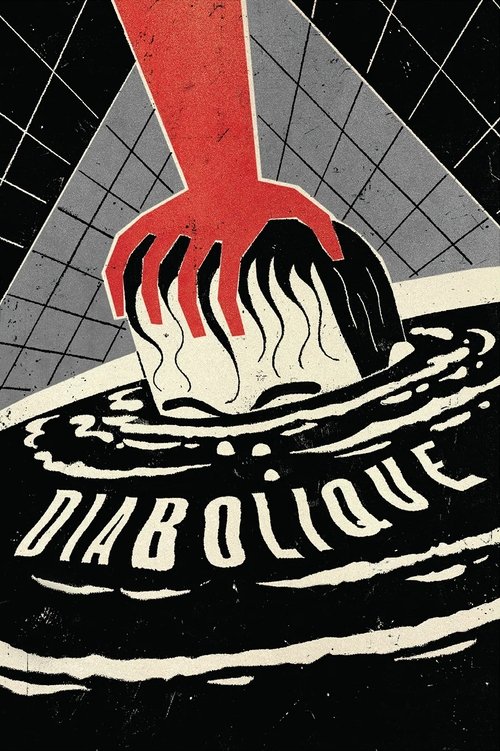
Diabolique1955
Henri-Georges Clouzot's French thriller about two women plotting a murder. Similar interest in ordinary people committing extraordinary crimes, with mounting psychological tension and no heroes.
But The ending strains credibility. It's also deeply misogynistic by modern standards, which matters when the plot centers on women as victims and perpetrators.
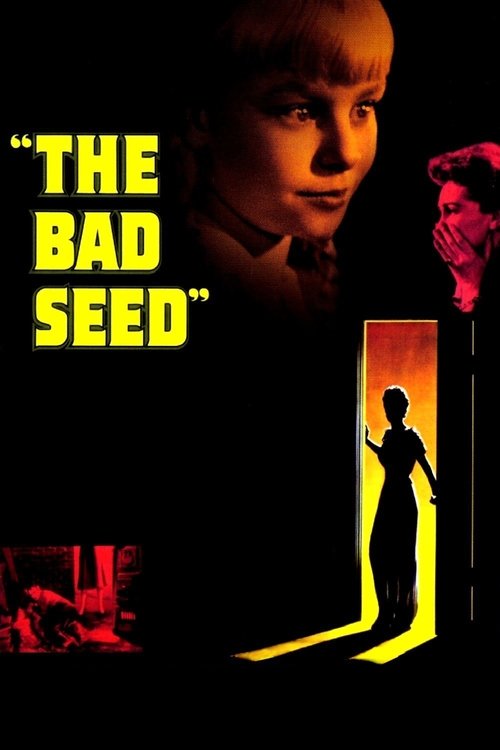
The Bad Seed1956
A child as a vessel for evil—a transgressive idea handled with genuine unease. Like Fiends, it examines how charm and intelligence can mask something rotten at the core.
But Heavy-handed moralizing and a studio-mandated ending that collapses the whole argument. The psychology feels dated and oversimplified.
Night and Fog1956
Alain Resnais's 32-minute documentary about concentration camps. Shares Fiends' commitment to historical atrocity without sensationalizing it, and similar exploration of how ordinary systems enable extraordinary evil.
But A documentary about the Holocaust, so the subject matter is unbearable by design. Some people aren't in the headspace for it, and that's completely reasonable.
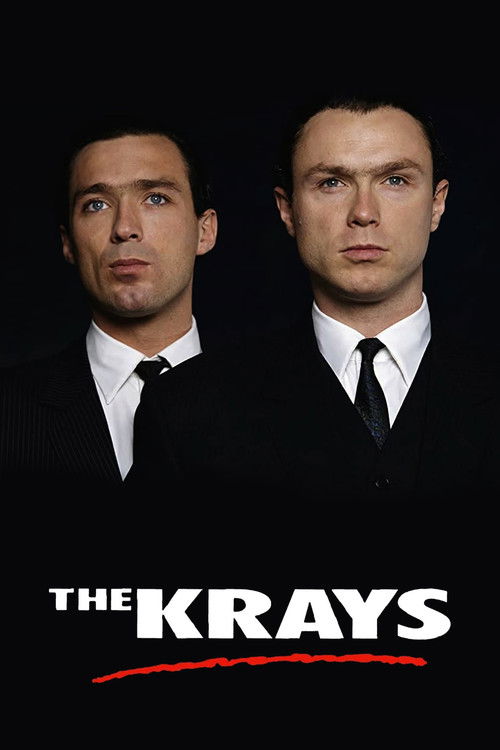
The Krays1990
A more recent true crime film about notorious British criminals. Like Fiends, it finds the human weight in historical monstrosity and doesn't flinch from moral complexity.
But More violent and sexualized than Fiends. The stylization works against rather than for the subject matter, and the film sometimes seems to revel in the violence it's depicting.
F for Fake1973
Both explore how expertise and social position allow someone to get away with transgression—Knox through scientific authority, Welles through the authority of the cinema itself.
Orson Welles's essay-film about forgery, authorship, and what we believe. Shares Fiends' fascination with how authority figures—Welles as narrator, Knox as anatomist—manipulate perception and credibility. But instead of narrative horror, this is a playful interrogation of truth itself.
But It's structurally chaotic and intellectually demanding. If you watch a film to follow a story, this will feel like watching someone show off rather than tell you something.
In Cold Blood1967
Both are rigorous true-crime films from classic cinema that treat murderers as human beings without excusing what they've done, but they reach very different conclusions about why people kill.
Richard Brooks's adaptation of Capote's true-crime novel about a real Kansas farmhouse murder. Like Fiends, it's a procedural treatment of actual violence that respects the victim and refuses sensationalism. But it's American, it's shot in stark black-and-white, and it carries a very different moral weight—less about the grandiose rationalization of crime and more about random, senseless evil.
But The killers are sympathetic in ways that feel wrong. There's no grand intellectual justification, just poverty and damaged childhoods, which some viewers experience as excuse-making.
People
Cast
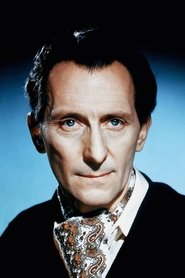 Peter CushingDr. Robert Knox
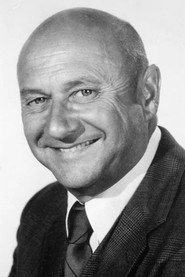 Donald PleasenceWilliam Hare
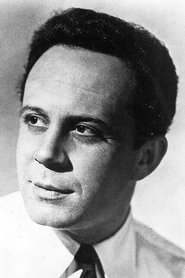 George RoseWilliam Burke
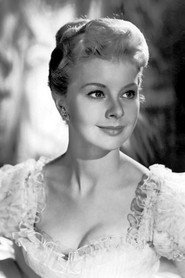 June LaverickMartha Knox
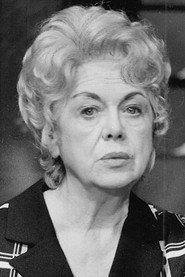 Renée HoustonHelen Burke
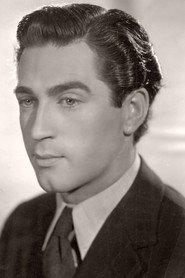 Dermot WalshDr. Geoffrey Mitchell
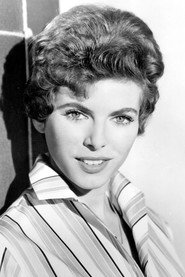 Billie WhitelawMary Patterson
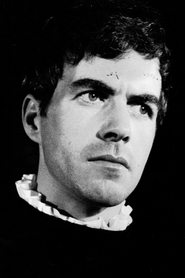 John CairneyChris Jackson
 Melvyn HayesDaft Jamie
- June PowellMaggie O'Hara
 Andrew FauldsInspector McCulloch
 Philip LeaverDr. Elliot
Directing
- John GillingDirector
Writing
- John GillingOriginal Story
- John GillingScreenplay
- Leon GriffithsScreenplay
Production
- Monty BermanProducer
- Robert S. BakerProducer
- Jack SwinburneProduction Manager