
Film
The Sadistic Baron Von Klaus
- Horror
- Very dark
A 1962 Spanish horror film steeped in gothic atmosphere and brutal sadism. The Sadistic Baron Von Klaus feels like fever-dream cruelty wrapped in period costume—visceral, claustrophobic, and genuinely unsettling in ways that cheap jump-scares never manage. For devotees of European horror's grittier traditions, before American slasher formulas calcified everything into a template.
If you liked this
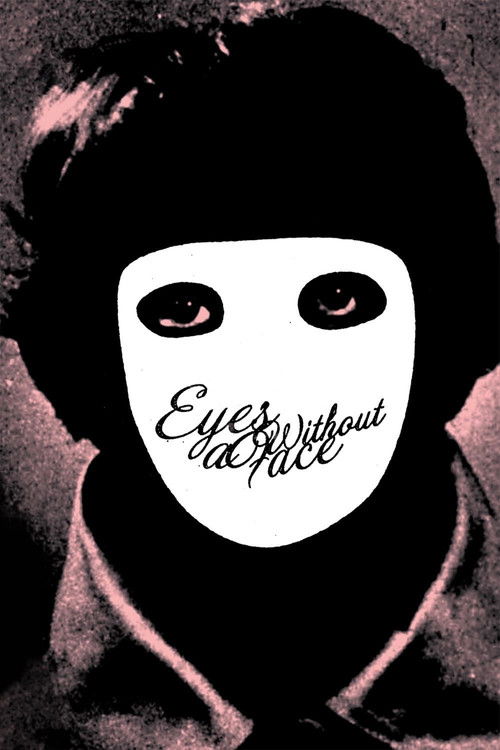
Eyes Without a Face1960
Franju's masterpiece of surgical horror and moral decay. A surgeon's obsession unfolds with the same cold precision and dread that Von Klaus generates—less about shock, more about witnessing something fundamentally corrupt.
But The pacing is deliberate to the point of hypnotic. If you need action or momentum, this will feel glacial.
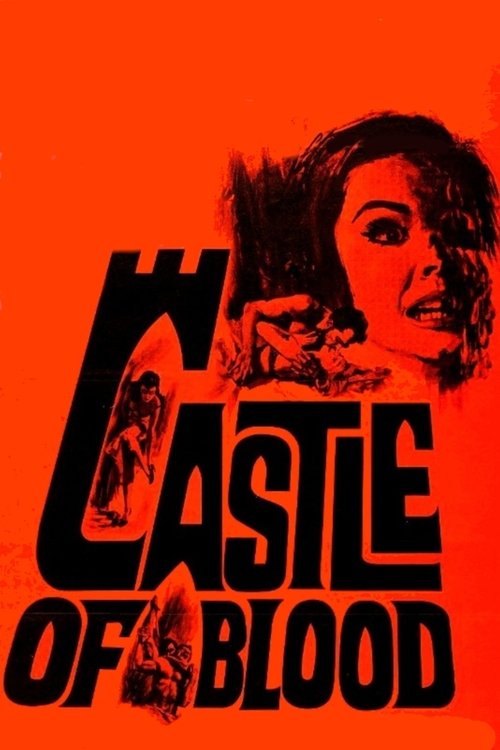
Castle of Blood1964
Antonio Margheriti's gothic mystery with Barbara Steele. Atmospheric, menacing, and structurally clever—a haunted-castle film that actually uses its setting as a character, much like Holfen itself.
But The dubbing is audible and sometimes jarring. Special effects are minimal and show their age without apology.
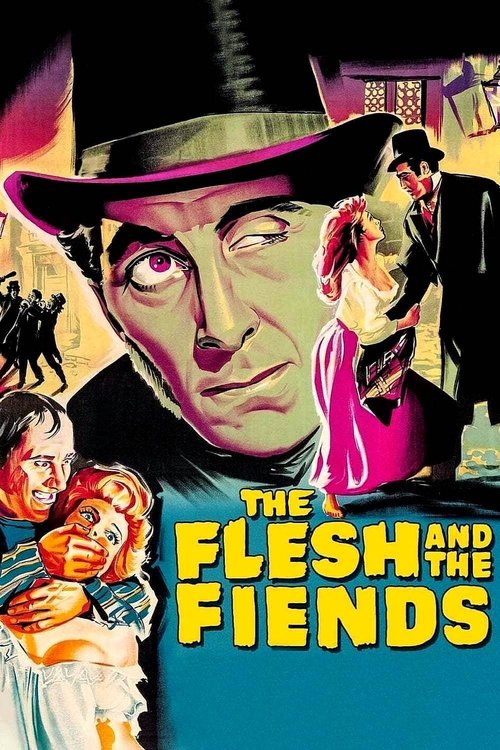
The Flesh and the Fiends1960
Based on Burke and Hare, this is historical horror with psychological teeth. Peter Cushing as a doctor rationalist confronting the monstrosity of his own ambitions—a thematic cousin to Von Klaus's internal corruption.
But Graphic for its era, which paradoxically makes it less impactful to modern eyes. Some scenes feel suggested rather than shown.
Not sure tonight? Get a pick in a minute, starting from The Sadistic Baron Von Klaus
The wildcard
Something you would not have found on your own.
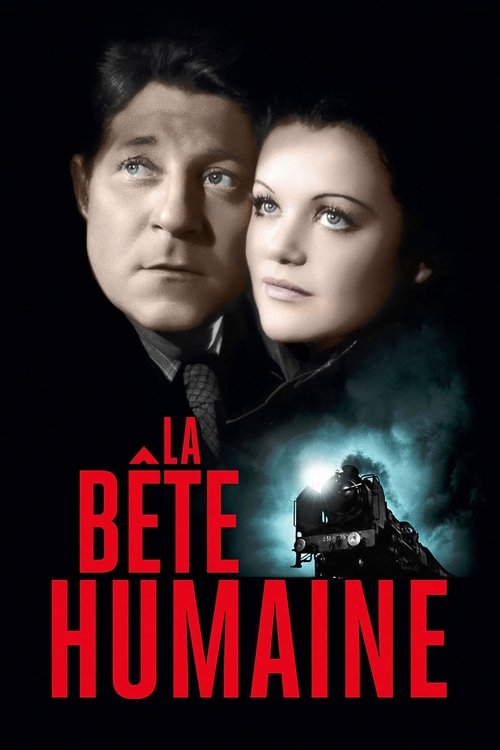
La Bête Humaine1938
Both are about men whose cruelty is not learned but constitutional, and the powerlessness that knowledge brings. The same terrible anatomy.
Renoir's masterwork about a railway worker's uncontrollable sadistic urges—the same engine of human cruelty that drives Von Klaus, but in naturalist French cinema. A man cannot escape what he is wired to become. Infinitely more sophisticated, infinitely sadder.
But It's a 1938 film with minimal music and extended dialogue scenes. The sadism is psychological, not visual—you must infer the darkness rather than see it.
More like this (8)
Suspiria1977
Argento's kaleidoscopic nightmare about a dance academy concealing something hideous. If Von Klaus is claustrophobic sadism, Suspiria is baroque paranoia—both achieve dread through atmosphere and design rather than exposition.
But The plot barely coheres. Argento prioritizes visual and sonic texture over narrative logic, which either transfixes or frustrates.

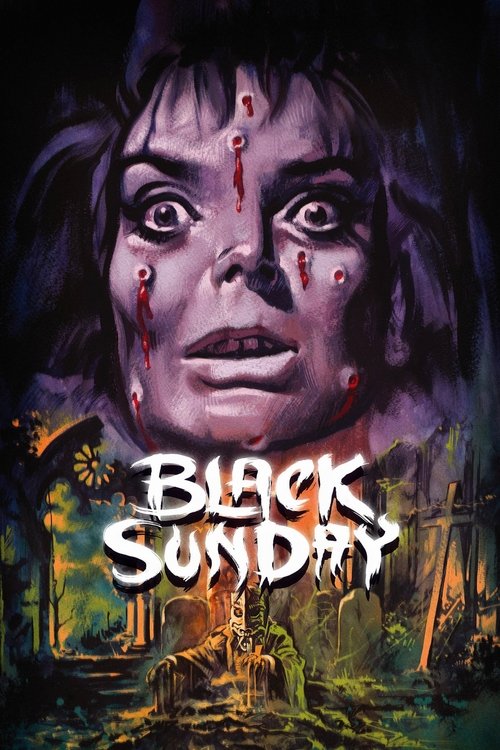
Black Sunday1960
Bava's vampire tale with Barbara Steele, shot in gorgeous black and white. A film about curse and cruelty with the same period-horror texture and visual precision that Von Klaus aspires to.
But Dialogue is stilted, even for the era. The English dubbing sometimes works against the mood rather than for it.
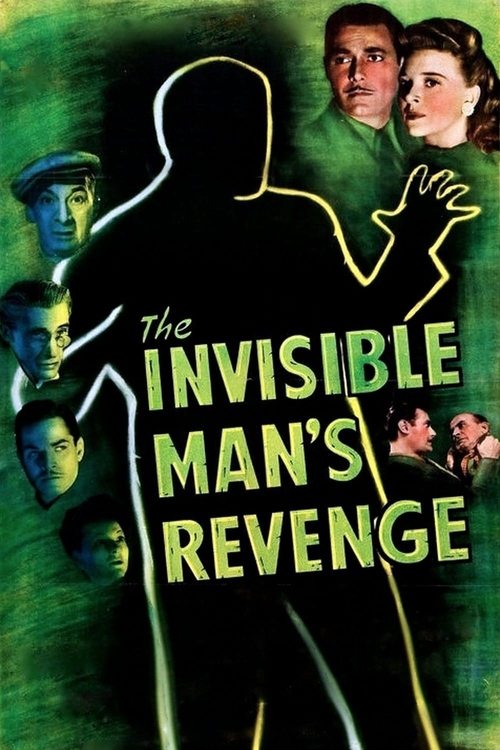
The Invisible Man's Revenge1944
Universal horror with an unusually bitter edge—a wronged man's invisibility becomes an excuse for casual cruelty. Thematically aligned with Von Klaus's exploration of power and unchecked sadism.
But As a Universal-era film, it's constrained by studio conventions. The darkness remains mostly implied rather than explicit.
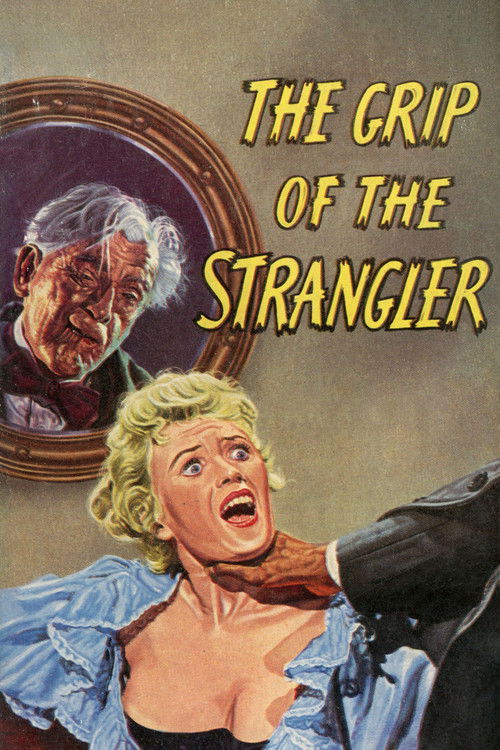
Grip of the Strangler1958
A divided-mind psychological horror where an obsessive investigator becomes complicit in the crimes he investigates. That moral vertigo—is the protagonist victim or perpetrator?—echoes Von Klaus's central unease.
But The production values are threadbare. It looks like a television episode stretched into feature length, which matters if you need craft.
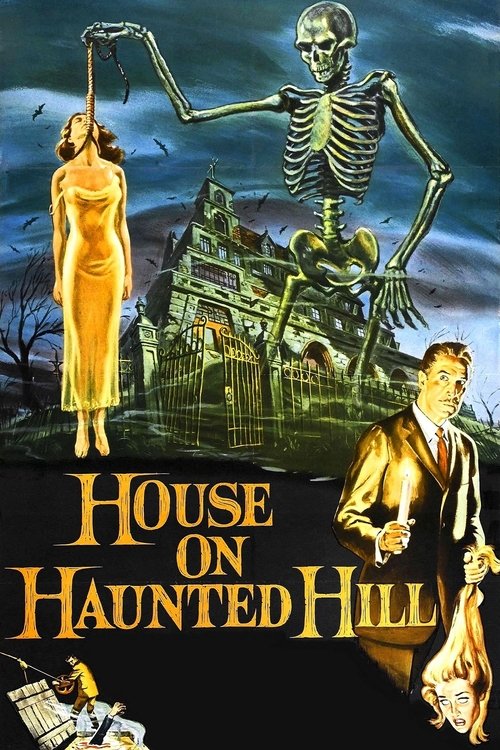
House on Haunted Hill1959
William Castle's gothic murder mystery trades atmosphere for mechanics, but does so with genuine ingenuity. A group trapped in a mansion with secrets and danger—the trapped-room tension resembles Von Klaus's oppressive village setting.
But It's more puzzle-box than psychological depth. If you want interior horror, this is exterior mechanics.
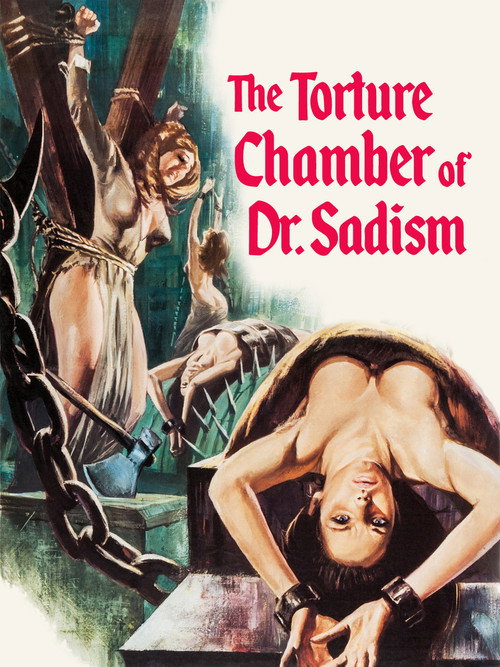
The Torture Chamber of Dr. Sadism1967
Italian Gothic exploitation that doesn't apologize for its cruelty. Raw and unpretentious, it shares Von Klaus's willingness to sit with sadism as a subject rather than sanitize it for comfort.
But It's genuinely trashy—incoherent plotting, purple dialogue, zero subtlety. That's partly the point, but only if you're in the mood for it.
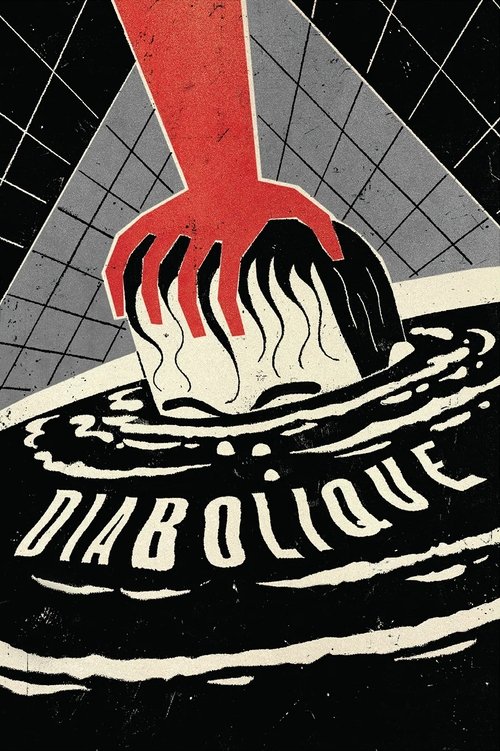
Diabolique1955
Both ask what happens when cruelty becomes domestic, when the horror is not a stranger's curse but a neighbor's nature.
Clouzot's masterpiece is the opposite register—a thriller about women conspiring to murder a man, not a man murdering women. But it shares the same obsession with guilt, complicity, and the way evil seeds itself in ordinary places. The tub scene is unforgettable.
But It's a thriller mechanics-first, atmosphere-second. Some viewers find it dated or slow. And if you know the ending, the first watch is already compromised.
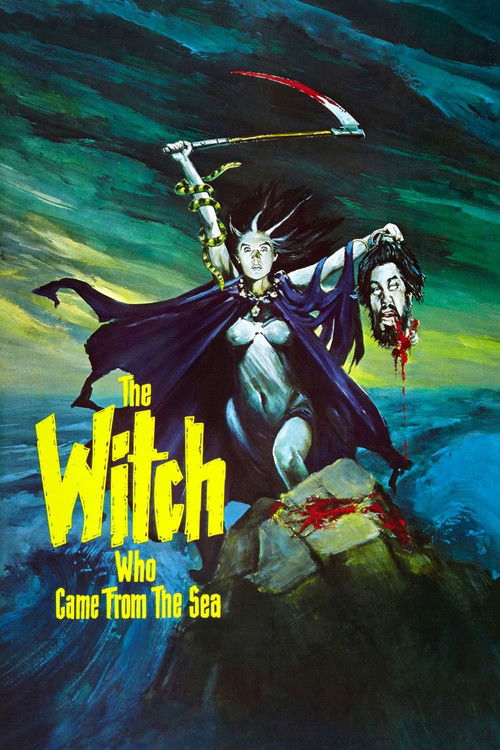
The Witch Who Came from the Sea1976
Both interrogate cruelty as a kind of madness—the sadist and the traumatized woman are two sides of the same coin of corruption, one active and one reactive.
An American experimental horror film about a woman whose fractured mind spawns violent revenge. It's surreal, obscene, deeply weird—sadism filtered through female trauma rather than aristocratic sadism. Visually stunning, tonally jagged, nothing like anything else.
But It's nearly incomprehensible. The narrative dissolves into fever-dream logic, non-linear and hostile to clarity. Some of the imagery is genuinely nauseating.
People
Cast
 Ana CastorLida
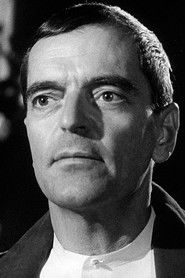 Howard VernonMax von Klaus
 Paula MartelKarine
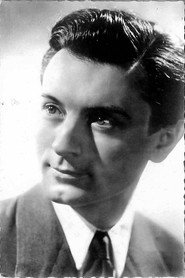 Georges RollinInspector Borowski
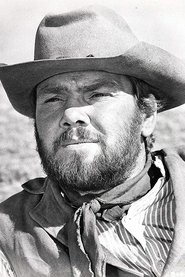 Hugo BlancoLudwig von Klaus
 Gogó RojoMargaret
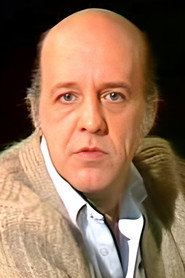 Fernando DelgadoKarl Steiner
 Manuel AlexandreTheo (uncredited)
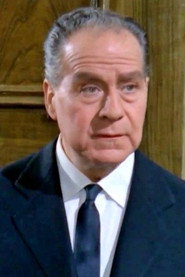 Emilio AlonsoPolice Sergeant (uncredited)
- José Carlos ArévaloHelmund (uncredited)
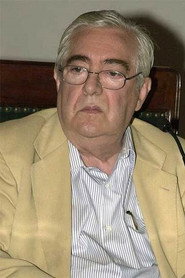 José Luis CollHotel Guest (uncredited)
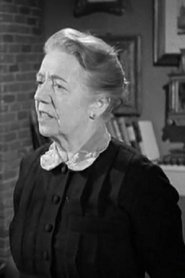 María FrancésElisa von Klaus (uncredited)
Directing
- Jesús FrancoDirector
Writing
- Rene SebilleAdaptation
- Jesús FrancoScreenplay
- Jesús FrancoStory
Production
- José López BreaProducer
- Marius LesoeurProducer