
Film
Horrors of the Black Museum
A pulp crime novelist becomes obsessed with real murders that mirror his macabre fiction, leading him into a nightmarish collision between imagination and reality. This 1959 British horror film trades subtlety for visual transgression, reveling in grotesque set pieces and the ghoulish appeal of violence as entertainment. It's for those who appreciate horror that doesn't apologize for being exploitation.
If you liked this
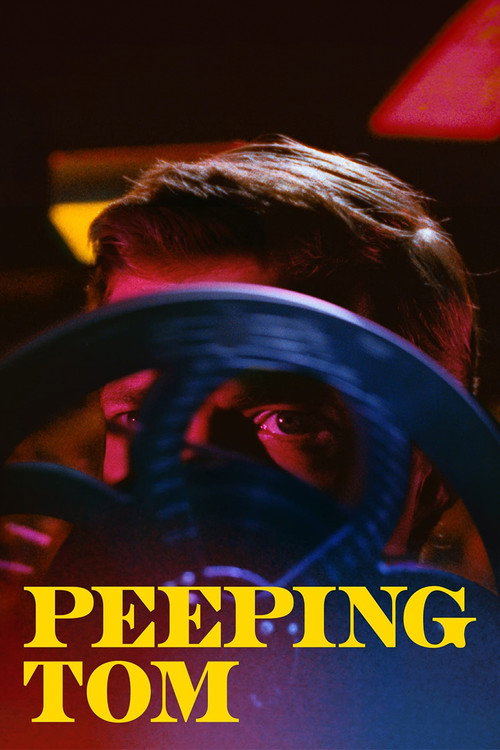
Peeping Tom1960
Michael Powell's masterpiece about a filmmaker who records murders explores cinema's power to fascinate and corrupt. Shares the obsession with documenting violence and the blurring of art and atrocity that haunts Black Museum.
But Slow-burn psychological horror with an arthouse sensibility; some find its meditative pacing remote compared to pulpier thrills.
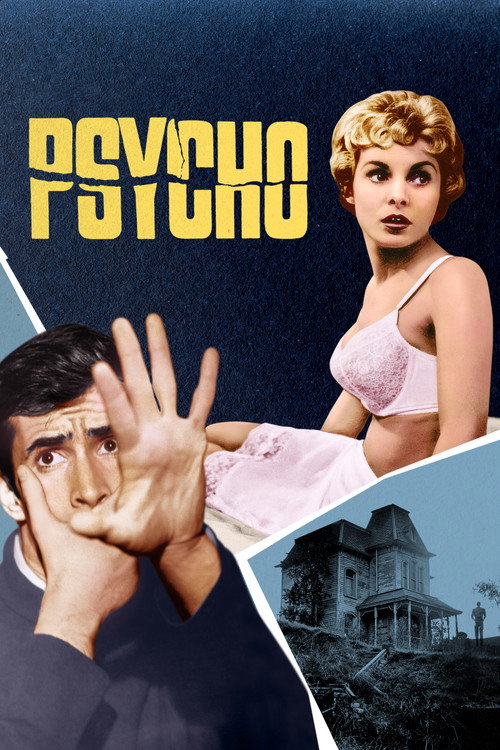
Psycho1960
Hitchcock's breakthrough thriller about a deeply disturbed killer. Both films treat their murderers as central figures and dwell on pathology with a fascination that feels more honest than moralizing.
But Much more famous, so the twist may be spoiled. Also considerably more restrained in its visual approach to violence.
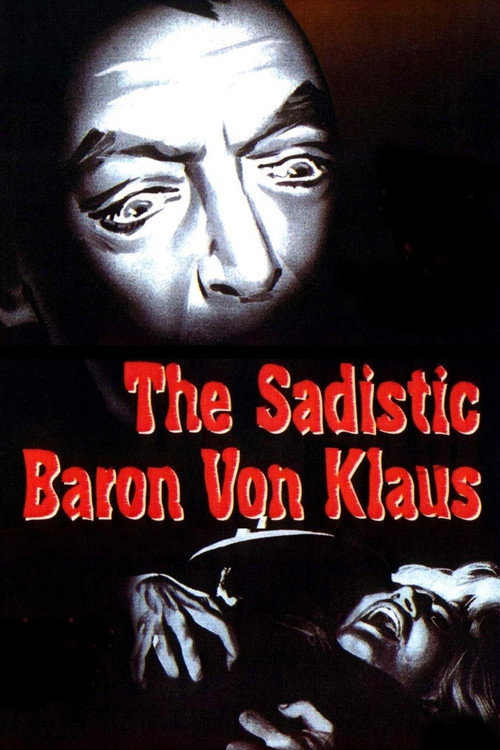
The Sadistic Baron Von Klaus1962
Italian giallo that shares Black Museum's gleeful exploitation of brutal murder sequences and a protagonist drawn into darker impulses. Maximalist, unapologetic horror spectacle from the same tradition.
But Even more obscure and harder to find. The plot logic is Byzantine and frequently nonsensical.
Not sure tonight? Get a pick in a minute, starting from Horrors of the Black Museum
The wildcard
Something you would not have found on your own.
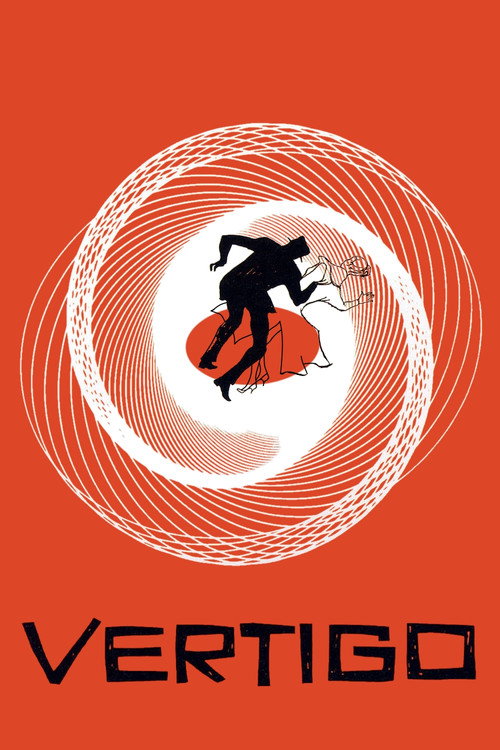
Vertigo1958
Both are about men whose fantasies become lethal; both use cinema itself as the instrument of their obsession.
Hitchcock's masterwork about obsession, performance, and the murderous intensity of desire. A man becomes so fixated on recreating an ideal that he destroys what he loves—Black Museum's psychological core transplanted into something infinitely more sophisticated.
But Three and a half hours, no murders for much of it, and the emotional payoff requires patience with abstraction and ambiguity that genre fans often resist.
More like this (7)
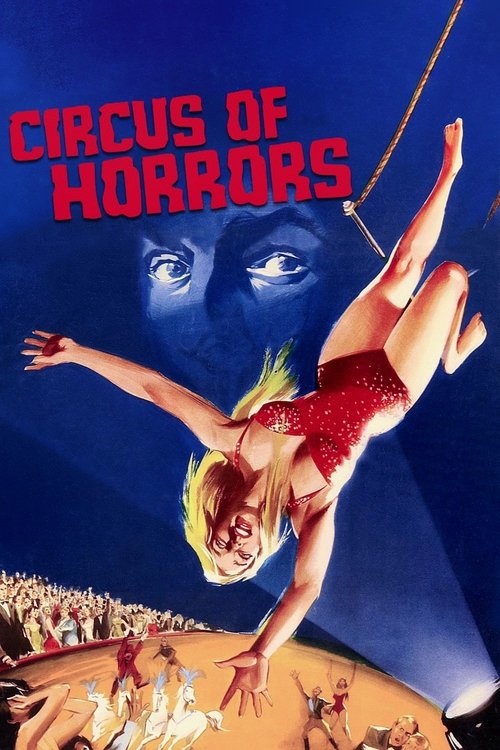
Circus of Horrors1960
Another 1960 British horror that loves its grotesqueries: a mad surgeon runs a freak show. Shares the lurid sensibility and the refusal to hide its own weirdness behind good taste.
But Genuinely nasty in a way that can feel dated and uncomfortable rather than thrilling.
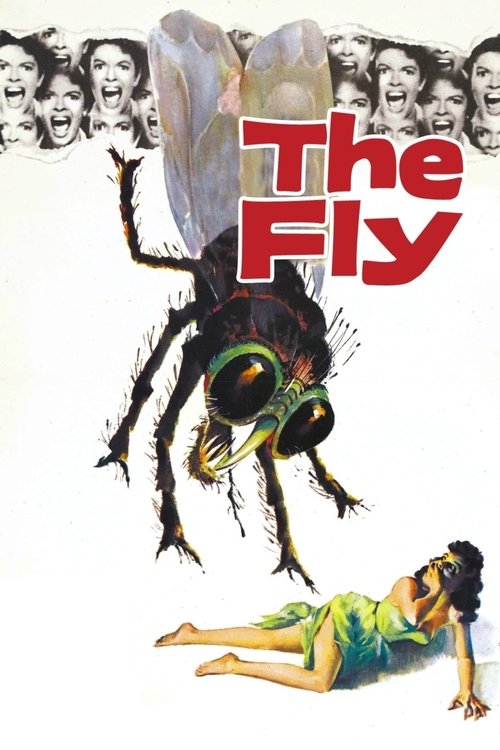
The Fly1958
Cronenberg before Cronenberg: body horror that doesn't flinch, grounded in real pathos beneath the genre machinery. Shows how visceral transgression can deepen rather than cheapen emotional stakes.
But The practical effects, while inventive, read as quaint now. Pacing is deliberate in ways modern horror audiences may find slack.
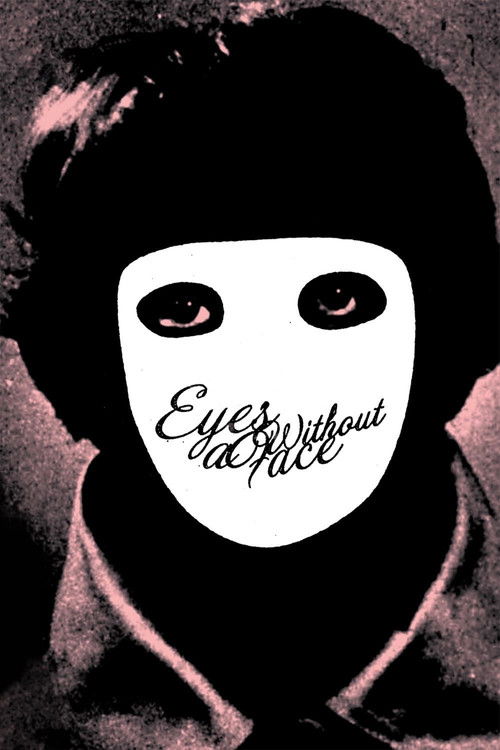
Eyes Without a Face1960
A surgeon obsessed with beauty performs increasingly dehumanizing surgeries. Surreal, poetic, and genuinely disturbing—horror as art without sacrificing genuine dread.
But Deliberately dreamlike and slow. The dubbed English version loses the original French performances; subtitled version requires patience.
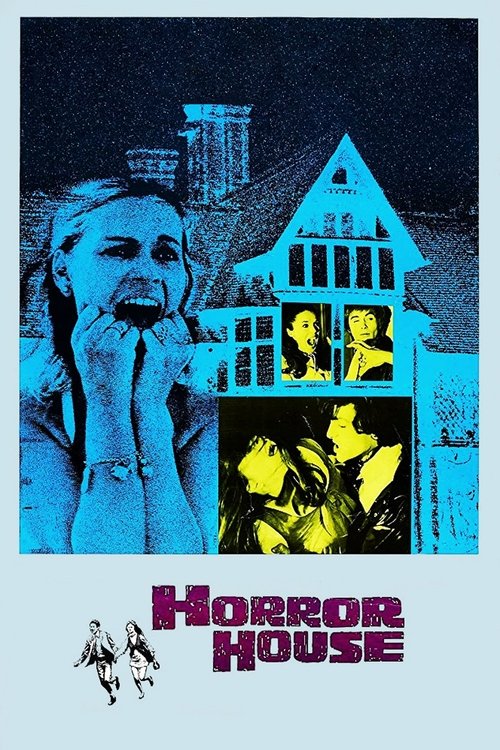
The Haunted House of Horror1969
A group trapped in a house encounters real danger alongside staged scares. Similar themes of reality colliding with performance, entertainment with genuine peril.
But Lower budget shows everywhere. Arrives at familiar places via a confused route.
The Naked Witch1969
A documentary crew follows occultists into danger. Prefigures found-footage horror while exploring the voyeuristic appeal of capturing darkness on film.
But Incoherent second half that seems to lose interest in its own premise. Genuinely difficult to care about most characters.
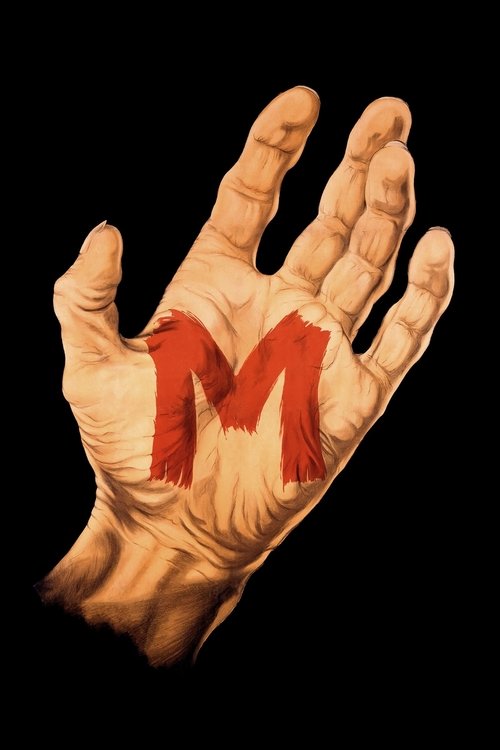
M1931
Both are about murder as performance and spectacle, and both ask whether showing violence can create complicity in the audience watching.
Fritz Lang's German masterpiece about the hunt for a child murderer views the killer with neither sensationalism nor sentimentality—just the terrible clarity of someone utterly broken. It invented many of the language Black Museum speaks, but does it in a language of genuine moral weight.
But Silent German cinema; even restored prints feel austere. The subject matter (child murder) remains difficult and the pacing glacial by modern standards.
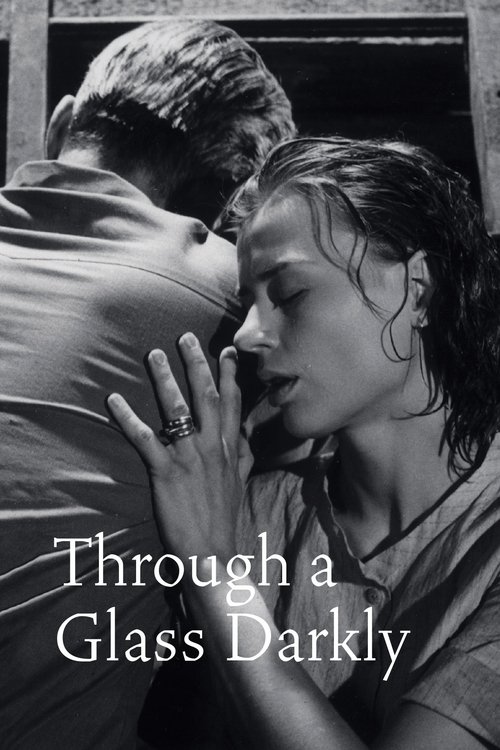
Through a Glass Darkly1961
Both emerge from British horror's tradition; In a Glass Darkly shows what that tradition looked like when turned toward the literary and psychological rather than the sensational and visceral.
BBC anthology series of Victorian ghost stories with a visual sophistication and genuine unease that 1959 British horror was still learning. Proves that restraint and suggestion can be more unsettling than explicit transgression, offering a counterpoint to Black Museum's lurid approach.
But Extremely slow television from the 1960s, before the form had learned momentum. Requires comfort with long scenes of atmospheric dread rather than incident.
People
Cast
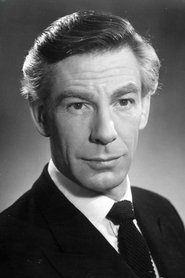 Michael GoughEdmond Bancroft
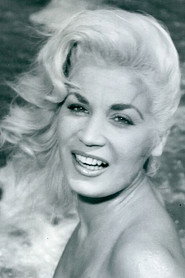 June CunninghamJoan Berkley
- Graham CurnowRick
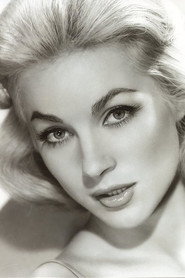 Shirley Anne FieldAngela Banks
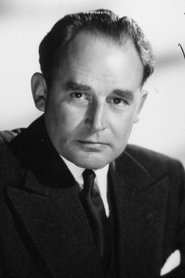 Geoffrey KeenSupt. Graham
- Gerald AndersenDr. Ballan
- John WarwickInsp. Lodge
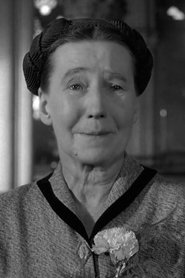 Beatrice VarleyAggie
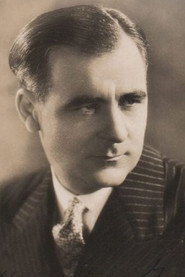 Austin TrevorCommissioner Wayne
- Malou PanteraPeggy
- Howard GreeneTom Rivers
- Dorinda StevensGail Dunlap
Directing
- Bill ShoreAssistant Director
- Marjorie OwensContinuity
- Arthur CrabtreeDirector
Writing
- Aben KandelWriter
- Herman CohenWriter
Production
- Herman CohenProducer
- Jack GreenwoodProducer
- Samuel Z. ArkoffProducer
- Jim O'ConnollyProduction Manager