
Film
Through a Glass Darkly
- Drama
- Very dark
- Slow-burning
Bergman's chamber piece about a family isolated on an island as their daughter's mental illness deepens. Shot in black-and-white on a single location, it's intimate and unbearably tense—four people trapped with each other and their inability to help. For anyone who's sat with mental suffering and felt the helplessness, or simply wants to understand what cinema can do with constraint.
Should you watch it?
Watch it if you're drawn to small, airless family dramas where the real action lives in glances, pauses and what goes unsaid between people stuck together on one island.
Skip it if you need plot momentum or a light touch, since it moves slowly, talks in long hushed scenes and stays bleak for its whole ninety-one minutes.
What it asks of you: Long quiet stretches, tight rooms and faces held on screen, with little relief and nothing hurried to fill the silence, so settle in.
Not sure? Find tonight's pick in a minute.
If you liked this
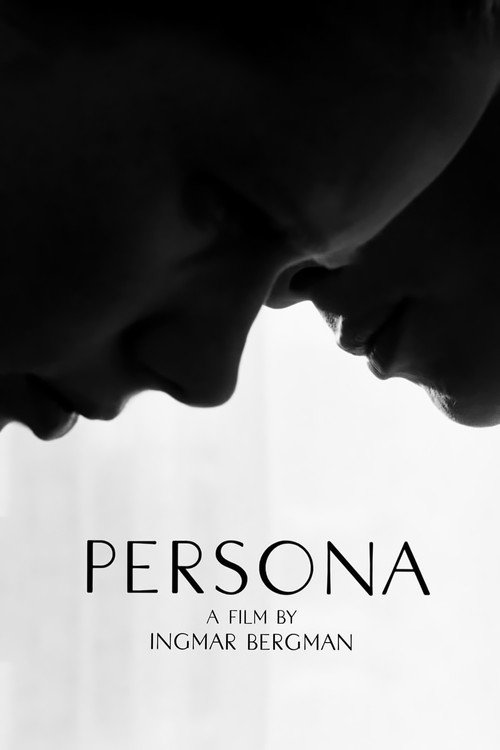
Persona1966
Bergman's masterwork about identity, appearance and the void beneath. Two women, one speaking, one silent, in intimate proximity until the boundary between them dissolves. If you can survive *Through a Glass Darkly*, this is the conversation it's been waiting to have.
But Ninety minutes of extreme close-ups and psychological abstraction. It moves like a held breath. Demands active patience, not passive watching.
The Seventh Seal1957
A knight plays chess with Death while plague ravages the land. It's Bergman's most famous film for good reason: profound, visual, genuinely gripping. The premise alone will carry you through.
But Bleak, allegorical, and filmed in a register so elevated it can feel remote. The existential weight never lifts.

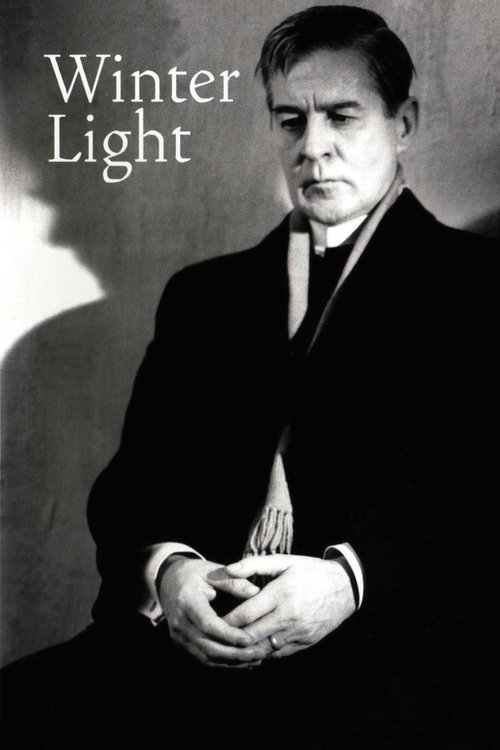
Winter Light1963
The second part of Bergman's faith trilogy, continuing his interrogation of belief and doubt. A pastor, a former lover, a desperate man seeking counsel. Even shorter and colder than *Glass Darkly*, even more devastating.
But Spare to the point of austere. The emotional distance can feel punishing rather than clarifying.
Not sure tonight? Get a pick in a minute, starting from Through a Glass Darkly
The wildcard
Something you would not have found on your own.
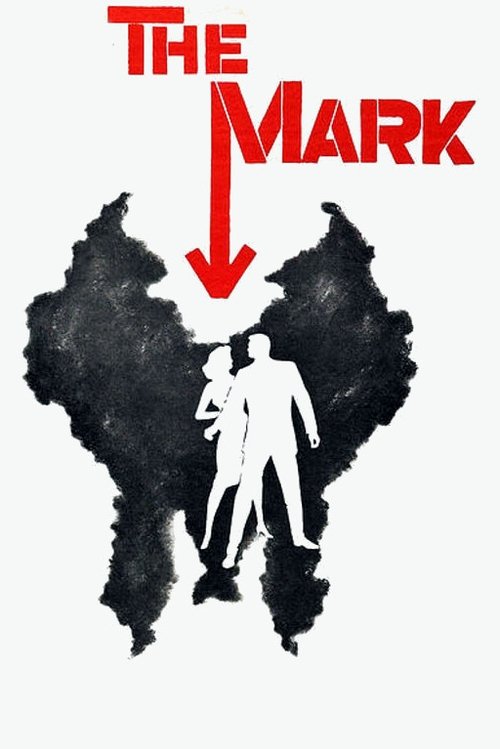
The Mark1961
Both films examine isolation not as philosophy but as consequence: the untouchable person in a room full of people. Bergman shows the afflicted; this shows how the world treats them.
Released the same year as *Through a Glass Darkly*, this Hollywood film follows a man released from prison reintegrating into society. Ordinary melodrama on the surface, but grounded in the same acute awareness of how damage persists and how others recoil from it.
But American studio filmmaking from 1961—glossier, more conventional in narrative shape. Therapeutic rather than philosophical.
More like this (8)
Stalker1979
Tarkovsky's analogous film: three men in confined, mysterious space, desire and dread intermingled. A spiritual inquiry dressed as science fiction. Visually hypnotic and philosophically unrelenting.
But Soviet cinema from the 1970s. Slow, meditative, in another aesthetic language entirely. Asks for surrender more than engagement.

The Act of Killing2012
A documentary that puts perpetrators of mass violence in front of a camera to reenact their crimes. Unbearable and necessary. Shows what happens when conscience is absent or dormant.
But Graphic descriptions of torture and murder. Watching evil perform itself is the film's point and its burden.

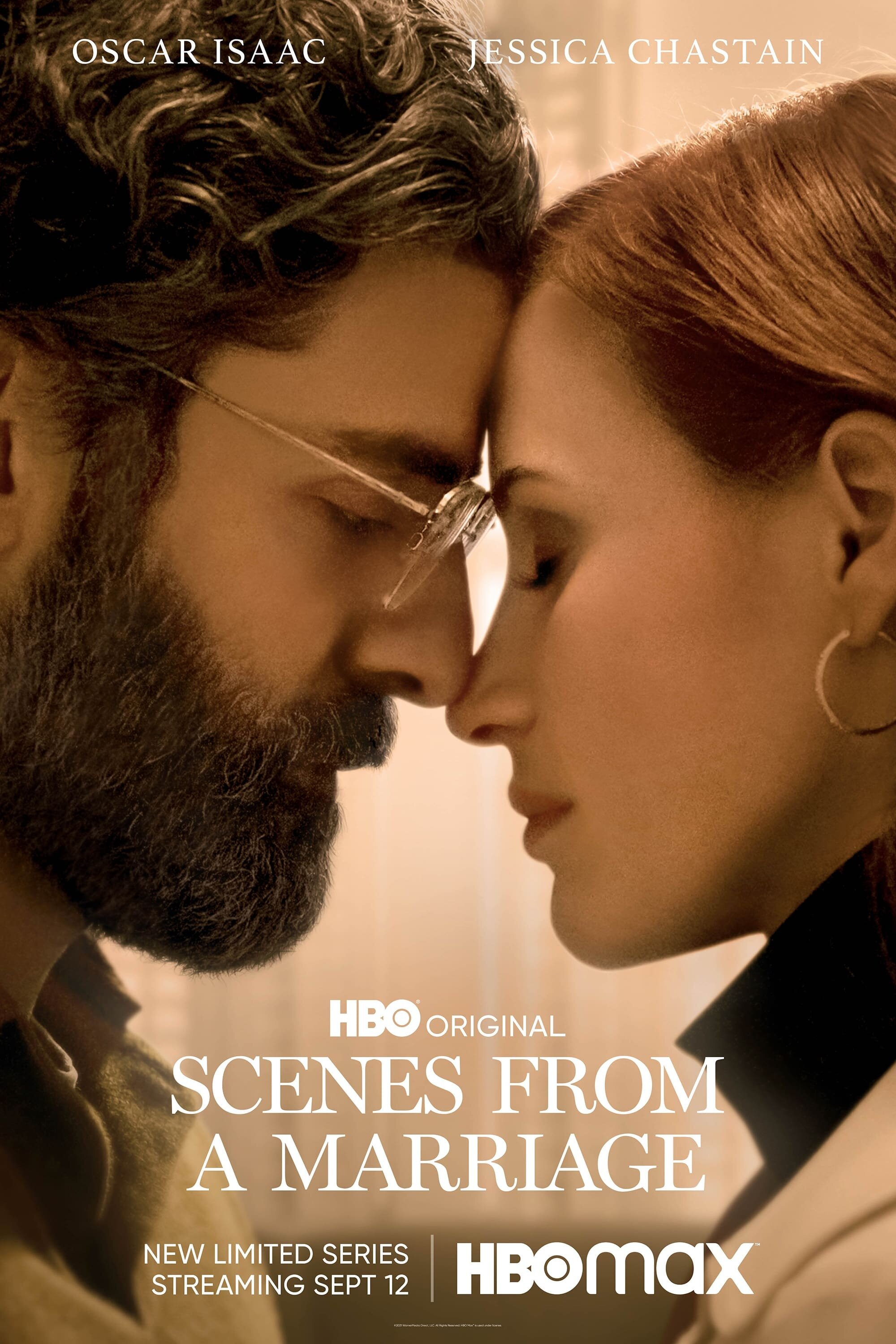
Scenes from a Marriage2021
Six episodes of a marriage dissolving. Bergman and Liv Ullmann in dialogue so precise and raw it feels like eavesdropping on your own life. The intimacy is almost obscene.
But Originally television. Every scene is talk. If you don't care about how people communicate and fail to, you'll be bored in ten minutes.
Come and See1985
A Soviet film about a boy conscripted into WWII. Apocalyptic, hallucinatory, shot in a style that suggests fever dream. A howl of pain masquerading as a war film. Unforgettable.
But Graphic violence, psychological horror, and a young actor subjected to genuine distress on set. The experience is meant to wound.

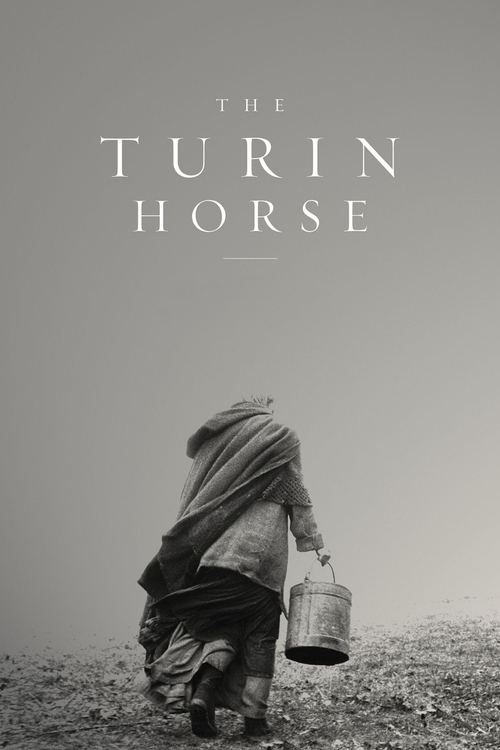
The Turin Horse2011
Béla Tarr's late work: a man and woman in a remote cottage as the world seems to end. Bleak repetition, stark beauty, the same Bergman-derived isolation but pushed further into abstraction.
But Black-and-white, long static takes, minimal plot. Feels less like a film than a philosophical endurance test.
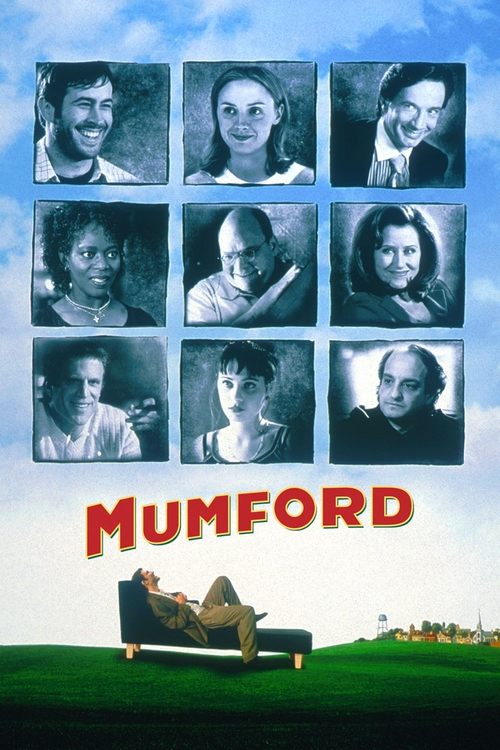
Mumford1999
A small-town therapist listens to his patients' troubles. Gentle, funny, humane—an antidote to Bergman's ice. Shows that psychiatric crisis can be met with warmth instead of distance.
But Earnest and occasionally sentimental. After Bergman's cruelty, the kindness might feel saccharine.
In the Mood for Love2000
Both use isolation—one black-and-white and spiritual, one Technicolor and melancholic—to show how people can be alone together. Both favour form over feeling, yet emotion saturates every frame.
Wong Kar-wai's film about two neighbours who discover their spouses are having an affair. Shot in saturated colour and geometric precision, it's formal and lush where Bergman is austere. Yet it's about the same thing: two people separated by unbridgeable distance, even in proximity.
But Slow, mannered, style-heavy. The plot is minimal. If you need plot momentum, this will feel like standing still.

Requiem for a Dream2000
Both follow someone into psychic breakdown and refuse to look away. Both understand that mental dissolution isn't metaphor—it's a specific, terrible thing happening to a person, visible to others who cannot help.
Four addicts descend into their separate hells in parallel. Darren Aronofsky uses montage, music, and visual distortion to show the internal experience of losing grip on reality. Where Bergman is clinical, this is visceral and hallucinatory.
But Aggressively stylized, genuinely disturbing, and the descent is relentless without catharsis. The aesthetic can overwhelm the substance.

People
Cast
 Harriet AnderssonKarin
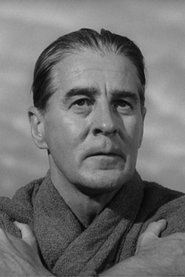 Gunnar BjörnstrandDavid
 Max von SydowMartin
 Lars PassgårdMinus
Directing
- Lenn HjortzbergAssistant Director
- Ingmar BergmanDirector
- Ulla FuråsScript Supervisor
Writing
- Ingmar BergmanScreenplay
Production
- Allan EkelundProducer
Recommended by
Melancholia, Shame, Salò, or the 120 Days of Sodom, Santa Sangre, Hour of the Wolf, Wonderwall, The Passion of Anna, The Rite, Trespassing Bergman, The Silence, Dead of Winter, Horrors of the Black Museum, Asphalt, The Magician, Night Games, Images from the Playground