
Film
The Rite
Other titles called The Rite: the 2011 film.
Bergman's 72-minute chamber piece traps a theatre troupe in a courtroom where obscenity charges become a pretext for exposing buried psychological wounds. Claustrophobic, verbally ferocious, and shot in crisp black-and-white, it's less interested in the trial's outcome than in how public accusation cracks open private shame. For viewers who find Bergman's longer films rewarding.
Should you watch it?
Watch it if you love Bergman's chamber-piece cruelty, where a handful of faces, a bare room and an interrogation slowly strip away every pretence until the performers are the only thing left to look at.
Skip it if you want plot momentum or a conventional story; this is short but deliberately stagey, talky and clinical, and its menace comes from talk rather than action.
What it asks of you: It runs about seventy-two minutes and asks for steady, unbroken attention, since it is built from close framing, long silences and pointed questioning rather than incident.
Not sure? Find tonight's pick in a minute.
If you liked this
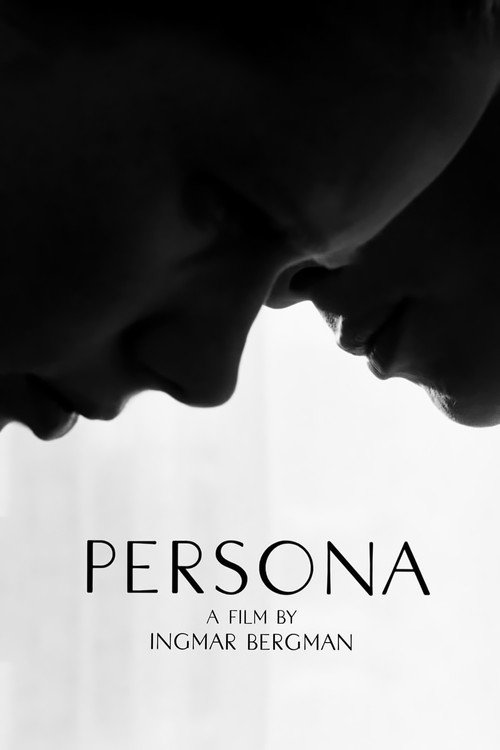
Persona1966
Two women's relationship fractures under psychological pressure in a Bergman masterwork of silence, gesture, and mounting dread. If you're ready to go deeper into his method, this is essential.
But Demands active interpretation; long stretches have almost no dialogue. The famous image of film stock burning in the projector is unsettling rather than clarifying.
The Seventh Seal1957
Chess with Death, medieval plague, and existential reckoning in Bergman's most famous film. Visually stunning and thematically dense without ever feeling impenetrable or cold.
But Its iconic status can feel heavy. Some find the philosophical questions more interesting than the characters answering them.

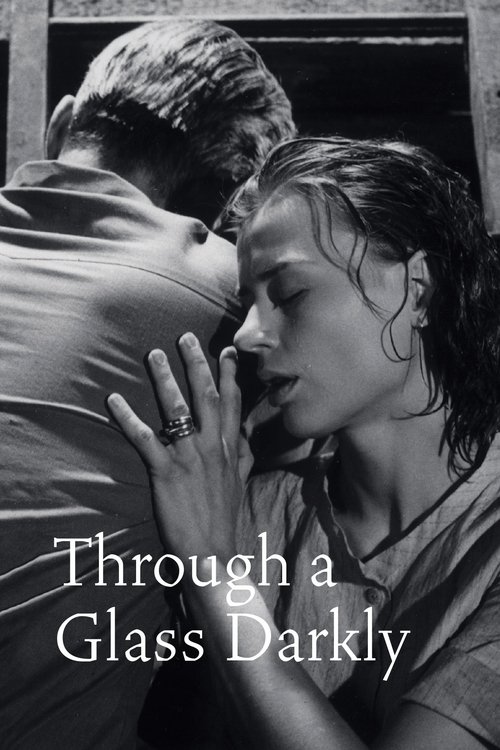
Through a Glass Darkly1961
A family implodes on an island as one member's mental illness becomes impossible to hide. Intimate, devastating, and proof that Bergman's mastery works at intimate scale too.
But Bleak. The ending offers no comfort and the psychological collapse is relentless rather than cathartic.
Not sure tonight? Get a pick in a minute, starting from The Rite
The wildcard
Something you would not have found on your own.
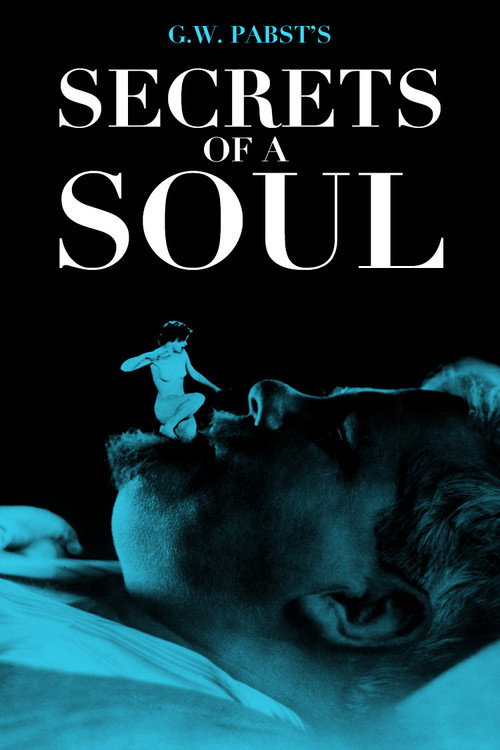
Secrets of a Soul1926
Both films use the therapy-session or trial-as-therapy structure to visualize internal collapse; both treat the court/analyst's chair as a space where masks fall away.
Pabst's silent film uses psychoanalysis as narrative structure: a man's anxieties and repressions visualized through dream and symbol. Bergman watched this; it taught him how to film the invisible. Visually extraordinary and genuinely troubling.
But Silent film with intertitles and dated sexual psychology. The dream sequences use Expressionist distortion that can read as quaint rather than disturbing now.
More like this (8)
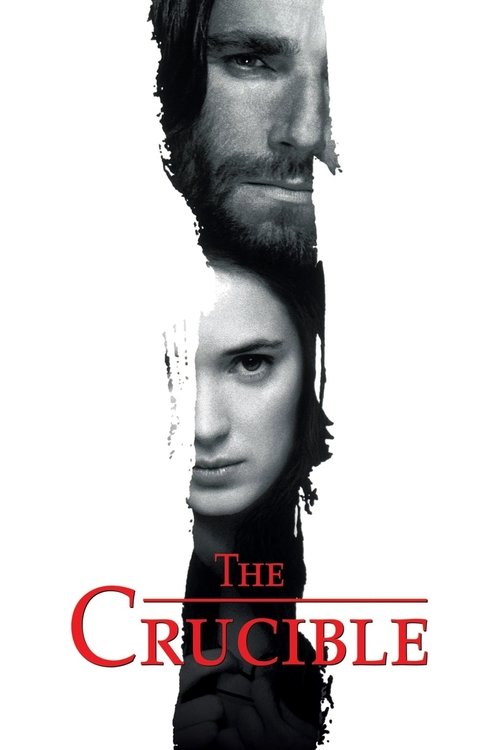
The Crucible1996
Arthur Miller's Salem witch trials parable as a courtroom crucible for buried rage and sexual hysteria. Like *The Rite*, it's about how public judgment unlocks private toxins.
But Winona Ryder's performance divides viewers. The parallel to McCarthyism can feel overstated to modern audiences.
Three Colors: White1994
A man stripped of everything by divorce and exile finds dark comedy in humiliation and revenge. Kieślowski's most cynical, least sentimental work; acidic and energizing.
But The ending is morally queasy in ways some viewers find impossible to forgive. Structured as tragicomedy, not tragedy.

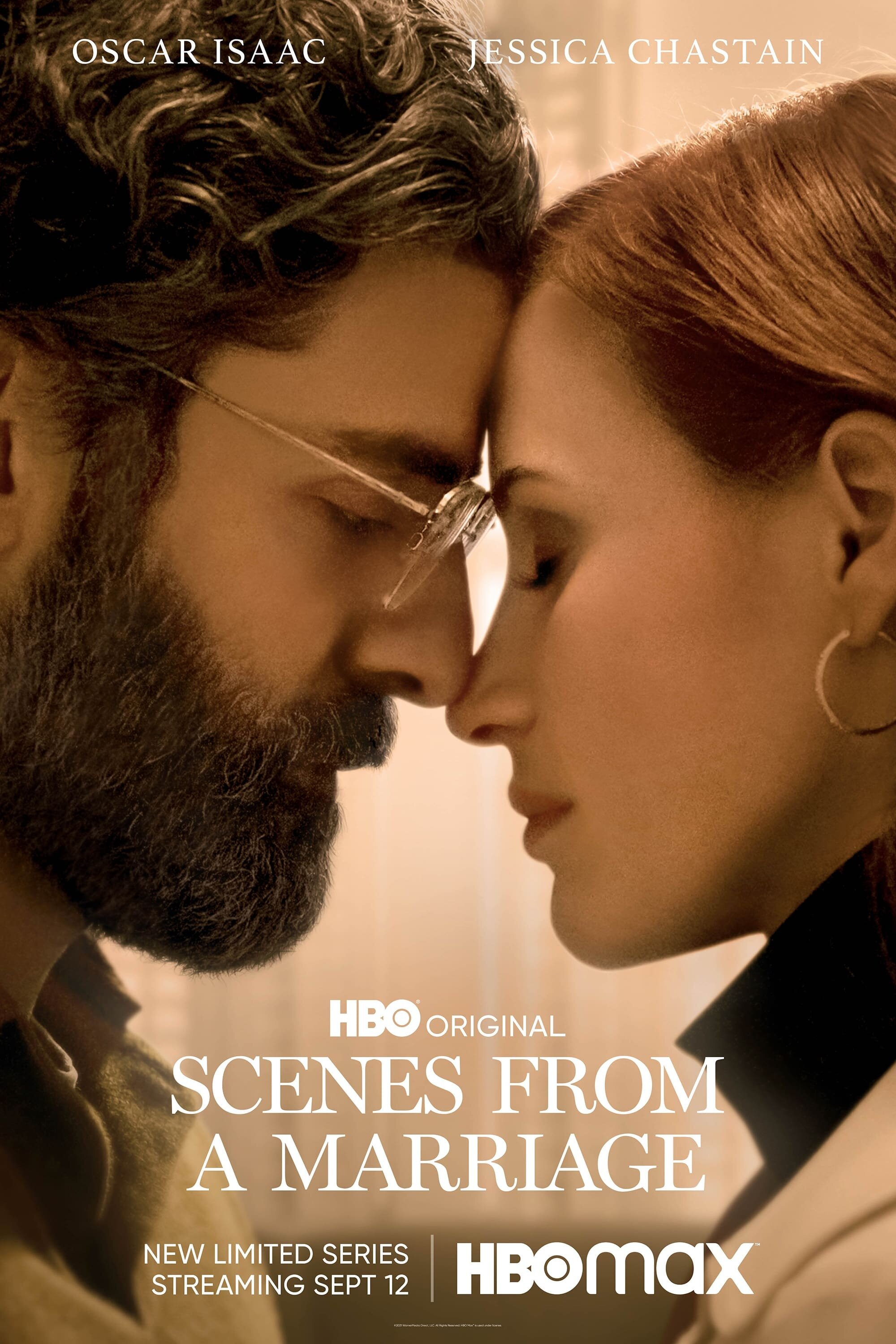
Scenes from a Marriage2021
Bergman's most direct excavation of intimacy, ego, and the language couples use to wound each other. Even his shorter work here is more generous than *The Rite*; less punishing.
But Nearly four hours of watching a marriage corrode through dialogue. Requires patience and tolerance for marital anguish as subject matter.
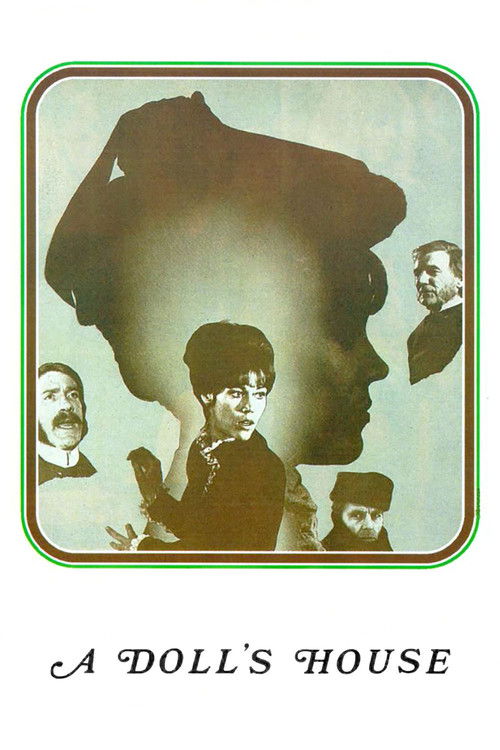
A Doll's House1973
The stage version (various film adaptations exist; try the 1973 Joseph Losey production) is Ibsen's original courtroom for bourgeois hypocrisy. Direct ancestor of *The Rite*'s method.
But It's a 19th-century play adapted to film; theatrical rather than cinematic. The gender politics, though progressive for 1879, read reductive now.
The Killing1956
Kubrick's debut is a noir-tinged heist film told in fractured chronology. Tight, witty, and proof that psychological pressure doesn't require Bergman's slowness to work.
But Early Kubrick; less philosophically ambitious than his later work. The structure, clever then, feels like a party trick now.

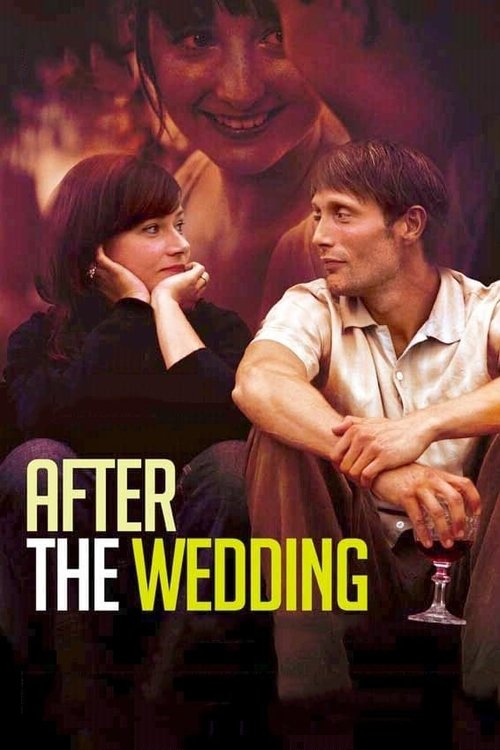
After the Wedding2006
A man's past catches up with him in a single wedding day; secrets compound and relationships collapse. Structured like a theatrical pressure cooker, economical and cruel.
But The twist is visible if you're paying attention. Some find the moral calculus of its ending uncomfortably pragmatic rather than tragic.
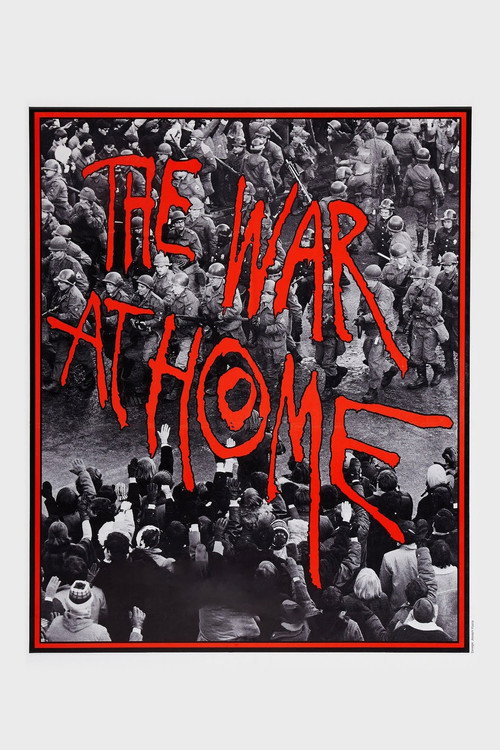
The War at Home1979
Both use confined groups under pressure to expose how ideology, sexuality, and ego tangle together. Both distrust rhetoric, including their own.
Documentary about Vietnam War protests at the University of Wisconsin, shot on grainy 16mm with no narration. Finds the same neurotic, sexually charged violence in American leftism that Bergman found in his theatre troupe. Raw, unsettling, essayistic.
But Non-fiction, not drama. Structurally loose and genuinely difficult; no catharsis or moral clarity. Requires historical knowledge to fully land.
Uncle Vanya1970
Both films treat stalled time and accusation as tools to crack open character. Both believe that neurosis and moral failure are inseparable from who we are.
Konchalovsky's Chekhov adaptation (with Shuvalov as Vanya) is glacially paced, deeply interior, and focused on how resentment and thwarted desire poison a household. The trial here is emotional, not legal—but the exposure is just as merciless.
But Russian language (subtitled). Deliberately slow; nothing happens in the conventional sense. Chekhov's despair is infectious rather than cathartic.
People
Cast
 Ingrid ThulinThea Winkelmann
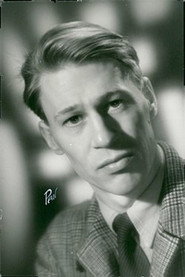 Anders EkSebastian Fisher
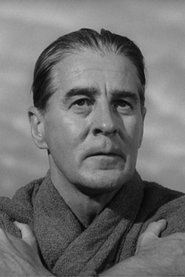 Gunnar BjörnstrandHans Winkelmann
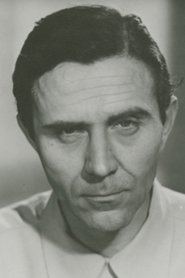 Erik HellJudge Dr. Abrahamson
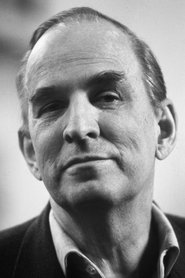 Ingmar BergmanPriest