
Film
Anna Karenina
Other titles called Anna Karenina: the 1935 film, the 1948 film, the 2012 film.
Sophie Marceau's 1997 *Anna Karenina* is a vivid, visceral adaptation that privileges passion over period detail. Tolstoy's novel becomes intimate cinema—less about Russian society's strictures than the raw, consuming weight of desire and its costs. Gorgeously shot, emotionally direct, it's for anyone who wants the book's heart without needing its footnotes.
Should you watch it?
Watch it if you want a costume romance where the pull between two people matters more than the pageantry, and you're happy to sit with a slow, sorrowful build toward a love that cannot survive its surroundings.
Skip it if you need brisk plotting or a lighter touch; this 1997 adaptation of Tolstoy's novel lingers on society's pressures and rarely lets the story move quickly.
What it asks of you: Roughly ninety minutes of undivided attention, with a measured pace and a tone that stays heavy, so settle in for a film that is patient rather than playful.
Not sure? Find tonight's pick in a minute.
If you liked this
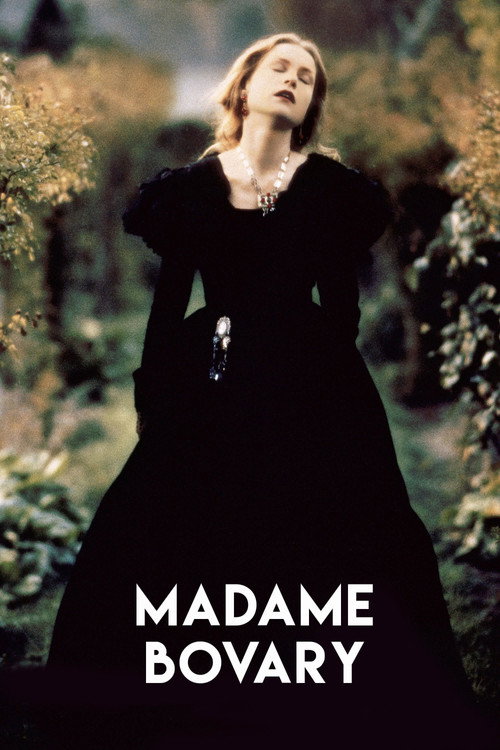
Madame Bovary1991
Isabelle Huppert in a similarly elegant, melancholic portrait of a woman destroyed by romantic illusion. Same tragic architecture, different landscape. Huppert brings intellectual precision where Marceau brings fire.
But It's French and deliberately paced—some will find it remote where the Russian version burns. The 1991 film moves like a funeral procession.
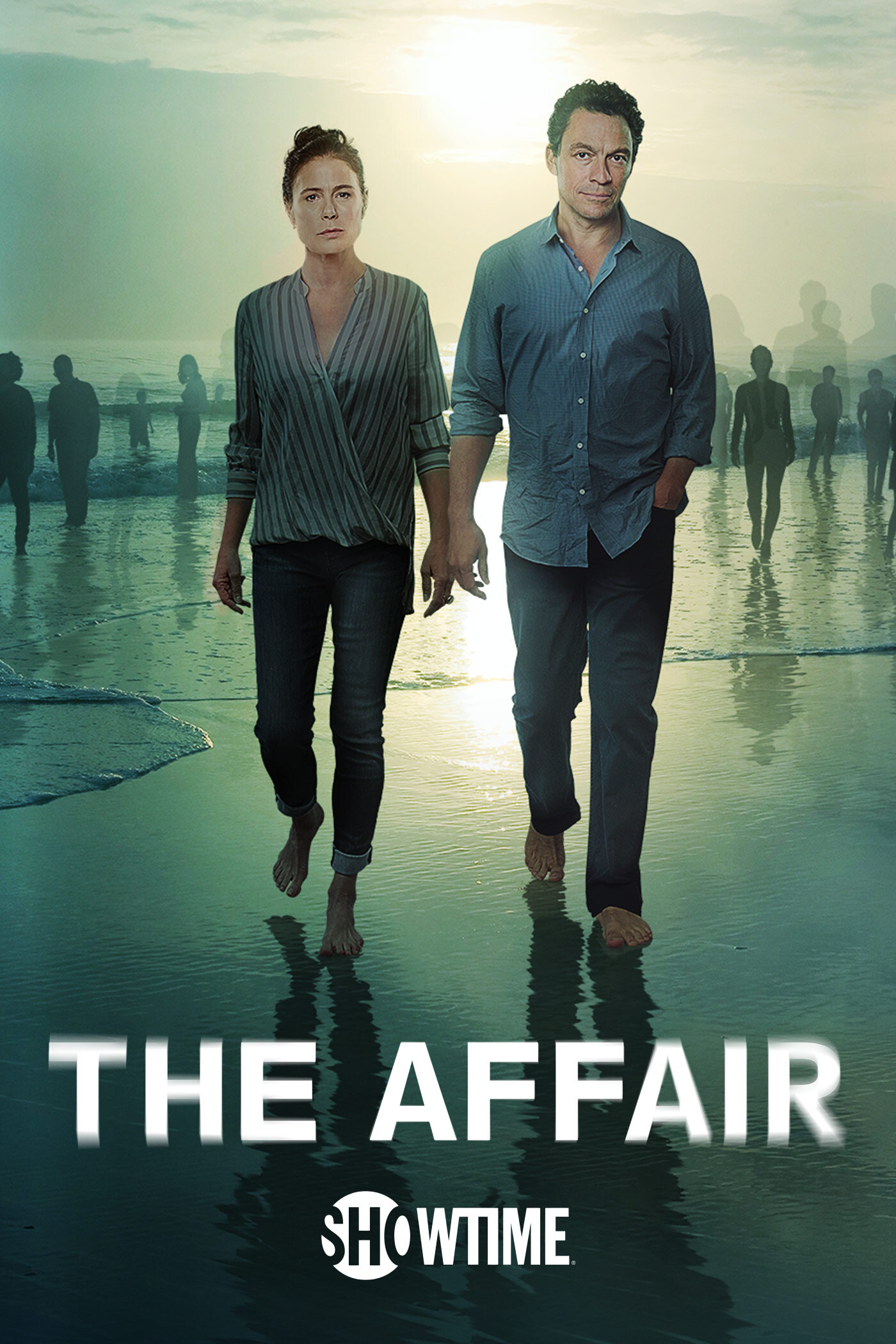
The Affair2014
HBO's masterly six-season exploration of how a love affair rewrites the past. Like Anna Karenina, it's obsessed with perspective, memory, and the way passion distorts truth. Devastating without being showy.
But Its formal complexity—multiple viewpoints of the same scenes—can feel mannered. And it's relentlessly downbeat about human connection; some find that exhausting over thirteen hours.
Dangerous Liaisons1988
Glenn Close and John Malkovich in a masterpiece about seduction and social ruin. Like this Karenina, it finds dark comedy in aristocratic desperation and the price of transgression. Immaculate filmmaking.
But It's cooler and more cerebral than passionate. If you came for emotional chaos, you'll find manipulation and strategy instead—different pleasures entirely.
Not sure tonight? Get a pick in a minute, starting from Anna Karenina
The wildcard
Something you would not have found on your own.
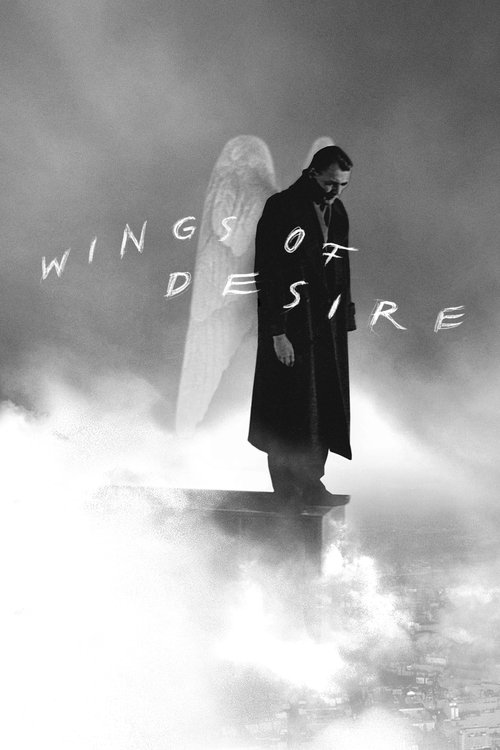
Wings of Desire1987
Both films argue that passion is metaphysically serious—that it matters not because it leads anywhere, but because it moves us outside ourselves. Both find beauty in that vertigo.
Wim Wenders's Berlin reverie about angels watching mortals fall, love, and suffer. It has Karenina's conviction that desire and destruction are inseparable, but it's spiritual, visual, dreamlike rather than narrative. A completely different temperature.
But It's deliberately diffuse. There's no plot in the classical sense; it moves like meditation or elegy. If you need story propulsion, you'll be frustrated.
More like this (7)
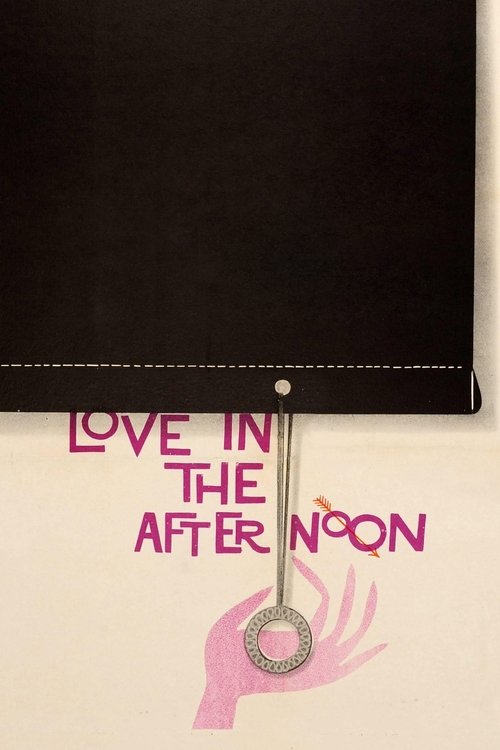
Love in the Afternoon1957
Billy Wilder's sophisticated take on forbidden desire between a younger woman and older man. Audrey Hepburn and Gary Cooper crackle with chemistry. Lighter than Karenina but asking similar questions about marriage and passion.
But Made in the 1950s for American audiences, it softens and romanticizes what the novel knew was destructive. The moral stakes feel lower by design.
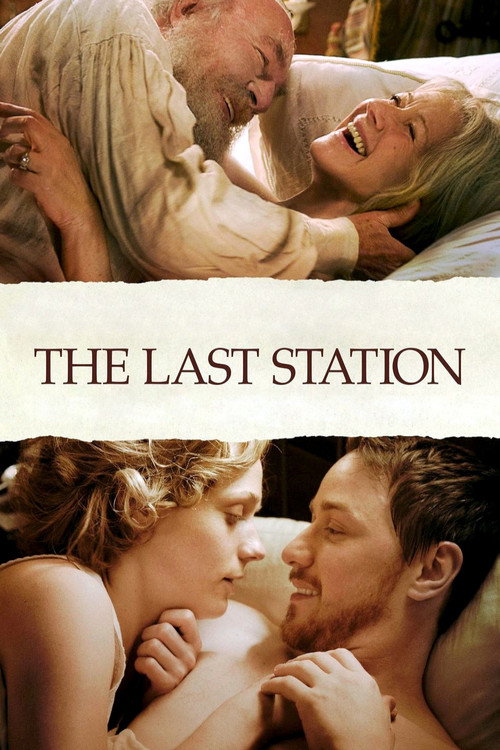
The Last Station2009
Christopher Plummer and Helen Mirren as Tolstoy and his wife in their final years. It's obsessed with the tension between art and life, passion and duty—the exact engine of Anna Karenina, turned onto its author.
But Biographical films about writers can feel like homework. This one occasionally tips into reverence when it should stay ruthless about its subjects.
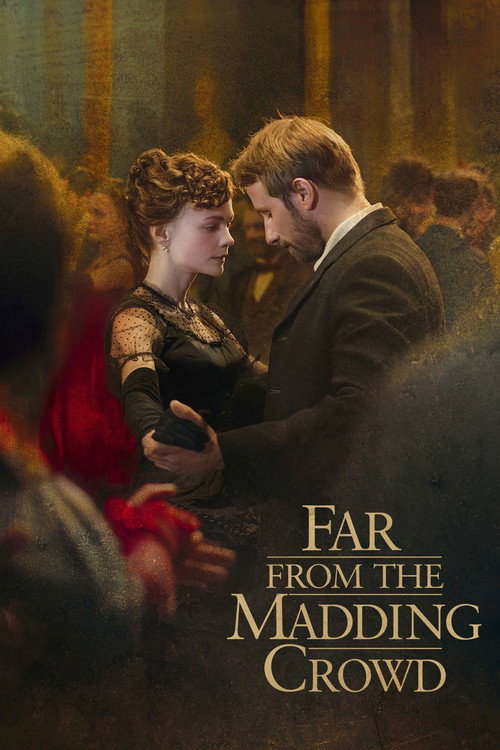
Far from the Madding Crowd2015
Carey Mulligan as a woman torn between three men; Thomas Vinterberg's direction finds visual poetry in passion and consequence. Like Karenina, it's genuinely tragic—it refuses easy answers about love and duty.
But The Hardy novel is more diffuse than Tolstoy. Some scenes feel decorative, and the resolution asks you to accept Victorian compromise instead of Russian catastrophe.
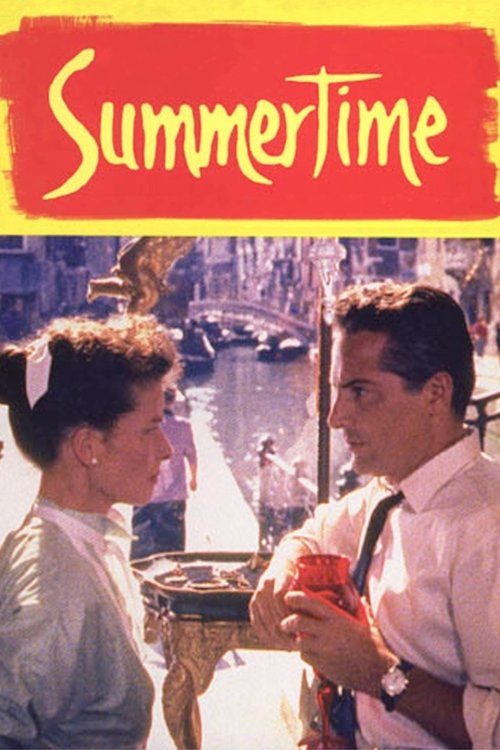
Summertime1955
David Lean and Katharine Hepburn in Venice: a widow and a stranger, a brief affair, no future. Exquisitely romantic and sad. It has Karenina's understanding that some love is beautiful precisely because it's impossible.
But It's elegiac to the point of passivity. Hepburn's character accepts heartbreak with grace; there's no struggle, no defiance—the spark is missing.
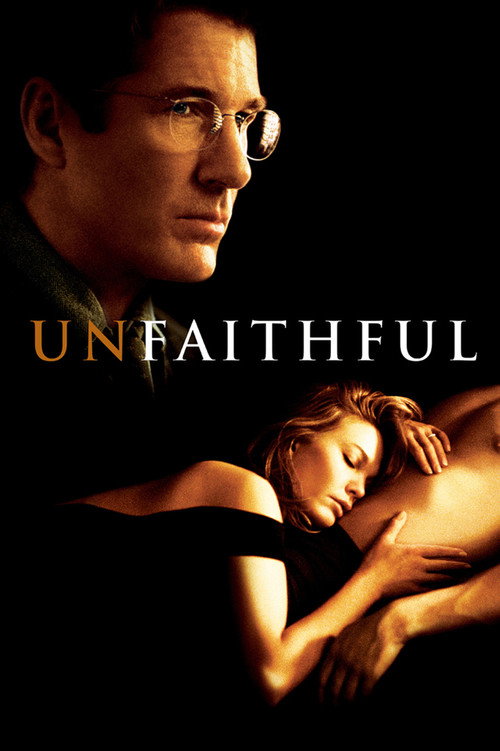
Unfaithful2002
Adrian Lyne's sleek, modern retelling of the same story: married woman, affair, devastation. More explicit and visceral than the 1997 Karenina, it's got the sexual electricity and the genuine horror of consequences.
But It's a thriller first and tragedy second. Some regard it as glossy, even exploitative. And Richard Gere's response to infidelity goes places the novel wouldn't go—darker, meaner.
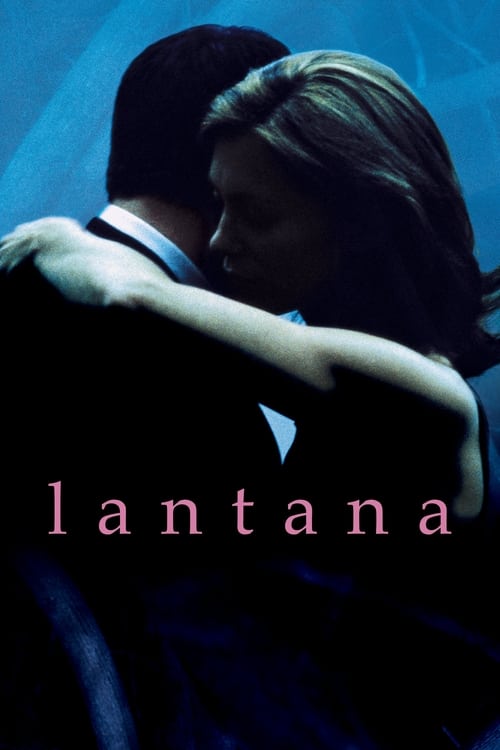
Lantana2001
Both examine how passion metastasizes through an entire social ecosystem—how one affair unravels the pretence everyone around it has built. Lantana just does it in contemporary time, without romance.
Six people in Sydney, each with a secret. Anthony LaPaglia, Kerry Armstrong, and Geoffrey Rush in a shattering ensemble about infidelity, therapy, and self-deception. Modern, angular, and gutting in ways the period piece isn't.
But It's told in fragments across multiple timelines and viewpoints. The script is deliberately cryptic; you're never quite given what you want to understand. Some find that rewarding; others find it withholding.
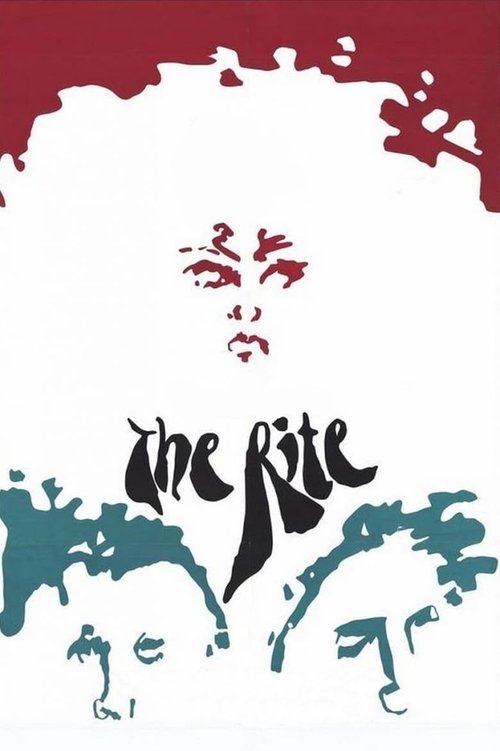
The Rite1969
Both are obsessed with how desire—sexual or otherwise—becomes a destabilizing force within rigid systems. Karenina shows us that through a woman's tragedy; *The Rite* shows it through metaphysical horror.
Bergman's strangest, harshest film: three people in a hotel room, a trial about a controversial play, mounting hysteria and transgression. It's a fever dream about ritual, guilt, and desire breaking through formal structures. Like Anna Karenina but furious, abstract, almost hallucinatory.
But It's deliberately obscure and claustrophobic. Bergman offers no resolution and little comfort. Some find it pretentious; most find it difficult. It demands you bring your own meaning.
People
Cast
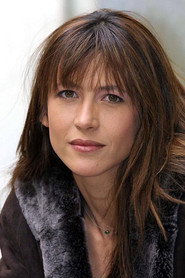 Sophie MarceauAnna Karenina
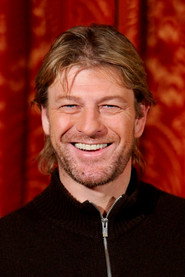 Sean BeanVronsky
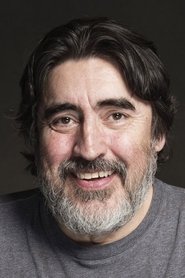 Alfred MolinaLevin
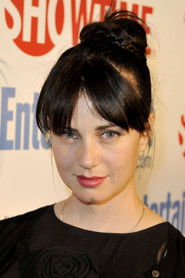 Mia KirshnerKitty
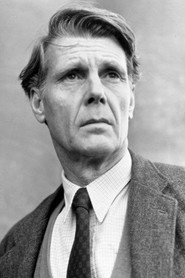 James FoxKarenin
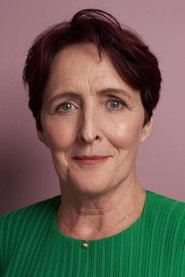 Fiona ShawLydia
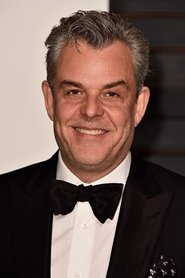 Danny HustonStiva
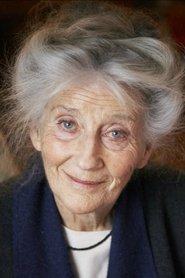 Phyllida LawVronskaya
 David SchofieldNikolai
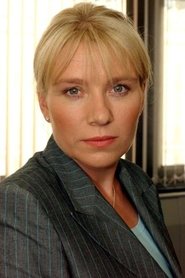 Saskia WickhamDolly
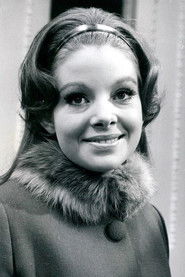 Anna Calder-MarshallPrincess Schcherbatksy
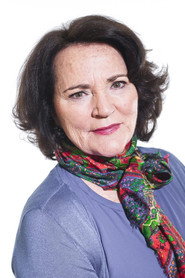 Valerie BraddellAmbassador's Wife
Directing
- Bernard RoseDirector
Writing
- Leo TolstoyNovel
- Bernard RoseScreenplay
Production
- Jim LemleyAssociate Producer
- Marion DoughertyCasting
- Stephen McEveetyExecutive Producer
- Bruce DaveyProducer
- Vladimir ZhelezniakovProducer's Assistant
Recommended by
Letter from an Unknown Woman, The Way We Live Now, War and Peace, Part II: Natasha Rostova, War and Peace, Quiet Flows the Don