
Film
Anna Karenina
Other titles called Anna Karenina: the 1948 film, the 1997 film, the 2012 film.
Greta Garbo gives perhaps her finest performance as a woman caught between desire and social destruction in 1935's lush, theatrical interpretation of Tolstoy's masterpiece. This is cinema as high-drama spectacle—lavish sets, stark lighting, and a tragic inevitability that builds like a storm. It's costume drama for people who want to *feel* something.
Should you watch it?
Watch it if you love the glossy, candlelit melodrama of 1930s Hollywood, where a great actress can carry a whole film on a look and a silence, and you don't mind the stagey sets.
Skip it if you want Tolstoy's full sprawl of Russian society and farm life, since at 95 minutes this adaptation keeps only the central love affair and rushes past nearly everything else.
What it asks of you: It asks you to settle in for a brisk, handsome costume romance that leans on its leads' faces more than on dialogue, with its emotional weight arriving in quiet, sustained close-ups.
Not sure? Find tonight's pick in a minute.
If you liked this
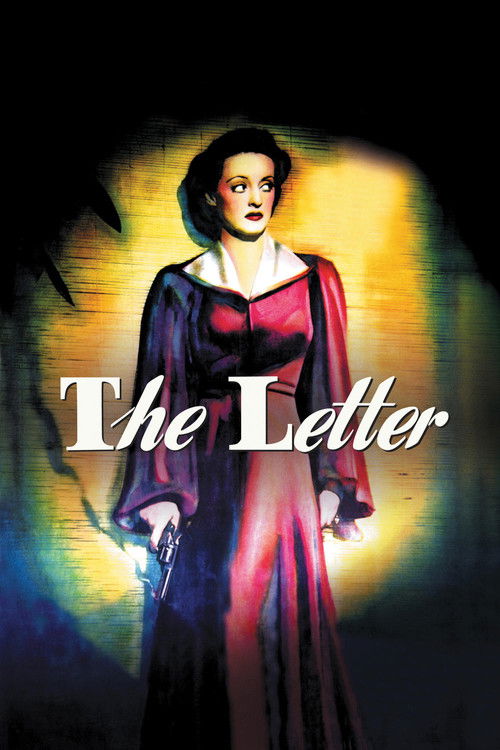
The Letter1940
Bette Davis in a similarly suffocating marriage, similarly driven to ruin by passion. William Wyler's direction is razor-sharp, and the moral ambiguity cuts deeper than it has any right to. A perfect double feature with Anna Karenina.
But It's a courtroom melodrama that sometimes feels bound by its era's prudishness about what it can actually say onscreen.
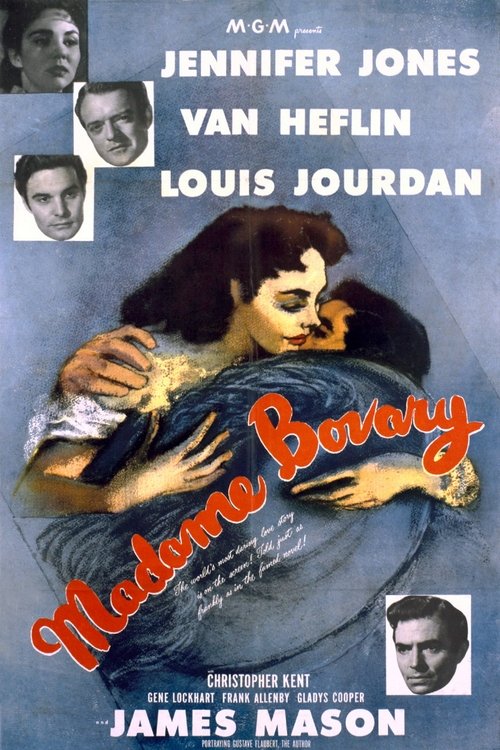
Madame Bovary1949
Jennifer Jones as another woman destroyed by romantic idealism and provincial society. Vincente Minnelli's visual style is almost as heightened as Garbo's film, and the tragedy has the same inexorable weight. A kindred spirit across continents.
But The pacing is stately—this is not a film that moves quickly, and the fatalism can feel heavy-handed.
The Phantom Carriage1921
Victor Sjöström's Swedish masterpiece of guilt, regret, and social decay. It has the same emotional devastation as Anna Karenina but approaches it through supernatural dread. A reminder that great cinema doesn't need talking.
But The supernatural machinery can feel dated, and the print quality varies depending on where you find it.

Not sure tonight? Get a pick in a minute, starting from Anna Karenina
The wildcard
Something you would not have found on your own.
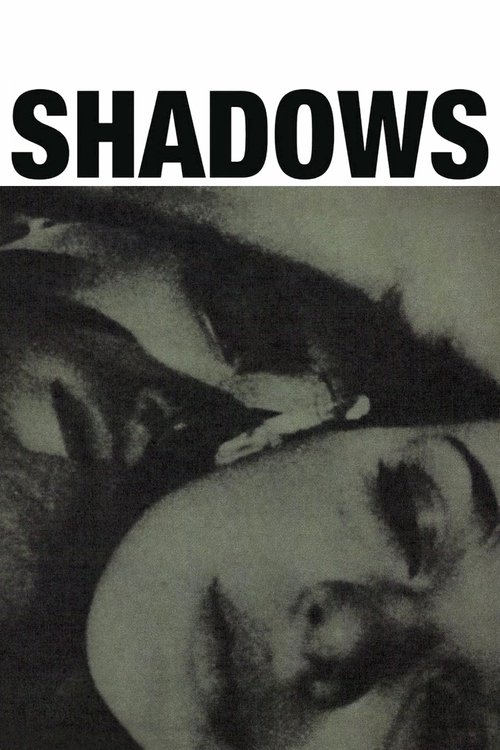
Shadows1960
Both explore how society's judgment—whether czarist or American—corrodes intimate bonds from within; Cassavetes strips away the elegance to show the raw wound underneath.
John Cassavetes' improvised, grainy, entirely de-glamorized look at love and family in New York City. No empire waists, no theatrical lighting—just raw, aching performances about how relationships fracture under social pressure. Shot in black-and-white on a shoestring, it's the anti-Garbo version of the same story: what does romantic and social destruction look like when there are no costumes to hide behind?
But The image quality is deliberately rough, the pacing is ungoverned, and the acting style feels almost documentary-like—a complete tonal opposite to 1935's artifice.
More like this (7)
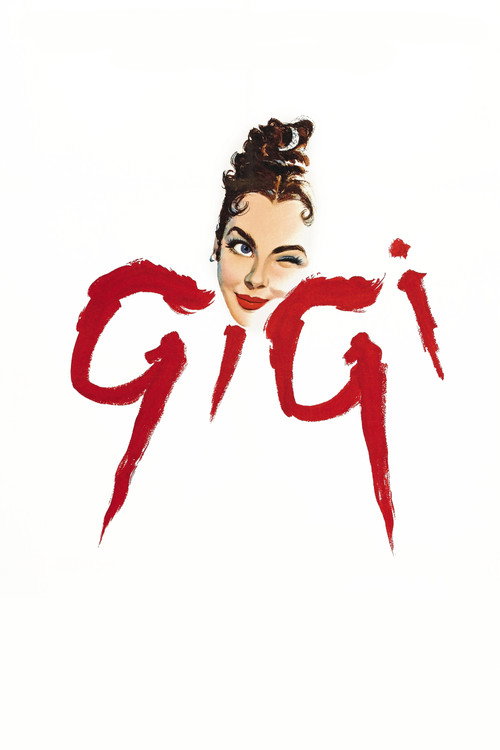
Gigi1958
Vincente Minnelli again, but this time flipping the script—a woman navigates the same high-society machinery that destroyed Anna, but with agency and wit. A joyful companion to Anna's tragedy, showing what happens when a woman refuses to be trapped.
But It's almost aggressively cheerful, and the musical-comedy tone might feel slight if you're still grieving Anna's ending.
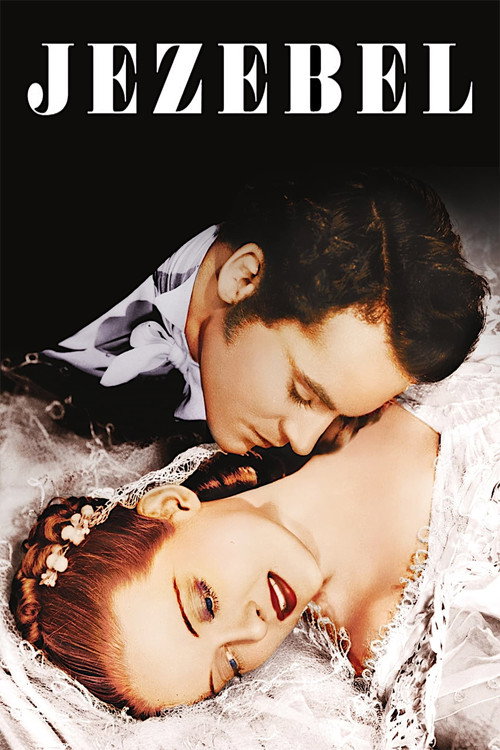
Jezebel1938
Bette Davis again, but wilful and defiant rather than passive. This Southern gothic drama has similar social pressures but a woman who fights back, at least for a while. William Wyler directing, naturally. The contrast with Anna's fate is illuminating.
But It's a pre-Code melodrama, which means some of the dialogue feels overwrought by modern standards.
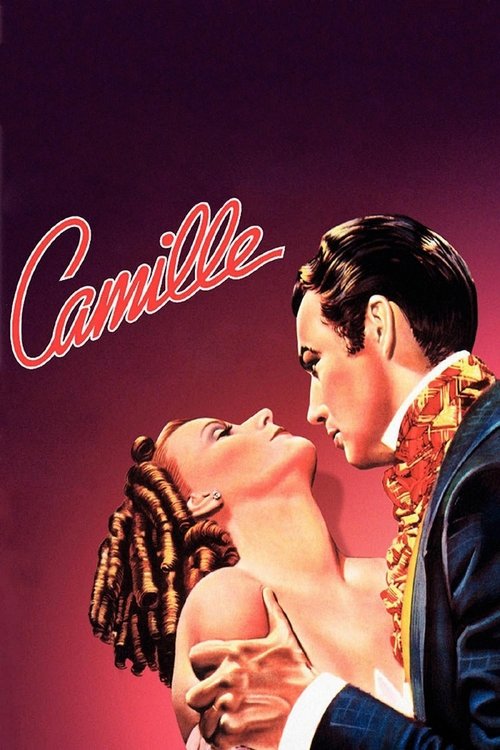
Camille1936
Greta Garbo herself, one year later, as another doomed woman undone by love. Greta's performance here is even more fragile, more heartbreaking. See how she evolved the archetype in just twelve months.
But The plot is even more steeped in Victorian sentiment, and some viewers find the tubercular-heroine aesthetic unbearably maudlin.
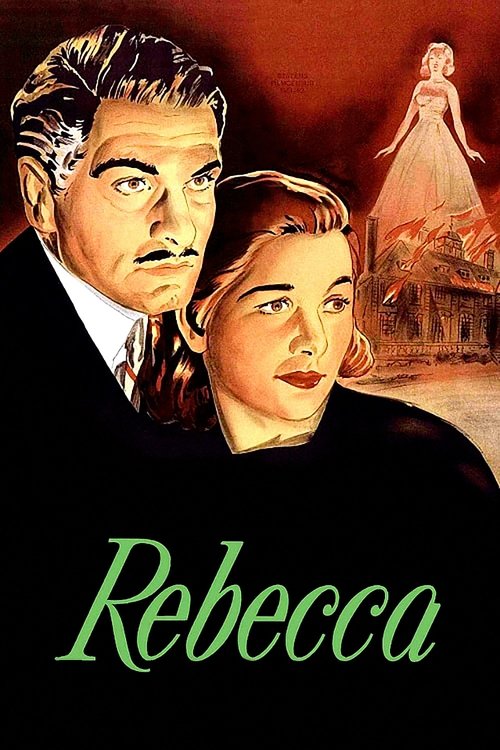
Rebecca1940
Hitchcock's take on a woman trapped by another woman's shadow and a man's need. Gothic, paranoid, and thrilling where Anna is tragic, but with the same sense of inescapable doom. A completely different register, but the same cage.
But It's a psychological thriller, not character study—if you want to sit with quiet devastation, this moves too fast.
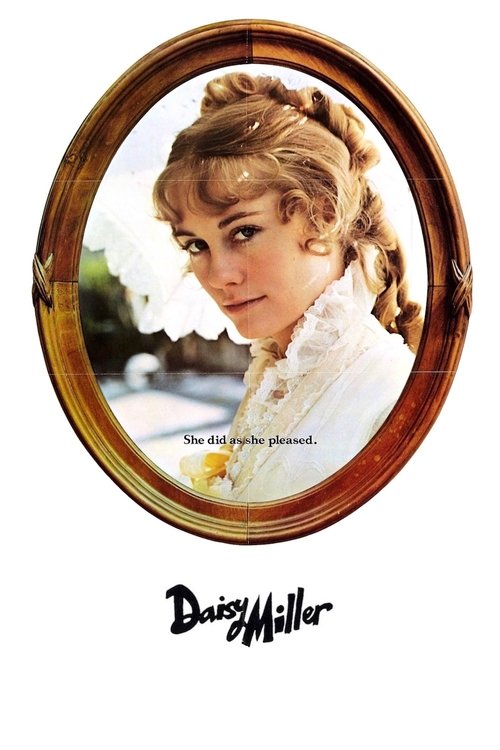
Daisy Miller1974
Peter Bogdanovich's adaptation of another Henry James story about a woman destroyed by society's judgment. Cybill Shepherd is radiant and doomed. Smaller and more intimate than Anna, but the same tragedy of misunderstanding.
But It's quite obscure and can feel glacial if you're not already invested in James's particular brand of social tragedy.
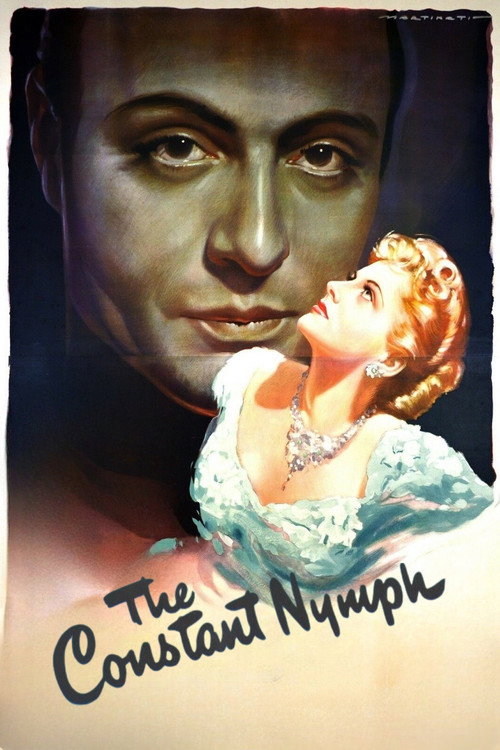
The Constant Nymph1943
Joan Crawford as a woman in love with a man she cannot have, destroyed by circumstance and her own devotion. Melodramatic, yes, but genuinely moving. A companion piece about the price of impossible love.
But The melodrama is thick, and some of the plotting relies on conveniences that strain credibility.
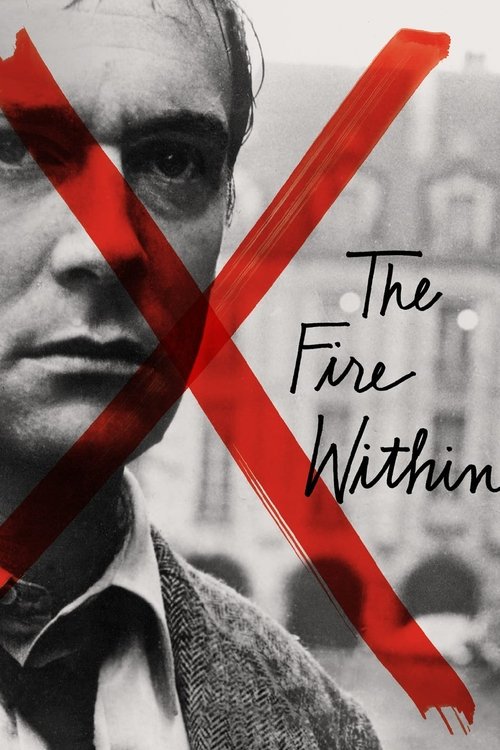
The Fire Within1963
Both are studies in inescapable doom, but Malle's doom comes from within the self rather than society—a metaphysical rather than social tragedy.
Louis Malle's heartbreaking film about depression and suicide, shot with understated French precision. No melodrama, no violins—just a man (Jean-Pierre Léaud) slowly withdrawing from life and everyone who loves him. It shares Anna's fatalism but replaces romantic tragedy with psychological inevitability. Devastating.
But It is genuinely depressing and offers no catharsis or hope. The pacing is deliberate to the point of numbness, which is intentional but not comforting.
People
Cast
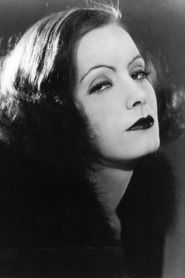 Greta GarboAnna Karenina
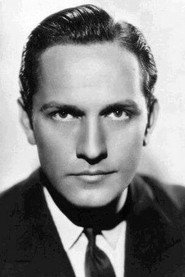 Fredric MarchCount Vronsky
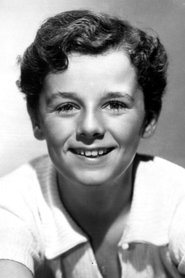 Freddie BartholomewSergei
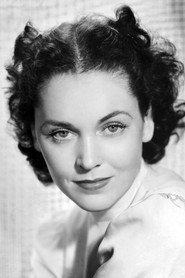 Maureen O'SullivanKitty
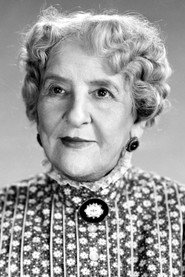 May RobsonCountess Vronsky
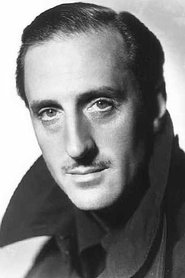 Basil RathboneAlexei Alexandrovitch Karenin
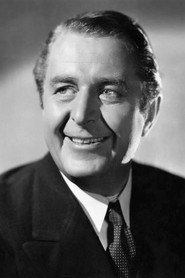 Reginald OwenStiva
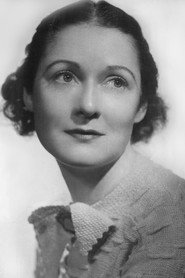 Phoebe FosterDolly
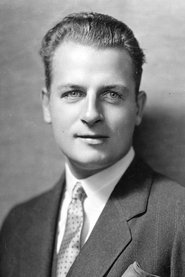 Reginald DennyYashvin
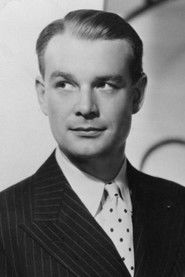 Gyles IshamKonstantin Demitrievitch Levin
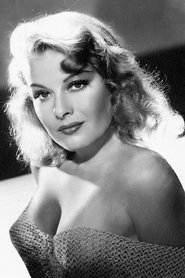 Joan MarshLili
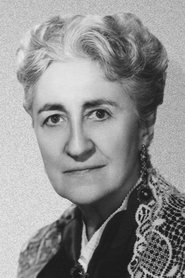 Ethel GriffiesMme. Kartasoff
Directing
- Charles DorianAssistant Director
- Clarence BrownDirector
Writing
- S. N. BehrmanDialogue
- Leo TolstoyNovel
- Clemence DaneScreenplay
- Salka ViertelScreenplay
Production
- David O. SelznickProducer
- William H. WrightProduction Assistant
Recommended by
Queen Christina, Camille, Madame Bovary, The Foxes of Harrow, Désirée, Mata Hari, The Rise of Catherine the Great, War and Peace, That Hamilton Woman, Magnificent Obsession