
Film
The Rise of Catherine the Great
A 1934 British costume drama about Catherine's rise from obscure German princess to Russian empress. Elisabeth Bergner carries the film with intelligence and restraint, while the production design gleams. It's genuinely handsome, sometimes stiff, interested in political maneuver rather than melodrama. For those who want their history with glamour but also with teeth.
Should you watch it?
Watch it if you like period dramas driven by brittle dialogue and rival personalities at court, where a marriage souring under the weight of power matters more than battle scenes.
Skip it if you want brisk pacing or modern filmmaking, since this 1934 studio piece is stagey, talky and carried mostly by its stars' large, theatrical performances.
What it asks of you: Ninety-five minutes of patient, dialogue-heavy scenes where the performances do the heavy lifting and the pacing unfolds at the speed of a court's intrigue.
Not sure? Find tonight's pick in a minute.
If you liked this
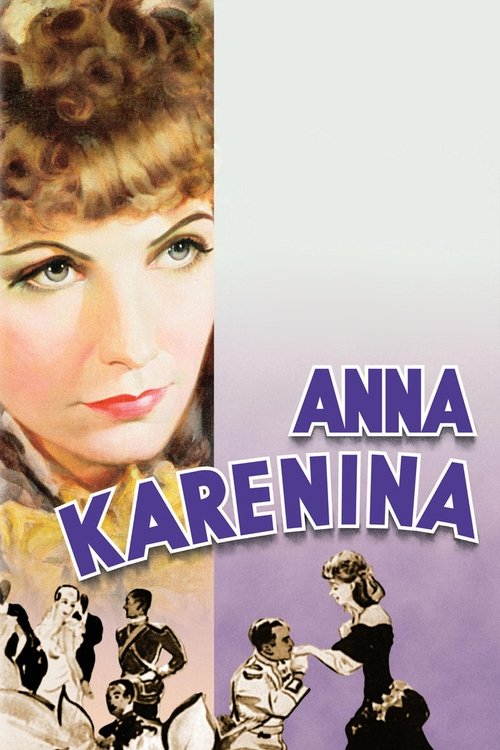
Anna Karenina1935
Garbo in a similar era, similar scale of ambition. Gorgeously shot Russian aristocracy with real emotional weight beneath the period trappings. Director Clarence Brown understands how to make costume drama feel urgent.
But The romantic plot can feel overwrought by modern standards, and there's a stretch in the middle where momentum sags badly.
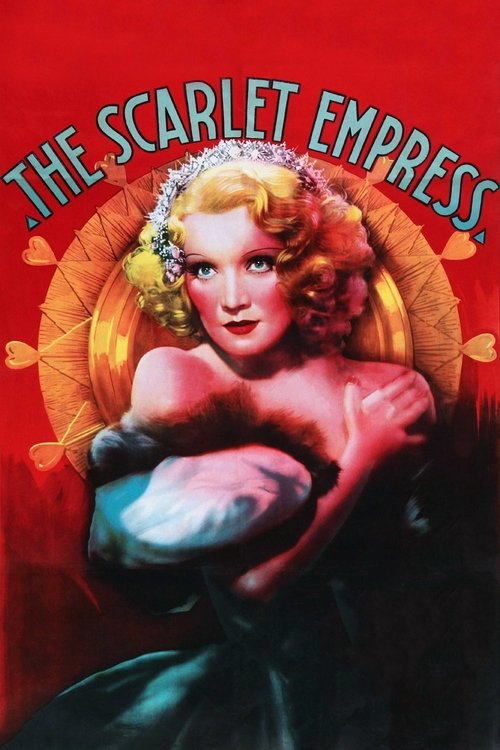
The Scarlet Empress1934
Also about Catherine, released the same year, but Marlene Dietrich and Josef von Sternberg made something far more stylized and sensual. Visually audacious in ways that still startle. A fever dream compared to the British restraint.
But It's so baroque and artificial it loses any grip on historical plausibility. Some find it beautiful; others find it exhausting.
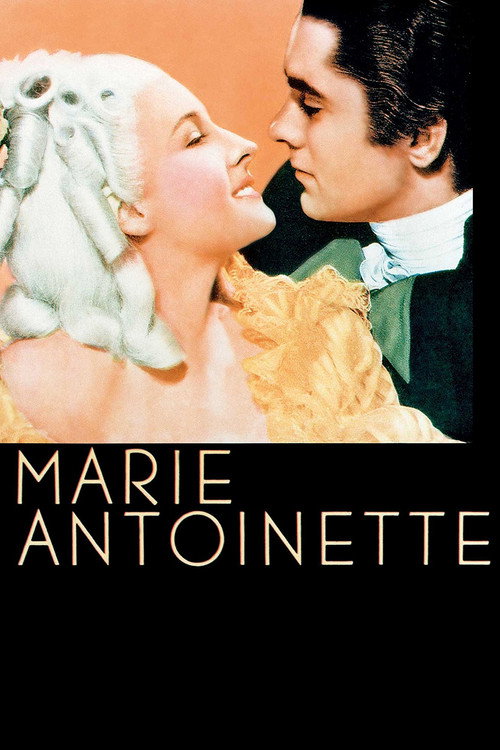
Marie Antoinette1938
Another woman navigating power in a hostile court, with Norma Shearer and genuine sympathy for the political machinery at work. MGM at peak production values. The throne-room scenes have real stakes.
But Shearer is mannered and the script softens Marie's complicity in ways that make it harder to engage with. It's gentler than it should be.
Not sure tonight? Get a pick in a minute, starting from The Rise of Catherine the Great
The wildcard
Something you would not have found on your own.
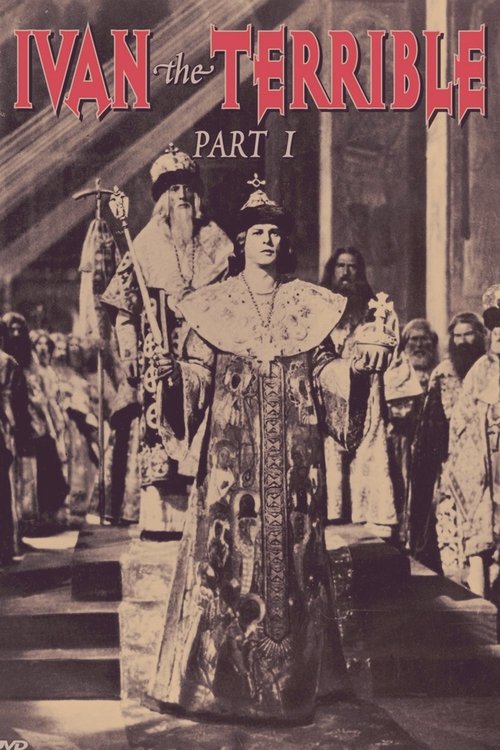
Ivan the Terrible, Part I1944
Both dramatize the loneliness and ruthlessness of absolute power in Russia, but Eisenstein made something that looks like nothing else, while Bergner's film is traditional cinema. Seeing them together rewrites both.
Sergei Eisenstein's masterpiece about another Russian autocrat navigating power and paranoia. Filmed during WWII and banned for years. Visually radical—black and white you've never seen before. The same historical moment, different century of filmmaking.
But It's experimental, difficult, and two hours of sustained dread. No comfort. Requires active attention throughout.
More like this (6)
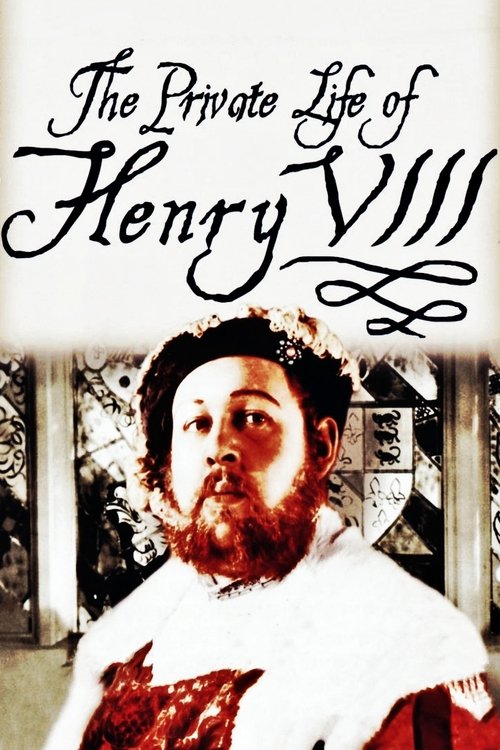
The Private Life of Henry VIII1933
Charles Laughton won an Oscar for this. It proved British studios could make intimate royal drama that moved between farce and tragedy without losing coherence. Influenced everything that followed.
But The tone is wildly uneven—sometimes it doesn't know if it's a comedy. Henry's behaviour can be hard to sit with.
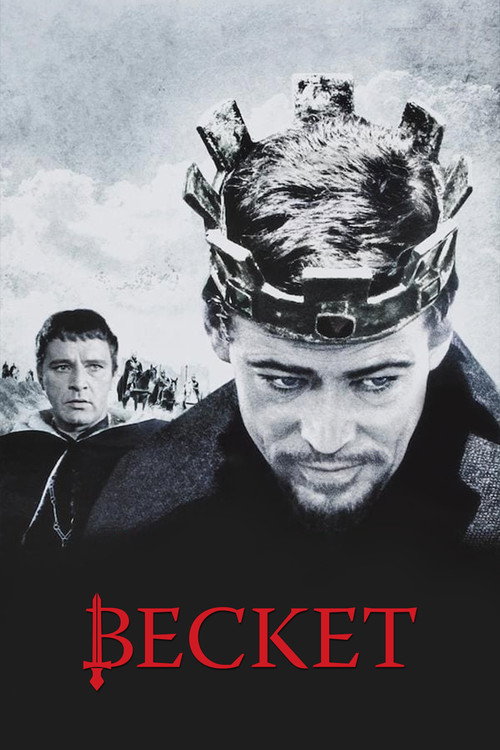
Becket1964
Historical drama about power, principle, and the fracture between church and state. Peter O'Toole and Richard Burton are electrifying. The writing is sharp enough to cut glass, and it earns its emotional beats.
But Nearly three and a half hours, and some of the theological debate will test your patience if period argumentation bores you.
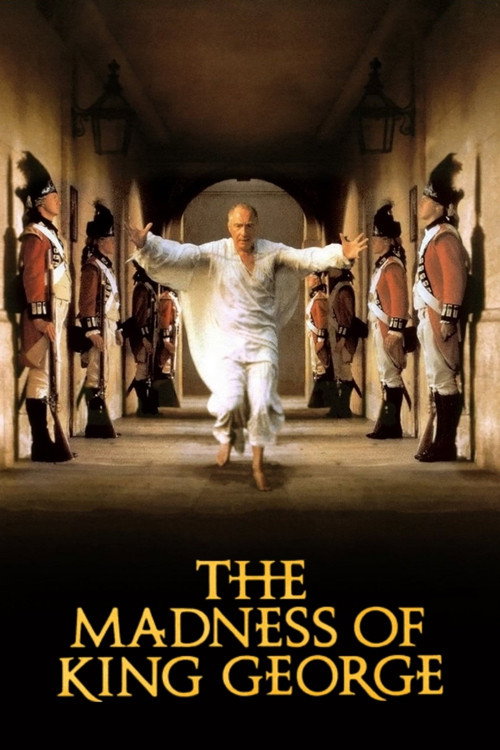
The Madness of King George1994
Court politics with humor and humanity. Nigel Hawthorne is remarkable, and the script finds tragedy in illness and loss. It moves like a play but photographs like cinema.
But Theatrical staging sometimes overwhelms the film itself. The medical details of mental illness may feel reductive to some.
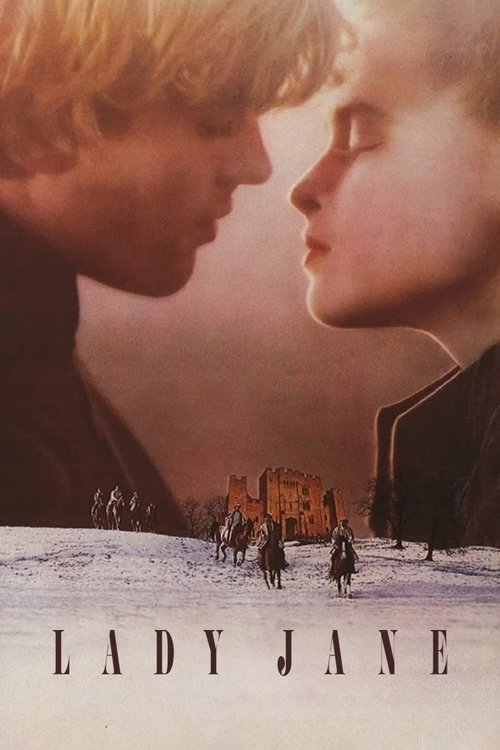
Lady Jane1986
Helena Bonham Carter as the nine-day queen. A sympathetic, intelligent look at a woman caught in impossible circumstances. Crisply written and genuinely moving.
But The revisionism is strong—it romanticizes where it should complicate. Some historical liberties will irritate scholars.
Dangerous Liaisons1988
Both show women using intelligence and calculation to survive in systems designed to destroy them, but Liaisons refuses Catherine's ascent—it ends in wreckage. Where Catherine rises, these characters fall.
Aristocrats manipulating each other in a doomed court, but 18th-century France instead of Russia. Glenn Close and John Malkovich are remorseless. It's the game of thrones played with sex and language instead of armies. Far darker than it appears.
But Relentlessly cynical. Nobody redeems themselves. The beauty of the surfaces makes the cruelty harder to watch, not easier.

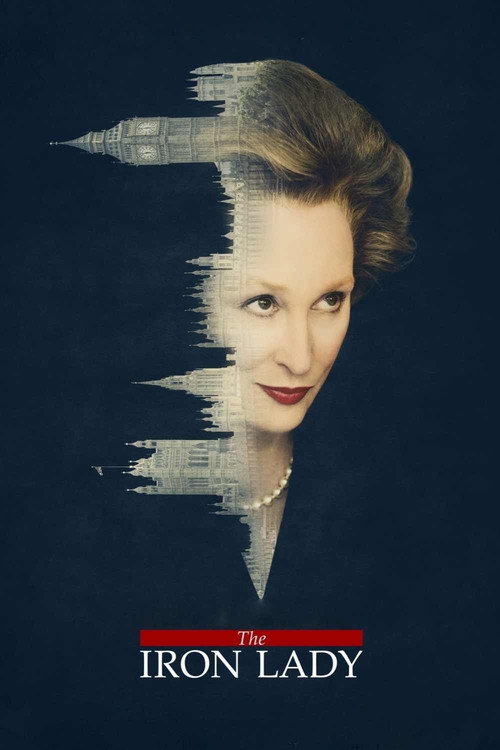
The Iron Lady2011
Both Catherine and Thatcher are women who rose to supreme power in systems hostile to their sex. But Thatcher operates in democracy and media, Catherine in absolutism and court intrigue—the film compares the machinery itself, not just the ambition.
Meryl Streep as Margaret Thatcher, another woman seizing and wielding absolute power. Less interested in psychology than in the choices that follow from ambition. It's a study of will colliding with history, shot in a modern register but with classical discipline.
But Some find it hagiographic and others find it cold. The framing story is weak, and it doesn't interrogate Thatcher's actual policies with rigor. A conservative reading of a conservative life.
People
Cast
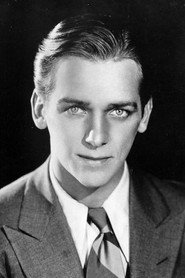 Douglas Fairbanks Jr.Grand Duke Peter
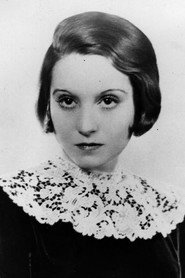 Elisabeth BergnerCatherine
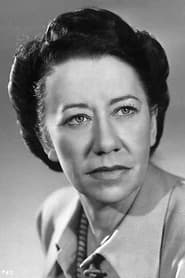 Flora RobsonEmpress Elisabeth
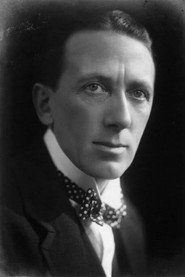 Gerald du MaurierLecocq
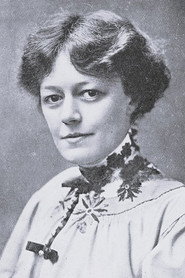 Irene VanbrughPrincess Anhalt-Zerbst
 Joan GardnerKatushienka
 Dorothy HaleCountess Olga
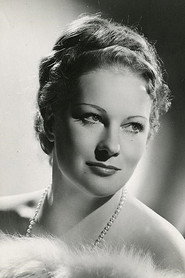 Diana NapierCountess Vorontzova
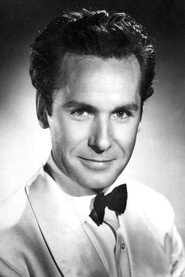 Griffith JonesGrigory Orlov
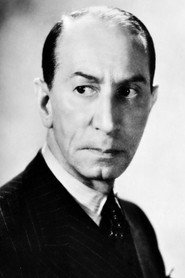 Gibb McLaughlinBestujhev
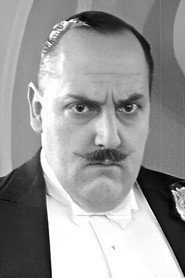 Clifford HeatherleyOgarev
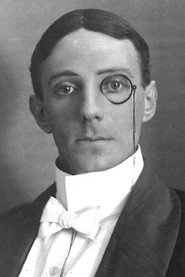 Laurence HanrayGoudovitch
Directing
- Geoffrey BoothbyAssistant Director
- Arthur WimperisContinuity
- Lajos BiróContinuity
- Melchior LengyelContinuity
- Paul CzinnerDirector
Writing
- Marjorie DeansScenario Writer
- Marjorie DeansScreenplay
- Arthur WimperisStory
- Lajos BiróStory
- Melchior LengyelStory
- Lajos BiróTheatre Play
- Melchior LengyelTheatre Play
Production
- Alexander KordaProducer
- Ludovico ToeplitzProducer
- David B. CunynghameProduction Manager