
Film
Madame du Barry
A 1934 drama following Jeanne Bécu's rise from street waif to the bed and influence of King Louis XV at Versailles. Dolores del Río commands the screen with charisma and vulnerability as a woman navigating court intrigue through intelligence and charm. A brisk, elegant tale of ambition and desire in the ancien régime, built on close-ups and whispered schemes rather than spectacle.
Should you watch it?
Watch it if you enjoy courtly period pieces where the pleasures lie in sharp manners and power games behind velvet doors, with a light touch on scandal.
Skip it if you need modern pacing, since this is a stately, talky studio drama that leans on performance and sumptuous sets rather than plot momentum.
What it asks of you: Settle into a slow, talky rhythm of whispered intrigue and ornate conversation; at 79 minutes it is brief, so the commitment is light.
Not sure? Find tonight's pick in a minute.
If you liked this
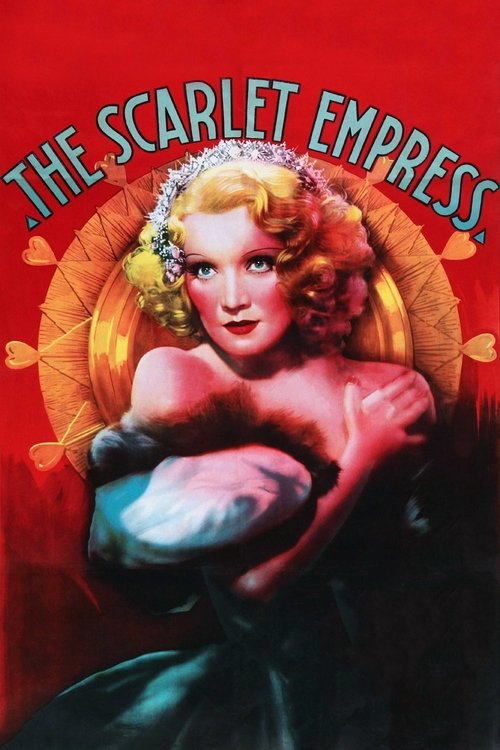
The Scarlet Empress1934
Josef von Sternberg's baroque masterpiece about Catherine the Great's ascent. Like du Barry, it's a woman seizing power through wit and sexuality, but rendered in hypnotic visual excess. Marlene Dietrich in full command.
But The style is so ornate and artificial it can feel airless. Some find Sternberg's vision of female ambition troubling in ways worth sitting with.
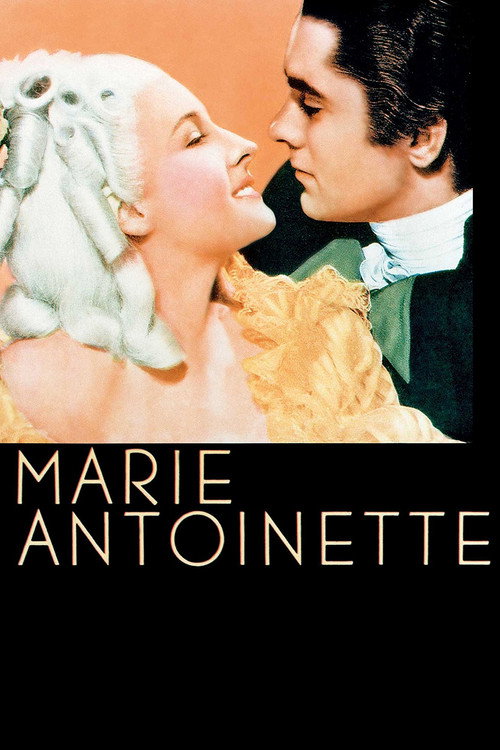
Marie Antoinette1938
Another del Río contemporary exploring Versailles court power. W.S. Van Dyke directs with real warmth; the film finds tragedy in privilege and sympathy for a woman trapped by her own elevation. Sumptuous without being cold.
But It's a MGM production from 1938, which means some moments feel stagey and the emotional depth is occasionally sacrificed for spectacle.
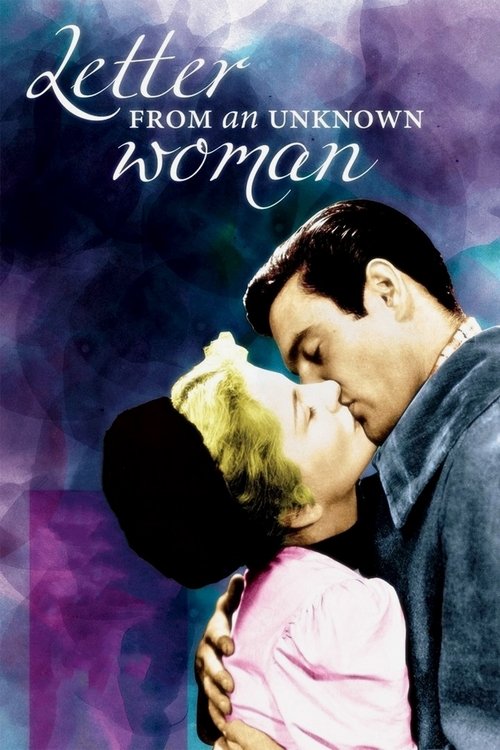
Letter from an Unknown Woman1948
Max Ophüls' supreme achievement about a woman whose life orbits a man's indifference. Like du Barry, it examines female desire and social climbing, but with such tenderness and moral clarity that you'll think about it for days.
But It's melancholic rather than glamorous, and entirely told through a woman's unrequited devotion. If you're after plot momentum, you'll feel its elegance as slowness.
Not sure tonight? Get a pick in a minute, starting from Madame du Barry
The wildcard
Something you would not have found on your own.
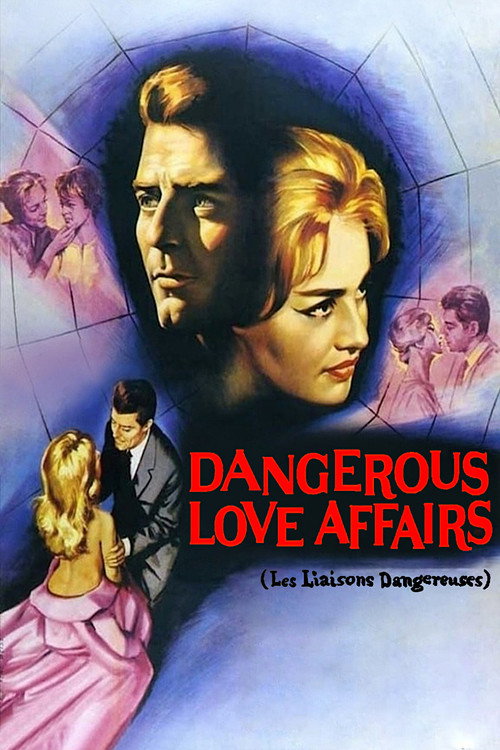
Dangerous Love Affairs1959
Both du Barry and this film understand seduction as a tool for survival and power, but Liaisons makes it a bloodless intellectual game rather than a story about a woman's vulnerability.
Roger Vadim's adaptation of Laclos' novel: seduction as a game of pure strategy between aristocrats with no feeling and total calculation. It's Versailles-adjacent (18th-century France, court society) but treats desire as philosophy, not romance.
But It's icy and abstract. If you're watching for emotional warmth or character depth, it's actively hostile to both. Some find it brilliant, others unbearably cold.
More like this (6)
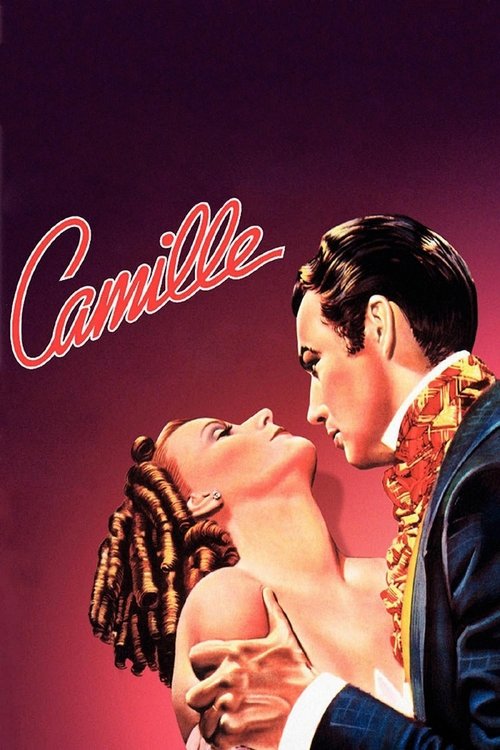
Camille1936
Greta Garbo as a courtesan at the height of her powers. A woman trading intimacy for survival, rendered with extraordinary restraint by George Cukor. The performance is worth the evening alone.
But Pre-Code melodrama can feel overstated to modern eyes. The romance is the whole film, and if that doesn't move you, there's not much else underneath.
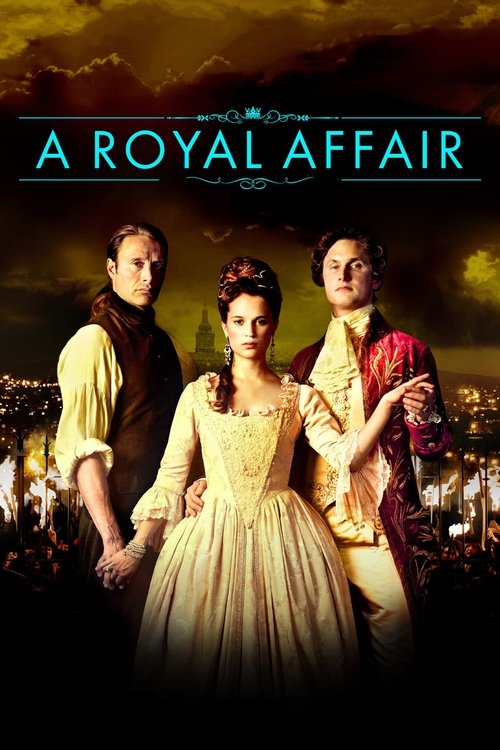
A Royal Affair2012
A Scandinavian reframing of court seduction and power: a queen attempts reform through influence over a weak king, then falls for the idealistic royal physician. Politically minded in ways the 1934 version wasn't, and genuinely tense.
But The pacing is slow and the emotional stakes are more historical than personal. Some may find the heroine's choices frustratingly passive.
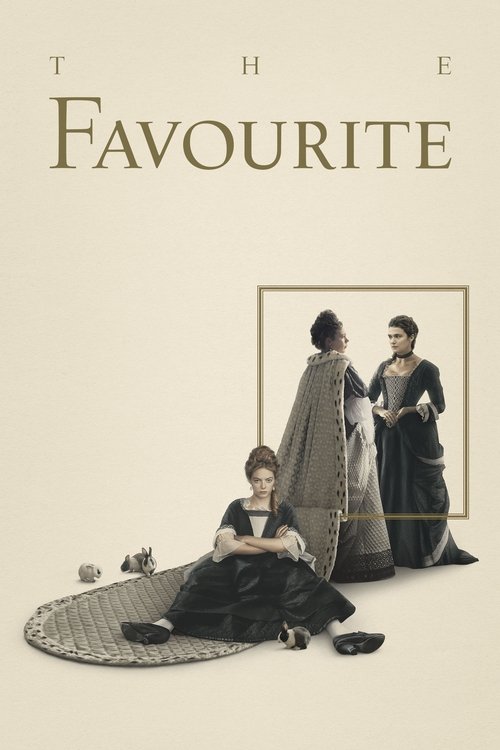
The Favourite2018
Yorgos Lanthimos remakes the court intrigue game as darkly comic power play. Two women compete for a queen's favor; it's cruel, funny, and visually dazzling. Proves the theme of seduction-as-survival is timeless.
But The tone is jarringly crude and anarchic. If you want elegance and period decorum, this gleefully dismantles both.
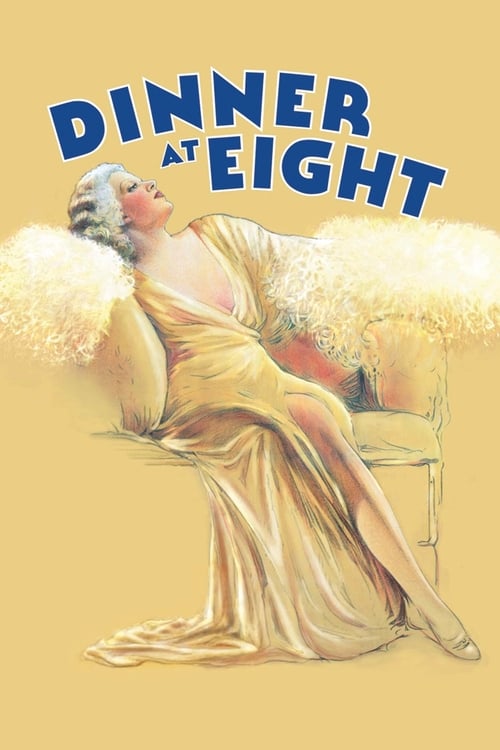
Dinner at Eight1933
George Cukor ensemble comedy where desire, status, and secrets collide in Manhattan high society. The same world of social climbing and dangerous charm, but funnier and more cynical. Jean Harlow and Wallace Beery are transcendent.
But It's an ensemble, so no single story has du Barry's focus. The comedy can feel dated, and the pacing meanders between seven plotlines.
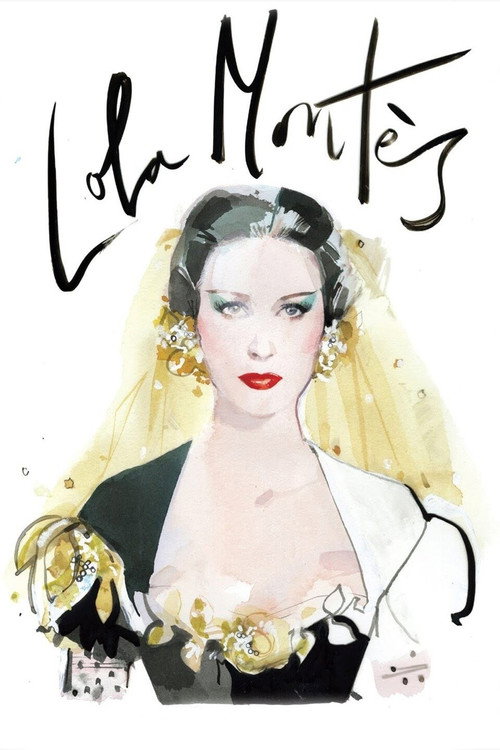
Lola Montès1955
Max Ophüls' final film, a circus-frame biography of a 19th-century courtesan who bedded kings and generals. Visual storytelling of dizzying beauty, and genuinely compassionate about a woman destroyed by her own legend.
But It's fragmented and anti-narrative in ways that frustrated audiences on release. The circular structure can feel experimental and cold rather than moving.
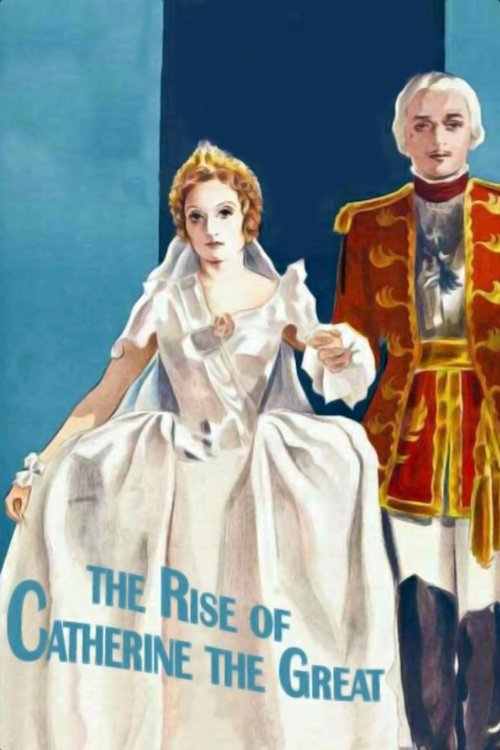
The Rise of Catherine the Great1934
Both are 1934 biopics about ambitious women at European courts, but this one privileges strategy over charm, making the psychological portrait colder and more political.
Released the same year as du Barry, this British film about Catherine the Great is an entirely different approach: less glamour, more politics and ambition. Bergman-adjacent in tone—interested in how a woman actually wields power, not just how she's desired.
But It's a British production from 1934, which means the production values are modest and the pacing is academic. Some scenes feel like illustrated history lectures.
People
Cast
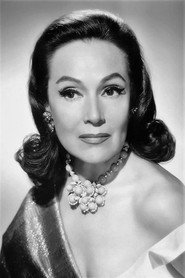 Dolores del RíoMadame Du Barry
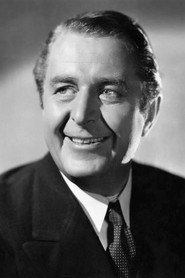 Reginald OwenKing Louis XV
 Victor JoryDuc Armand d'Aiguillon
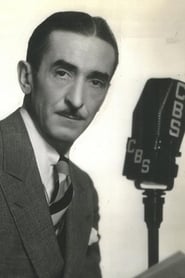 Osgood PerkinsDuc de Richelieu
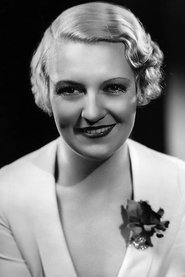 Verree TeasdaleDuchess de Granmont
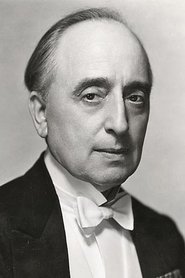 Ferdinand GottschalkLebel
 Anita LouiseMarie Antoinette
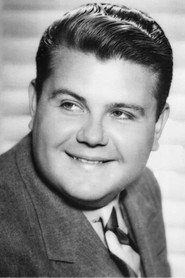 Maynard HolmesThe Dauphin
 Henry O'NeillDuc de Choiseul
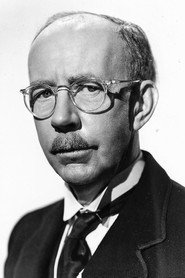 Hobart CavanaughProfessor de la Vauguyon
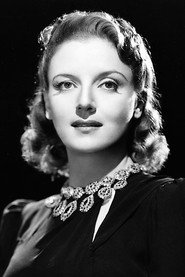 Dorothy TreeAdelaide, the King's Daughter
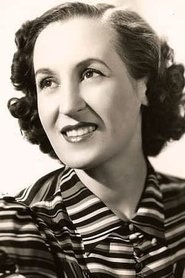 Virginia SaleSophie, the King's Daughter
Directing
- William DieterleDirector
Writing
- Edward ChodorovWriter