
Film
The Iron Lady
The Iron Lady is less a political record than a character study built from memory and myth. It intercuts Margaret Thatcher's rise with the fog of her final years, treating power as something that costs more than it gives. Streep's transformation carries a fractured, impressionistic structure — this is for viewers interested in psychology and decline over policy detail.
If you liked this
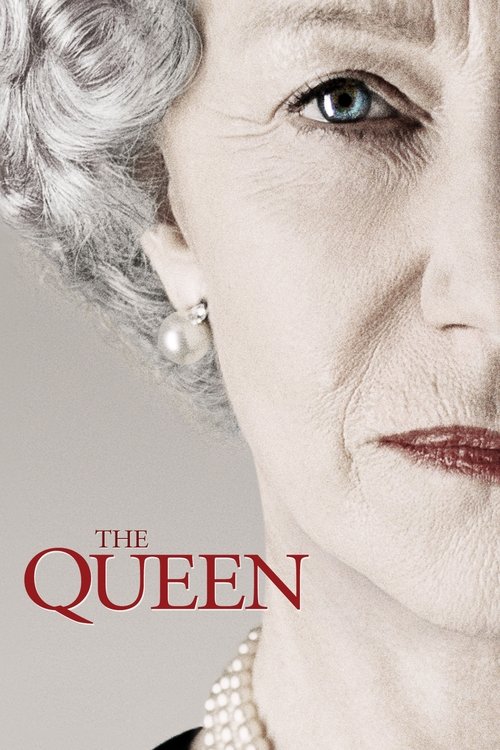
The Queen2006
Peter Morgan's script and Helen Mirren's performance turn a constitutional crisis into a study of a woman trapped by an image she can't escape — the same terrain The Iron Lady walks in reverse.
But It's more restrained and less showy than Streep's turn; if you want transformation-as-spectacle, this plays it cool.
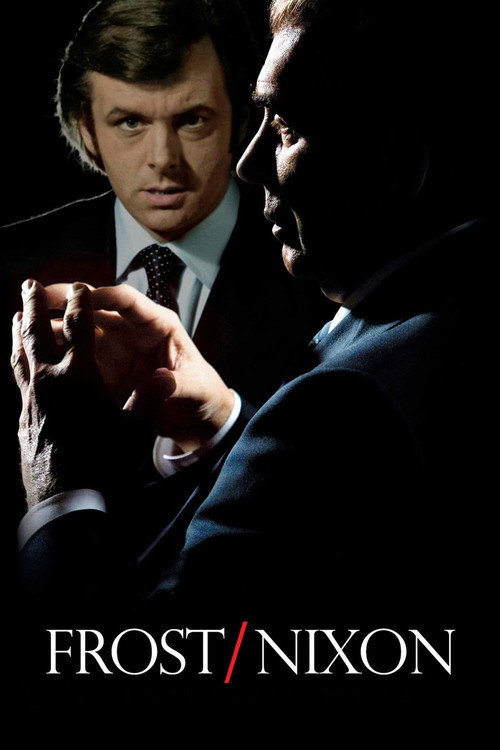
Frost/Nixon2008
Watch a fallen leader defend his legacy in real time, with Frank Langella finding the same mix of vanity and vulnerability that makes power brokers human rather than monstrous.
But It's a two-hander built on dialogue and tension rather than the roaming, fragmented biopic structure The Iron Lady uses.
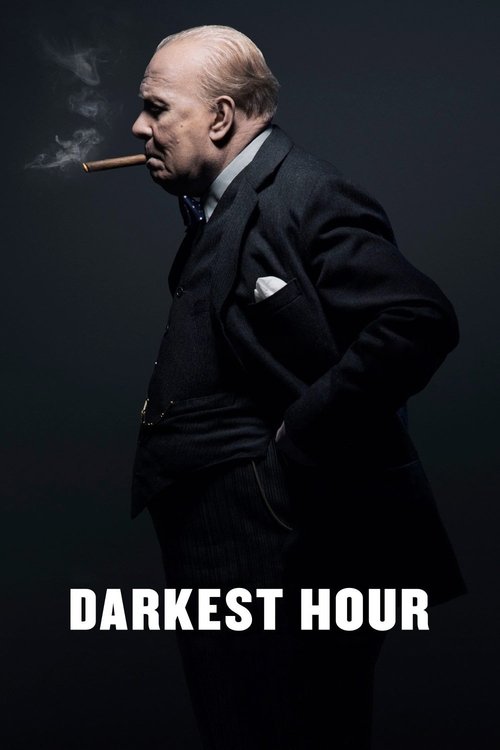
Darkest Hour2017
Another portrait of a divisive British PM under impossible pressure, with a lead performance built from prosthetics and will rather than mimicry alone.
But It's a tighter, single-crisis film — far less interested in aftermath, aging, or private cost.
The wildcard
Something you would not have found on your own.
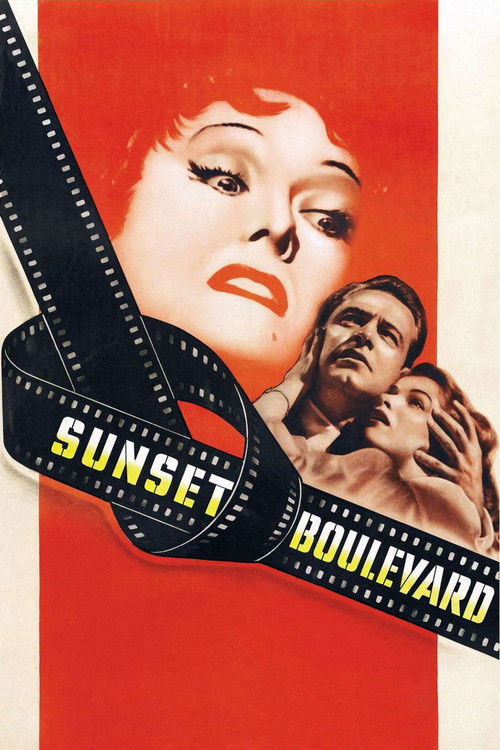
Sunset Boulevard1950
Both films use a fractured, memory-warped structure to show a once-dominant woman losing her grip on reality while everyone around her indulges the fantasy — Norma Desmond and Thatcher's dementia-era hallucinations are close cousins.
Gloria Swanson's faded silent-era star, marooned in her own mansion and mythology, is the ur-text for every story about power curdling into delusion — you'll see Thatcher's ghostly dinners with Denis differently after this.
But It's black-and-white studio-era melodrama with a much darker, gothic streak than anything in The Iron Lady.
More like this (8)
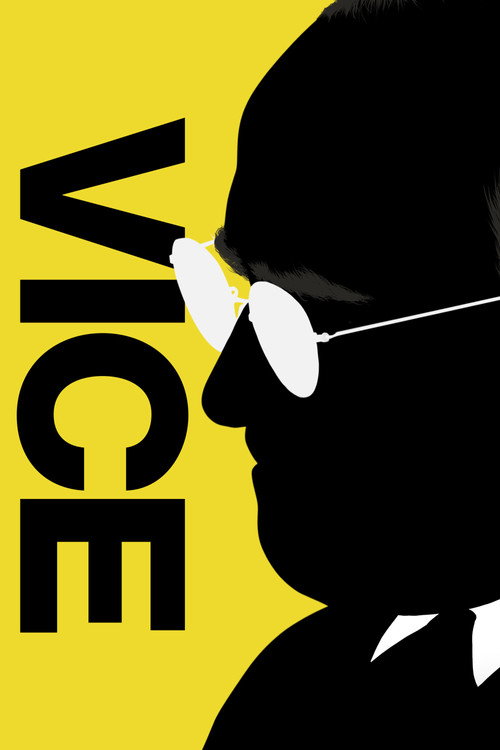
Vice2018
Christian Bale's Cheney is a companion piece in ambition and moral reckoning, told with a sharper satirical edge that dares you to laugh at the machinery of power.
But The tone swings hard into irony and stylistic gimmickry — if you wanted solemnity, this isn't it.
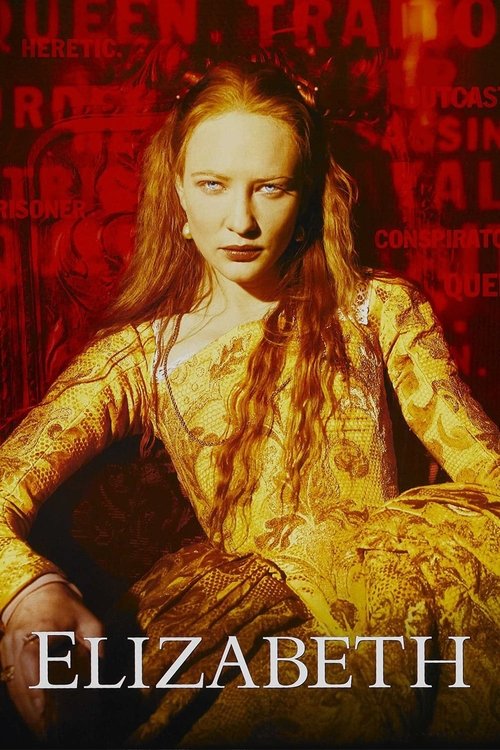
Elizabeth1998
Cate Blanchett's young queen hardens into her role scene by scene, making visible the exact transaction — self for power — that Thatcher's story asks you to weigh too.
But It's costume-drama pageantry rather than modern biopic; the politics are Tudor, not twentieth-century.
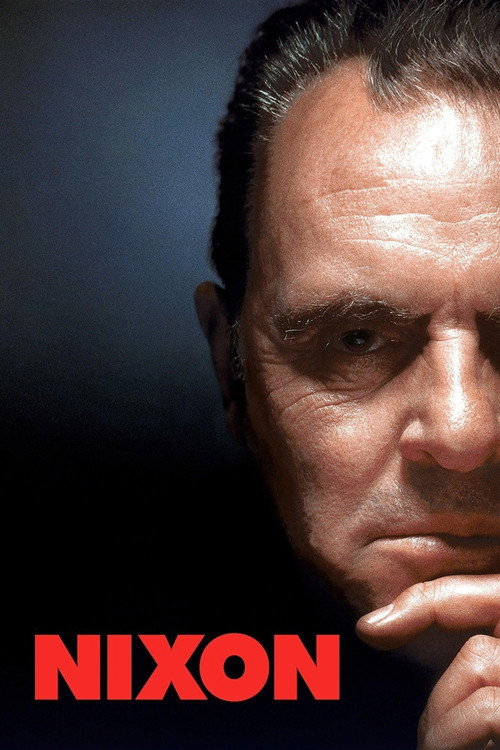
Nixon1995
Oliver Stone's operatic, paranoid portrait of a leader consumed by his own myth is the loudest possible version of the story The Iron Lady tells quietly.
But Three hours of Stone's maximalist style is a big commitment, and it's far angrier than reflective.
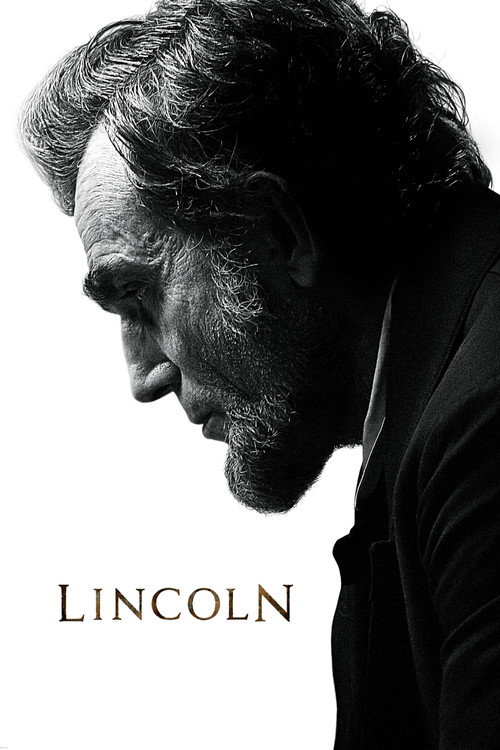
Lincoln2012
Spielberg's attention to the grinding, unglamorous mechanics of political will makes a useful counterweight — power here is patient and procedural, never as personal as Thatcher's is shown to be.
But It's warmer and more admiring than The Iron Lady's ambivalence; don't expect the same critical distance.
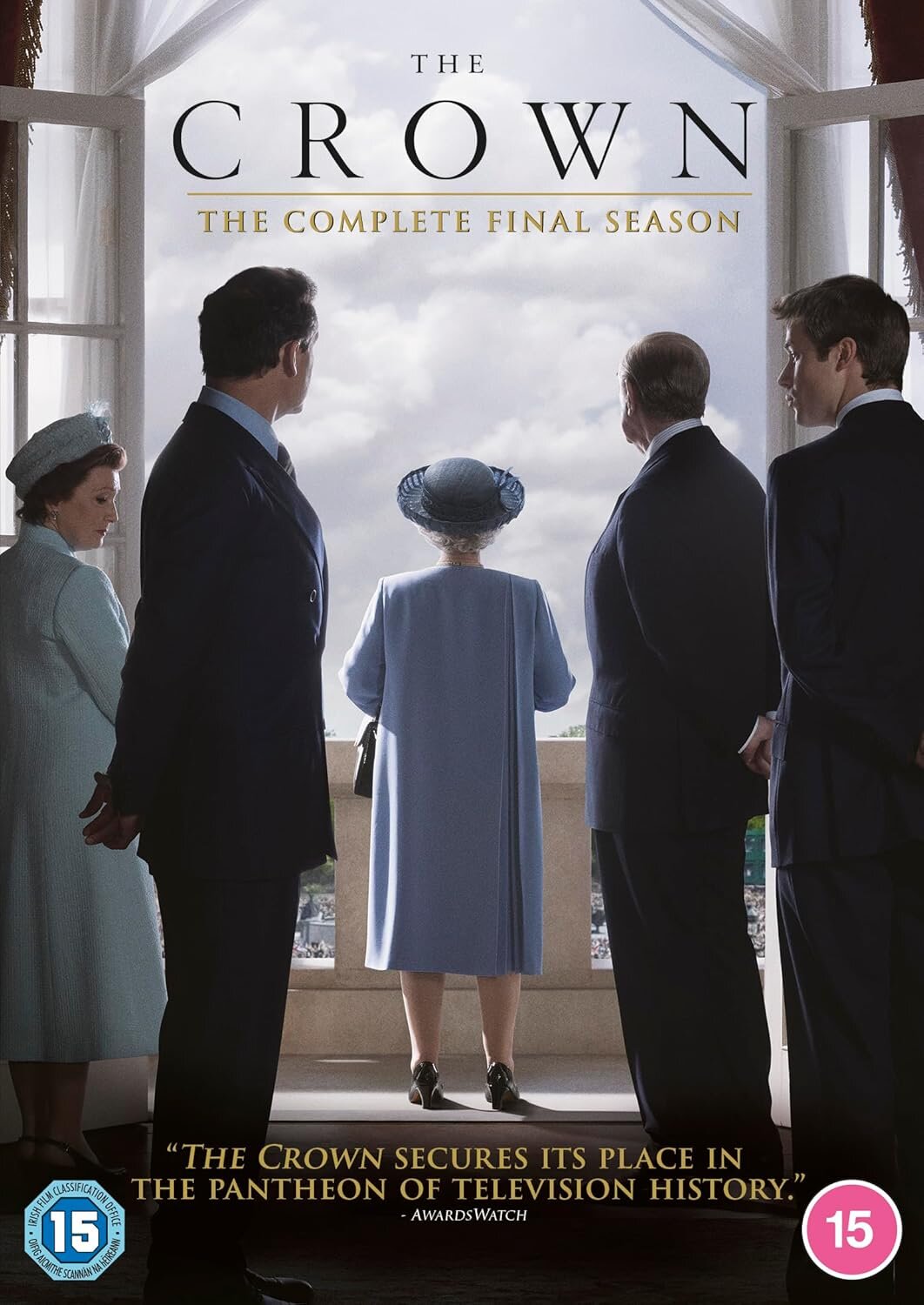
The Crown2016
For the wider ecosystem Thatcher operated in, this gives you the Palace's-eye view of her premiership across multiple seasons, played with cool precision by Gillian Anderson.
But It's a long-haul commitment across many hours and several other prime ministers before you even reach her.
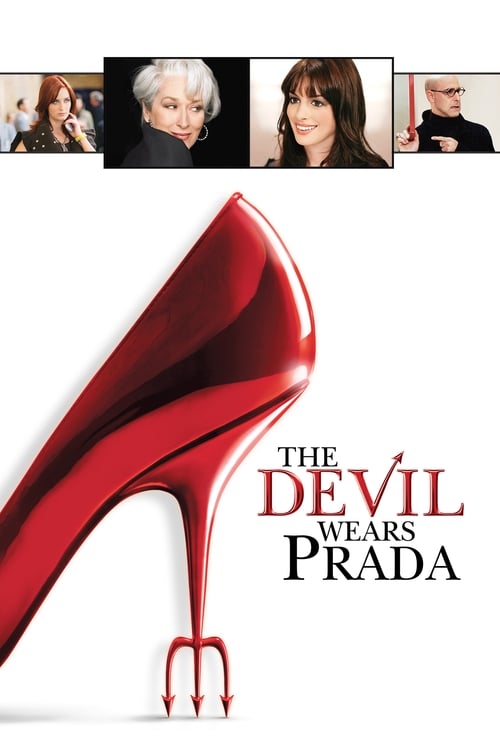
The Devil Wears Prada2006
A lighter, funnier echo of Streep playing a woman feared and misunderstood in equal measure — watch this when you want the actress without the weight.
But It's a workplace comedy with zero interest in real politics or mortality — a palate cleanser, not a companion piece.
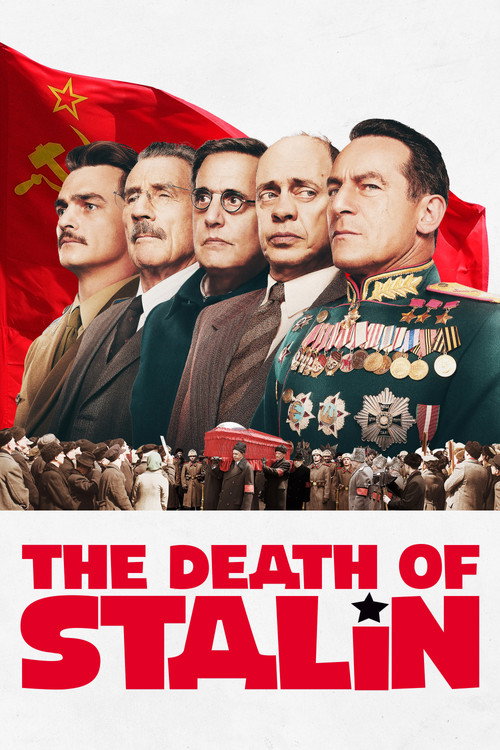
The Death of Stalin2017
It's the same engine — the loneliness and machinery of holding power — run through comedy instead of tragedy, showing how thin the line is between a solemn biopic and a farce set in the exact same rooms.
The same corridors-of-power machinery — plotting, flattery, sudden reversals — played as pitch-black farce, with a cast proving that political survival is basically slapstick with higher stakes.
But If you wanted gravity and pathos, this swaps it for absurdist comedy; the register shift is enormous.
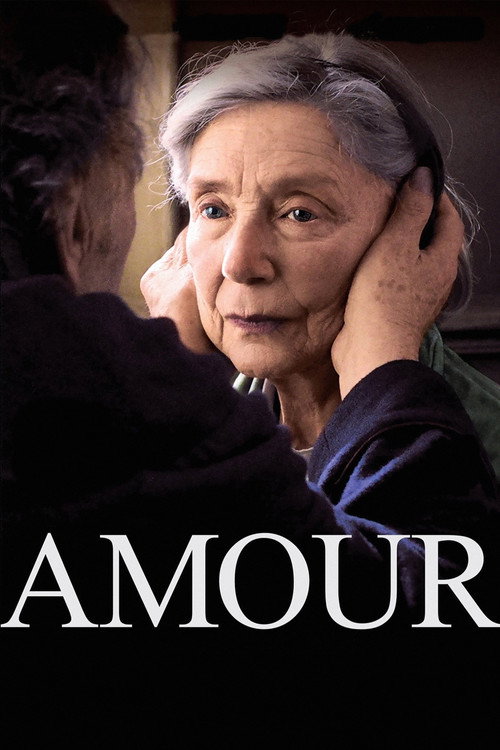
Amour2012
Where The Iron Lady softens Thatcher's isolation with Denis's ghost, Amour stares straight at the same territory — marriage, memory, mortality — without a single ounce of myth-making.
Michael Haneke's unflinching, dialogue-sparse study of an elderly couple facing physical and mental decline strips away every trace of spectacle, leaving just the raw work of loving someone whose mind is leaving them.
But It's slow, subtitled, and deliberately unsentimental — the opposite of prestige-biopic comfort, and genuinely hard to sit through.
People
Cast
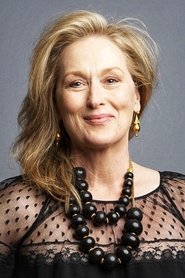 Meryl StreepMargaret Thatcher
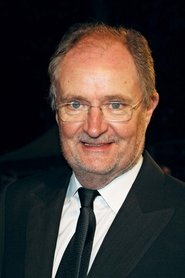 Jim BroadbentDenis Thatcher
 Olivia ColmanCarol Thatcher
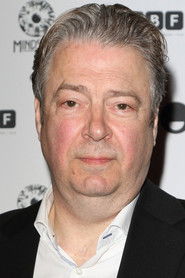 Roger AllamGordon Reece
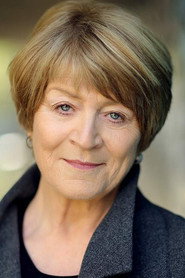 Susan BrownJune
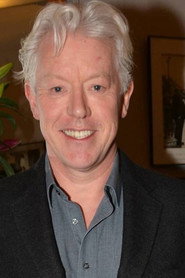 Nick DunningJim Prior
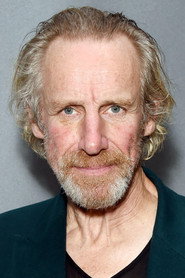 Nicholas FarrellAirey Neave
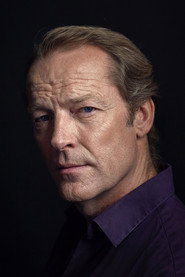 Iain GlenAlfred Roberts
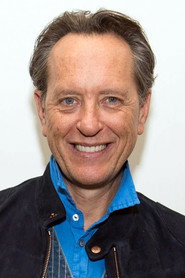 Richard E. GrantMichael Heseltine
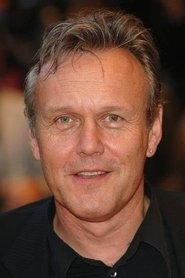 Anthony Stewart HeadGeoffrey Howe
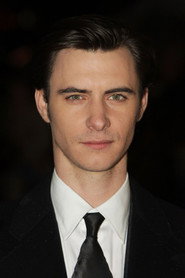 Harry LloydYoung Denis Thatcher
 Michael MaloneyDoctor
Directing
- Phyllida LloydDirector
- Sue HillsScript Supervisor
- Chris FogginThird Assistant Director
Writing
- Abi MorganScreenplay
Production
- Nina GoldCasting
- Adam KulickExecutive Producer
- Cameron McCrackenExecutive Producer
- François IvernelExecutive Producer
- Tessa RossExecutive Producer
- Anita OverlandProducer
- Colleen WoodcockProducer
- Damian JonesProducer
Recommended by
The Queen, Darkest Hour, Pride, Iris, The King's Speech, Judy