
Film
Copying Beethoven
A woman joins Beethoven's household as his copyist, transcribing his increasingly incomprehensible manuscripts while navigating his volcanic temperament and the friction between genius and cruelty. It's intimate, claustrophobic, more interested in the texture of creative obsession than grand biographical gestures. For anyone who's wondered what it costs to be close to genius—and whether genius earns its debts.
Should you watch it?
Watch it if you love period dramas where a prickly genius and a stubborn outsider circle each other over a shared obsession, and you care more about the music and the working relationship than about big set pieces.
Skip it if you want Beethoven's life told as a sweeping biography, since this is a small, talky chamber piece built around two characters and one tense commission, and it can feel stagey.
What it asks of you: It runs about an hour and forty minutes and stays mostly indoors, letting dialogue and rehearsal-room friction carry the weight, so settle in for a patient, character-led afternoon.
Not sure? Find tonight's pick in a minute.
If you liked this
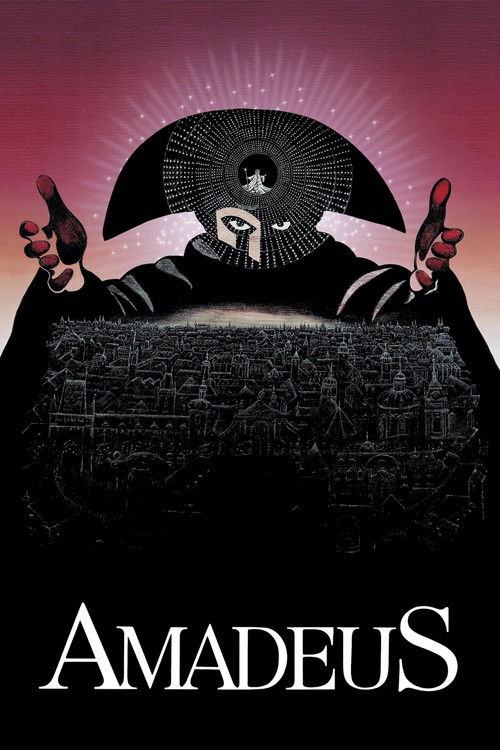
Amadeus1984
The definitive film about genius and jealousy. F. Murray Abraham's Salieri watches Mozart's casual brilliance destroy him—it has the same intimate, suffocating intensity as Copying Beethoven, just from the opposite angle.
But Nearly three and a half hours, and the drama is all interior. If you need plot momentum, this will feel like watching someone slowly realize their own irrelevance.
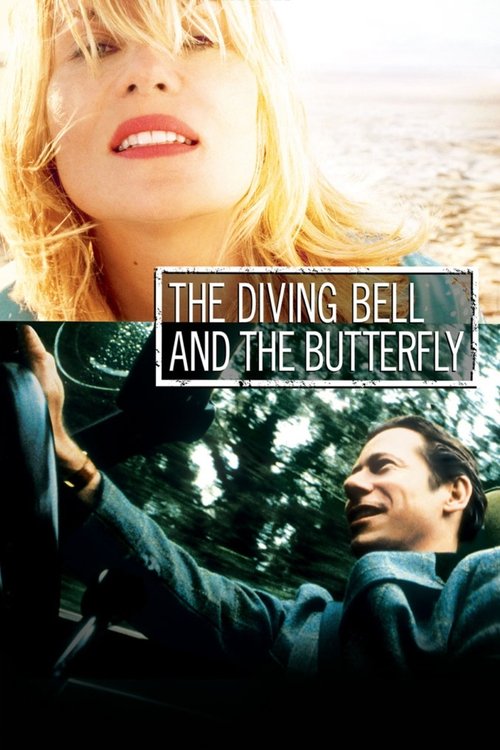
The Diving Bell and the Butterfly2007
Another portrait of artistic consciousness against odds—Schnitzler rebuilding his interior world after paralysis. It shares that obsessive attention to the artist's mind and the price of creation, shot with the same visual precision.
But Deliberately slow and experimental. The early sequences are intentionally difficult to watch, and patience is non-negotiable.
A Prophet2009
A study of mentorship and corruption in a confined space. Like Copying Beethoven, it's about power imbalance, learning from someone magnificent and terrible, and the cost of proximity.
But Prison brutality is graphic and sustained. This is darker and harder than the Beethoven film, and it doesn't flinch.

Not sure tonight? Get a pick in a minute, starting from Copying Beethoven
The wildcard
Something you would not have found on your own.
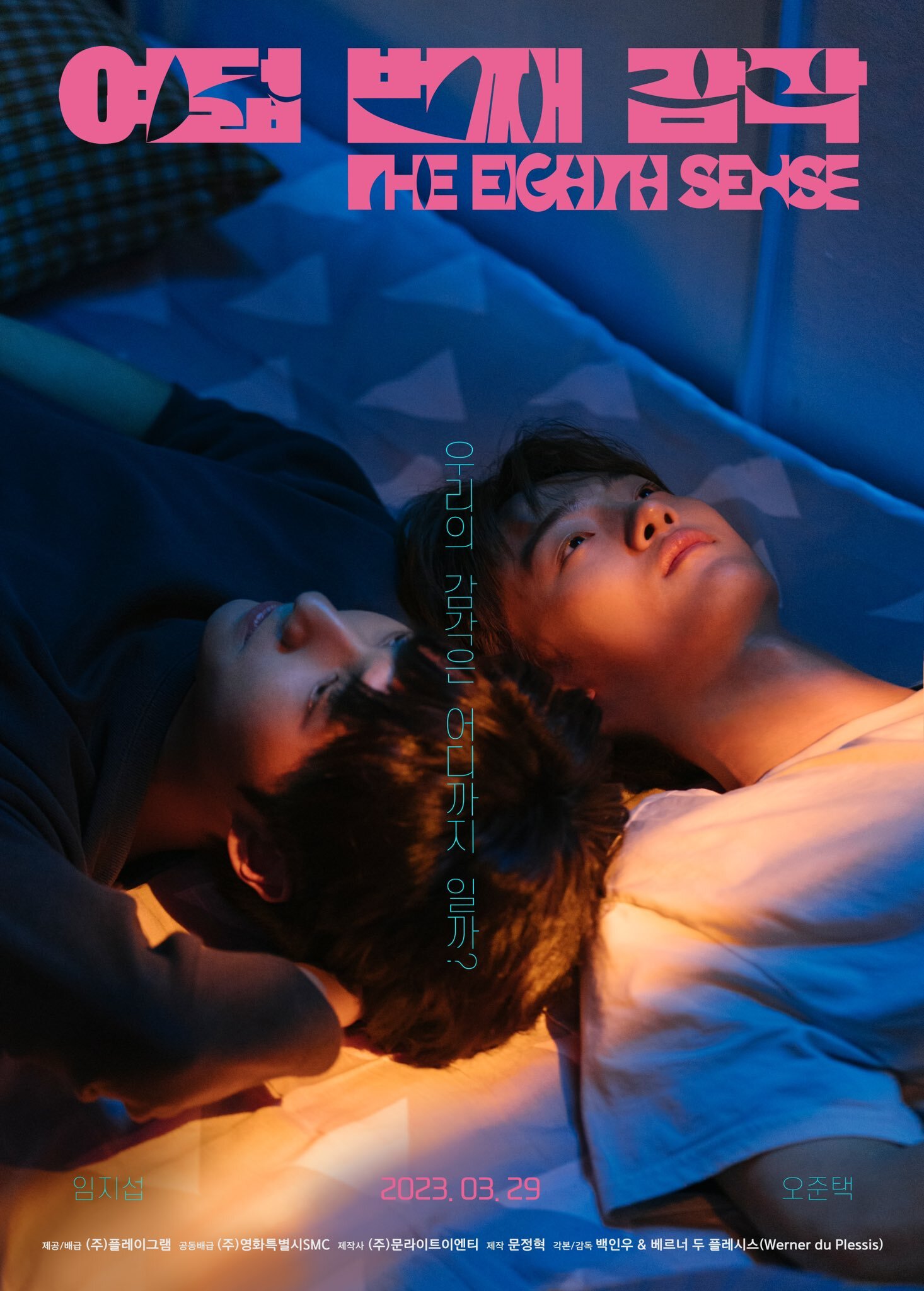
The Eighth Sense2023
Both are about the radical vulnerability of trying to share an interior world—of teaching someone to see/hear the way you do. Both examine genius not as gift but as wound.
A South Korean series about a deaf musician teaching a hearing woman to read the world through sound. It inverts Copying Beethoven's dynamic—the teacher is the one society deems broken. Same combustible mix of artistry, power, and two people learning to see each other.
But It's melodrama, unapologetically. The emotional beats are broad, and Western audiences sometimes find K-drama pacing slow and the romanticism excessive.
More like this (7)
Frida2002
Another painter's household portrait, centering the woman navigating genius and chaos. Julie Taymor's visual style is maximalist where Copying Beethoven is austere, but the emotional archaeology is similar.
But Heavy-handed about Frida's suffering. It can veer toward hagiography, and the film loves its own imagery sometimes more than its characters.

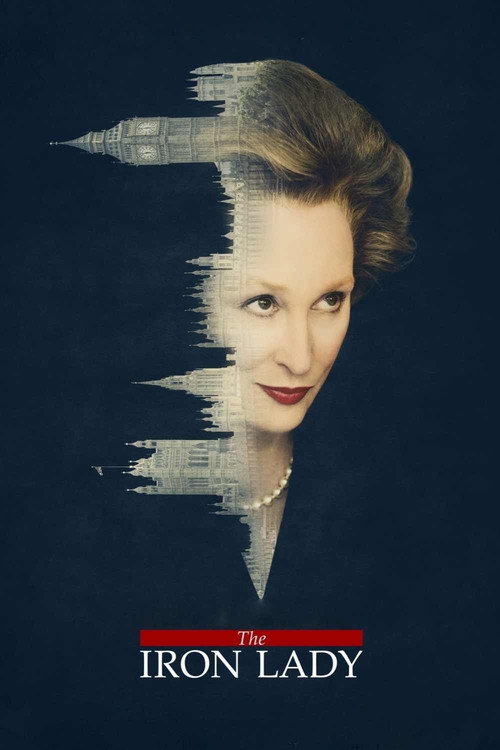
The Iron Lady2011
Meryl Streep as Thatcher: a study of will and genius in service of something. It examines the person beneath the legend, the cost of that single-mindedness, the way power isolates.
But The framing device is maudlin, and Streep's Thatcher can feel more curio than character. The film softens her in ways that undercut its own argument.
The Red Shoes1948
Powell and Pressburger's masterpiece about a dancer caught between two ruthless men. The obsession with beauty and its cost, the suffocation of genius demanding everything—this film invented that language.
But Technicolor romance obscures real cruelty. Its beauty can seduce you away from what it's actually saying about exploitation.

My Week with Marilyn2011
A brief proximity story: a young man serves as companion to Monroe during the shooting of The Prince and the Showgirl. It has that same fascination with genius up close and the damage it carries.
But Winds up being more about the narrator than Marilyn. The film's sympathy is oddly distributed, and her interiority gets crowded out.

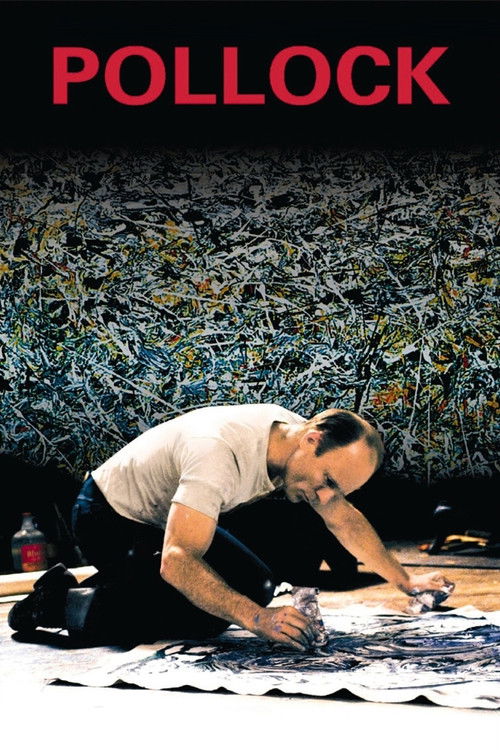
Pollock2000
Ed Harris—the same actor as Beethoven—as Jackson Pollock. A portrait of genius as self-destruction, isolation, and the search for control through chaos. The obsession is total and relentless.
But Visually it mirrors Pollock's chaos rather than clarifying it. The film can be as maddening and impenetrable as its subject.
Synecdoche, New York2008
Both track the price paid by those orbiting genius. But where Copying Beethoven is intimate and precise, this is baroque and hallucinogenic—the same spiritual drowning in a different key.
Charlie Kaufman's film about a theatre director whose vision consumes everyone around him and devours itself. It's obsession as psychological vortex—less intimate than Copying Beethoven but operating in the same register: genius that destroys in the name of creating.
But Deliberately bewildering. The narrative collapses and reality fractures; if you need clear story structure, this will exhaust you.

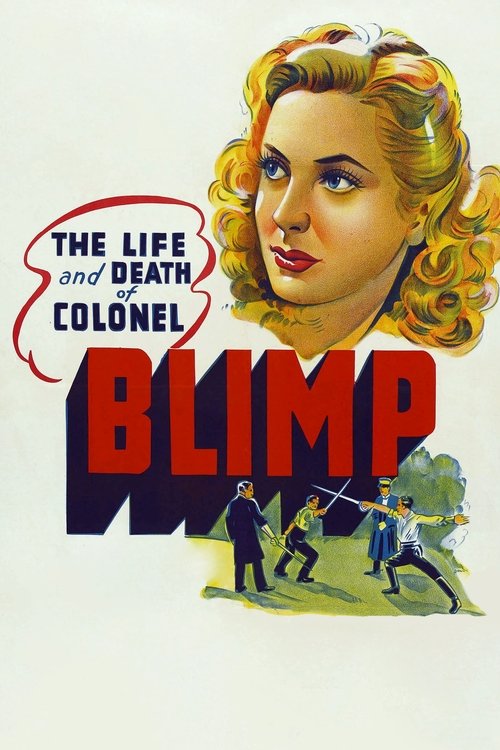
The Life and Death of Colonel Blimp1943
Both examine hierarchy—teacher and student, master and servant—and ask whether greatness justifies the damage it does. Both are skeptical of that bargain.
Powell and Pressburger again, but this one follows a man across decades, watching how his certainties erode. Roger Livesey as the soldier who never learns. It's a portrait of mentorship and its failures, of how the young serve the old and then become them.
But It's a period film that moves slowly. Technicolor romance and the scale can feel antiquated; modern audiences sometimes mistake formal elegance for slowness.
People
Cast
 Ed HarrisLudwig van Beethoven
 Diane KrugerAnna Holtz
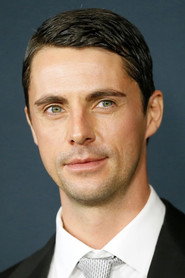 Matthew GoodeMartin Bauer
 Phyllida LawMother Canisius
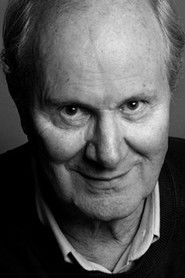 Ralph RiachWenzel Schlemmer
- Bill StewartRudy
 Angus BarnettKrenski
- Viktoria DihenMagda
 Matyelok GibbsOld Woman
 Karl JohnsonStefan Holtz
 Joe AndersonKarl van Beethoven
Directing
- Vera JanischAssistant Director
- Agnieszka HollandDirector
- Matthew Penry-DaveyFirst Assistant Director
- Alex OakleySecond Assistant Director
- Kasia AdamikSecond Unit Director
Writing
- Christopher WilkinsonScreenplay
- Stephen J. RiveleScreenplay
- Kasia AdamikStoryboard
Production
- Priscilla JohnCasting
- Andreas GroschExecutive Producer
- Andreas SchmidExecutive Producer
- Ernst GoldschmidtExecutive Producer
- Jan KorbelinExecutive Producer
- Marina GrasicExecutive Producer
- Ronaldo VasconcellosLine Producer
- Alex LewisProducer
- Bruce WebbProducer
- Christopher WilkinsonProducer
- Michael TaylorProducer