
Film
Immortal Beloved
Gary Oldman commits fully to Beethoven as a man—raging, lustful, desperate, deaf—rather than a marble bust. The film moves between Schindler's detective work after the composer's death and vivid flashbacks of love, ambition, and the slow horror of losing your ears. It's passionate, sometimes messy, and unafraid to show genius as something that costs.
Should you watch it?
Watch it if you love a biography built like a detective hunt, where a present-day search keeps unspooling a composer's stormy past, and you don't mind a messy, operatic portrait of genius.
Skip it if you want Beethoven's music to do most of the talking, since the film is more interested in his turbulent relationships and the investigation than in the work itself.
What it asks of you: Two hours and one minute, moving back and forth between two timelines, with a heavy, brooding mood that rewards attention over quick payoffs.
Not sure? Find tonight's pick in a minute.
If you liked this
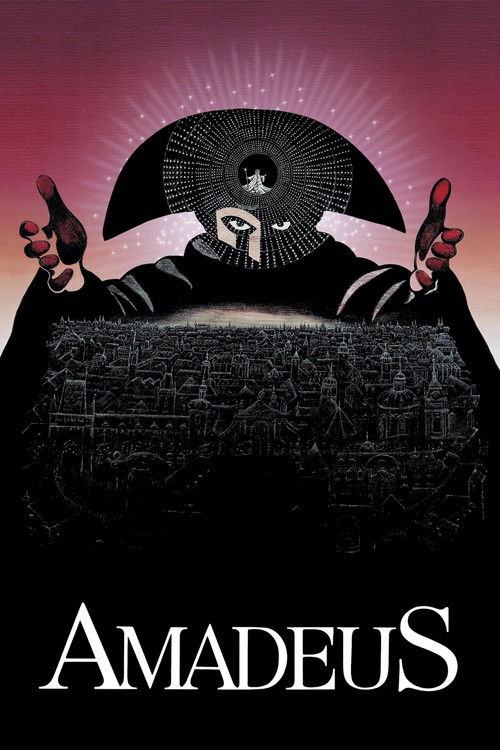
Amadeus1984
Similar architecture—a character's obsession with an impossible genius, told through investigation and memory. F. Murray Abraham's Salieri chasing Mozart is the inverse of Schindler chasing Beethoven's secret, but the emotional engine is identical: longing, theft, and awe.
But Three and a half hours. The elaborate theatrical framing device can feel mannered if you're not in the mood for it.
The Red Shoes1948
Michael Powell's vision of artistic obsession consuming everything—money, love, sanity, survival. The Technicolor is almost unbearably beautiful, and the moral reckoning is unsparing in ways most films won't risk.
But The pacing is deliberate. If you need constant movement or explanations spelled out, it will feel slow.

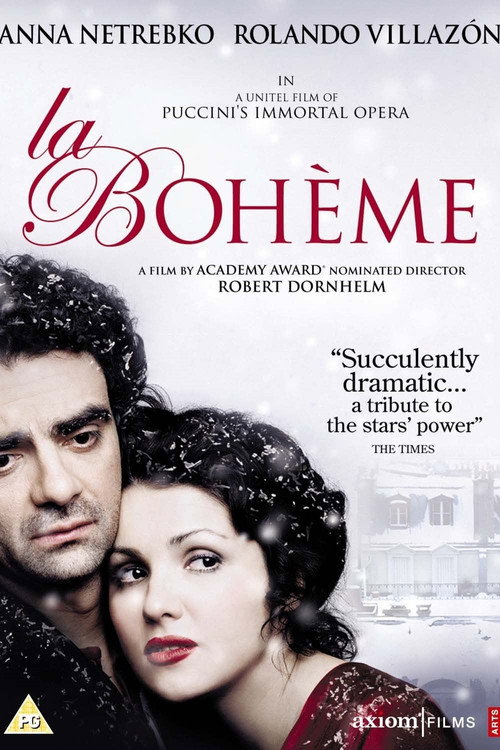
La Bohème2008
Baz Luhrmann's operatic excess mirrors Oldman's performance—oversized emotions, vibrant color, romance that feels both artificial and genuinely felt. It captures that same collision between beauty and heartbreak.
But The 1970s pop-opera reimagining is aggressively stylized. If you find Luhrmann's maximalism exhausting, this will test your patience.
Not sure tonight? Get a pick in a minute, starting from Immortal Beloved
The wildcard
Something you would not have found on your own.
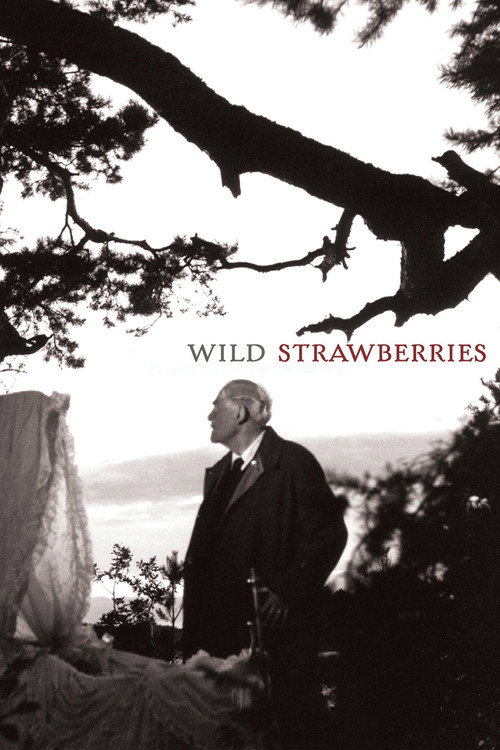
Wild Strawberries1957
Both films treat a creative life as something to be understood only in retrospect, using flashback not as plot device but as metaphysical tool.
Bergman's an elderly man travels toward death, examining his life through memory and fantasy. Like Immortal Beloved it's structured as investigation into the self, but it's austere, Swedish, shot in black and white—radically different surface, same depth.
But It moves at Bergman's pace, which is glacial. No music, no melodrama, just silence and faces and the weight of time.
More like this (7)
A Dangerous Man: Lawrence After Arabia1992
Another biopic of a complicated, gifted man destroyed by his own nature and circumstance. Ralph Fiennes gives a quieter performance than Oldman, but the architecture of genius-as-wound is similar.
But It's a fairly conventional biography. If you've seen a dozen of these, it won't surprise you structurally.

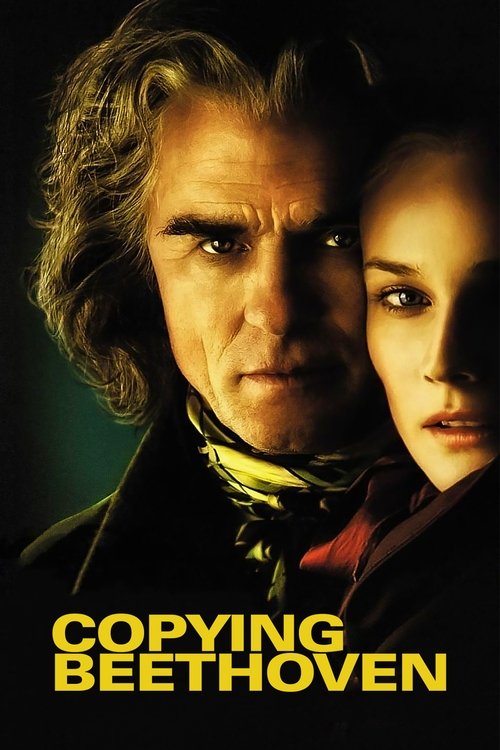
Copying Beethoven2006
A different angle on the same deafness and obsession, with Ed Harris as Beethoven and Diane Kruger as his copyist. Smaller scale, more intimate, less histrionic but genuinely moving about the daily cost of his condition.
But Harris's interpretation is gentler and less theatrical than Oldman's. If you prefer your Beethoven angrier, this softer version may disappoint.
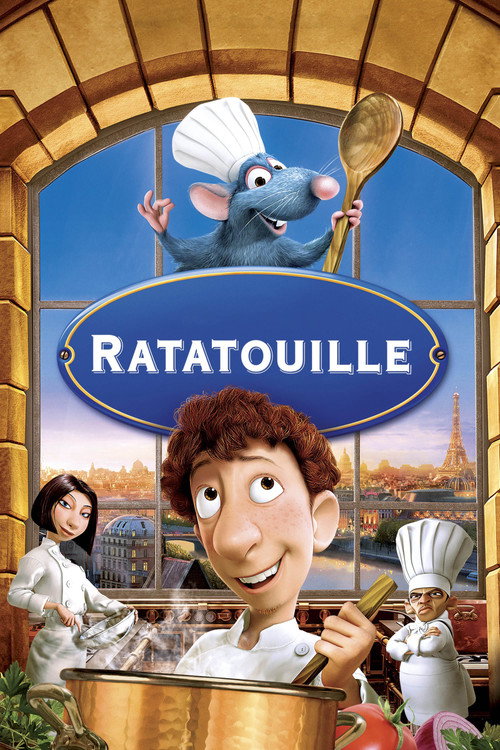
Ratatouille2007
Wait with me. A story about pursuing excellence despite being born wrong for the job, about art as compulsion, about the people around genius having to survive its gravity. And it's funny.
But It's animated and whimsical. Tonally it could not be further from Beethoven's suffering, which some might find jarring.
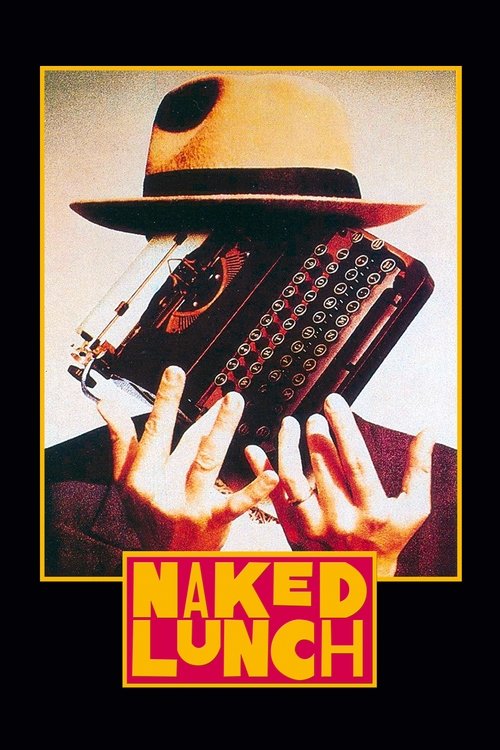
Naked Lunch1991
Cronenberg's Burroughs has the same hallucinatory intensity as Oldman's Beethoven—a mind that doesn't work like other minds, rendered in dreamlike episodes that feel authentic to altered perception.
But It's bizarre and body-horror adjacent. The avant-garde narrative structure will actively confuse or alienate some viewers.
Bright Star2009
Jane Campion on Keats and Fanny Brawne—another story of artistic genius and thwarted love, but told with restraint and visual poetry. The melancholy is devastating.
But Very quiet, very British, very sad. There are long stretches with minimal plot and maximum feeling.

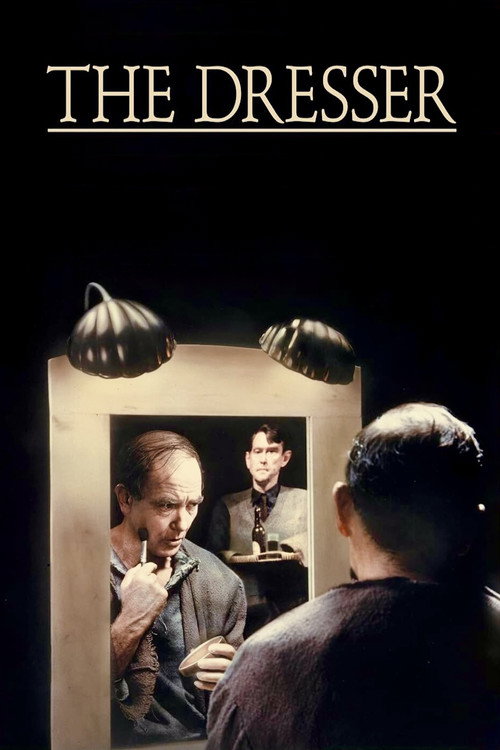
The Dresser1983
Peter Yates' film about an aging Shakespearean actor and his dresser, exploring ego, devotion, and the performance that is life itself. Albert Finney and Tom Courtenay are extraordinary.
But Confined spaces, theatrical rhythms, and a protagonist who is vain and difficult. It's not designed to make you comfortable.
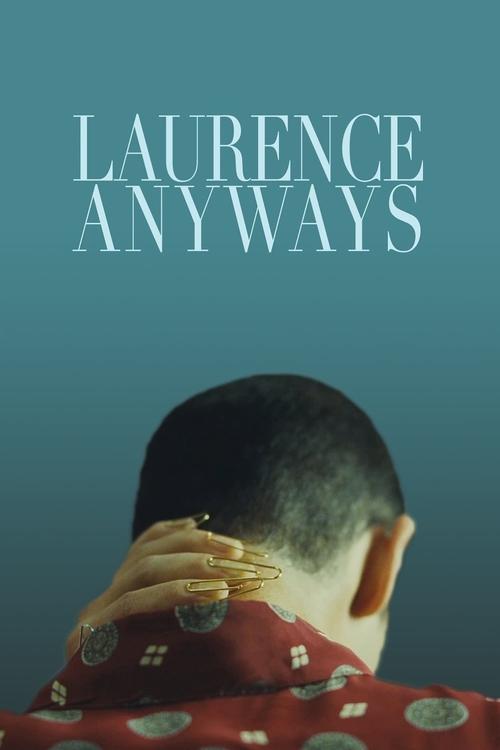
Laurence Anyways2012
Both understand that passion is not diminished by suffering; it is defined by it. Both are about loving something—a person, a calling—that will never love you back the way you need.
Xavier Dolan's four-hour film about a trans woman and her marriage over twenty years. Visually and emotionally baroque in the way Oldman's performance is—not subtle, not restrained, but utterly committed to feeling. The depth of commitment to another person despite impossibility echoes Beethoven's obsessions.
But It's very long, very pink, very wound-up. The emotional register never rests. Some will find it exhausting rather than moving.
People
Cast
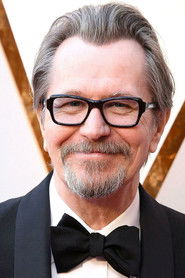 Gary OldmanLudwig van Beethoven
 Jeroen KrabbéAnton Felix Schindler
 Isabella RosselliniAnna Marie Erdödy
 Johanna ter SteegeJohanna Reiss
 Marco HofschneiderKarl van Beethoven
 Miriam MargolyesNanette Streicherová
 Barry HumphriesClemens Metternich
 Valeria GolinoGiulietta Guicciardi
 Gerard HoranNikolaus Johann van Beethoven
 Christopher FulfordKaspar Anton Carl van Beethoven
 Luigi DibertiFranz Josef Guicciardi
 Michael CulkinJakob Hotscevar
Directing
- Bernard RoseDirector
- Trey BatchelorSecond Assistant Director
Writing
- Bernard RoseWriter
Production
- Stephen McEveetyExecutive Producer
- Bruce DaveyProducer
Recommended by
Amadeus, Heat and Dust, A Farewell to Arms, Song of Norway, A Song to Remember, Asterix and the Big Fight, The Devil's Violinist