
Film
The Devil's Violinist
A 2013 biographical drama about Niccolò Paganini, the virtuoso violinist who became a legend of 19th-century Europe. It's a period piece that leans into the romantic myth of the tortured artist—mysterious, technically dazzling, driven by passion and demons. For viewers drawn to classical music biopics and stories of obsessive genius.
If you liked this
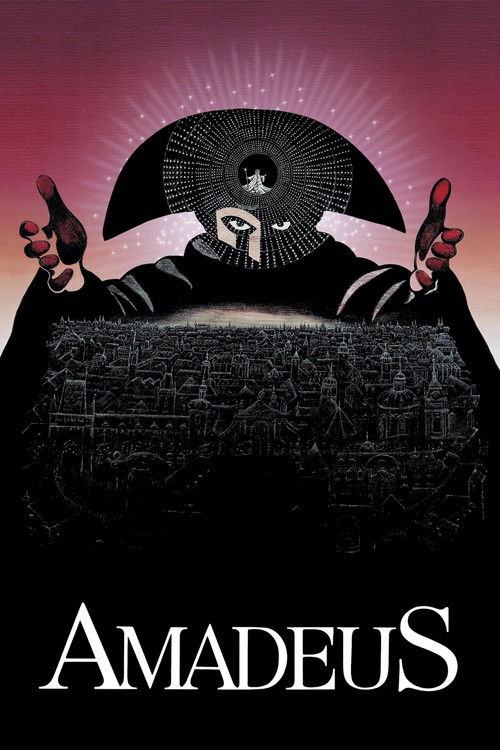
Amadeus1984
A masterclass in depicting genius, madness, and the price of brilliance. Like Paganini's story, it's operatic and visually sumptuous, exploring how virtuosity isolates as much as it elevates.
But Three-hour runtime and heavy on dialogue can feel theatrical rather than cinematic. The jealousy subplot overshadows Mozart himself for long stretches.
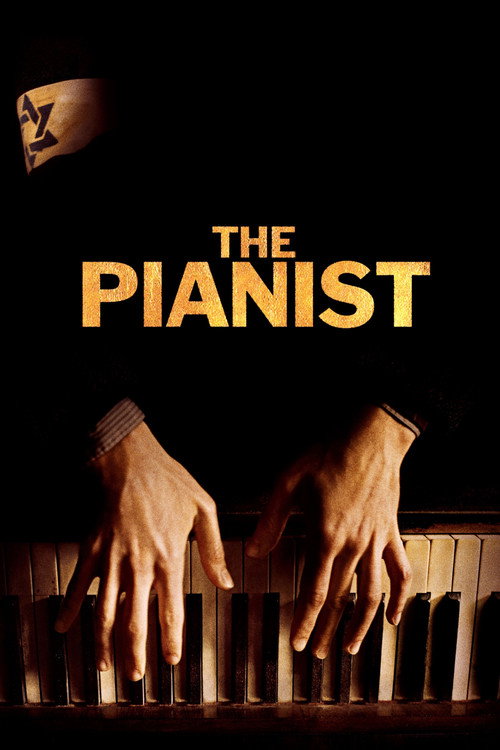
The Pianist2002
Another artist's survival story set during European upheaval, grounded in the specifics of musical mastery. Focuses on the body, the hands, the physical toll—what virtuosity costs in real time.
But Unrelentingly bleak and historically traumatic. The tone is austere where Paganini leans romantic, which can feel cold.
A Prophet2009
A character's rise from nothing to mythical status through charisma and ruthlessness. Both films track how legend-making works and how reputation becomes its own cage.
But Set in modern prison, not 19th-century salons. The narrative is grittier and less elegant than period drama fans may expect.

Not sure tonight? Get a pick in a minute, starting from The Devil's Violinist
The wildcard
Something you would not have found on your own.
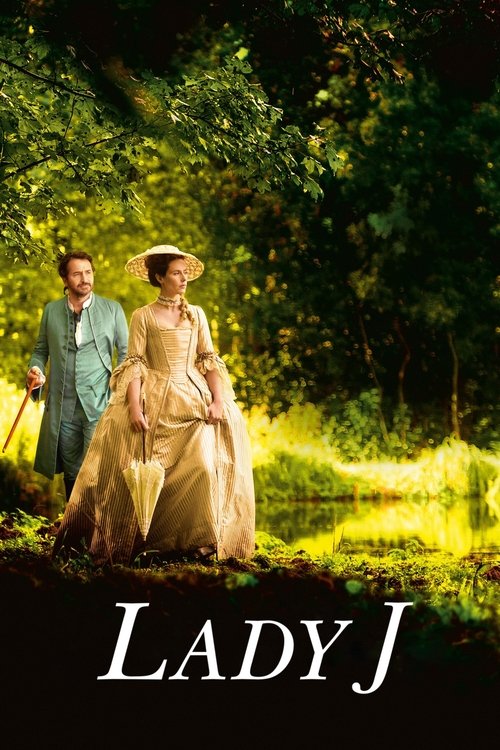
Lady J2018
Both examine how myth-making and desire corrupt relationships in societies where appearance and reputation are everything. Both use the period as more than costume.
A Baroque chamber drama about seduction, reputation, and how women navigate a world that treats them as instruments. Same era (early 19th century), same obsession with beauty and control, but told from the margin.
But Extremely slow, almost plotless. Shot in cool colours and near-silence; it's the opposite of Paganini's theatrical grandiosity.
More like this (7)
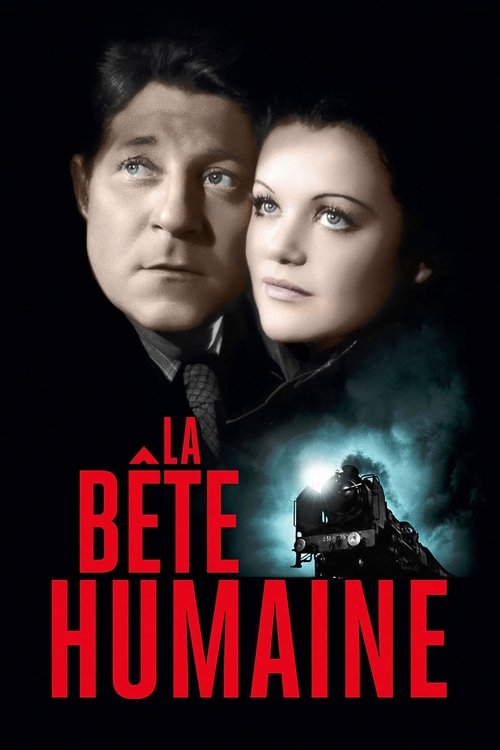
La Bête Humaine1938
Renoir's dark exploration of passion consuming a gifted man. Same Romantic-era fatalism and visual beauty, examining whether genius and morality can coexist.
But In French, subtitled. The pacing is leisurely by modern standards, and the ending is bleak in a way that doesn't resolve.
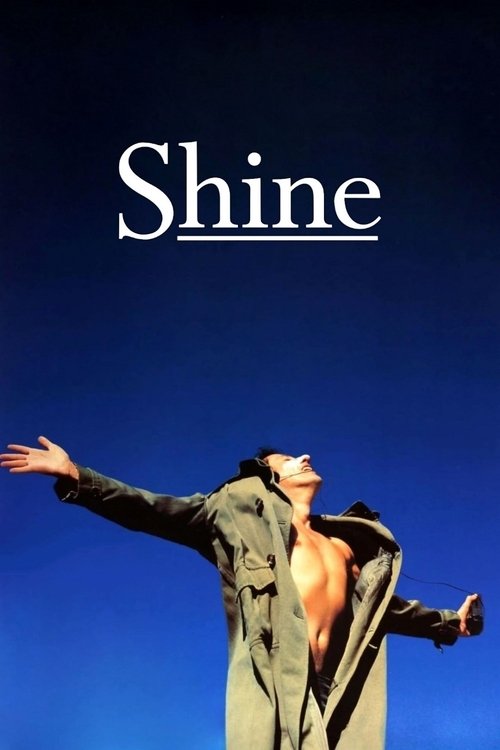
Shine1996
David Helfgott's piano genius and mental unraveling told with emotional rawness. The music scenes are transcendent; the psychological collapse feels genuine rather than dramatized.
But Heavily focused on family trauma and institutional treatment. Harder to watch than Paganini's more romantic take on suffering.
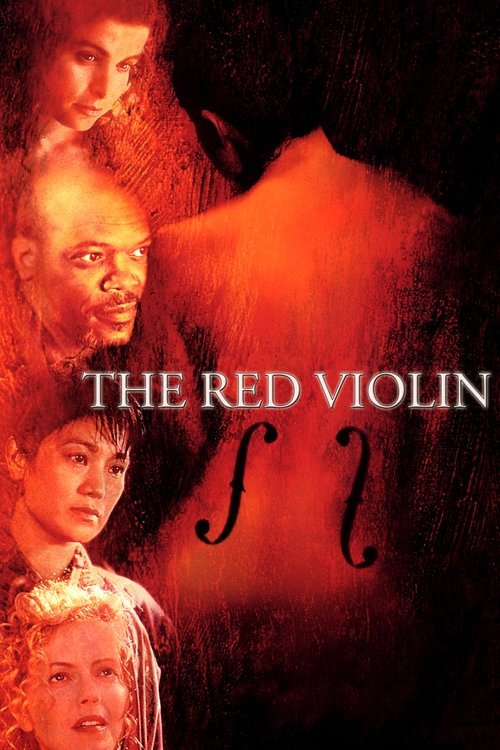
The Red Violin1998
A violin itself becomes the protagonist across centuries and cultures. Musical and visually gorgeous, with the same sense that great instruments carry curses and stories.
But Episodic structure means no deep character investment in any one timeline. Some segments feel like vignettes rather than a cohesive narrative.
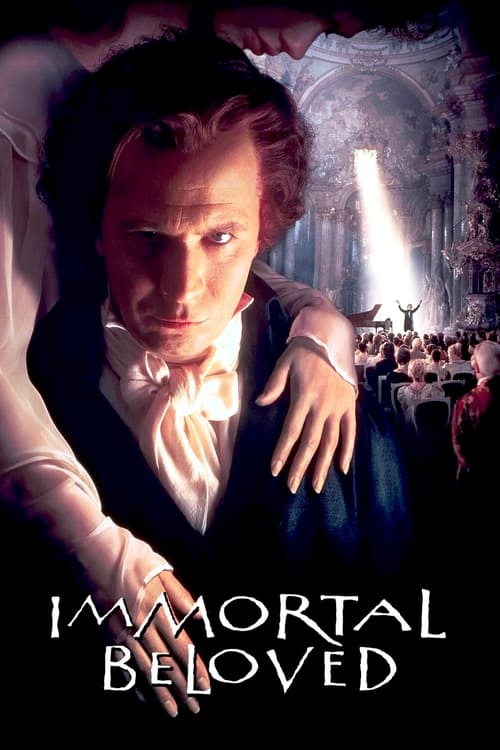
Immortal Beloved1994
Another musician biography that doesn't shy from scandal, romance, and artistic fury. Gary Oldman's Beethoven is as tempestuous and magnetic as Paganini demands to be.
But The mystery-box structure around Beethoven's identity can feel contrived. The film prioritizes melodrama over musical depth.
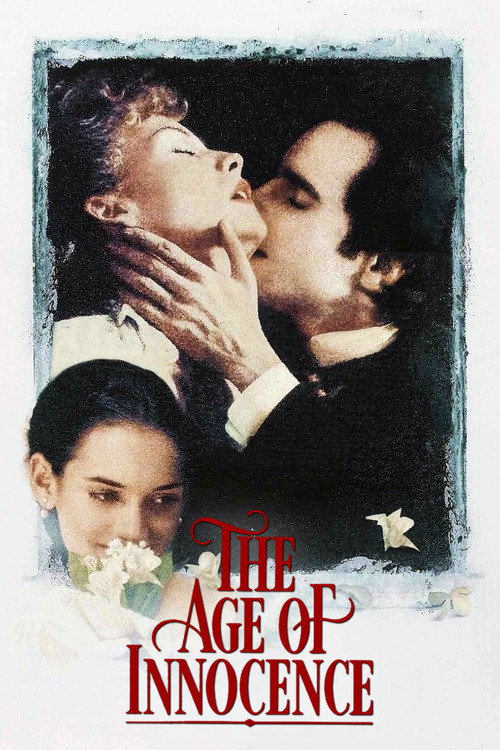
The Age of Innocence1993
Scorsese's study of desire constrained by social expectation in a stratified society. The visual language is similarly lush; both films use costume and setting to express inner conflict.
But A love triangle with no action. Contemplative rather than dramatic; some find it suffocating by design.
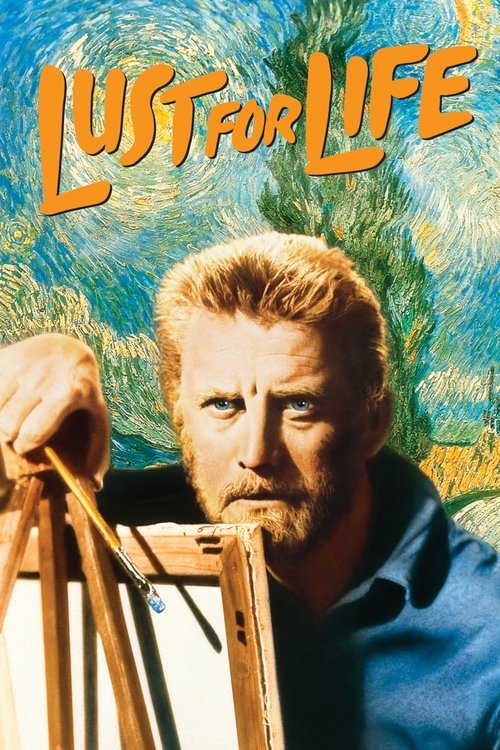
Lust for Life1956
Kirk Douglas as Van Gogh: the tormented genius, the physical performance, the tragedy of unrecognized brilliance. A template for how to film an artist's desperation.
But Technicolor and theatrical acting feel dated now. The psychology is broad strokes, not subtle; the suffering is almost stylized.
Under the Skin2014
Both use a central figure—musician, predator—as a cipher for examining how myth, appearance, and performance mask something unknowable. Both are visually baroque. Both distrust conventional biography.
Released the same year as Devil's Violinist, it's a completely different kind of film—abstract, hypnotic, about surface versus interiority. Like watching Paganini's legend stripped of narrative and left as pure mood and dread.
But Experimental and deliberately obscure. No plot, minimal dialogue, alienating rather than engaging. Requires patience and tolerance for ambiguity.

People
Cast
- David GarrettNicolò Paganini
 Joely RichardsonEthel Langham
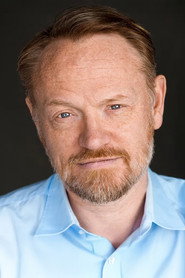 Jared HarrisUrbani
 Andrea DeckCharlotte Watson
 Christian McKayJohn Watson
 Veronica FerresElizabeth Wells
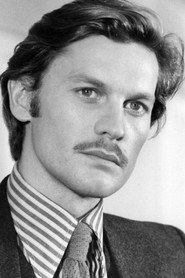 Helmut BergerLord Burghersh

 Ania SowinskiAnna
 Franziska WeiszMadeline
- Jennifer DavisonAntonia Bianchi
Directing
- Bernard RoseDirector
Writing
- Bernard RoseWriter