
Film
The Dresser
Other titles called The Dresser: the 2015 film.
- Drama
- Very dark
A 1983 British drama about the unsung devotion behind the curtain. Albert Finney plays an autocratic Shakespearean actor; Tom Courtenay is his dresser, bound by decades of service and affection. Set during the London Blitz, it's a quiet film about love expressed through loyalty, duty, and the small rituals that hold people together when everything else falls apart.
Should you watch it?
Watch it if you love backstage theatre folklore, the bickering devotion between a difficult genius and the man who keeps him upright, and wartime melancholy played with wit rather than wallowing.
Skip it if you want a brisk plot; this is mostly talk in dressing rooms and grumbling, so its feeling builds slowly through patience with stagey chatter.
What it asks of you: It runs just under two hours and stays mostly indoors, in cramped rooms, with long theatrical speeches you have to sit through rather than skim.
Not sure? Find tonight's pick in a minute.
If you liked this
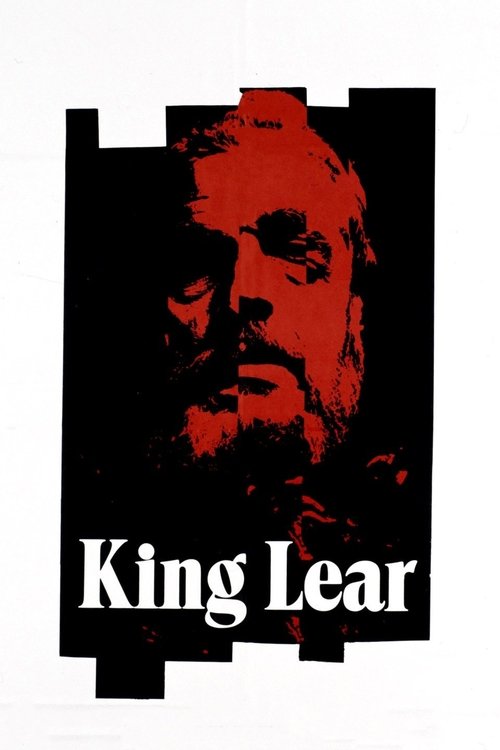
King Lear1970
Peter Brook's production, referenced and echoed in The Dresser itself, is the definitive film Shakespeare—austere, devastating, focused entirely on the weight of power and abandonment. Essential context for understanding the play-within-the-film.
But It's severe and bleak, with no comfort offered. The production design is deliberately stark, which some find ascetic rather than beautiful.
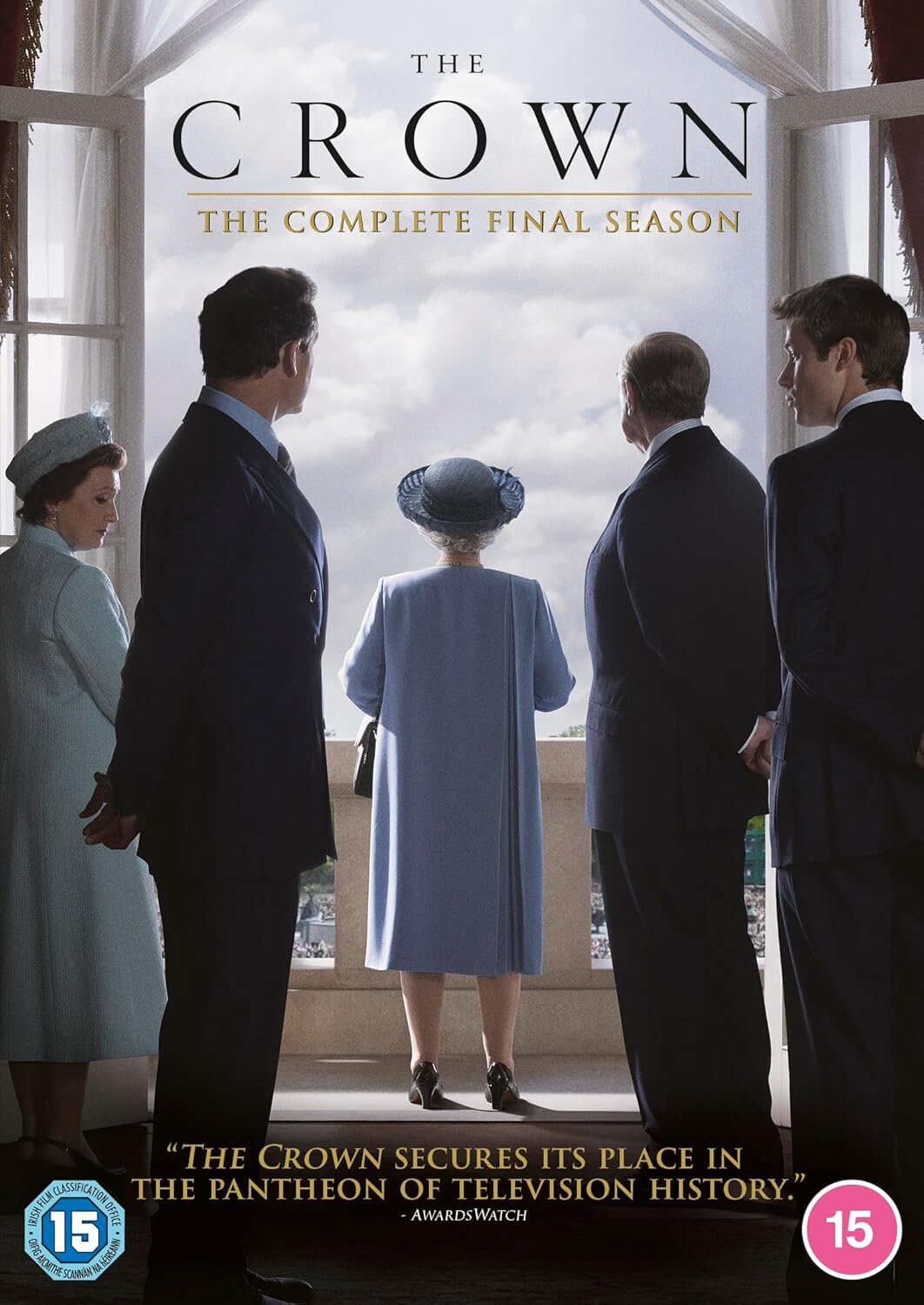
The Crown2016
A show about service, duty, and the private cost of performing a public role. Like The Dresser, it finds tragedy in the gap between the person and the mask they wear, with Claire Foy delivering the quiet devastation that Courtenay perfects.
But Ten hours per season, and the later seasons become increasingly melodramatic. Commitment required.
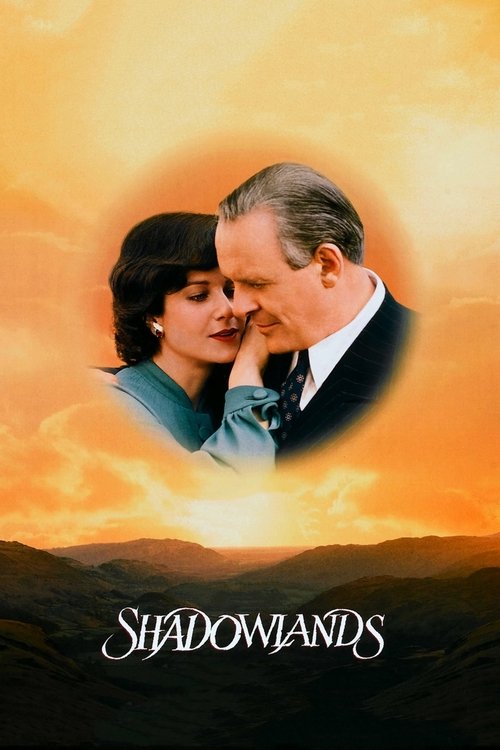
Shadowlands1993
Anthony Hopkins as C.S. Lewis, another portrait of a brilliant man's vulnerability and the love that sustains him. Quiet, elegant, and deeply moving about how we care for those we admire.
But It's genteel British cinema—tasteful to the point of restraint. If you need urgency or spectacle, this will feel slow.
Not sure tonight? Get a pick in a minute, starting from The Dresser
The wildcard
Something you would not have found on your own.
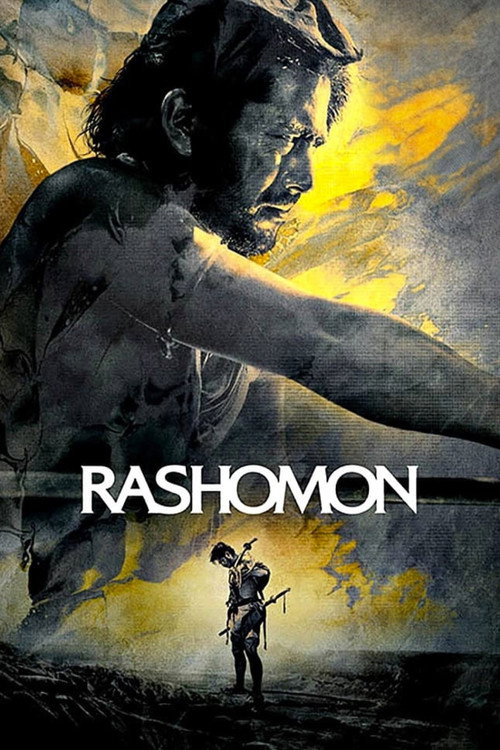
Rashomon1950
Both films are about the stories we tell about ourselves and others, and whether any version of truth survives performance.
Kurosawa's masterpiece about the impossibility of objective truth, told through conflicting accounts of a single event. It shares The Dresser's interest in performance and the gap between what we show and what we are—but explodes the idea that either truth exists.
But It's structurally demanding and philosophically slippery. You leave with questions rather than answers, and some find that frustrating rather than enlightening.
More like this (8)
The Remains of the Day1993
Anthony Hopkins again, this time as a butler defining himself through service to an employer. The same ache as The Dresser—a lifetime of devotion that goes unspoken, and the regret that follows silence.
But The pacing mirrors the emotional reserve of its protagonist. It can feel distant, and the payoff is sadness, not catharsis.

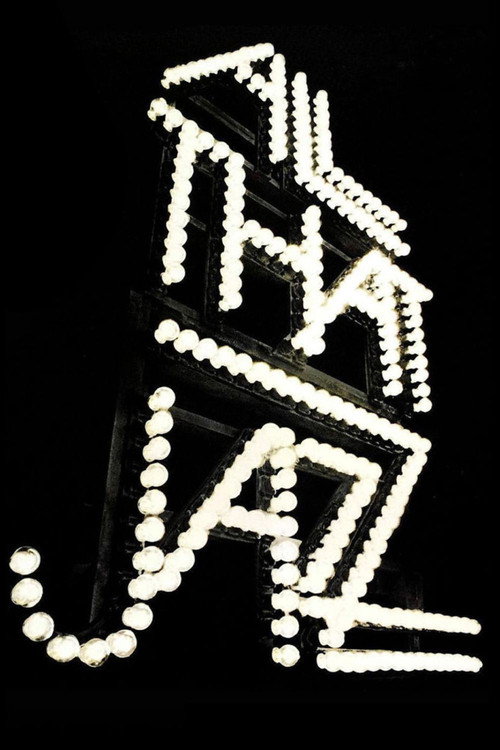
All That Jazz1979
Bob Fosse's semi-autobiographical fever dream about an artist consumed by his art and the people who orbit him. Chaotic where The Dresser is still, but equally obsessed with the cost of genius on those nearby.
But It's visually bombastic and structurally fragmented. Some will find it pretentious; others will find it exhausting.
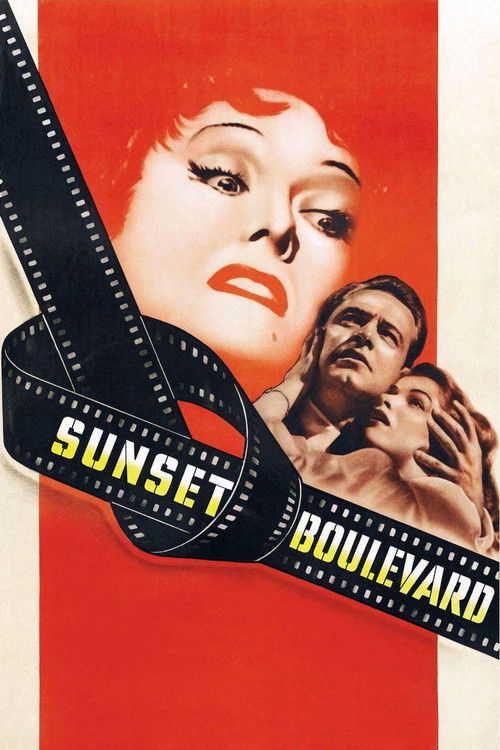
Sunset Boulevard1950
The original film about stardom's decay and the people bound to it. Gloria Swanson's Norma Desmond is the dark mirror of Finney's actor—a tyrant whose power is already gone, and the people serving her know it.
But It's cynical about human nature in ways that can feel bleak. Not everyone enjoys Billy Wilder's bite.
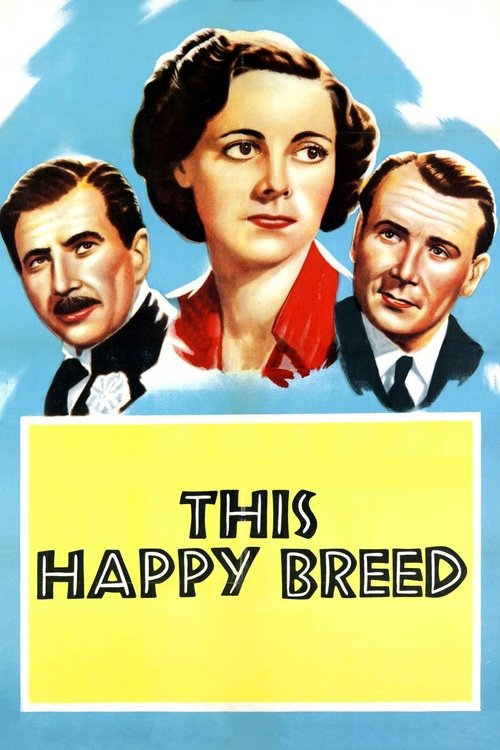
This Happy Breed1944
Noel Coward's portrait of ordinary British life during wartime—the same historical moment as The Dresser, but from the home front. Understated, affectionate, and deeply humane about how people endure together.
But It's very much a product of 1944: polite, domestic, and cheerfully focused on duty rather than passion. It can feel quaint.
Tinker Tailor Soldier Spy2011
Gary Oldman as a man defined by service and duty, moving through a world of betrayal with quiet interiority. The film's aesthetic—muted, precise, focused on small gestures—mirrors The Dresser's approach to character.
But It's deliberately obtuse about plot. If you need clarity and forward momentum, you'll be frustrated.

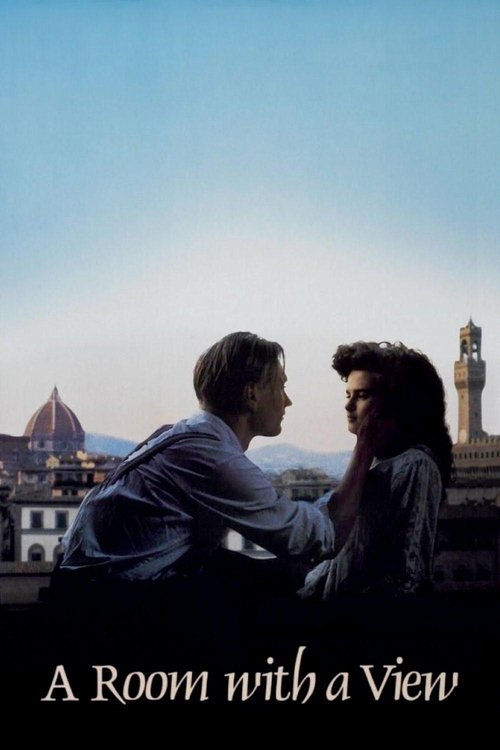
A Room with a View1986
The Merchant-Ivory style at its height—beautiful period detail, excellent ensemble work, and a meditation on duty versus desire. More optimistic than The Dresser, but equally attuned to emotional nuance.
But The romance feels secondary to the aesthetic. If you're not drawn to the film's visual and social world, you won't connect.
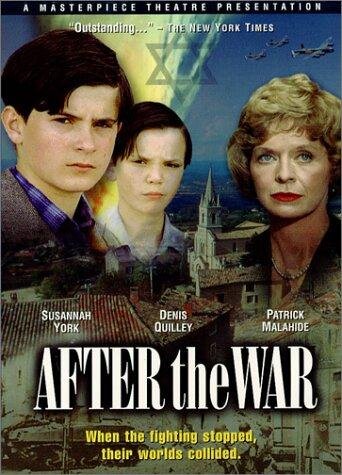
After the War1989
Both are intimate portraits of theater people bound by shared work and unspoken love, set in the shadow of wartime disruption. Both find grandeur in backstage devotion.
A British television play by Stephen Poliakoff about theater workers in the aftermath of the Second World War, finding meaning and community in the work itself. Small, precise, and deeply felt about how people survive loss.
But It's a single television play from 1989—low production values, limited distribution. Finding it requires effort, and the format may feel slight compared to cinema.
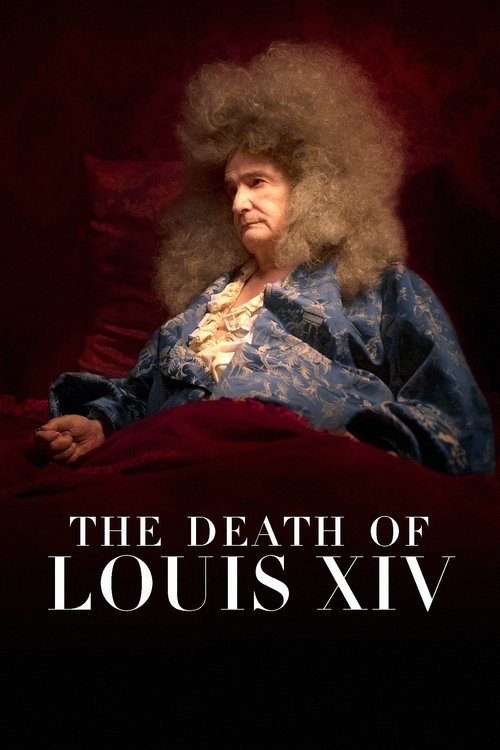
The Death of Louis XIV2016
Both films are fascinated by aging, power, and the moment when the body betrays the will—but Serra strips away all sentiment and drama, leaving only the fact of decline itself.
Albert Serra's avant-garde meditation on mortality, focused entirely on the king's body failing. Slow, austere, and radical in its refusal to dramatize—it watches decay with almost clinical patience, finding dignity in the process.
But It's experimental cinema. Twenty minutes in, nothing has 'happened,' and some will interpret patience as emptiness. Not a film; an endurance test.
People
Cast
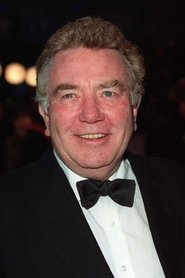
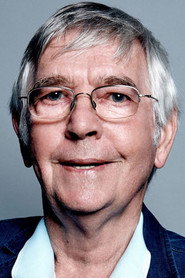 Tom CourtenayNorman
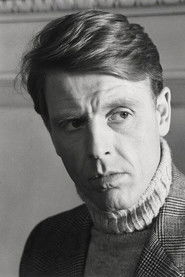 Edward FoxOxenby
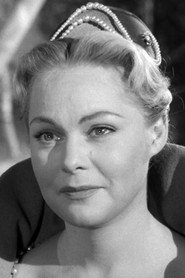 Zena WalkerHer Ladyship
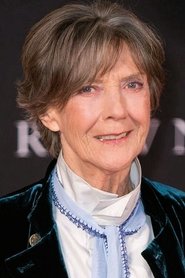 Eileen AtkinsMadge
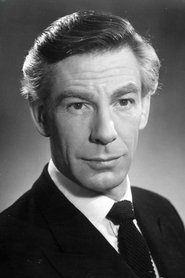 Michael GoughFrank Carrington
 Cathryn HarrisonIrene
 Betty MarsdenViolet Manning
 Sheila ReidLydia Gibson
 Lockwood WestGeoffrey Thornton
- Donald EcclesMr. Godstone
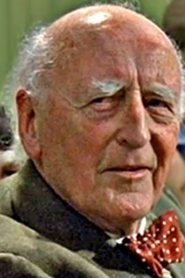 Llewellyn ReesHorace Brown
Directing
- Peter YatesDirector
Writing
- Ronald HarwoodScreenplay
- Ronald HarwoodTheatre Play
Production
- Nigel WoollAssociate Producer
- Peter YatesProducer
- Ronald HarwoodProducer
Recommended by
My Favorite Year, Legend, Topsy-Turvy, Immortal Beloved, Hilary and Jackie, In Celebration, A Master Builder, An Englishman in New York, The Trials of Oscar Wilde, The Lonely Passion of Judith Hearne, Reuben, Reuben