Television series
After the War
A 1989 ITV drama following two Jewish boys whose friendship spans from schooldays through adulthood, from pre-war England into the shadow of Nazi Europe. It's intimate and literary, focused on how proximity to historical horror reshapes intimacy. For viewers interested in personal stories rooted in historical consequence, rather than spectacle.
Should you watch it?
Watch it if you like friendships tested by ambition and class, with the shadow of history pressing on private choices rather than battles on screen.
Skip it if you need the persecution dramatised head-on, since it hangs over the story as a spectre and the ten unhurried hour-long episodes move at a talky pace.
What it asks of you: Ten hour-long episodes, so a real commitment, and it unfolds slowly, giving room to conversations and school corridors more than to plot turns.
Not sure? Find tonight's pick in a minute.
If you liked this
The Remains of the Day1993
A masterwork about repression and regret set against historical catastrophe. Like After the War, it's deeply concerned with what gets left unsaid between people, and how history seeps into private lives.
But Slow and introspective; if you want clear emotional catharsis or dramatic confrontation, this will frustrate you.
Parade's End2012
A five-part BBC miniseries about friendship, marriage, and masculinity fractured by the First World War. Shares the same conviction that intimate ruptures matter more than battles.
But Formally challenging and sometimes wilfully obscure; you'll need to pay close attention and tolerate ambiguity.
The Civil War1990
A BBC drama exploring how a marriage and a family splinter across a country at war. The texture is very similar—emotional precision in the midst of historical dislocation.
But Bleak throughout; there's little relief or hope, which some find exhausting rather than moving.
Not sure tonight? Get a pick in a minute, starting from After the War
The wildcard
Something you would not have found on your own.
Heist2021
Both trace how friendship and family survive and rupture across the rise of fascism, seen from the inside rather than from moral distance.
Rainer Werner Fassbinder's eleven-hour epic about a German family from 1919 onwards. A monumental exercise in how private lives and national history entangle. Far more ambitious in scope than After the War, but animated by the same conviction that personal stories contain historical ones.
But German cinema of this period is demanding; long, slow, formally rigorous. This requires serious commitment.
More like this (7)
Schindler's List1993
Essential viewing on its own terms, and it shares After the War's concern with how individuals navigate between safety and catastrophe, friendship and survival.
But Harrowing and unsparing; the weight is deliberate and unrelenting. Not comfort viewing.
Au Revoir les Enfants1987
A French film about boys at a Catholic school during the Nazi occupation. Quieter than you might expect, built on observation and the dawning awareness of betrayal.
But Understated to the point of restraint; if you need explicit emotional beats, you'll feel it's distant.
The History Boys2006
An ensemble film about grammar school boys and their teacher. Like After the War, it's interested in how education, desire, and friendship tangle together.
But Theatrical and sometimes arch; the wit can feel at odds with the darker material underneath.
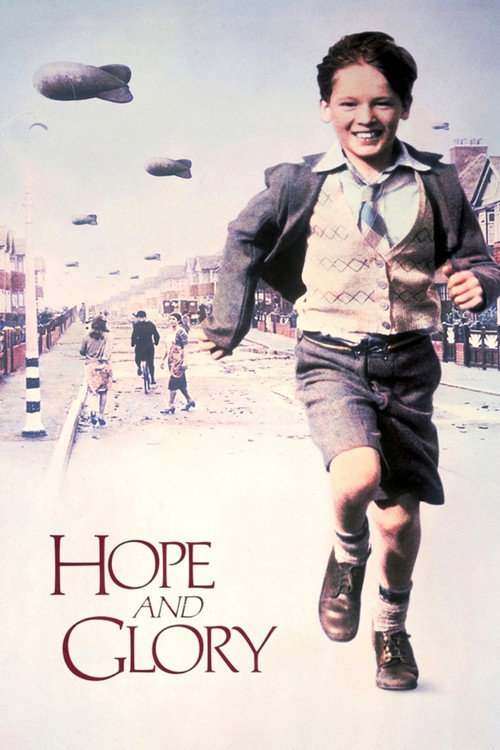
Hope and Glory1987
John Boorman's semi-autobiographical film about boyhood during the Blitz. Personal and humorous where After the War is austere, but equally convinced of war's intrusion into private life.
But The tone shifts between comedy and melancholy; some find that mixture tonal rather than poignant.
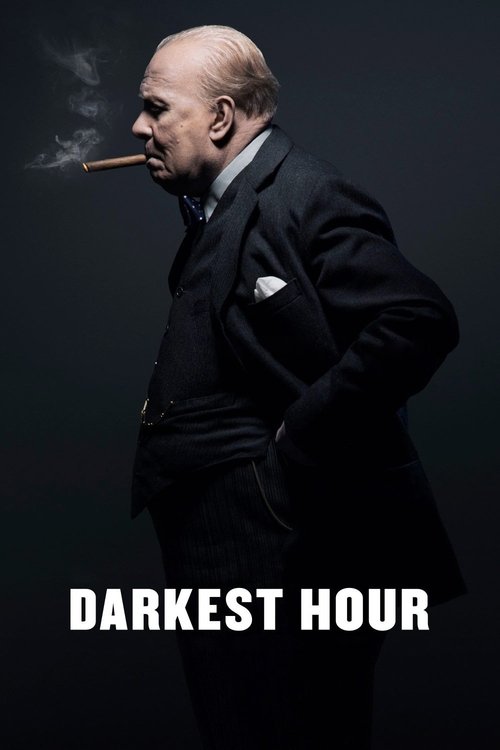
Darkest Hour2017
A portrait of Churchill during the early days of World War II. Focuses on decision-making and the burden of historical moment on individuals.
But Somewhat conventional in form; if you've seen several Churchill dramas, this will feel familiar.
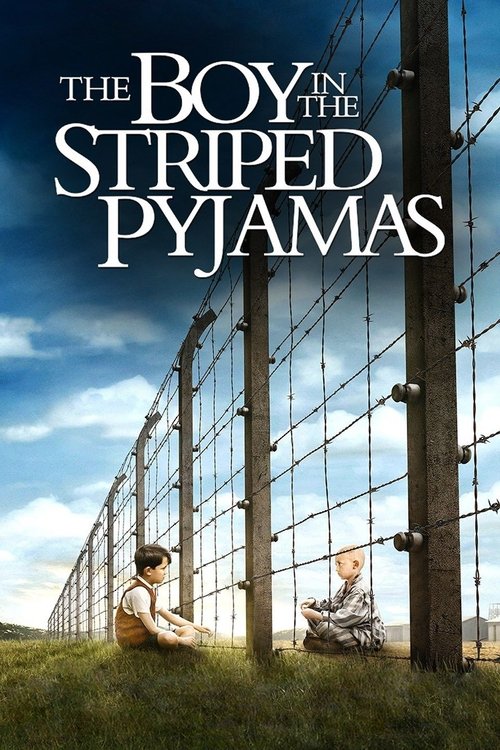
The Boy in the Striped Pyjamas2008
Both explore the strange protected lives of Jewish and non-Jewish boys existing in the same world, and what that proximity costs when the world changes.
An unusual choice: a film about the Holocaust told almost entirely from the perspective of a Nazi commandant's son. It's about innocence and proximity, how you can live beside horror without understanding it.
But The device is controversial; many find the simplification of historical reality to a child's-eye view evasive rather than illuminating.
My Best Friend's Wedding1997
Both are ultimately about the moment when you realize a friend has a life that doesn't include you, and whether that's bearable.
A romantic comedy where the central conflict is two people realizing they've mistaken proximity for romantic love. Sounds nothing like After the War, but it's asking the same question: what happens when desire threatens friendship?
But Lightweight and often schmaltzy; if you want seriousness, this glossy 90s confection will feel trivial.