
Film
Hope and Glory
John Boorman's memoir of a boy's Blitz-era London recast as glorious mischief: bombs fall, houses burn, and to ten-year-old Bill it's the best thing that's ever happened. Funny, tender and stubbornly unsentimental about grief, it's for anyone who suspects the truest war stories are sometimes the ones nobody thought to dramatise as tragedy.
If you liked this
Empire of the Sun1987
Spielberg's own child's-eye WWII epic, released the same year, works the same alchemy: a boy finds the collapse of his world thrilling before it curdles into something closer to genuine horror.
But Runs long and swings much further into spectacle, and eventually real trauma, than Boorman ever does.

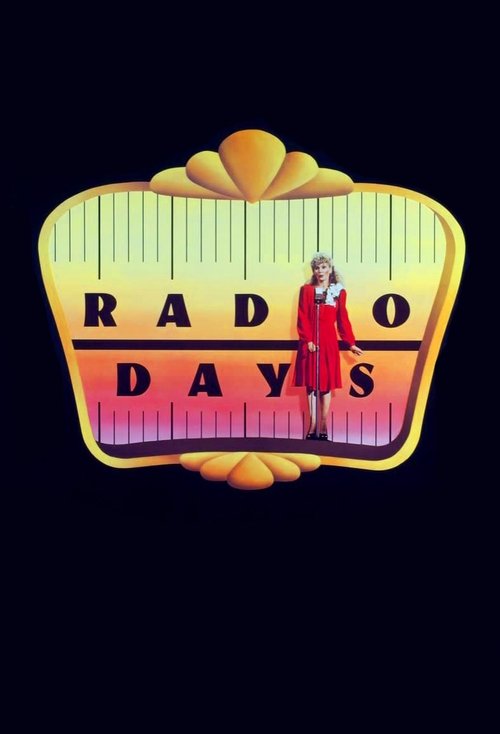
Radio Days1987
Woody Allen's own nostalgic patchwork of a wartime childhood, narrated by an adult looking back with the same fond, funny, faintly untrustworthy affection Boorman brings to his own memories.
But It's American, not British, and the loose vignette structure trades plot momentum for mood and digression.
Cinema Paradiso1988
Another warm, wounded memory of a childhood shaped by outside forces beyond a boy's control — here it's cinema itself, not war, that both rescues him and wrecks him.
But It leans into sentiment far more openly than Boorman allows himself, so be ready to feel a little manipulated.

The wildcard
Something you would not have found on your own.
Hue and Cry1947no page yet
Same premise decades earlier and with no hindsight: children finding thrilling adventure in a bombed city, made while the rubble was still fresh rather than remembered fondly forty years later.
Made just two years after the war, using real bomb-sites as sets, this Ealing comedy has London kids turning wreckage into a playground and a criminal plot — Boorman's exact idea, arrived at first, with jokes.
But Creaky, black-and-white, and unmistakably a product of 1947 — the pace and humour are of their moment.
More like this (8)
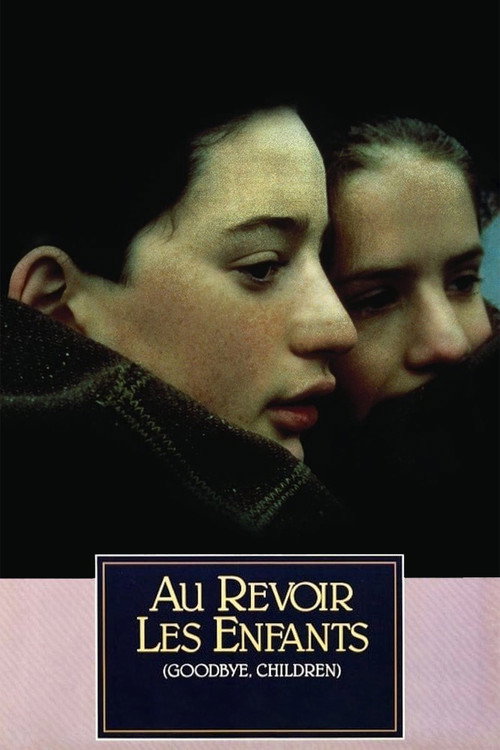
Au Revoir les Enfants1987
Louis Malle's own WWII childhood memoir, set in occupied France, trades Boorman's mischief for quiet dread — the same obliviousness of childhood, except the danger closing in is entirely real.
But Far more solemn and finally devastating; there is no roof blowing off for a laugh here.
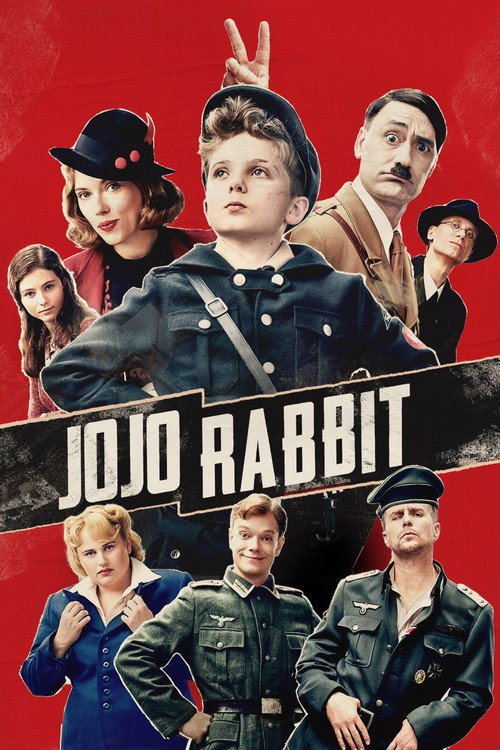
Jojo Rabbit2019
If Boorman's boy finds the Blitz thrilling, Waititi's finds Nazism absurd — another child failing to grasp the horror around him, played for satire instead of memoir.
But The satire is broad and cartoonish; some will find it glib about a subject that resists jokes.
Goodbye Christopher Robin2017no page yet
A quieter English period piece about childhood colliding with a parent's war trauma — here it's WWI shellshock and fame, not Blitz bombs, reshaping a boy's world.
But Slower, sadder and more restrained — there's little of the anarchic joy that powers Boorman's film.
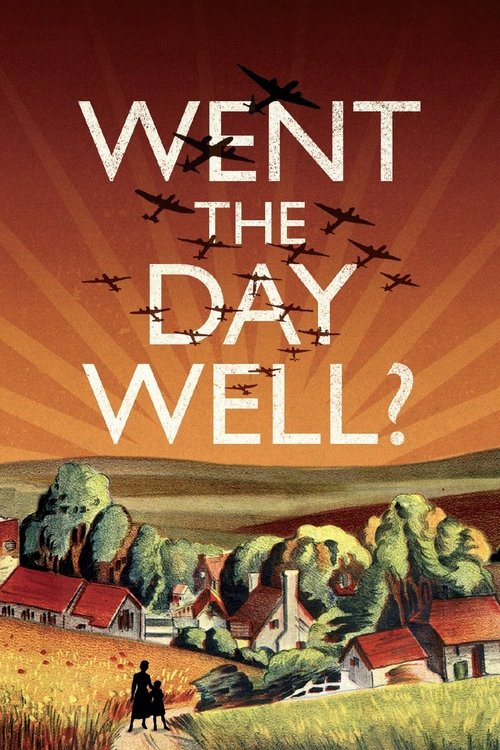
Went the Day Well?1942
Made during the war itself, this sharp little thriller imagines German paratroopers occupying an English village — the flipside of Boorman's home front, with danger arriving for real.
But Black-and-white, brisk, and a genuine wartime propaganda piece — it wants to rouse you, not charm you.
Foyle's War2002
A long, unhurried procedural set on the WWII home front, for anyone who wants Hope and Glory's world — rationing, blackouts, small-town England under strain — stretched across dozens of hours.
But It's a detective show first and elegiac memoir second, and the mystery-of-the-week structure can feel a little tidy.
Swallows and Amazons1974
For the purest hit of English childhood-as-adventure, minus the war: children commandeering the countryside for their own games, the same delighted disregard for adult danger that Boorman's Bill has for bombs.
But No war, no stakes beyond a summer holiday — gentle where Hope and Glory has teeth.
Grave of the Fireflies1988
Both watch a war through a child too young to fully understand it — Boorman lets his boy stay lucky; this film shows you, without flinching, what happens when luck runs out.
The same child's-eye view of a home front collapsing under bombs, but animated, Japanese, and unflinching about what actually happens to children when the adventure runs out. Essential, and famously merciless.
But It is genuinely one of the saddest films ever made; there is no charm left by the end, only grief.
Dad's Army1968
Same national instinct Boorman is quietly diagnosing — turning existential threat into performance and mischief — but stretched into pure sitcom instead of memoir, home front as farce rather than near-miss.
A British sitcom about a ragtag Home Guard platoon guarding an English seaside town from an invasion that never quite comes — pure comfort, and the flipside of Boorman's film.
But Studio-bound, broad, and unmistakably a product of 1970s British telly — no real danger here at all.

People
Cast

 Sarah MilesGrace
 David HaymanClive
 Sammi DavisDawn
 Susan WooldridgeMolly
 Jean-Marc BarrBruce
 Ian BannenGrandfather George
- Annie LeonGrandma
 Jill BakerFaith
 Amelda BrownHope
Directing
- John BoormanDirector
Writing
- John BoormanWriter
Production
- Mary SelwayCasting
- Michael DryhurstCo-Producer
- Edgar F. GrossExecutive Producer
- Jake EbertsExecutive Producer
Recommended by
Grave of the Fireflies, Empire of the Sun, Au Revoir les Enfants, Went the Day Well?, Mrs. Miniver, Forbidden Games, Rome, Open City, Belfast