
Television series
Foyle's War
A murder-mystery in a blackout: Foyle solves crimes on the English south coast while the war grinds on around him, corruption and grief seeping into every case. It's slow, decent, and deeply moral without ever being preachy — Michael Kitchen underplays everything with a raised eyebrow and a folded coat. For anyone who wants their crime drama patient, humane, and properly British.
If you liked this
Grantchester2014
Another decent Englishman solving murders against a backdrop of institutional hypocrisy — this time a vicar instead of a detective, with the same slow-burn conscience and period texture.
But Leans harder into romance and personal melodrama than Foyle ever did; less procedural rigour, more soap.
Endeavour2012
Young Morse in 1960s Oxford, all repressed feeling and careful plotting — the closest thing British TV has to Foyle's blend of intelligence and restraint.
But Its mysteries get baroque and serialised in a way Foyle's stand-alone cases never did.
The Bletchley Circle2012no page yet
Four women who cracked codes at Bletchley Park turn amateur detective in postwar London — same era, same moral hangover, sharper focus on what the war did to women specifically.
But Shorter runs and thinner budgets mean less texture and fewer standalone puzzles to sink into.
The wildcard
Something you would not have found on your own.
Went the Day Well?1942
Same terrain as Foyle — ordinary English decency tested by an enemy hiding in plain sight — but filmed in the actual moment of dread, not reconstructed decades later.
A British village is quietly infiltrated by German soldiers disguised as troops — made and released while the war was still happening, so the fear is not nostalgic, it's live.
But Rough, stagey, and unmistakably a propaganda-era production; it won't have Foyle's polish or pacing.
More like this (8)
Land Girls2009no page yet
Homefront drama following women drafted onto a farm during the war — the domestic, unglamorous side of the conflict Foyle's cases keep circling back to.
But Softer and more soapy, with less interest in crime or procedure than in relationships.
Home Fires2015no page yet
A Cheshire village's Women's Institute holds the community together as the men leave for war — quieter, more ensemble, but the same sense of ordinary decency under strain.
But No detective, no mystery — this is pure homefront drama, so the crime element you came for is absent.
World on Fire2019no page yet
A sprawling, multi-country WWII drama that trades Foyle's single English town for a continent-wide view of the same period, following ordinary people across the front lines.
But Bigger canvas, less intimacy — you lose the small-town claustrophobia that makes Foyle's cases sting.
Call the Midwife2012
Postwar London seen through a very different lens — poverty, birth, community — but the same patient, humane camera and refusal to sensationalise hardship.
But No crime plot whatsoever; this is a tonal cousin, not a genre match.
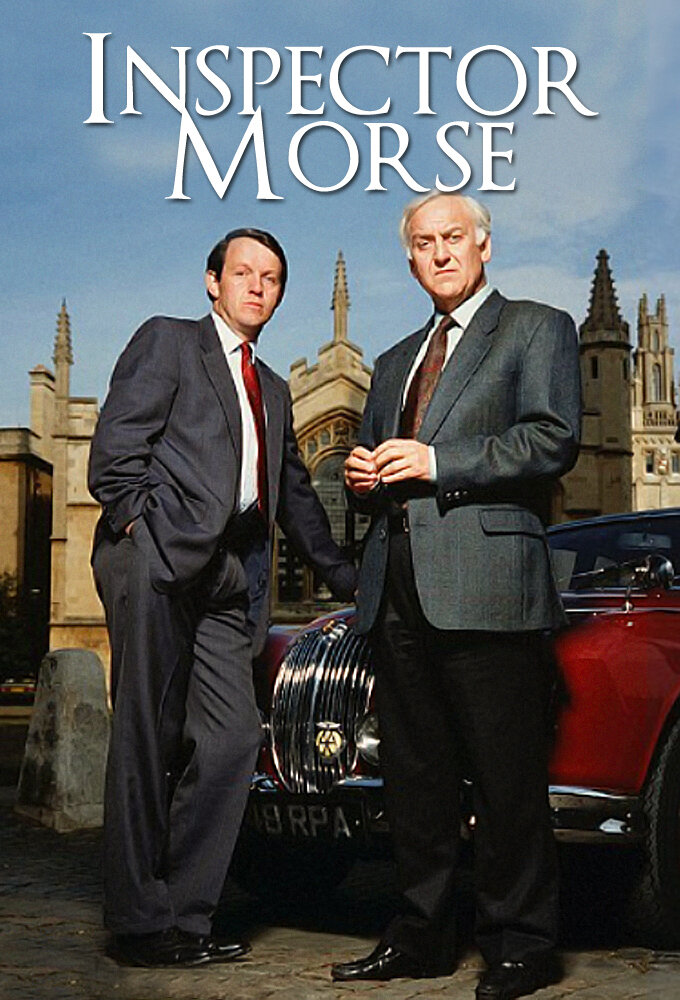
Inspector Morse1987
The show that essentially invented the mold Foyle sits in — brilliant, melancholy detective, English rain, cases that take their time and trust your patience.
But Contemporary setting loses the wartime stakes that give Foyle's cases their extra weight.
Wallander2008no page yet
Swedish moral seriousness transplanted to the BBC via Kenneth Branagh — a detective worn down by the world's cruelty, filmed with the same unhurried, grey-skied patience.
But Bleaker and more contemporary; none of the wartime backdrop or gentler Englishness Foyle offers.
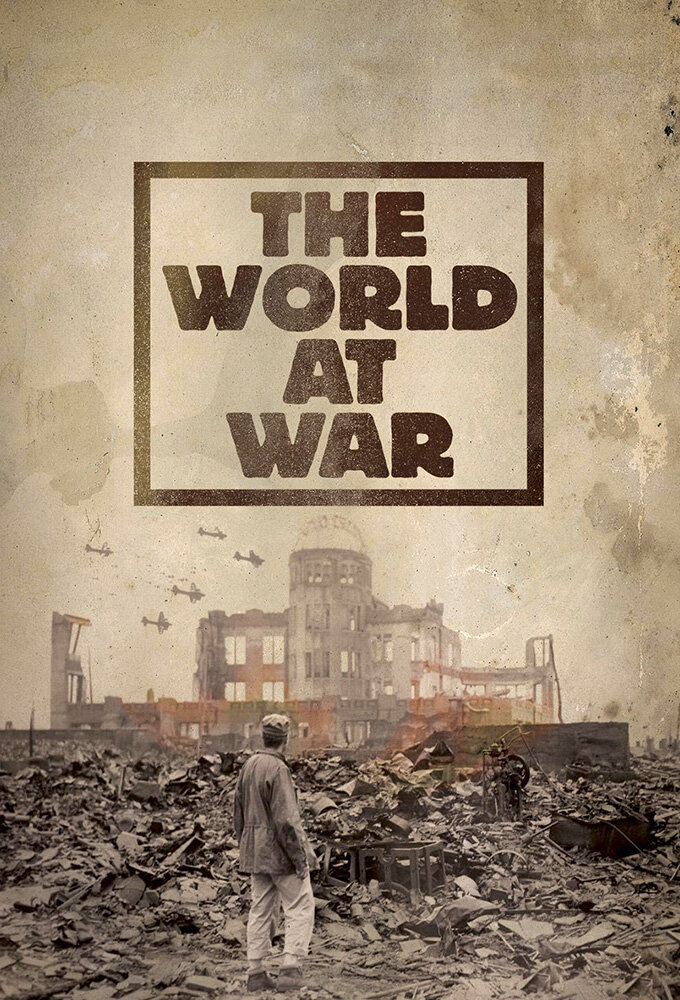
The World at War1973
Foyle's cases are all moral compromise dressed as murder mystery; this is the unvarnished record of the compromises, cover-ups, and costs that actually happened.
The landmark documentary series, built from firsthand testimony of soldiers, survivors, and civilians, that shows you the real texture Foyle's fiction is quietly borrowing from every episode.
But Twenty-six hours, no plot, no Michael Kitchen — pure history, delivered with grave, unhurried authority.
Unsere Mütter, unsere Väter2013no page yet
Flips Foyle's perspective entirely — same wartime moral reckoning, but from the German side, in a register far harsher than English restraint ever permits.
Five young German friends are swept into the war on the other side of the line Foyle stands guard over — the same question of ordinary people and moral collapse, pushed into much darker, bloodier territory.
But Considerably more brutal and morally uncomfortable than anything Foyle allows onscreen; subtitled and unsparing.
People
Cast

Writing
- Anthony HorowitzCreator
Production
- Michael KitchenConsulting Producer
- Jill GreenExecutive Producer
- Jim ReeveExecutive Producer
- Nicole FinnanExecutive Producer
Recommended by
Call the Midwife, Heartbeat, Agatha Christie Poirot, Hope and Glory, Grantchester, Endeavour, Mrs. Miniver, Agatha Christie's Tommy & Tuppence, Inspector Morse, Lewis