
Television series
Unsere Mütter, unsere Väter
- War drama
- Very dark
A German miniseries following five friends from 1941 to 1945 as the Second World War fractures their bonds. Intimate and unflinching, it braids personal tragedy with historical reckoning, showing how ordinary people become complicit in, or casualties of, atrocity. Essential viewing that refuses easy moral comfort.
Should you watch it?
Watch it if you want the war seen through the private choices of people who once shared a table, and you don't mind a drama that cares more about conscience than combat.
Skip it if you want brisk combat, because the war here arrives in long, talky stretches of conversation and moral strain that can feel like homework.
What it asks of you: Three ninety-minute parts, so you're committing to an evening or two; the pace is measured and the darkness arrives gradually rather than all at once.
Not sure? Find tonight's pick in a minute.
If you liked this
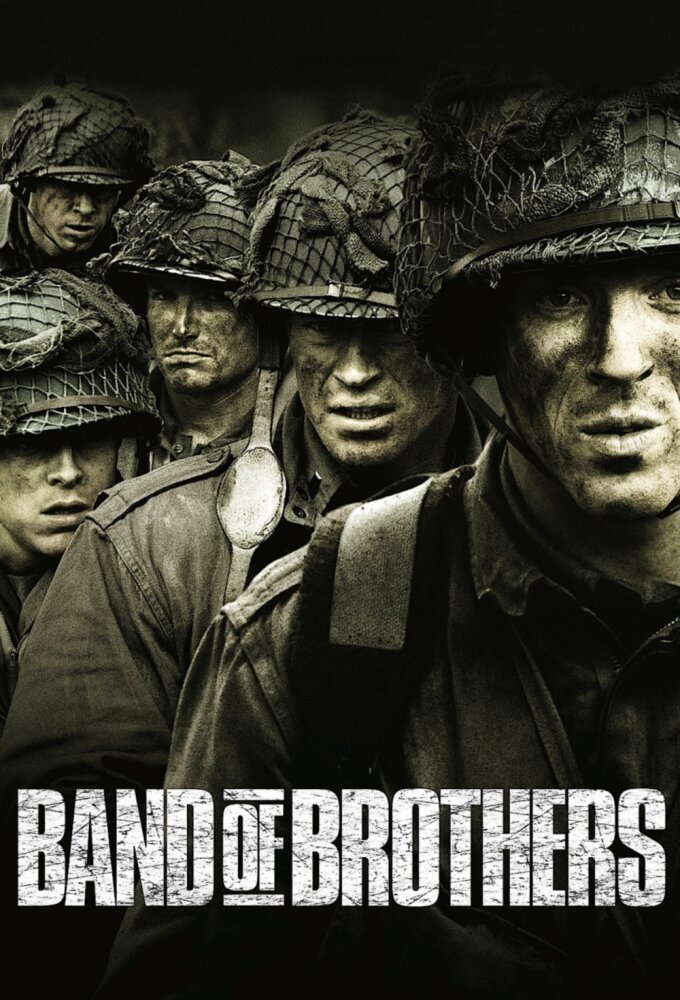
Band of Brothers2001
Sweeping ten-hour chronicle of American soldiers from training through victory. Like Unsere Mütter, it finds profound humanity in the specific faces of war rather than grand strategy, and understands that survival itself becomes a moral question.
But The American perspective and heroic arc may feel simpler than the German reckoning with complicity and collaboration that Unsere Mütter demands.
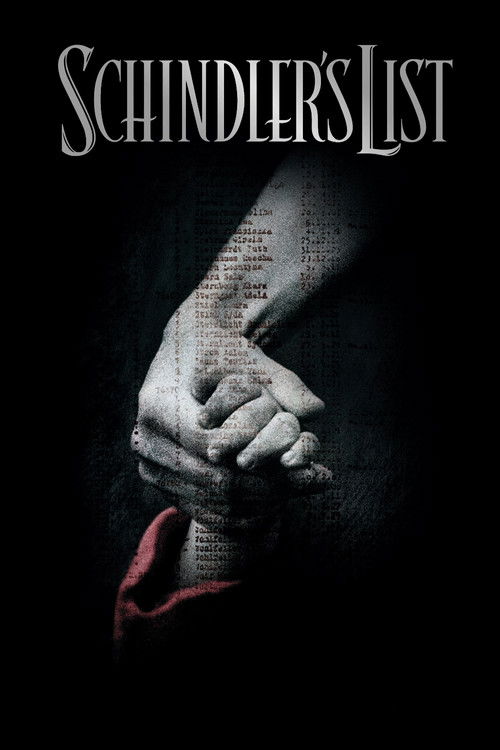
Schindler's List1993
Spielberg's three-hour account of one man's choice to save lives during the Holocaust. It shares Unsere Mütter's refusal to sentimentalize or look away, and its belief that individual conscience matters even in the darkest hour.
But The intensity is exhausting. This is not a comfort film; it demands something from you that you won't get back.
The Pianist2002
Adrien Brody's survival story inside the Warsaw Ghetto, shot with the same cool, observant eye that Unsere Mütter turns on friendship under extremity. Polanski makes horror feel like documentary.
But It's grueling and sometimes numbingly dark. The protagonist's passivity can feel like distance rather than compassion.

Not sure tonight? Get a pick in a minute, starting from Unsere Mütter, unsere Väter
The wildcard
Something you would not have found on your own.
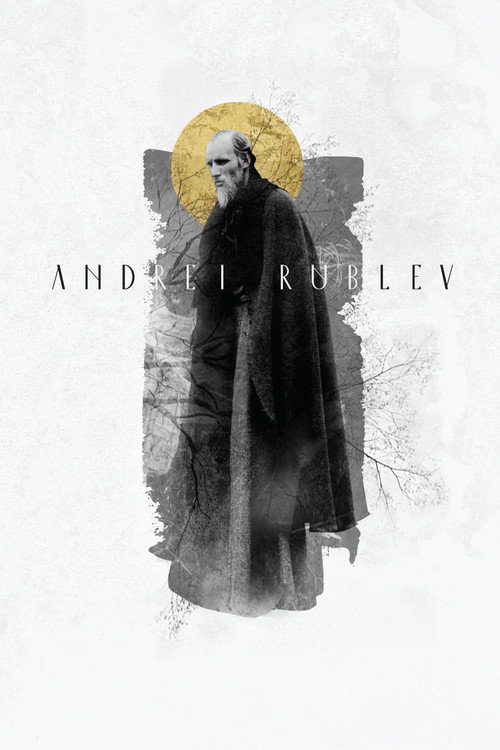
Andrei Rublev1966
Both understand that personal meaning—friendship, art, conscience—doesn't dissolve under historical pressure; it becomes sharper, more necessary, and more impossible.
Tarkovsky's three-hour meditation on an icon painter in medieval Russia. It's about art, faith, and survival under tyranny—same moral gravity as Unsere Mütter, but abstracted and visual rather than narrative. Watches like a fever dream about whether beauty matters when everything is burning.
But It's slow, painterly, and completely uninterested in plot. If you want emotional clarity or momentum, this offers neither.
More like this (7)
Come and See1985
A Soviet masterpiece about a young partisan in WWII that understands war as psychological annihilation, not adventure. Like Unsere Mütter, it's precise about how ordinary people are destroyed by systems larger than themselves.
But It's genuinely difficult to watch. The film doesn't offer catharsis or moral resolution, just ruin.

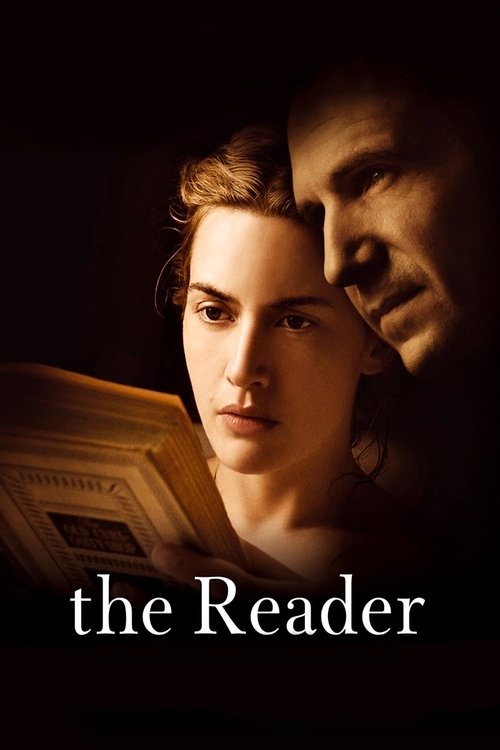
The Reader2008
German cinema grappling with postwar guilt and the question of how to love someone complicit in atrocity. The same moral complexity that makes Unsere Mütter so quietly devastating.
But Some find the romance subplot morally confused rather than complicated. The film divides viewers on what it's actually arguing.
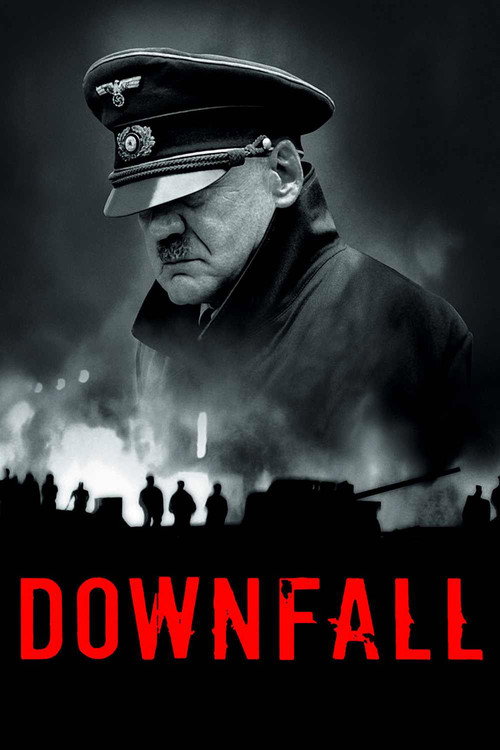
Downfall2004
German-language account of Hitler's final days that treats its subjects as human without excusing them. Shares Unsere Mütter's unflinching refusal to make villains into cartoons.
But Depicting Nazi leadership with psychological depth upsets viewers who believe it should be simpler. The film's matter-of-fact tone can feel cold.
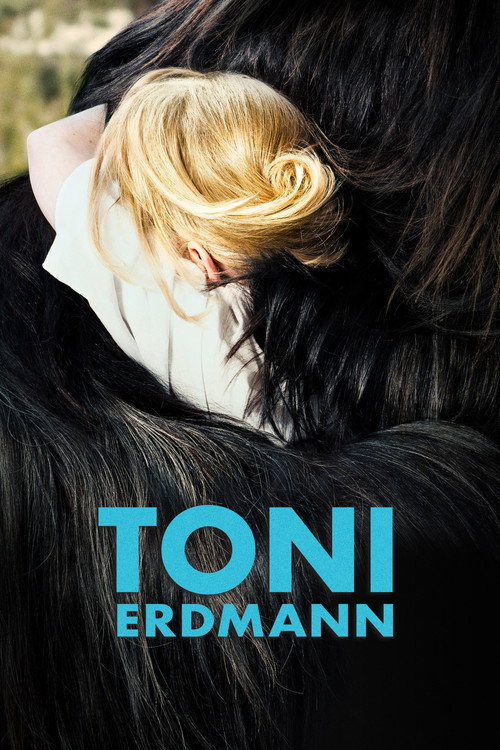
Toni Erdmann2016
Contemporary German cinema about friendship tested by adult life and unmet expectations. A lighter register, but the same eye for how people wound each other and what intimacy actually costs.
But It's a comedy-drama that takes its time. If you want Unsere Mütter's intensity throughout, this will feel indirect and slow.
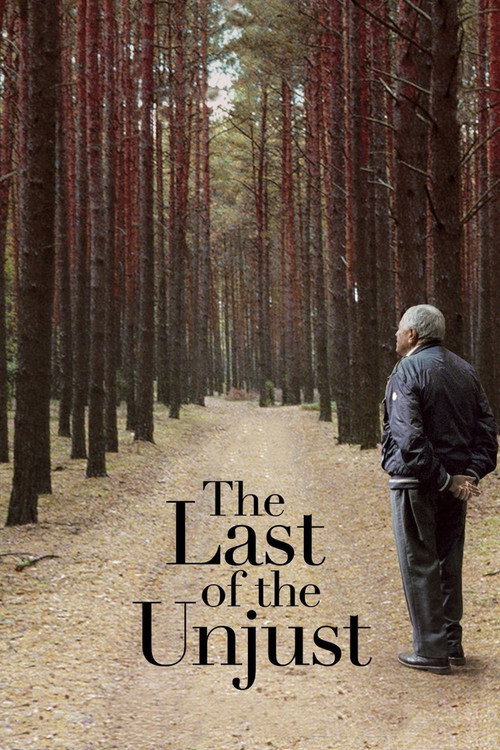
The Last of the Unjust2013
Claude Lanzmann's four-hour documentary interview with a Jewish elder forced to administer a ghetto. It asks the same hard questions Unsere Mütter does about complicity, survival, and what choice means under constraint.
But It's a single conversation. No narrative momentum, no drama—just testimony. That austerity is its power, but it's not for everyone.
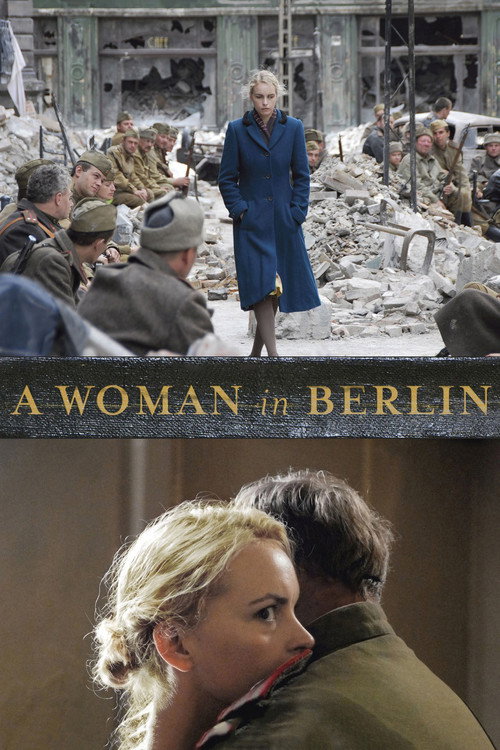
A Woman in Berlin2008
Both German narratives about complicity and agency in extremity, but this stays in the rubble asking what comes after the moral calculus Unsere Mütter documents.
German film about a woman surviving the Soviet occupation of Berlin in 1945. Where Unsere Mütter follows men and women through the war, this stays close to one woman's body and choice in its aftermath. It's smaller, grimmer, and refuses the dignity of distance.
But The subject matter—sexual violence as weapon of war—is brutal. The film doesn't soften it. It also splits viewers on whether its protagonist is a survivor or a collaborator.
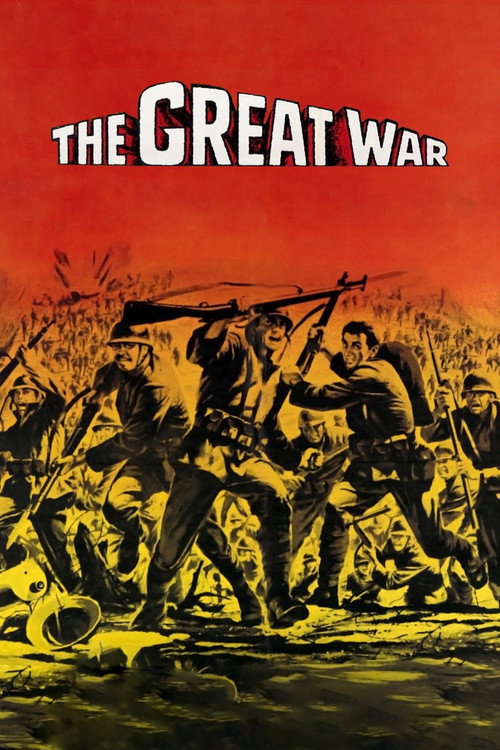
The Great War1959
Separated by continent and a generation of war, both films believe that friendship under fire is the only real story, and that it doesn't survive intact.
Italian neorealist film about ordinary soldiers in the First World War. It predates Unsere Mütter by over fifty years but asks identical questions: how do friends survive together, and what does it cost? Shot like documentary, with no scores or sentiment.
But It's a war film from 1959 in Italian. The print quality is rough, and the pace—observational rather than dramatic—can feel slack to modern eyes.
People
Cast








Recommended by
All Quiet on the Western Front, Foyle's War, Un village français, Land of Mine, Fortress of War