
Film
The Last of the Unjust
- Crime
- Very dark
- Slow-burning
Claude Lanzmann's three-hour interview with Benjamin Murmelstein, the last Jewish leader of Theresienstadt ghetto, reconstructs a man caught between impossible choices and his intimate knowledge of Eichmann. It's a searing, dense meditation on complicity, survival, and the moral weight of negotiating with architects of genocide. Essential but punishing.
Should you watch it?
Watch it if you want a long, patient interview film where a single unsettling mind is pressed, contradicted and allowed to keep talking, and you would rather sit with moral ambiguity than be handed a verdict.
Skip it if you need a documentary with archive footage, narration and brisk structure; this is mostly one man in a chair, with Lanzmann's questions doing the work across a very long running time.
What it asks of you: Almost four hours of sustained talk, slow and deliberate, with few cutaways; it wants patience and close listening more than emotional release, and it rewards the viewer who stays with the argument.
Not sure? Find tonight's pick in a minute.
If you liked this
Shoah1985
Lanzmann's monumental nine-hour predecessor, built from testimony and landscape. This film is its necessary companion—a return to unfinished questions, a portrait of the one witness who faced Eichmann directly.
But Nine hours is commitment. Even viewers who admire it find long stretches austere and emotionally depleting.
The Act of Killing2012
Asks perpetrators to confront what they did by staging their own crimes. Like Murmelstein, it forces an encounter with moral complicity that feels almost unbearable to watch.
But The theatrical recreation method feels manipulative to some. Watching killers perform is deeply uncomfortable by design.

Into the Arms of Strangers: Stories of the Kindertransport2000
Documentary about Jewish children rescued before the war. It captures the same era's moral mathematics—survival, separation, impossible choices made by families and leaders.
But Gentler and more hopeful than The Last of the Unjust. Some find its focus on British rescue narratives shifts emphasis away from European suffering.
Not sure tonight? Get a pick in a minute, starting from The Last of the Unjust
The wildcard
Something you would not have found on your own.
Son of Saul2015
Both centre on men forced into the apparatus of genocide, but where Murmelstein negotiated survival, Saul chooses a small, useless defiance. They're moral opposites in the same machinery.
Hunted, claustrophobic fiction shot in Auschwitz itself. A Sonderkommando trying to preserve dignity through one forbidden act. Where Murmelstein testifies to compromise, this film imagines refusal—the emotional answer to his pragmatism.
But It's a narrative fiction, not testimony. Some find the intimate handheld camera exploitative when pointed at atrocity.
More like this (4)
A Film Unfinished2010
Excavates Nazi propaganda footage of the Warsaw Ghetto, asking how image and deception worked in real time. Murmelstein's Theresienstadt was literally the 'model ghetto' in footage—this explores that lie.
But The film's nonlinear structure can feel scattered. It raises more questions than it answers.
Memories of Murder2003
A detective film, yes, but fundamentally about how men in authority rationalize failure and complicity. The moral texture—how power corrupts incrementally—echoes Murmelstein's impossible position.
But It's a genre film, which may feel tonally wrong if you want pure testimony. The detective plot can distract from the thematic work.

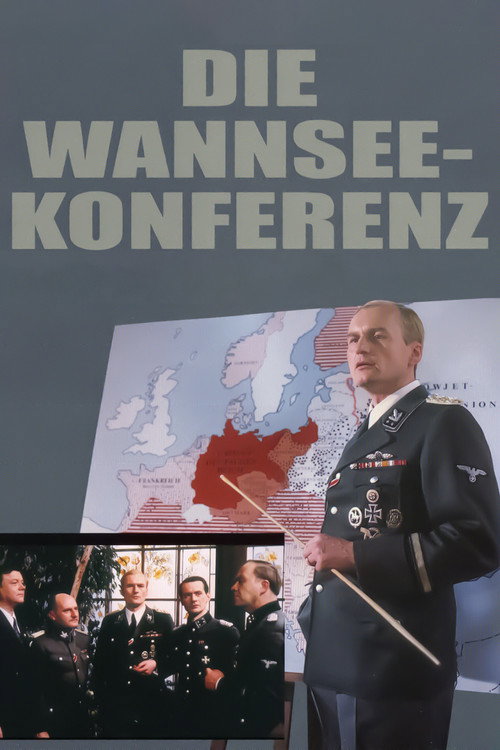
The Wannsee Conference1984
Reconstructs the meeting where the 'Final Solution' was formally organized. Eichmann was there. Understanding that room helps you understand what Murmelstein was up against.
But It's a period drama reconstruction, not testimony. Some prefer unmediated historical sources.
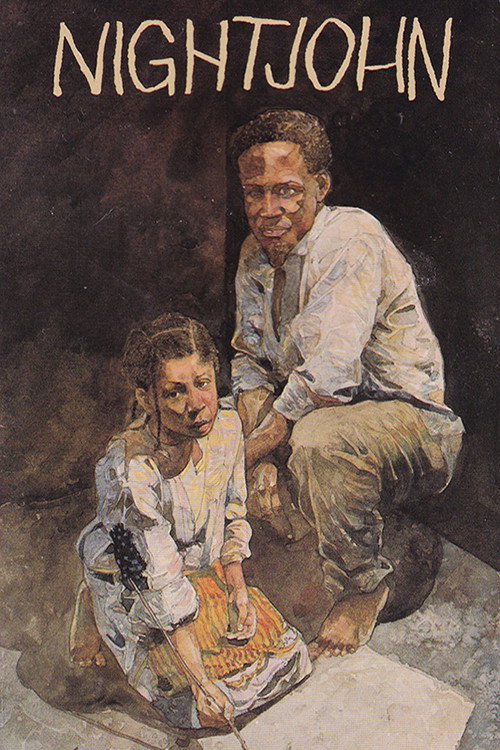
Nightjohn1996
Charles Burnett's film about enslaved people teaching each other to read under threat of death. It explores how dignity persists under dehumanization, a counterpoint to Theresienstadt's machinery.
But The American slavery context may feel distant from your purpose. It's a narrative film, not documentary.
People
Cast
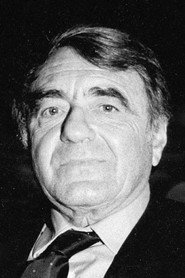 Claude LanzmannSelf - Interviewer
Directing
- Claude LanzmannDirector
Writing
- Claude LanzmannWriter
Production
- Danny KrauszProducer
- David FrenkelProducer
- Jean LabadieProducer
- Kurt StockerProducer
Recommended by
Unsere Mütter, unsere Väter, Paragraph 175, Virunga, Who Will Write Our History?, Stranger by the Lake, The Man Who Broke 1,000 Chains