
Film
A Film Unfinished
- Investigative journalism
- Very dark
Yael Hersonski's documentary excavates the Warsaw Ghetto film, a Nazi propaganda piece long mistaken for historical record. By examining footage, deleted reels, and witness testimony, she reveals how the Nazis staged 'authenticity' while Jews performed survival under the camera's gaze. A meditation on image-making, complicity, and what we can actually know from looking.
Should you watch it?
Watch it if you are drawn to documentaries that take apart a single piece of evidence, asking who made it, why it was made, and how the camera was steered.
Skip it if you want a conventional story or fresh footage, since it is built almost wholly from one unfinished Nazi film and its commentary, which can feel repetitive and grim.
What it asks of you: Roughly ninety minutes, mostly unhurried, with long silent stretches of footage and sober commentary; it stays heavy throughout and wants steady attention.
Not sure? Find tonight's pick in a minute.
If you liked this
Shoah1985
Claude Lanzmann's nine-hour masterpiece builds historical understanding through interviews with survivors, perpetrators, and bystanders. Patient, rigorous, and profoundly moving—the gold standard for Holocaust documentary filmmaking.
But Nearly ten hours long, with minimal archival footage. Some find the pacing meditative; others find it punishing.

Night and Fog1956
Alain Resnais's 32-minute essay on the camps uses footage, stills, and narration to ask uncomfortable questions about memory and complicity. Essential viewing that still devastates—and still provokes.
But The brevity can feel compressed. Some of the archival material is extremely difficult to witness.

The Act of Killing2012
Joshua Oppenheimer films Indonesian genocide perpetrators as they reenact their own crimes. The collision between boastfulness and denial creates a sickening portrait of how atrocity becomes entertainment in the perpetrator's mind.
But Watching murderers laugh about their murders is morally nauseating. Some find the film's approach exploitative.

Not sure tonight? Get a pick in a minute, starting from A Film Unfinished
The wildcard
Something you would not have found on your own.
Sans Soleil1983
Both films are about the unreliability of images as evidence; both make you sit with the discomfort of trying to extract truth from artifice.
Chris Marker's experimental essay-film moves between Japan, Guinea-Bissau, and Iceland, exploring how images carry meaning and memory. It's a meditation on how we read photographs—exactly what A Film Unfinished demands of us, but through philosophy and poetry rather than history.
But Avant-garde, poetic, and deliberately fragmented. Viewers expecting chronological argument will feel untethered.

More like this (6)
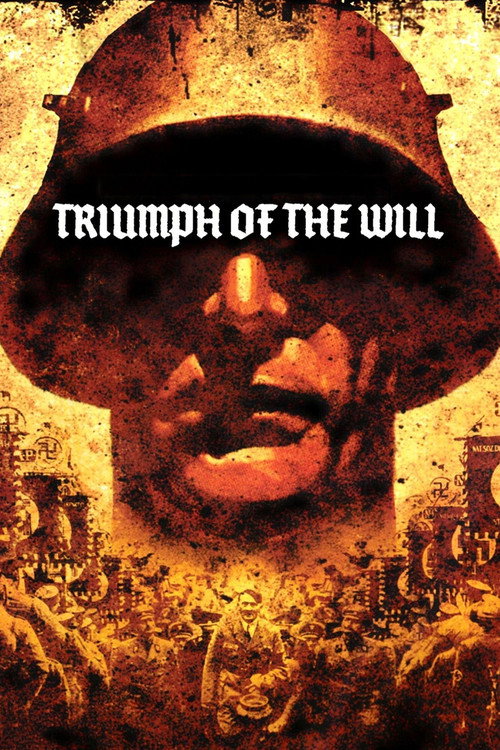
Triumph of the Will1935
Leni Riefenstahl's Nazi propaganda film is technically brilliant and historically crucial. Understanding how propaganda *works* visually is necessary; examining it critically is urgent.
But Watching Nazi pageantry, even analytically, feels collaborationist to some. The aesthetics can seduce even as the message repels.
The Invisible Thread2022
A documentary examining Theresienstadt, the 'model ghetto' used to deceive the Red Cross and the world. It parallels A Film Unfinished's obsession with how Nazis staged and filmed captive populations.
But Lesser-known subject matter; may feel like repetition if you've already studied Warsaw closely.
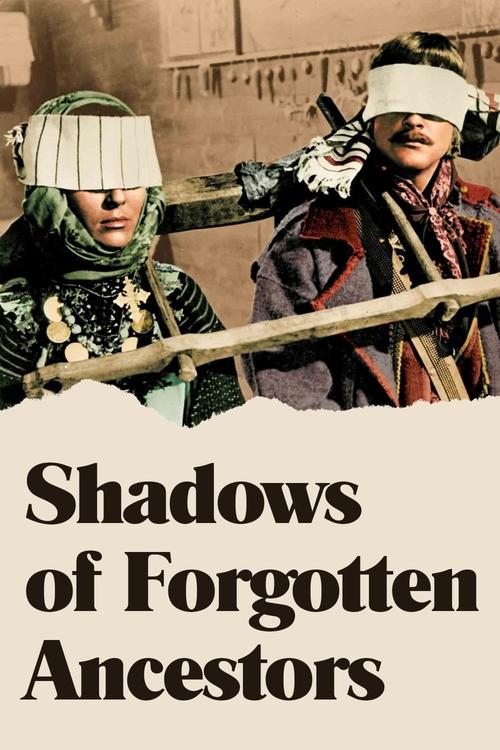
Shadows of Forgotten Ancestors1965
Sergei Parajanov's visually intoxicating film about a Ukrainian village explores how folk culture survives occupation and erasure. Gorgeous, strange, and politically urgent in how it reclaims memory from erasure.
But More experimental than documentary; oblique where you expect direct address. Some find it too beautiful for its subjects.
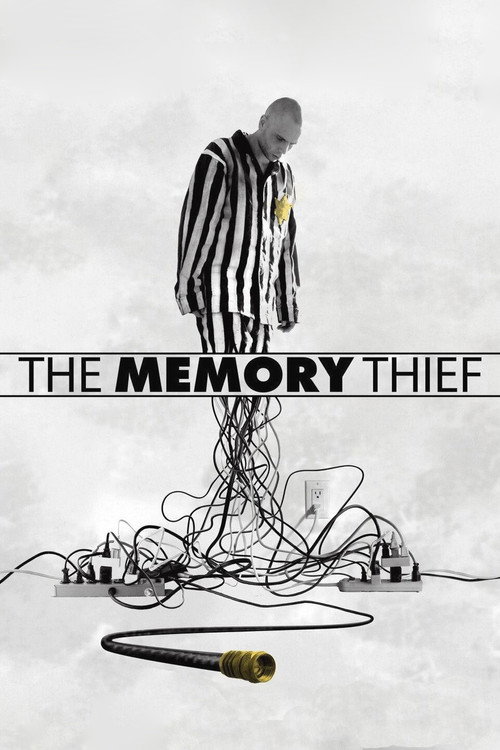
The Memory Thief2007
Gil Baroni's documentary follows a man collecting testimonies from Holocaust survivors in Ukraine, exploring how stories survive and fade. Quieter than A Film Unfinished, but asking similar questions about memory and record-keeping.
But Slow, regional, and less cinematically polished. Limited distribution means it's genuinely hard to find.
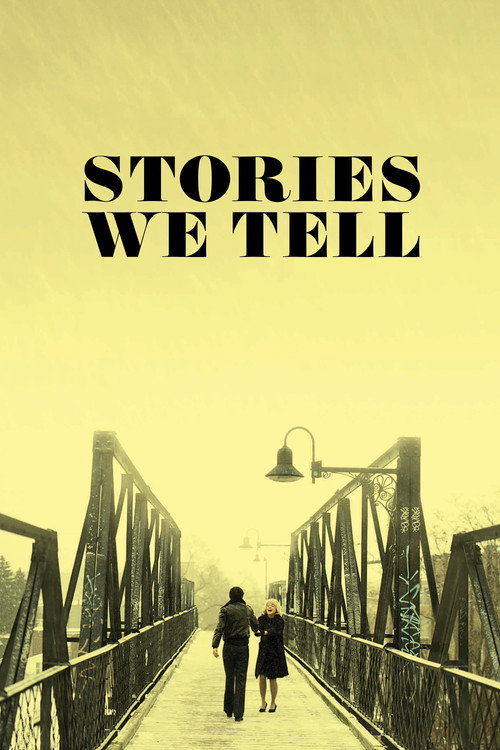
Stories We Tell2012
Both are about how film can distort reality even—or especially—when it claims to record it; both demand active skepticism from the viewer.
Michael Haneke's film reconstructs his own family's secrets through interviews, photographs, and dramatic scenes. It toys with documentary form itself, asking what 'truth' even means when people's memories contradict. Achingly intimate and formally daring.
But The 'mystery' at its centre will feel contrived to some. Family drama may feel trivial compared to historical atrocity.
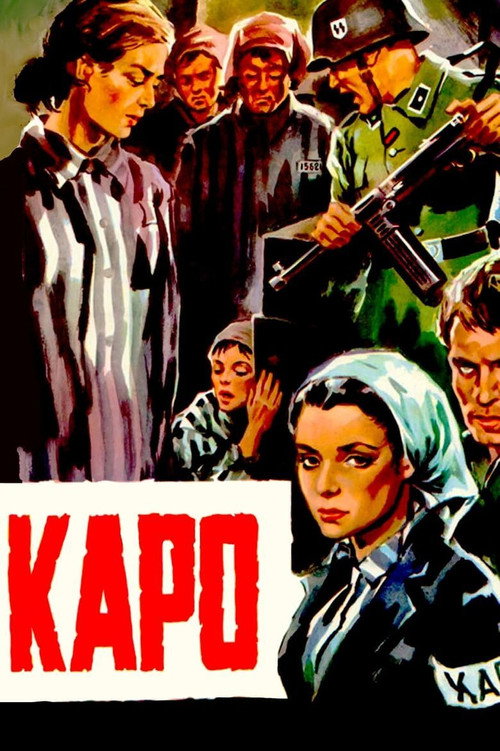
Kapo1960
Like the Warsaw Ghetto film, it stages atrocity and asks what the camera does when it frames suffering—but from the opposite angle, with artistic ambition and moral seriousness instead of propaganda.
Gillo Pontecorvo's narrative drama about a woman prisoner who becomes a camp supervisor is formally audacious and morally agonizing—it refuses easy judgment. A masterpiece of cinema that grapples with complicity and survival in ways that feel as urgent as documentary, but through fiction.
But Some find it exploitative or insufficiently reverent. The famous crane shot has sparked controversy for its aestheticization of horror.
People
Cast
 Alexander BeyerInterrogator
 Rüdiger VoglerWilly Wist
Directing
- Yael HersonskiDirector
Recommended by
The Last Stage, Wings of Defeat, Blockade, The Last of the Unjust, Into the Arms of Strangers: Stories of the Kindertransport, Partisans of Vilna, The Flat, The Ten