
Film
Wings of Defeat
- War drama
- Very dark
- Slow-burning
Wings of Defeat lets survivors of kamikaze pilot training—now in their eighties—speak about their experiences sixty years later. Director Risa Morimoto traces her uncle's secret history through intimate interviews that resist easy judgment, asking instead what we owe soldiers caught in impossible circumstances. It's a quiet, necessary film about duty, survival, and the gap between history and the human beings who lived it.
Should you watch it?
Watch it if you want a personal, interview-driven look at war history, where the director's search for an uncle's buried secret gives the testimony an intimate pull and a human face.
Skip it if you need a documentary that explains the military context with narration, archival sweep and maps, since this one leans on the memories of ageing survivors and stays close to their rooms.
What it asks of you: Settle in for about ninety minutes of mostly seated conversation, with the pace set by old men choosing their words carefully. It is quiet, unhurried and heavy, and it asks you to listen closely.
Not sure? Find tonight's pick in a minute.
If you liked this
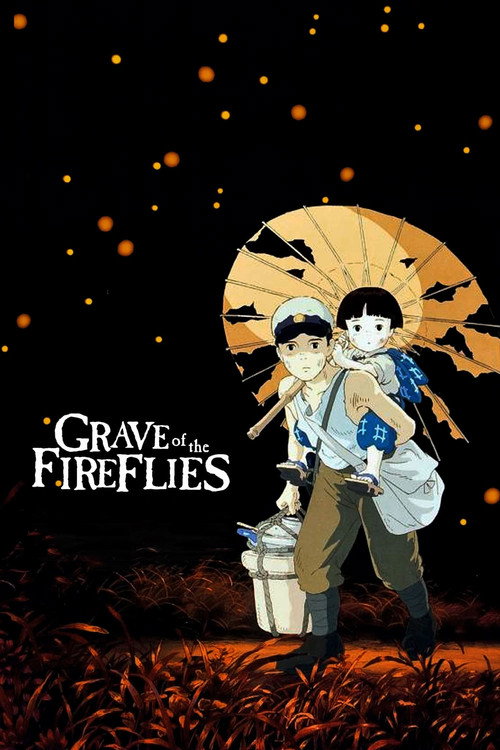
Grave of the Fireflies1988
Animated film about Japanese civilians in the final months of WWII. Not propaganda or judgment, but an unflinching account of ordinary people ground down by war's machinery.
But Devastatingly bleak. No redemption arc, no comfort. It sits with suffering rather than resolving it.
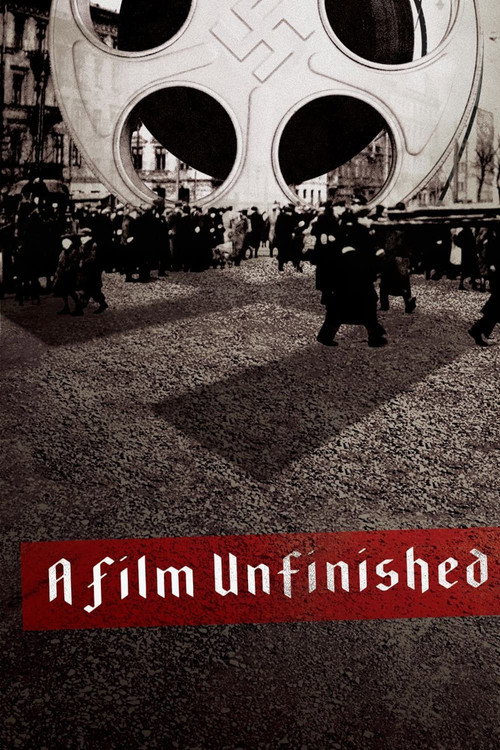
A Film Unfinished2010
Documentary that excavates Nazi propaganda footage of the Warsaw Ghetto, then asks what we can actually know from images, and what we owe to the dead filmed without consent.
But Formally challenging and morally austere. Doesn't offer catharsis or clear answers, which some viewers find frustrating.
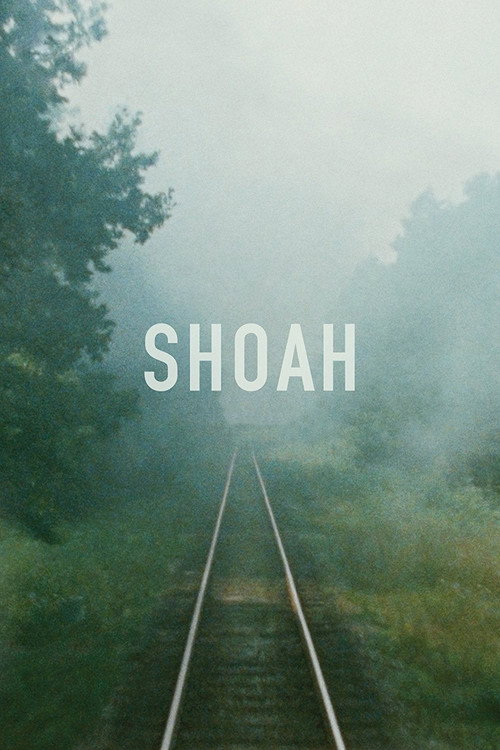
Shoah1985
Claude Lanzmann's nine-hour investigation of the Holocaust built entirely on testimony from survivors, perpetrators, and witnesses. Patient, unflinching, treats speech itself as an act of resistance and remembrance.
But Requires serious time commitment and emotional stamina. Its refusal of conventional documentary techniques will feel slow to some.
Not sure tonight? Get a pick in a minute, starting from Wings of Defeat
The wildcard
Something you would not have found on your own.
Tokyo Story1953
Both films trust survivors to carry meaning through presence alone. Neither narrates or judges. Both understand that the deepest truths about war live in the smallest, quietest moments.
Ozu's film observes an aging couple visiting their son in post-war Tokyo. No plot in the conventional sense—just the texture of daily life, grief held quietly, and what remains after catastrophe. A different way of bearing witness.
But Utterly still. Dialogue is sparse, scenes linger. The emotional content arrives through what's NOT said, which requires patience most viewers don't have.

More like this (7)
The Act of Killing2012
Indonesian death-squad leaders re-enact their own killings. Sounds sensational; actually a profound meditation on how perpetrators construct meaning from atrocity, and whether confrontation can crack that armor.
But The premise feels morally dangerous. Some viewers object to giving perpetrators this platform, even in interrogative form.

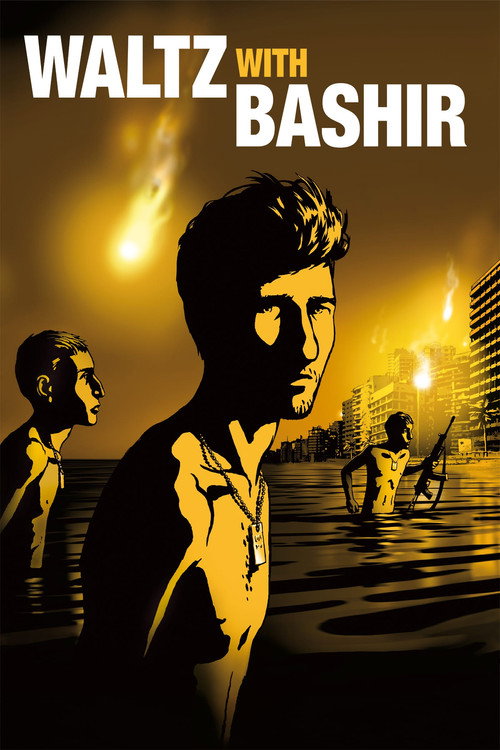
Waltz with Bashir2008
Animated documentary about an Israeli director investigating his own suppressed memories of the Lebanon War. Visually stunning and emotionally intricate about how trauma fractures memory.
But The animation style can feel at odds with the gravity of the subject matter. Some find the formal beauty compromises the moral weight.
Night and Fog1956
Alain Resnais's 32-minute masterpiece moves between color footage of Auschwitz in 1955 and archival material, asking how we look at horror and what distance permits understanding.
But Brief but concentrated. Its intellectual approach and restrained narration can feel cold compared to more emotionally direct documentaries.
Come and See1985
Soviet film following a boy conscripted into WWII, documenting his moral destruction in visceral, unforgettable detail. A masterwork about the machinery of war eating the young.
But Brutal and sustained in ways that feel almost unbearable. Not a film you watch for catharsis—it refuses you that mercy.

The Ascent1977
Andrei Tarkovsky's meditation on faith and sacrifice, following two Soviet partisans. Operates through imagery and silence rather than plot, asking what we're willing to die for.
But Glacially paced and spiritually abstract. If you want narrative momentum or clear answers, this will feel like watching paint dry.

Stalker1979
Both ask what we owe the systems that claim to serve us, and whether surviving them intact is even possible. Both understand that some questions matter more than answers.
Tarkovsky's science-fiction meditation on desire, faith, and the gap between what we're told to want and what we actually need. A man guides two clients through a mysterious zone toward a room that grants wishes.
But Deliberately paced to the point of hypnosis. Over two hours of philosophical slowness. The 'plot' barely matters—it's a thought experiment disguised as narrative.

Red Beard1965
Like Wings of Defeat, it centers on how ordinary people survive systems larger than themselves—here medicine and poverty rather than war. Both films honor the unglamorous courage of simply continuing.
Kurosawa's late film about a young doctor learning from an older mentor at a clinic for the poor. Humanistic without sentiment, paying attention to how people endure indignity with grace. Quietly radical.
But Three-and-a-half hours of episodic, low-key storytelling. No dramatic payoff, no character arc in the Hollywood sense. Accumulative rather than propulsive.
People
Directing
- Risa MorimotoDirector
Writing
- Linda HoaglundWriter
Production
- Linda HoaglundProducer
- Risa MorimotoProducer