
Film
Partisans of Vilna
- Very dark
Partisans of Vilna documents the Jewish resistance movement in occupied Lithuania through archival footage and forty survivor interviews. It's a meticulously constructed testament to ordinary people organizing armed resistance under impossible conditions. Grave and gripping, never sensational. Essential viewing for anyone wrestling with how humans resist tyranny, and how resistance shapes those who undertake it.
Should you watch it?
Watch it if you want to understand how resistance was argued, planned and improvised inside a ghetto, and you are happy to sit with people recalling it in their own words.
Skip it if it runs over two hours and relies mostly on interviews, so if you need visual momentum or a tight narrative line, its pace may feel heavy going.
What it asks of you: Settle in for a long, unhurried sitting, with attention given to argument and memory rather than to scenes; the footage is grainy and the mood stays sober throughout.
Not sure? Find tonight's pick in a minute.
If you liked this
Shoah1985
Lanzmann's nine-hour masterpiece uses testimony alone—no archival footage—to reconstruct the Holocaust's machinery. It builds a portrait of systematic evil through the voices of survivors, perpetrators, and witnesses. Essential companion to Partisans.
But The length and methodical pacing demand genuine commitment. There's no conventional drama or music, just voices and silence.

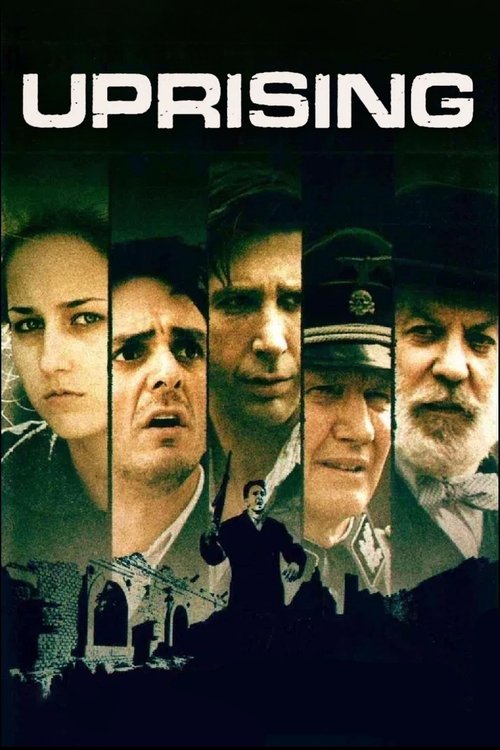
Uprising2001
HBO dramatization of the Warsaw Ghetto Uprising. Where Partisans shows how resistance formed, this follows armed rebellion to its tragic conclusion. Complements the documentary's themes with narrative tension and emotional immediacy.
But Dramatization softens some historical reality. The production values feel occasionally too polished for the subject matter.
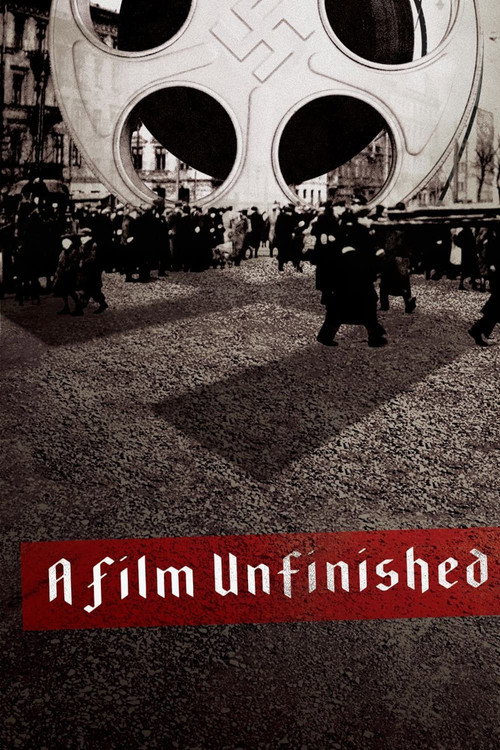
A Film Unfinished2010
Piecing together Nazi propaganda footage of the Warsaw Ghetto, Joshua Blum reveals what's hidden in official documentation. Like Partisans, it treats archival material as a puzzle requiring survivor testimony to unlock truth.
But The fragmentary approach can feel frustratingly incomplete. Some viewers find the deconstruction method more interesting than moving.
Not sure tonight? Get a pick in a minute, starting from Partisans of Vilna
The wildcard
Something you would not have found on your own.
Come and See1985
Both made in 1985, both in the Soviet sphere, both refuse sentiment about armed resistance. Where Partisans documents how people organize, Come and See shows what organized resistance does to the human body and mind.
Elem Klimov's visceral Soviet film follows a boy conscripted into the Red Army fighting Nazi occupation. Shot the same year as Partisans, it renders resistance and survival through the sensory shock of warfare. Extreme, immersive, unforgettable—what resistance actually costs.
But Brutally graphic. The relentless horror can feel gratuitous to some viewers. Not a testimony but a fiction that will shake you.

More like this (3)
Night and Fog1956
Alain Resnais's 32-minute masterpiece intercuts Nazi documentation of Auschwitz with color footage of the camp's ruins. Devastating and precise. Essential viewing that changed how documentarians could approach atrocity.
But The brevity means it covers horror without depth. Some experience it as too poetic for its subject.

Remember the Day1941
Not a documentary—a Hollywood drama about a teacher recognizing a former student. Included because it represents how distant America felt from European persecution at the exact moment Vilna's resistance was forming.
But Now feels like a historical artifact rather than vital cinema. The distance between its concerns and Partisans' stakes may frustrate rather than illuminate.
The Act of Killing2012
Both use testimony and reconstruction to expose how historical violence lives in memory. Partisans shows resistance from below; this shows atrocity from the viewpoint of power. Each illuminates what the other cannot.
Joshua Oppenheimer's radical documentary asks Indonesian death-squad leaders to recreate their killings on film. It's a moral inversion of Partisans: instead of victims reclaiming memory, perpetrators confront their own mythology. Brilliant and appalling.
But The formal audacity may feel manipulative. Giving perpetrators a platform disturbs many viewers. Lacks Partisans' moral clarity about resistance.

People
Cast
 Roberta WallachNarrator
- Abba KovnerHimself
Directing
- Aviva KempnerDirector
- Joshua WaletzkyDirector