
Film
Image Before My Eyes
A luminous recovery of three and a half million lives. Image Before My Eyes uses archival footage, photographs, and testimony to document Jewish Poland between the wars—not as prelude to tragedy, but as a thriving, contradictory world of political movements, theatre, prayer, debate, and ordinary days. It's an act of refusal and remembrance: insisting these people be seen as they lived.
Should you watch it?
Watch it if you want a patient, mosaic-style portrait of one community at full stride, its markets and streets, and its rival political and religious movements arguing among themselves.
Skip it if you need a single argument or a tight through-line, since this is a broad survey that roams across topics and rarely lingers on any one person or story.
What it asks of you: Ninety minutes that move at the pace of looking: stills held long enough to study, footage and live interviews stitched into a slow, wide-angled mosaic.
Not sure? Find tonight's pick in a minute.
If you liked this
Shoah1985
Lanzmann's monumental oral history lets survivors testify at length, in their own words. Nine hours of presence and specificity that resists easy understanding and refuses to look away.
But Its length and refusal of music, narration, or archive footage can feel punishing. Some find the pacing glacial; patience is non-negotiable.
The Act of Killing2012
Opacity made visible: Indonesian death-squad leaders stage dramatizations of their own murders. Unsettling and brilliant, it asks what perpetrators think of what they've done and why they tell their stories.
But Morally vertiginous and sometimes queasy. The film's method—giving perpetrators the stage—will feel obscene to some, and they won't be wrong.

Night and Fog1956
Alain Resnais's 30-minute essay moves between present-day Auschwitz and archival color footage. Restrained, poetic, and devastating—a masterwork of how to witness without exploitation.
But Its brevity and formal distance mean emotional impact comes quietly. Viewers wanting explicit testimony or testimony may find it too meditative.
Not sure tonight? Get a pick in a minute, starting from Image Before My Eyes
The wildcard
Something you would not have found on your own.
Chronicle of a Summer1961
Both films insist on recovering the texture of ordinary life in a specific place and moment—not as historical document serving a foregone conclusion, but as evidence that these lives were full, various, and real.
Rouch and Morin ask Parisians "Are you happy?" in summer 1961, creating cinema-vérité from everyday streets and homes. Joyful, mundane, and radiant—a city alive in itself, not as backdrop.
But Observational style leaves you unsure what the filmmakers believe. No narration or frame means you must make meaning from fragments.
More like this (6)
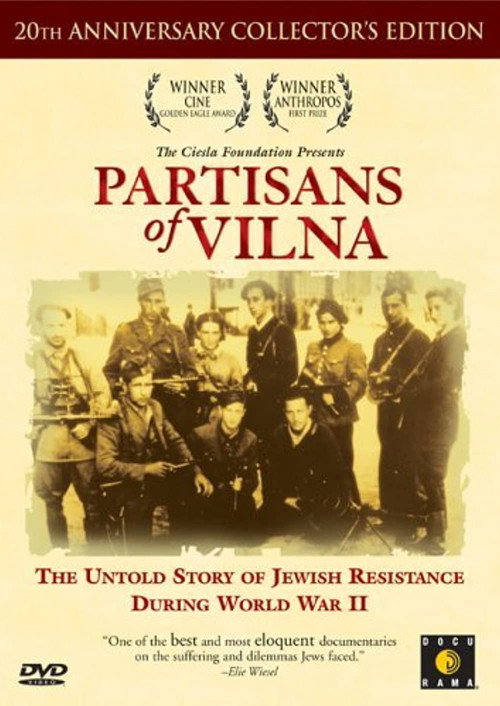
Partisans of Vilna1986
Partisan fighters describe their armed resistance in the Vilna ghetto and forests. A counternarrative that reclaims agency and restores these resisters as protagonists of their own story.
But Lower production values and pacing typical of 1980s documentary work; some will find it slow despite the dramatic material.
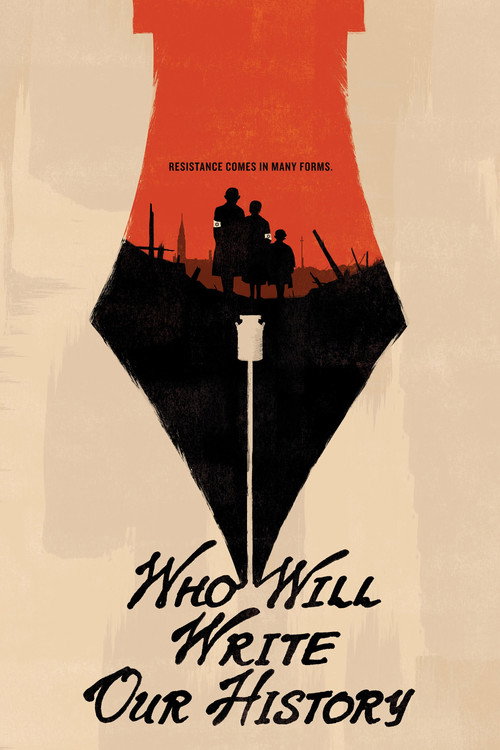
Who Will Write Our History?2018
The Oyneg Shabes archive, hidden in milk cans under Warsaw's ruins, documents the ghetto from within. Archival recreation, animation, and discovery weave together a underground act of witness.
But Hybrid animation and dramatization approaches can feel at odds; some prefer purely archival forms. Discovering the archive's physical location doesn't prevent the broader tragedy.
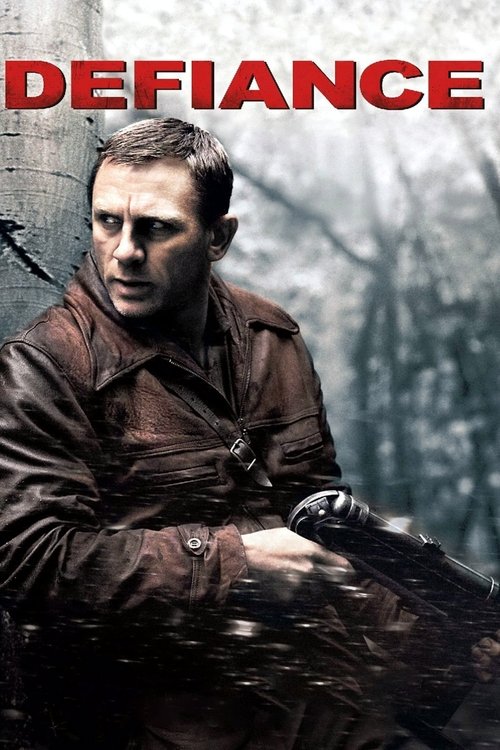
Defiance2008
Edward Zwick directs the true story of the Bielski brothers' Jewish forest camp—thousands of armed and unarmed Jews surviving through secrecy, discipline, and will. Epic in scope, human in focus.
But Hollywood gloss on atrocity can feel reductive; some accounts of the brothers' actions remain disputed. The film simplifies complex moral terrain.
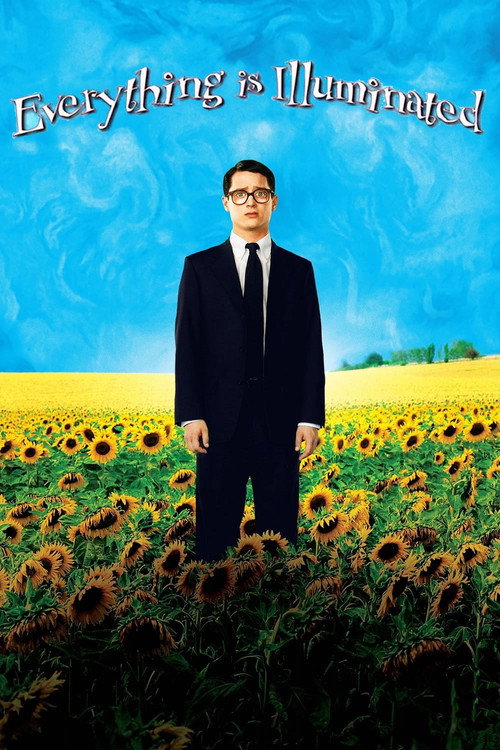
Everything Is Illuminated2005
Liev Schreiber's adaptation braids past and present, archive photographs and contemporary Ukraine. A grandson searches for the shtetl and the woman who saved his grandfather; memory and landscape intertwine.
But Whimsy and magical realism sit uneasily with historical grief. Some find the tonal mixture cute rather than moving.
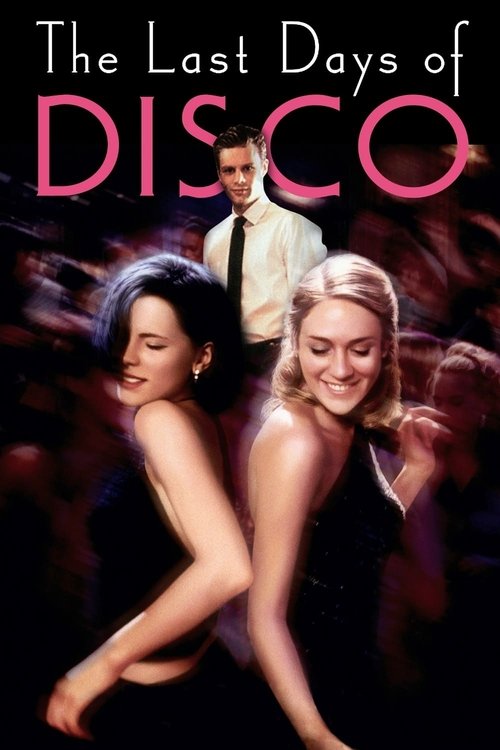
The Last Days of Disco1998
Steven Spielberg's documentary centers Hungarian Jews deported in 1944. Five survivors recount their liberation and after, restoring the last moment to its human complexity.
But Survivor testimony structured around the Shoah Foundation can feel like institution-building rather than discovery. Wide reach sometimes means less depth.
Stalker1979
Both works are concerned with preservation, memory, and what it means to ask what remains after loss. Image Before My Eyes recovers what survives; Stalker asks what we desire from what can't be recovered—both films treat the past and the unknowable with the same tender gravity.
Tarkovsky's metaphysical science-fiction film follows a guide leading two men through a mysterious zone toward a wish-granting room. Luminous, meditative, about desire and faith. A philosophical meditation in images.
But Glacial pacing, minimal plot, Soviet-era cinema style. If you need narrative momentum or plot clarity, this will feel like an endurance test.

People
Directing
- Joshua WaletzkyDirector