
Film
Who Will Write Our History?
- Drama
- Very dark
A hybrid documentary that weaves archival testimony, dramatisation, and found documents to tell how Jewish historians in the Warsaw Ghetto risked everything to chronicle their own annihilation. It's a film about bearing witness, about the act of writing itself as resistance. Essential viewing, and deeply moving without ever feeling manipulative.
If you liked this
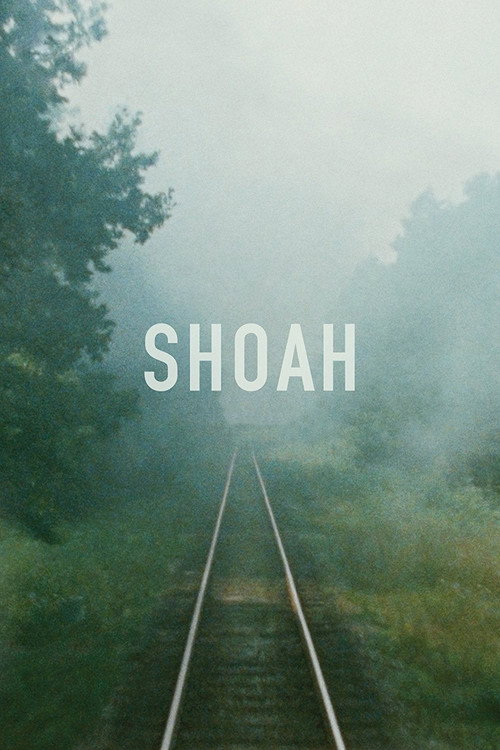
Shoah1985
Lanzmann's nine-hour masterpiece captures testimony from survivors, perpetrators, and witnesses in their own environments. It's the definitive documentary on the Holocaust, patient and unflinching in its pursuit of historical truth.
But Its length and refusal of archival footage demand real commitment. Some find Lanzmann's method of returning survivors to sites of trauma ethically troubling.
The Act of Killing2012
Joshua Oppenheimer lets Indonesian death-squad leaders restage their own atrocities on film, creating a haunting meditation on memory, denial, and how we narrate our own monstrosity. Formally daring and morally urgent.
But It grants disturbing agency to perpetrators. The recreations are deeply upsetting, and some viewers feel the film lets them off too lightly.

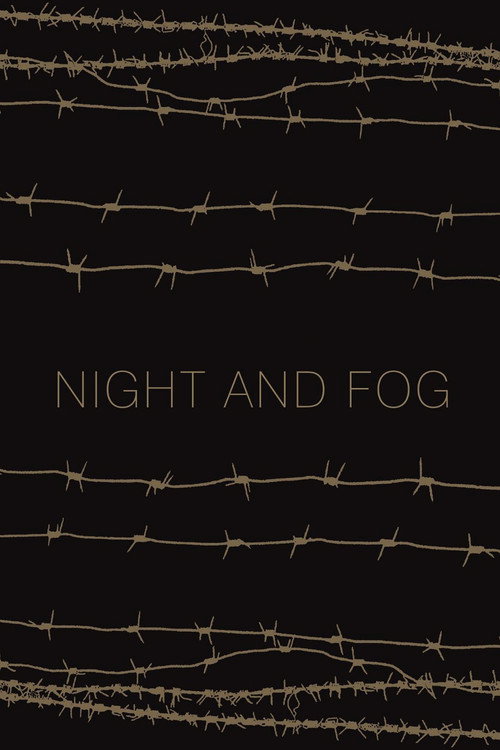
Night and Fog1956
Alain Resnais' 32-minute poem moves between present-day Auschwitz and archival footage to ask what remains and what we owe to memory. Restrained but devastating—a template for Holocaust documentaries.
But Its brevity and abstraction can feel distant. The formal beauty, intentional as it is, occasionally overwhelms rather than grounds the subject.
Not sure tonight? Get a pick in a minute, starting from Who Will Write Our History?
The wildcard
Something you would not have found on your own.
Four Rooms1995
Both grapple with how to represent Warsaw's Jewish history when the archive is fragmentary and the witnesses are gone. Both refuse easy narrative closure.
A vastly underrated experimental film where Chantal Akerman stages historical reconstruction, archive footage, and testimony about the Warsaw Uprising. It's fragmentary and challenging—totally uncompromising in how it handles archival rupture.
But Akerman's avant-garde approach will feel needlessly difficult if you want clarity. It requires active, uncertain viewing; there is no comfortable seat here.
More like this (7)
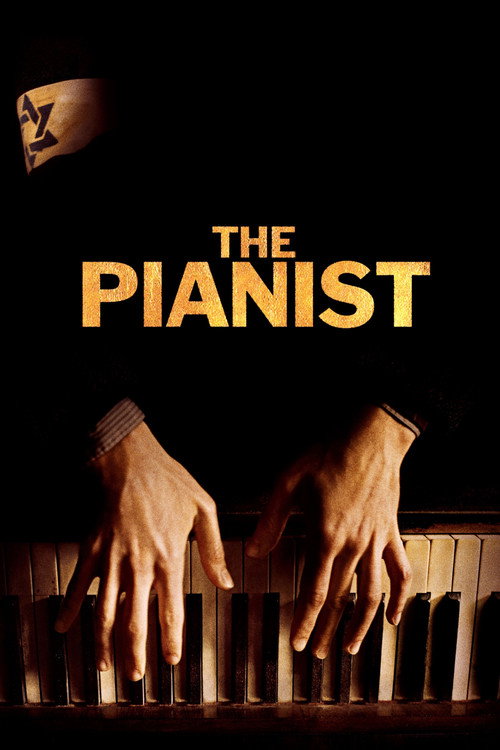
The Pianist2002
Polanski's adaptation of Szpilman's memoir shows the Warsaw Ghetto from inside—the daily horror, the collaborations, the moments of grace. Acted and shot with terrible clarity.
But It tracks one man's survival rather than collective history. Some find the film's focus on an exceptional figure lets it avoid harder questions about complicity.
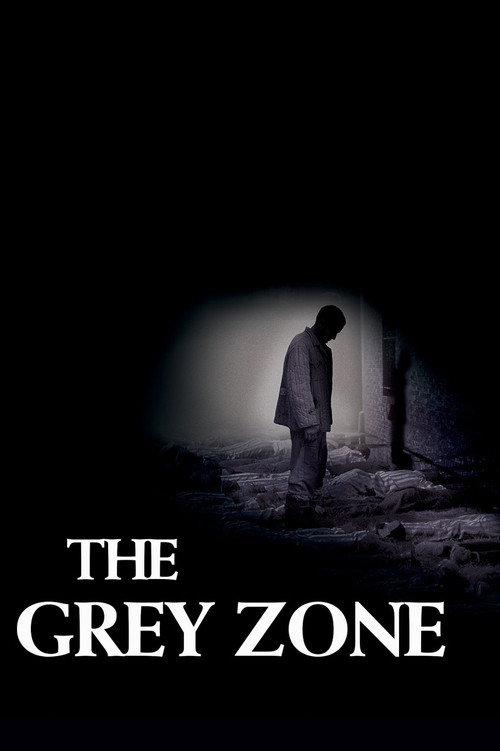
The Grey Zone2001
Tim Blake Nelson's film about the Sonderkommando—Jewish prisoners forced to dispose of bodies—examines moral compromise in extremis. Bracingly honest about impossible choices.
But It's bleak and sometimes slow. The film refuses catharsis, which some find punishing rather than clarifying.
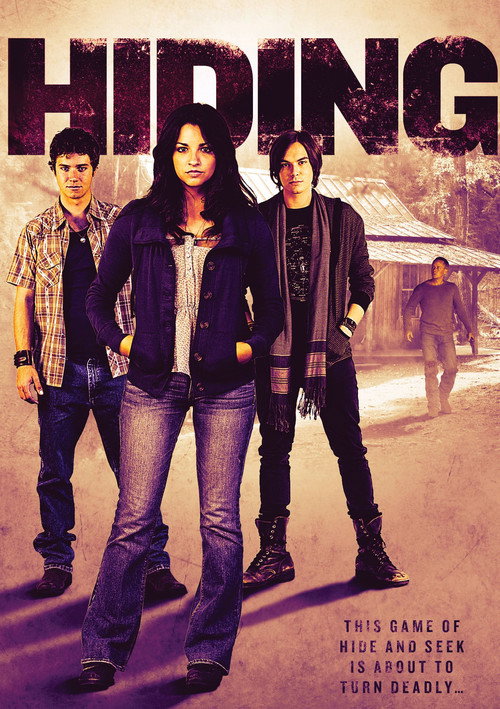
Hiding2012
This Showtime film tells a true story of a Polish woman hiding a Jewish boy. It's intimate and tender without being sentimental, and it restores the humanity of both the hidden and the hider.
But Its gentleness can feel inadequate to the scale of the Holocaust. Some want more rigour and less domestic warmth.
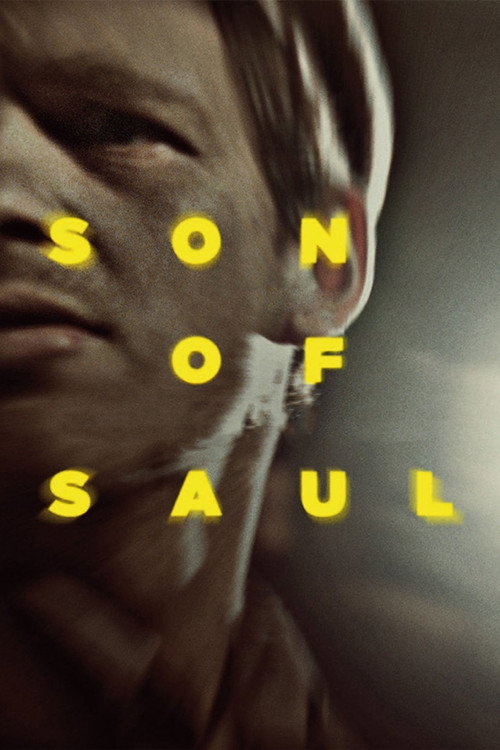
Son of Saul2015
László Nemes' debut follows a Sonderkommando for one day in Auschwitz, filmed so close and tight you feel the suffocation. A masterpiece of form meeting unbearable content.
But Its formal constraint—fixed close-ups, Hungarian dialogue, minimal score—takes patience to unlock. The subject matter is maximally disturbing.
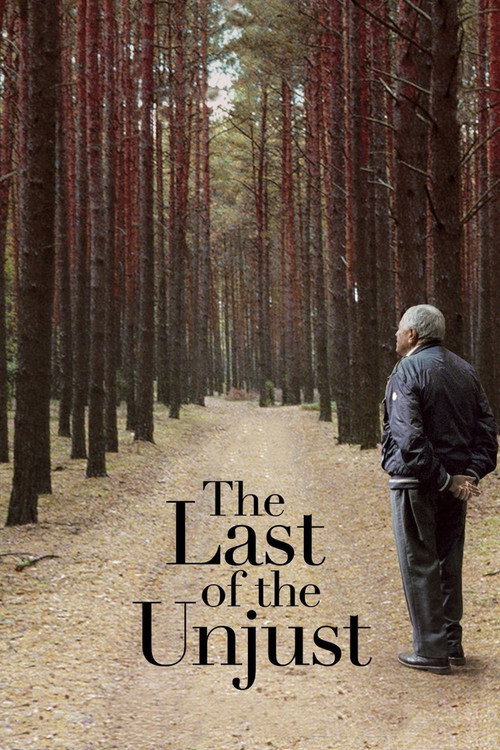
The Last of the Unjust2013
Claude Lanzmann's final film profiles Benjamin Murmelstein, the last Elder of the Theresienstadt ghetto. It's a dialogue between filmmaker and subject about complicity, survival, and judgment.
But It's three-and-a-half hours of mostly talking heads. Lanzmann doesn't make easy judgments, which some find evasive.
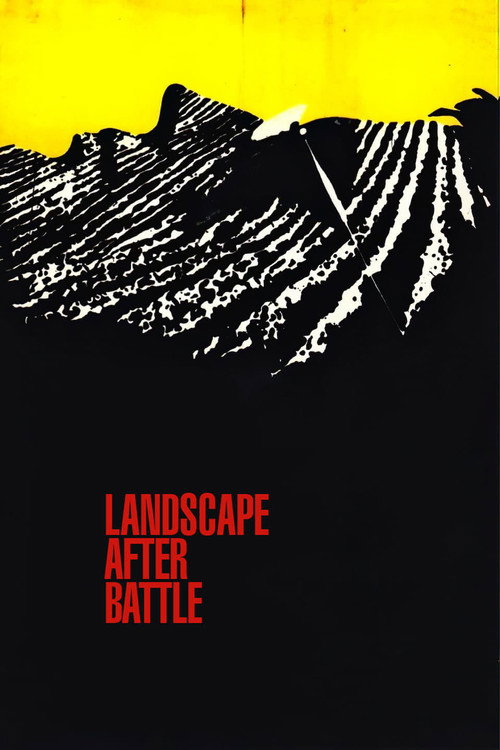
Landscape After Battle1970
Andrzej Wajda's film, made just 25 years after liberation, follows a Soviet soldier and a liberated prisoner navigating the ruins of Poland. It's formally restless and emotionally jagged—history still raw.
But Its focus on aftermath rather than atrocity makes the war feel distant. The Polish-Soviet dynamic can be difficult to parse for those unfamiliar with postwar politics.
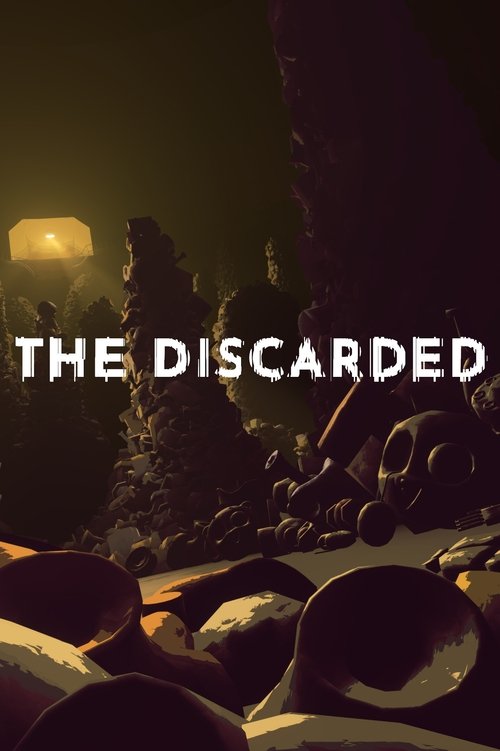
The Discarded2023
Both films centre the labour of historians as a form of moral witness; both show how documentation and burial sites become the only voices left when the living are gone.
A recent Turkish-German co-production about historians excavating mass graves in Istanbul, searching for remains of Ottoman Armenians. It's formally inventive—mixing dramatisation, interviews, and scientific process—to ask how we recover erased histories.
But It's very new and less widely available. Its pace is glacial and meditative, built for archive work rather than narrative drama.
People
Cast
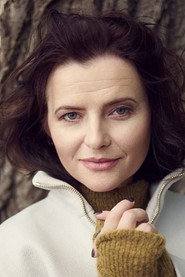 Jowita BudnikRachela Auerbach
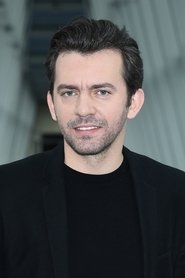 Piotr GłowackiEmanuel Ringelblum
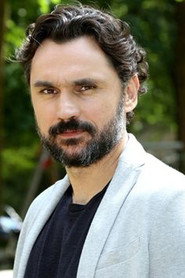 Piotr JankowskiHersz Wasser
 Wojciech ZielińskiAbraham Lewin
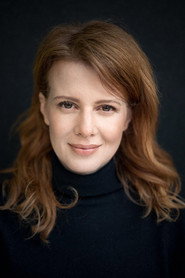 Karolina GruszkaJudyta Ringelblum
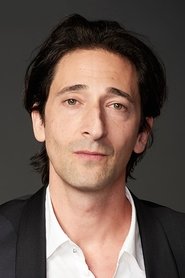 Adrien BrodyEmanuel Ringelblum (voice)
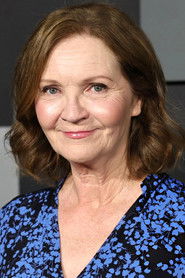 Joan AllenRachela Auerbach (voice)
 David AmitoPeretz Opachinski (voice)
- Jess KellnerLejb Goldin (voice)
 Zachary MoorenAbraham Lewin (voice)
Directing
- Agnieszka KrawczyńskaAssistant Director
- Paulina AlbiniakAssistant Director
- Roberta GrossmanDirector
- Chris CallisterSecond Unit Director
Writing
- Samuel KassowBook
- Roberta GrossmanScreenplay
Production
- Piotr BartuszekCasting
- July HodaraCo-Producer
- Tarik HachoudCo-Producer
- Al BergExecutive Producer
- Anna RóżalskaExecutive Producer
- Mirit EisenExecutive Producer
- Nancy SpielbergExecutive Producer
- Ori EisenExecutive Producer
- Philippa KowarskyExecutive Producer
- Ronald LauderExecutive Producer
- Pavlína ŽipkováLine Producer
- Roberta GrossmanProducer
- Bogna Szewczyk-SkupieńProduction Coordinator
- Tomasz MorawskiProduction Manager