
Film
Remember the Day
- Drama
- Slow-burning
A 1941 wartime drama where an elderly schoolteacher recognizes a presidential nominee as her former student, triggering memories of 1916 and the romance that shaped her life. It's tender and reflective, less interested in plot mechanics than in how the past haunts the present. For anyone drawn to intimate character studies and the weight of roads not taken.
If you liked this
The Best Years of Our Lives1946
Three veterans return home after WWII, and we watch them struggle to reconnect with civilian life and the people they love. It's patient, beautifully acted, and understands that coming home is harder than leaving.
But It's nearly three and a half hours long, and the pacing is deliberate—there's no plot twist to jolt you awake if your attention flags.

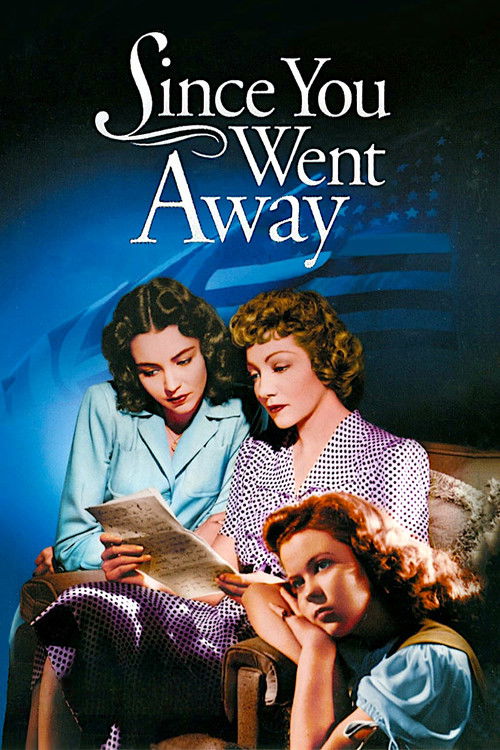
Since You Went Away1944
Claudette Colbert again, anchoring a wartime home-front drama about a wife and daughters learning to live without the men they love. It's emotionally intelligent and never condescending about domestic sacrifice.
But The sentimentality can tip into melodrama, and some of the subplots feel like they're from a different, lighter film.
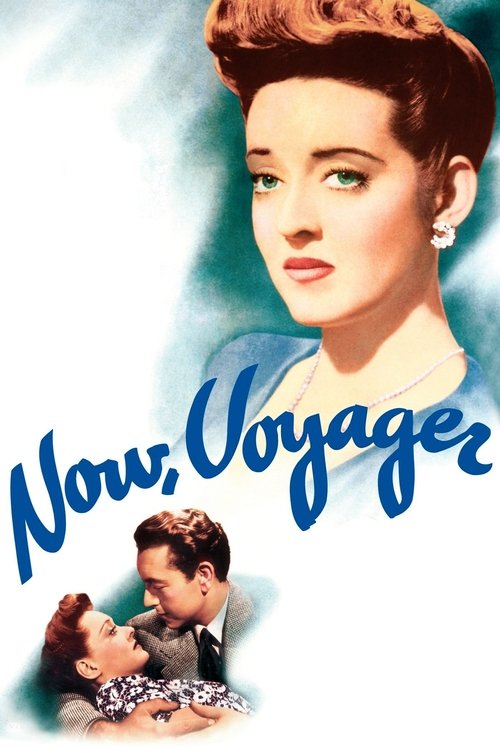
Now, Voyager1942
Bette Davis transforms from dowdy daughter to confident woman, traveling the world and finding love. It's about self-discovery and choosing your own life—thrilling and deeply romantic without needing a traditional ending.
But The Freudian psychology feels very much of its time, and the mother-daughter dynamic is actively suffocating to watch.
Not sure tonight? Get a pick in a minute, starting from Remember the Day
The wildcard
Something you would not have found on your own.
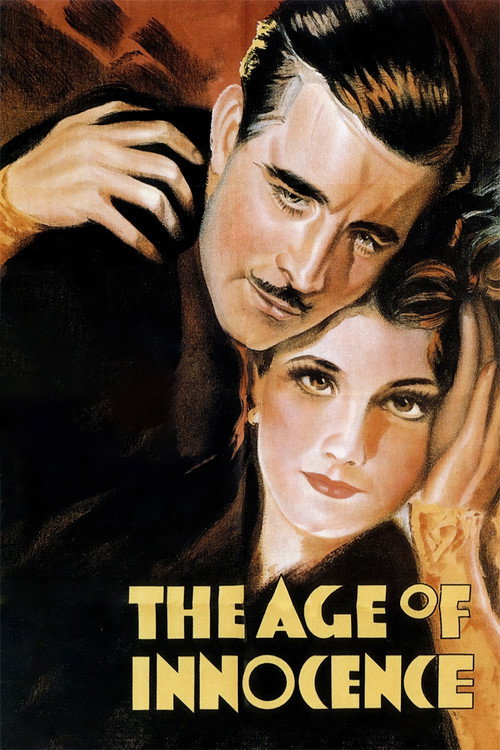
The Age of Innocence1934
Both films return to an earlier era through an older character's memory, examining how circumstance and duty override desire. Both are less about what happened than what it cost.
A banker from the Midwest recalls his love for a divorced woman in 1880s New York society. It's austere and melancholic, more interested in what's left unsaid than what's acted upon. The same architecture of memory and sacrifice, but sharper.
But It's very slow and very cold—even the love scenes feel distant. If you want warmth from your romance, this isn't it.
More like this (8)
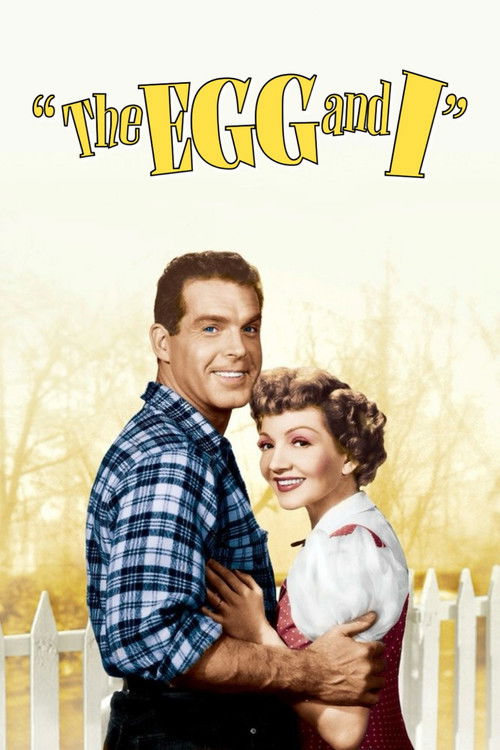
The Egg and I1947
Claudette Colbert again, this time as a woman adjusting to pioneer life with a difficult husband in the Pacific Northwest. It's funny, frustrating, and oddly touching about compromise and finding your place.
But It's gentler and more comedic than you might expect, which some will find refreshing and others will find too slight.
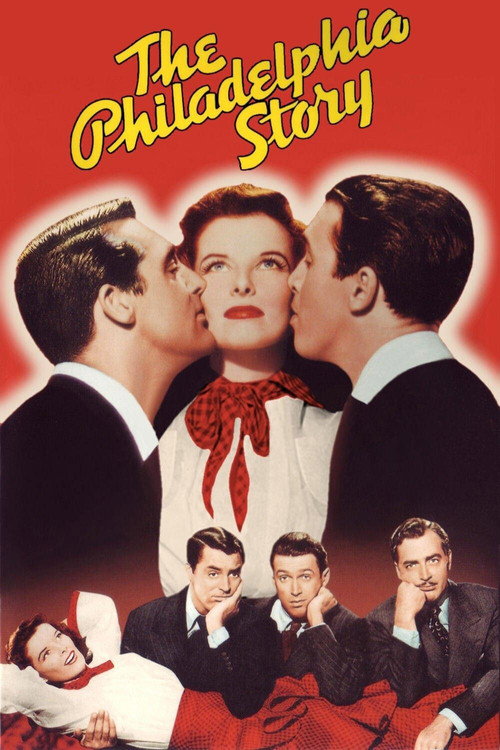
The Philadelphia Story1940
Cary Grant, Katharine Hepburn, and James Stewart in a sparkling, intelligent romance where everyone gets smarter as the film goes on. It's about second chances and knowing what you actually want.
But The pace is rapid-fire and the dialogue overlaps constantly—you have to keep up or you'll miss the jokes.
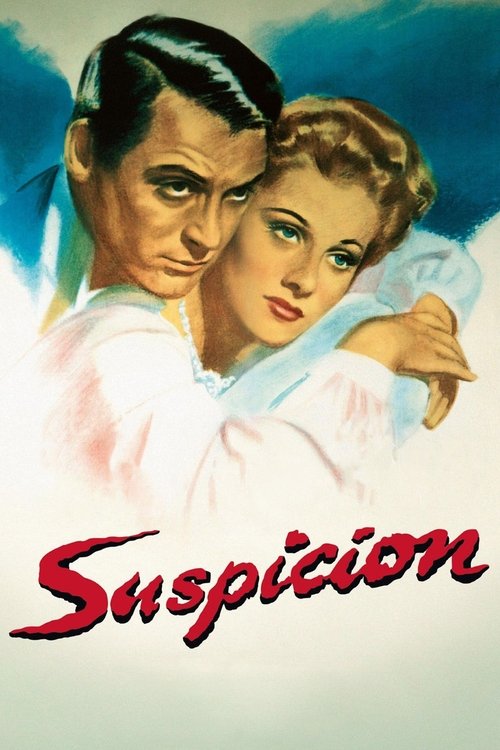
Suspicion1941
Cary Grant and Joan Fontaine in a psychological thriller where you're never sure if he's a romantic or a murderer. It's tense, beautifully shot, and Grant against type is endlessly compelling.
But The ending feels like a compromise with the studio, and some viewers find it undermines the suspense you've been living with.
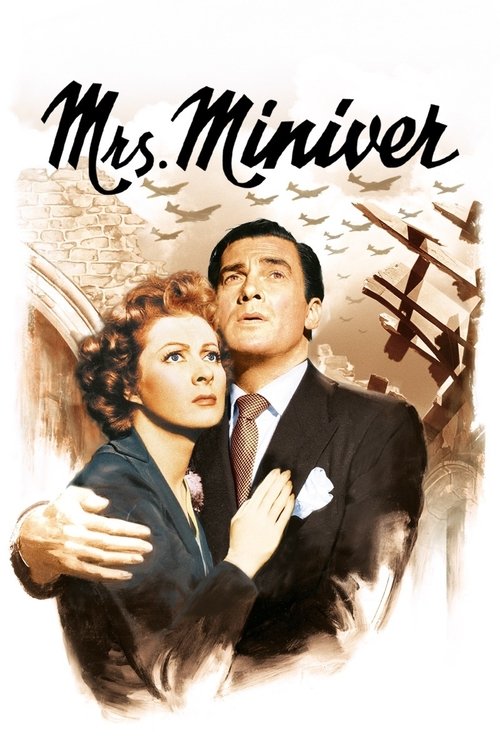
Mrs. Miniver1942
An English family endures the Blitz with quiet courage and dry humor. It's sentimental without being false, and it captures how ordinary people find strength in catastrophe.
But It won Best Picture, which means some view it as overrated now. It can also feel like propaganda if you're in the mood to resist it.
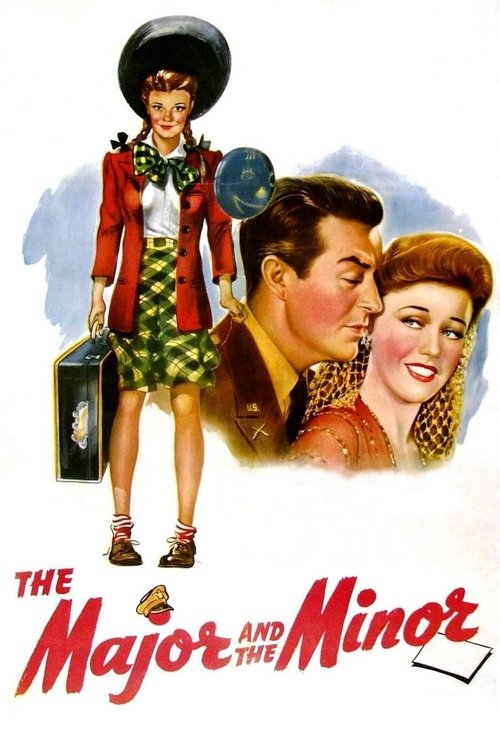
The Major and the Minor1942
Ginger Rogers disguises herself as a child to travel on a discount train ticket, and Ray Milland can't figure out why he's attracted to her. It's absurd and charming, both funny and unexpectedly tender.
But The premise is creepy by modern standards no matter how innocent the film plays it, and that discomfort never quite goes away.
The Bells of St. Mary's1945
Bing Crosby and Ingrid Bergman as a priest and nun trying to save a Catholic school. It's sentimental and earnest, with genuine warmth and an underrated chemistry between the leads.
But It relies entirely on faith in institutional goodness—if that doesn't resonate with you, nothing in it will move you.

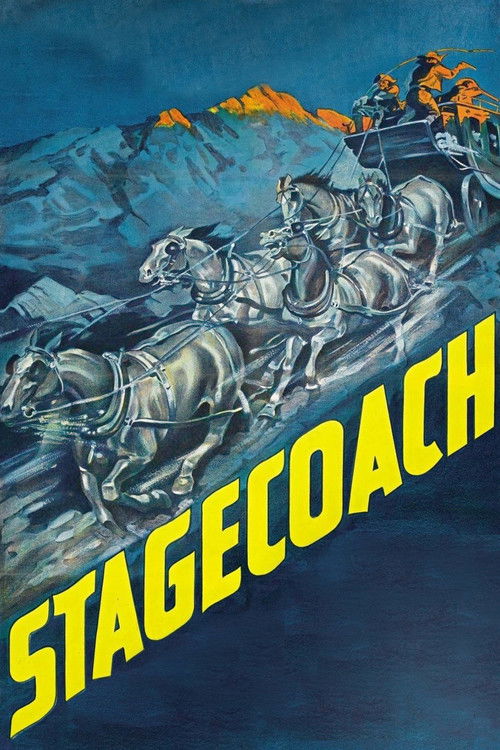
Stagecoach1939
Like Remember the Day, it's structured around encounters that unlock memory and reassess character. Both understand that proximity forces honesty, and that strangers often know us better than we know ourselves.
John Ford's masterpiece: nine strangers thrown together on a stagecoach journey through dangerous country, forced to see each other honestly. It's gripping, funny, and unexpectedly moral about who deserves judgment.
But It's a Western, which might not feel relevant to a gentle 1941 drama, and the pacing can seem abrupt if you're not accustomed to Ford's style.
Synecdoche, New York2008
Both films are about recognizing that your life is not the one you rehearsed. The connection isn't in style—it's in the reversal of time as a healing thing. Memory is neither comfort nor prison in either film; it's a stranger you meet at the end and have to account for.
Philip Seymour Hoffman's aging theater director conflates his art with his life until the boundaries dissolve completely. It's fractured and bewildering, but it's the closest modern cinema has come to capturing how memory actually works—nonlinear, obsessive, unreliable.
But It's deliberately incoherent and demands you sit with confusion. Some will find it pretentious; it will feel like a waste to anyone seeking clarity or resolution.

People
Cast
 Claudette ColbertNora Trinell
 John PayneDan Hopkins
 Shepperd StrudwickDewey Roberts
 Ann E. ToddKate Hill
 Douglas CroftDewey Roberts as a boy
- Jane SeymourMrs. Roberts
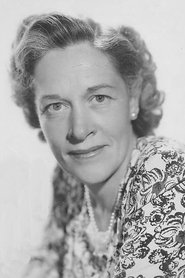 Anne RevereMiss Nadine Price
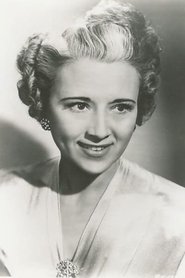 Bess FlowersLady in Political Entourage
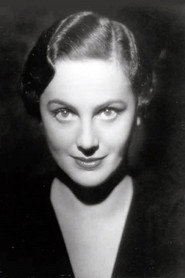 Frieda InescortMrs. Dewey Roberts
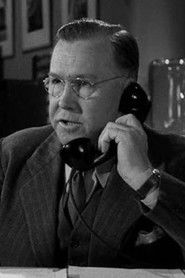 Harry HaydenMr. Roberts
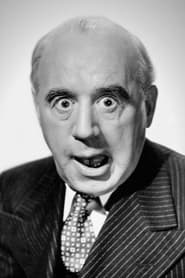 Francis PierlotMr. Steele
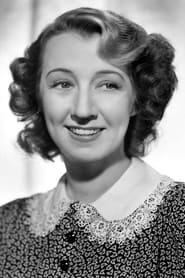 Marie BlakeMiss Cartwright
Directing
- Henry KingDirector
Writing
- Allan ScottScreenplay
- Frank DavisScreenplay
- Tess SlesingerScreenplay
- Philip DunningTheatre Play
- Philo HigleyTheatre Play