
Film
Since You Went Away
A 1944 wartime drama following a Midwestern family navigating absence and upheaval when the father leaves for war. Nearly three hours of genuine domestic struggle—not about combat, but about holding things together at home. Claudette Colbert anchors it with quiet authority. For anyone drawn to character-driven stories about ordinary people in extraordinary circumstances.
Should you watch it?
Watch it if you love slow, warm home-front dramas where the big emotions come through small domestic routines, rationing, boarders at the table and letters that arrive too rarely.
Skip it if you want a tight plot or a brisk pace, since at nearly three hours with a lot of wandering domestic detail, patience is the price of admission.
What it asks of you: It asks for a long sitting and an unhurried attention to ordinary days, with sentiment that runs openly and never really lets up, so settle in before pressing play.
Not sure? Find tonight's pick in a minute.
If you liked this
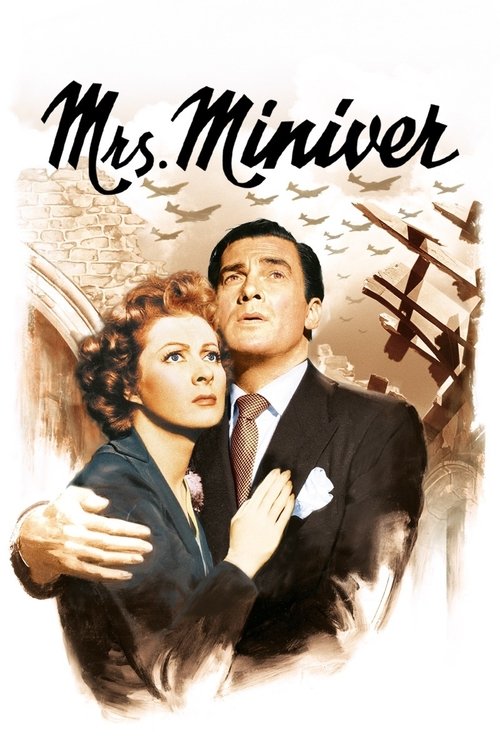
Mrs. Miniver1942
The spiritual predecessor to this film: a British family enduring wartime with grace and resilience. Similar emphasis on the strength found in quiet domestic life rather than battlefield heroics.
But The sentimentality can feel thick, and the pacing is leisurely by modern standards. Some of the messaging feels like propaganda now.
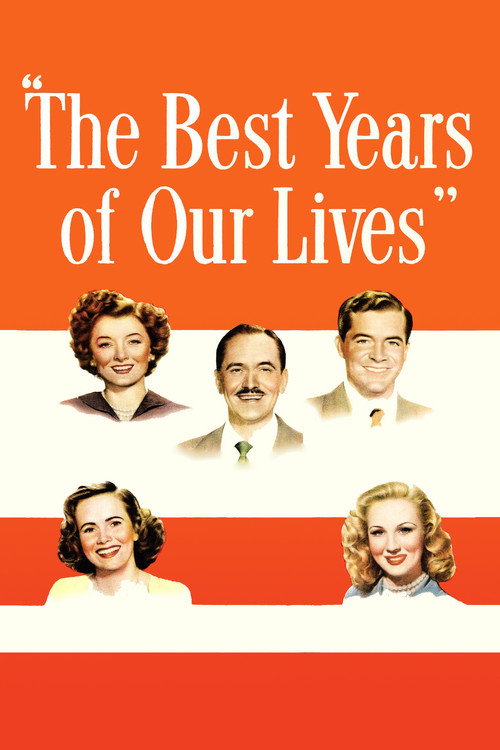
The Best Years of Our Lives1946
A masterwork about returning soldiers adjusting to home life. Shares that documentary-like intimacy with how war reshapes the everyday, plus stellar ensemble acting and genuine emotional depth.
But It's nearly four hours. The domestic realism can feel slow if you're looking for narrative momentum or clear conflict.
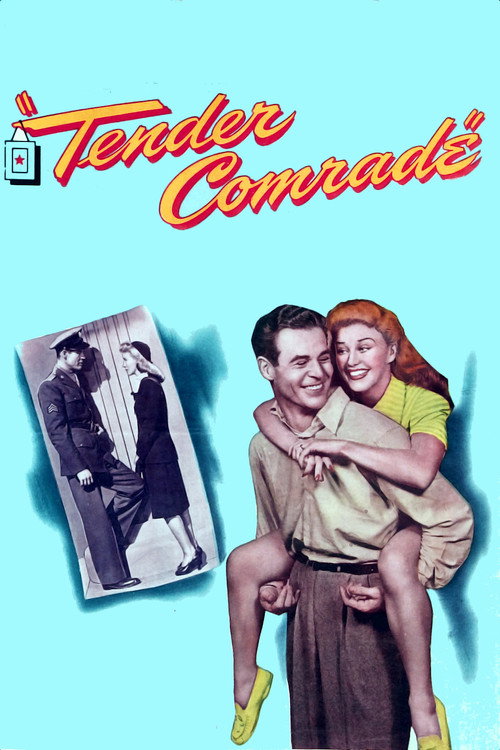
Tender Comrade1944
Ginger Rogers leads a group of wives managing wartime separation together. Same emotional territory and period, with interesting variations on how different families cope with the same crisis.
But It's rougher technically than Since You Went Away, and some plot elements feel dated or contrived by comparison.
Not sure tonight? Get a pick in a minute, starting from Since You Went Away
The wildcard
Something you would not have found on your own.
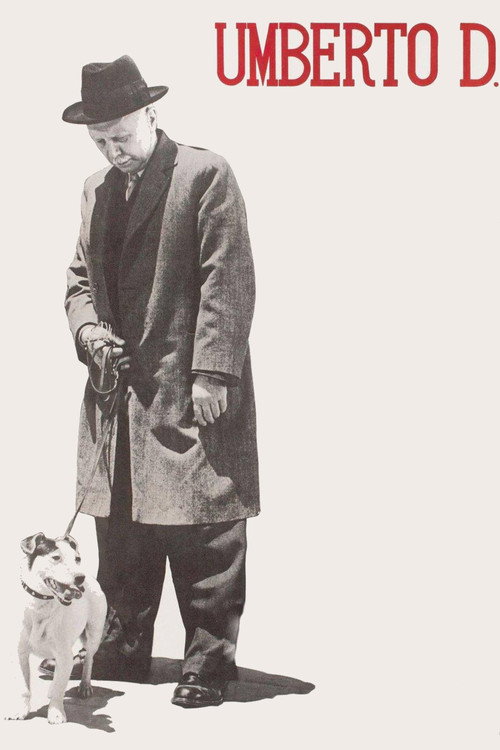
Umberto D.1952
Both films trust that the audience will care deeply about people facing quiet crises. Neither needs spectacle or plot contrivance; the drama lives in routine and small choices. Both are about holding on.
An elderly pensioner in postwar Rome tries to avoid eviction. Neorealist filmmaking that finds profound dignity in small domestic rituals and the everyday struggle to maintain dignity. Same emotional honesty about ordinary people in difficult times, but stripped of sentimentality and nearly documentary in its precision.
But It's slow, unglamorous, and ends without resolution. The poverty depicted is genuine and sometimes uncomfortable. Italian with subtitles.
More like this (8)
The Egg and I1947
Claudette Colbert again, this time adapting to rural life after marriage. Different genre—comedy-drama hybrid—but the same warmth and Colbert's ability to ground a film in authentic female experience.
But The tone is lighter and more playful, which means less of the gravitas and introspection you might be seeking.

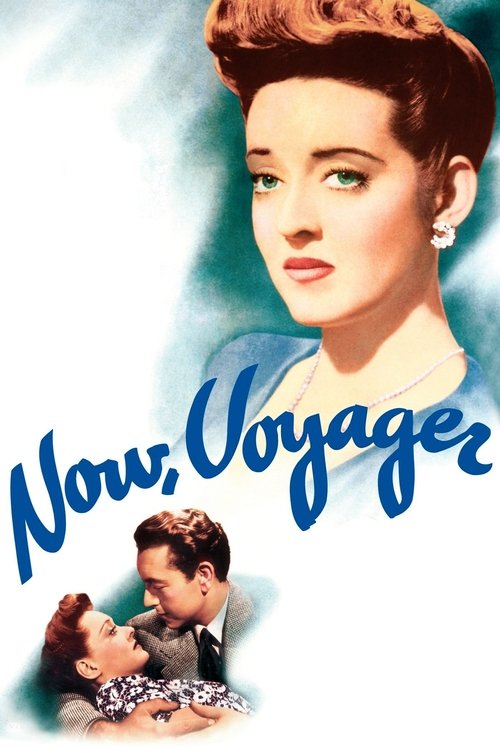
Now, Voyager1942
Bette Davis in a character-driven drama about a woman finding agency and purpose. Similar attention to interior emotional lives and the small moments that define a life.
But It's a romance at heart, and if that's not your thing, the melodrama can feel overwrought.
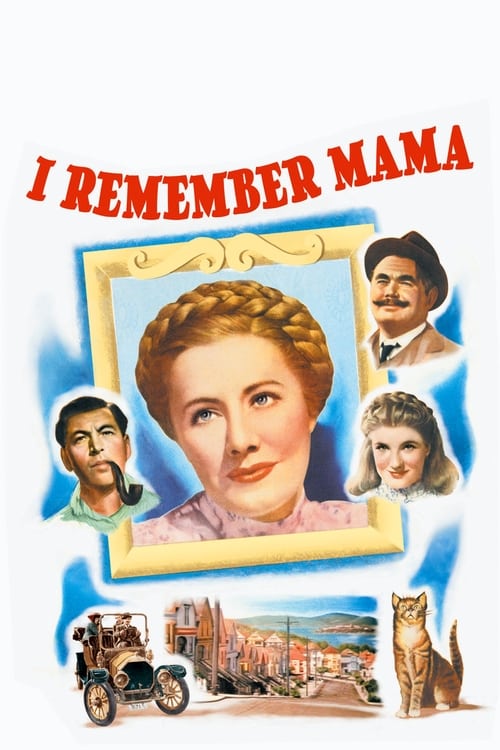
I Remember Mama1948
Irene Dunne as the anchor of a Scandinavian immigrant family. Episodic, warm, deeply felt—it has the same reverence for how mothers hold families together through ordinary difficulties.
But It's episodic to the point of feeling slight. The nostalgia can tip into sentimentality if you're not in the mood.
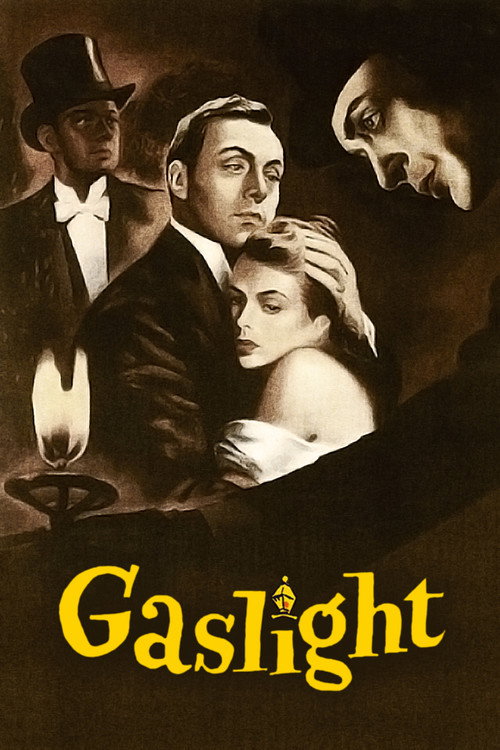
Gaslight1944
Also 1944; Ingrid Bergman in an intimate two-hander about marriage and trust. The same year's proof that wartime drama didn't have to be about separation—it could be about psychological vulnerability.
But It's a thriller with gothic elements, so the tone and subject matter are quite different. Not for anyone wanting another family drama.
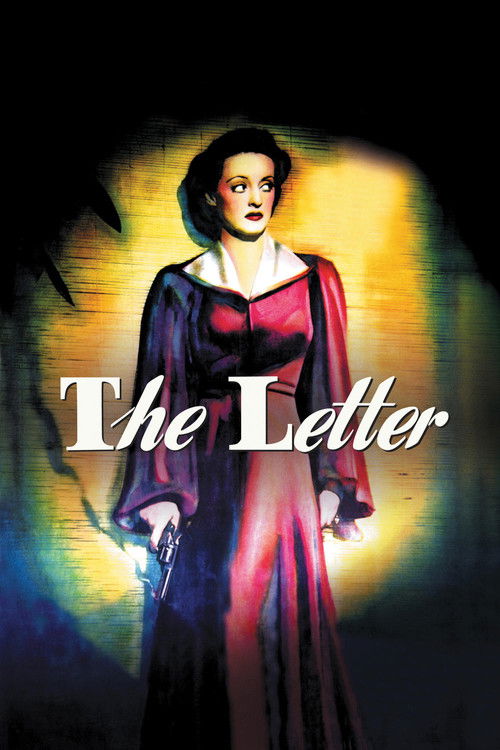
The Letter1940
Bette Davis in a tense melodrama about secrets within marriage. A darker take on the same era and emotional stakes—what happens when family surfaces can't hold the weight underneath.
But This is noir-ish and cynical about relationships, the opposite of Since You Went Away's earnestness. Some may find it cold.
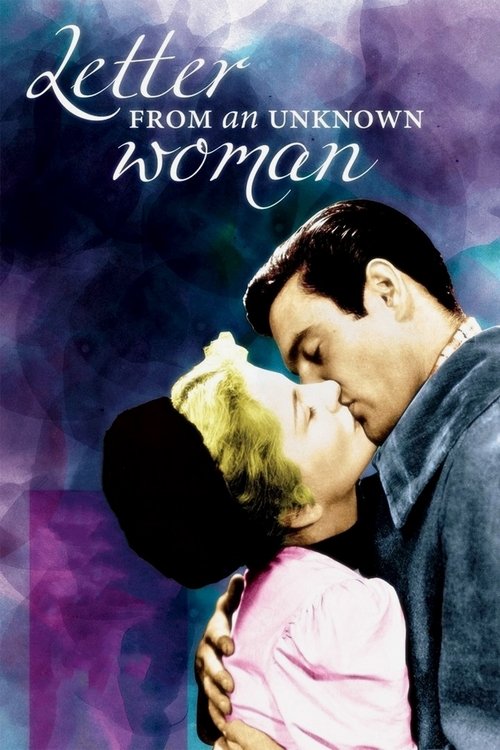
Letter from an Unknown Woman1948
A woman's life shaped entirely by her love for one man, told in flashback. Explores devotion and sacrifice with Ophüls' visual poetry. Similar obsession with the interior emotional lives of women.
But It's fatalistic and sad in ways that might feel punishing. The romanticism of female sacrifice could feel dated or troubling.
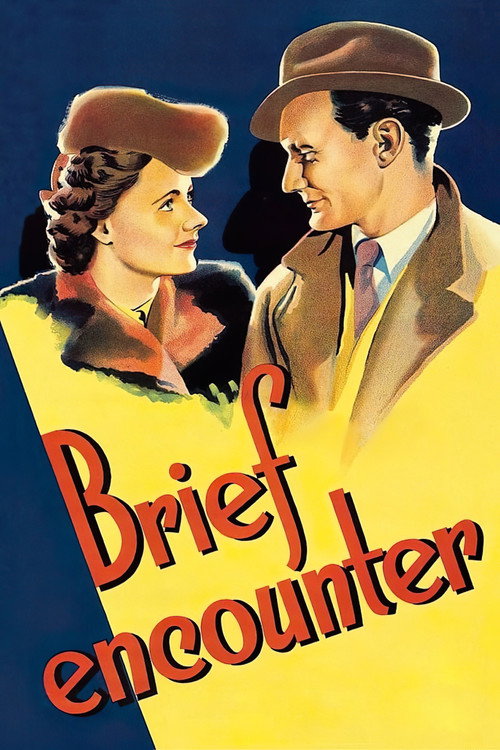
Brief Encounter1945
Both films understand that wartime (and life) is lived in the spaces between major events—the waiting, the letters, the small betrayals and kindnesses. Both celebrate the nobility of people choosing duty over happiness without making it look like victory.
Two strangers meet by chance and form a connection they can never fully pursue, set against the machinery of ordinary British life. Coward's masterpiece about restraint and roads not taken. Staggeringly moving without a single explosive scene.
But It's achingly sad and deliberately underplayed. If you need catharsis or resolution, this will frustrate you. Black and white, subtly paced.
Come and See1985
Where Since You Went Away shows war's impact from the home front with quiet dignity, Come and See shows it from the front lines with unflinching brutality. Together they sketch the full circle of what war actually costs. Both refuse to let the viewer hide from the human price.
A Soviet film about a teenage boy conscripted into war on the Eastern Front. A devastating portrait of innocence destroyed by historical forces. The opposite register from Since You Went Away, but asking the same question: what does war do to ordinary life and ordinary people?
But This is not a film for comfort. It's brutal, graphic, and emotionally annihilating. One of the most difficult films ever made. Russian with subtitles.

People
Cast
 Claudette ColbertAnne Hilton
 Jennifer JonesJane Hilton
 Joseph CottenTony Willett
 Shirley TempleBridget Hilton
 Monty WoolleyWilliam Smollett
 Lionel BarrymoreClergyman
 Robert WalkerBill Smollett
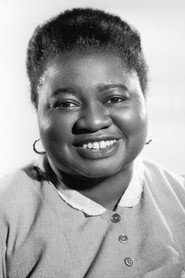 Hattie McDanielFidelia
 Agnes MooreheadEmily Hawkins
 Alla NazimovaZofia Koslowska
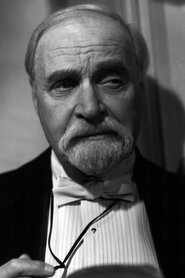 Albert BassermannSigmund Golden
 Gordon OliverMarine Officer Seeking Room
Directing
- Lowell J. FarrellAssistant Director
- John CromwellDirector
Writing
- Margaret Buell WilderBook
- David O. SelznickScreenplay
Production
- David O. SelznickProducer
Recommended by
So Proudly We Hail, The Fighting Sullivans, Tender Comrade, Cry 'Havoc', Keep Your Powder Dry, The Littlest Rebel, Winged Victory, I'll Be Seeing You, Sunday Dinner for a Soldier, Swing Shift, Remember the Day, The Human Comedy, Music for Millions, Interrupted Melody, Women in War, The White Cliffs of Dover