
Film
I'll Be Seeing You
A 1944 wartime romance between a convict on Christmas furlough and a shell-shocked soldier recovering in a military hospital. Shot through with genuine melancholy beneath the seasonal warmth, it takes emotional damage seriously—neither character is healed, both are learning to live with what they've endured. For anyone who loves grown-up romance that doesn't pretend everything ends happily.
If you liked this
The Best Years of Our Lives1946
Three returning servicemen struggle to readjust to civilian life after World War II. A sweeping, humane epic that understands trauma without sentimentality, and how love rebuilds broken people.
But It's nearly three and a half hours long, and the pacing is deliberate. The emotional weight can feel heavy if you're looking for lighter fare.

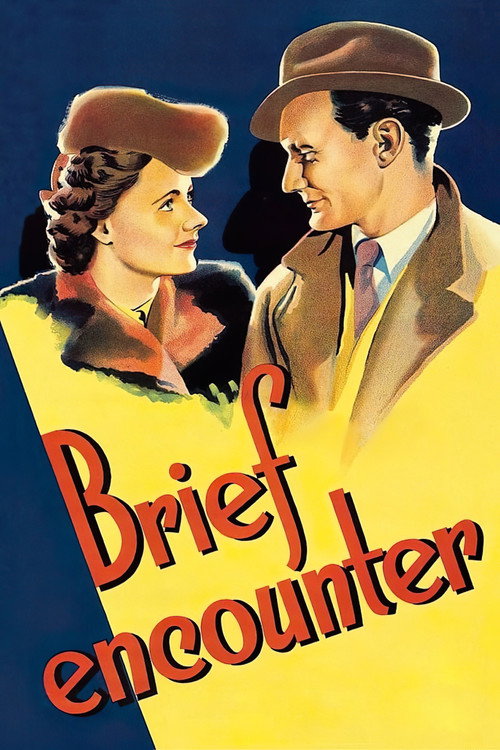
Brief Encounter1945
Two married strangers meet by chance and fall into an impossible love. A masterpiece of restraint and longing, shot through with the bittersweet knowledge that some connections can't be pursued.
But It's restrained to the point of invisibility if you're used to modern romance. The emotional drama happens almost entirely in glances and silences.
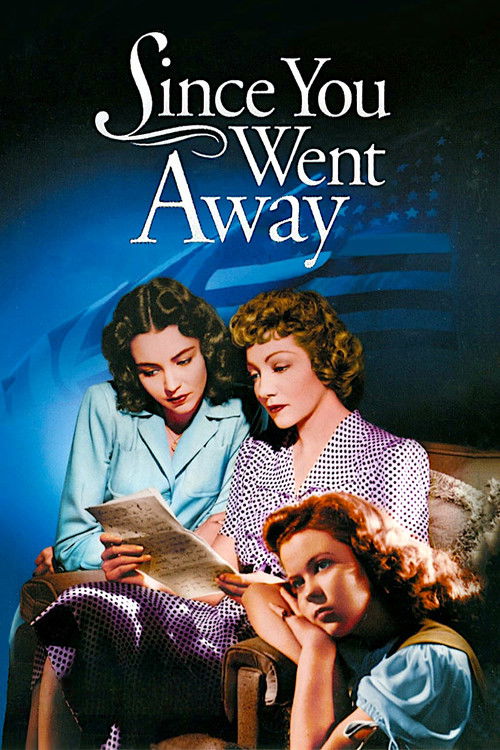
Since You Went Away1944
A wartime drama about a woman and her daughters navigating love, loss, and uncertainty while the men they love are fighting overseas. Tender, honest about female experience during war, anchored by Claudette Colbert's warmth.
But It's sentimental by design, and the plot moves in expected directions. Some sequences feel more like propaganda than drama.
Not sure tonight? Get a pick in a minute, starting from I'll Be Seeing You
The wildcard
Something you would not have found on your own.
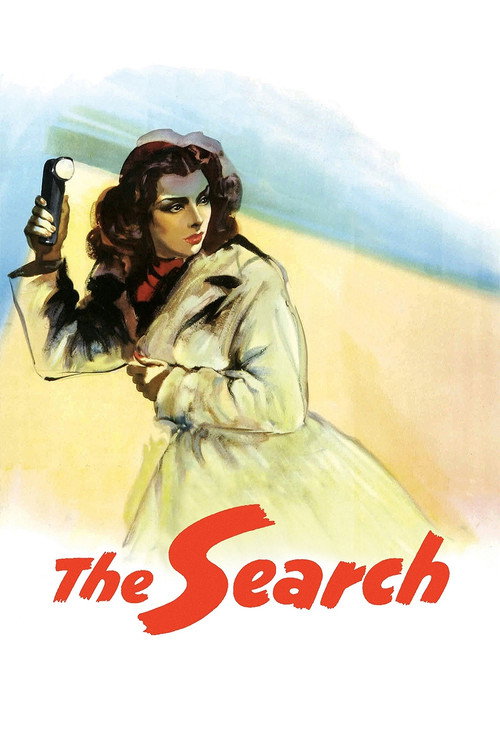
The Search1948
Both films insist that love happens between wounded people in damaged circumstances. Neither pretends healing is simple or that the past can be outrun; both argue that connection itself is the point.
Montgomery Clift and Jarmila Novotná navigate displaced persons camps and the wreckage of postwar Europe, finding connection amid rubble. Neorealist in approach, it captures the texture of survival in a way studio pictures rarely attempted—raw, location-shot, and genuinely moving.
But It's deliberately unglamorous and the pacing is slow. If you're watching for plot propulsion or escapism, the bleakness will exhaust you.
More like this (8)
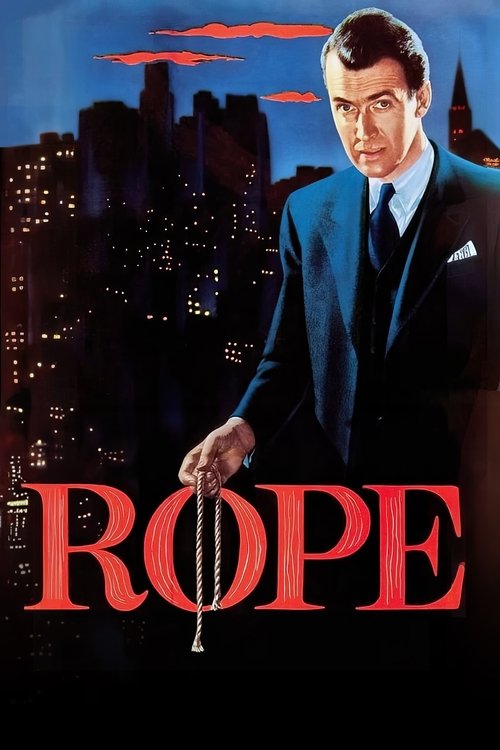
Rope1948
Two men commit a murder and host a dinner party the same evening with the body hidden nearby. Hitchcock's exploration of psychological damage and the cracks that form under pressure is wickedly smart and deeply unsettling.
But It's a confined space with a limited cast, told in real time. If you need plot momentum or exterior movement, this will frustrate you.
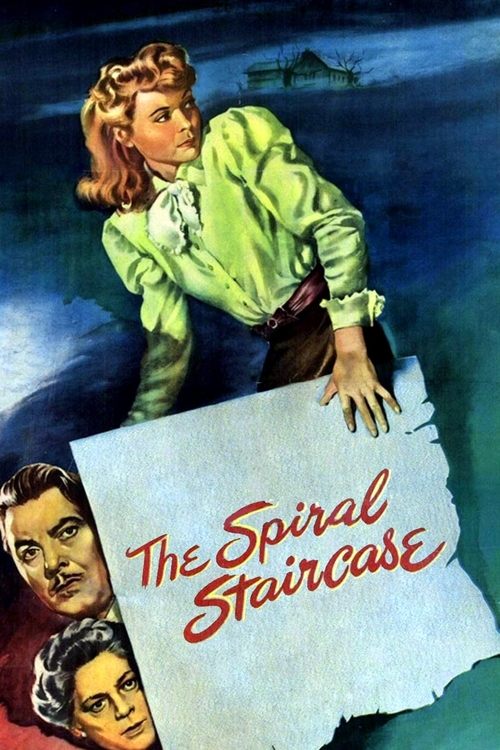
The Spiral Staircase1946
A mute woman trapped in a mansion with a serial killer. A proto-slasher that's genuinely terrifying, built on atmosphere and the vulnerability of someone who can't call for help.
But It's bleak and claustrophobic, with violence that feels unexpectedly brutal for 1946. The ending is ambiguous in a way some find unsatisfying.
Gilda1946
Rita Hayworth is a woman of mystery and danger in a film noir about desire, betrayal, and the impossibility of trust. Visually stunning, with a sexual tension that crackles across decades.
But The plot is thin and sometimes doesn't quite track. If you're watching for story coherence rather than atmosphere, you'll be disappointed.

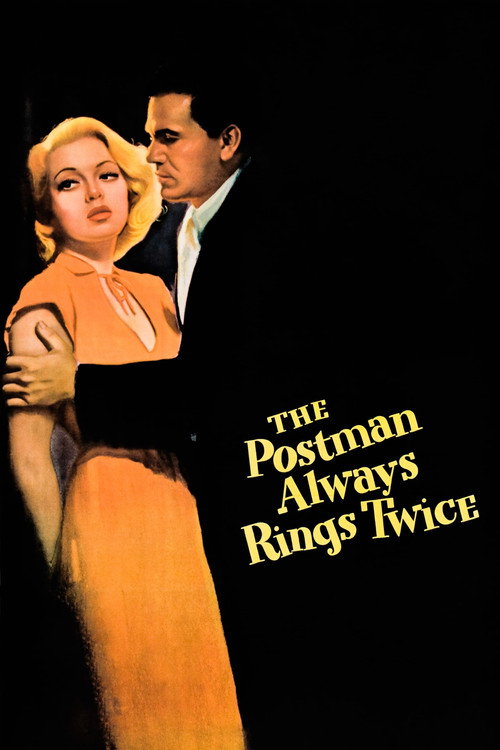
The Postman Always Rings Twice1946
Lana Turner and John Garfield are trapped in a doomed affair with murder at its heart. Steamy and morally murky, it captures the desperation of people who make terrible choices for the wrong reasons.
But It's sexually suggestive in ways that feel dated now, and the femme fatale tropes are thick. Some plot points strain credibility.
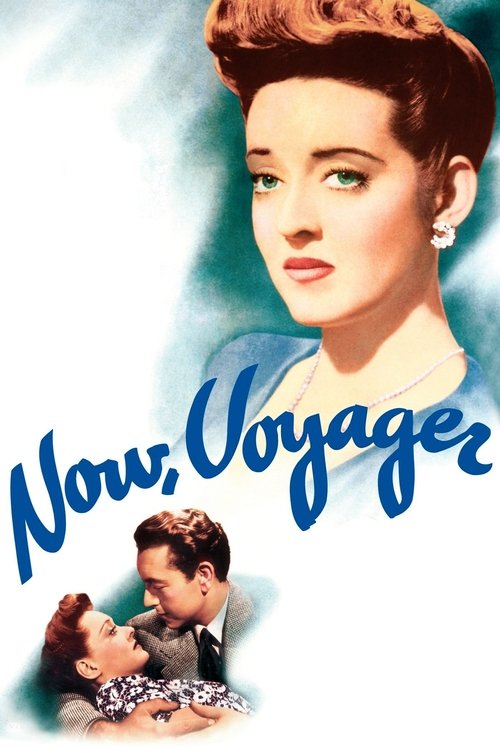
Now, Voyager1942
Bette Davis transforms from repressed spinster to confident woman, only to fall in love with a married man she can never have. A deeply romantic film about becoming yourself and the heartbreak of wrong timing.
But The plot hinges on accepting a fairly conventional ending. If you want your romance to be uncomplicated, this won't deliver.
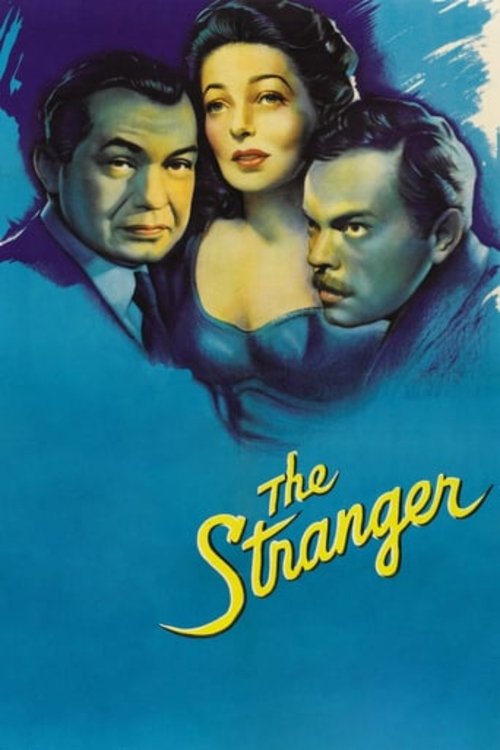
The Stranger1946
Orson Welles hunts a Nazi war criminal hiding in a small Connecticut town. A tense, paranoid thriller that explores how evil can hide in plain sight among ordinary people.
But The romance subplot feels tacked on and underdeveloped. The pacing is uneven, and some scenes veer into melodrama.
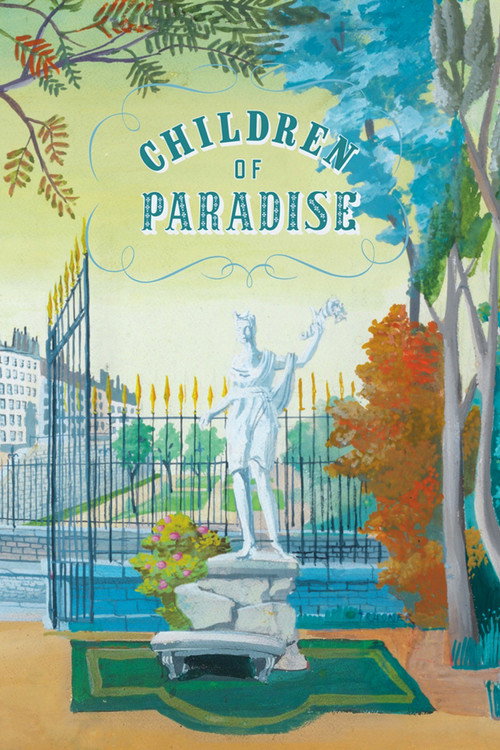
Children of Paradise1945
Like *I'll Be Seeing You*, it argues that the most real romance happens between people who can never fully have each other, and that the longing itself is what matters most.
A French masterpiece about theater, love, and performance in 19th-century Paris. Multiple love stories weave together in a film that understands the unbridgeable distance between people even when they're reaching for each other—longing is the whole architecture.
But It's French, subtitled, and over three hours long. The episodic structure and multiple narratives require patience and attention.
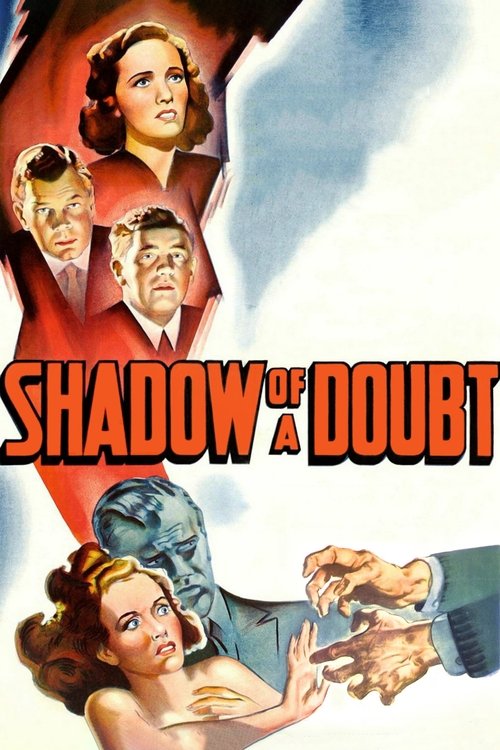
Shadow of a Doubt1943
Both films use the Christmas season and small-town safety as a veneer over psychological damage and secrets. Both are interested in how we decide whether to trust someone despite evidence we shouldn't.
A small American town discovers that the beloved uncle visiting for Christmas might be a serial killer. Hitchcock's exploration of how evil wears an ordinary face, and how trust shatters when we learn people aren't who we thought they were.
But The violence is subtle but the psychological implication is darker than most 1940s fare. Some viewers find the small-town Americana aesthetic cloying.
People
Cast
 Ginger RogersMary Marshall
 Joseph CottenZachary Morgan
 Shirley TempleBarbara Marshall
 Spring ByingtonMrs. Marshall
 Tom TullyMr. Marshall
 John DerekLieutenant Bruce
 Chill WillsSwanson
 Kenny BowersSailor on Train
 Gary GrayFranklin (uncredited)
 Eddie HallCharlie Hartman (uncredited)
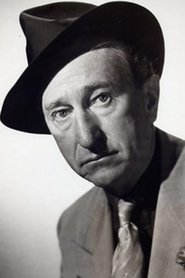 Olin HowlandTrain Vendor (uncredited)
- Dorothy StoneSaleslady (uncredited)