
Film
So Proudly We Hail
A 1943 Paramount wartime drama following US Army nurses trapped in the Philippines during the Japanese invasion. It balances frontline medical care with romance and female camaraderie, starring three of Hollywood's biggest stars of the era. Made during the war itself, it's both propaganda and genuine tribute to women in combat zones—sentimental but never trivial.
If you liked this
The Best Years of Our Lives1946
Post-war American drama that treats returning soldiers and their loved ones with the same emotional intelligence and restraint. William Wyler's direction gives weight to small moments of adjustment and belonging, just as this film does.
But It's three hours and slow by modern standards. The emotional register can feel muted if you're expecting conventional drama beats.

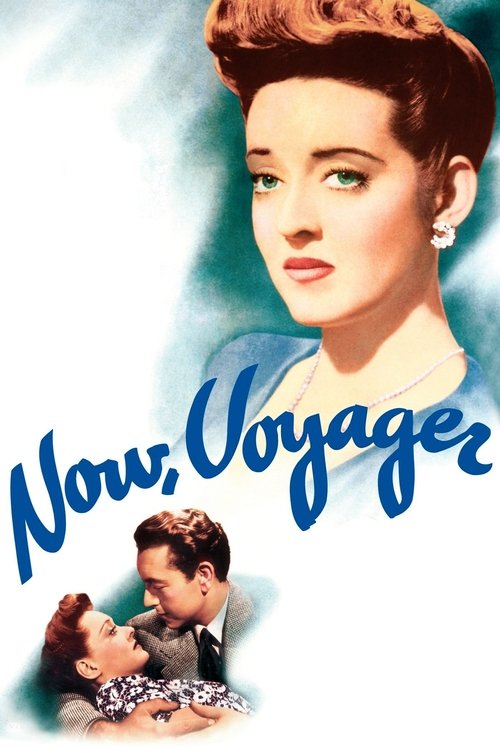
Now, Voyager1942
Bette Davis in a romantic wartime drama that similarly asks women to be brave while also allowing them desire, humour, and interior lives. The tone matches—urgent but never hysterical.
But The central romance is genteel to the point of restraint. If you want passion, look elsewhere.
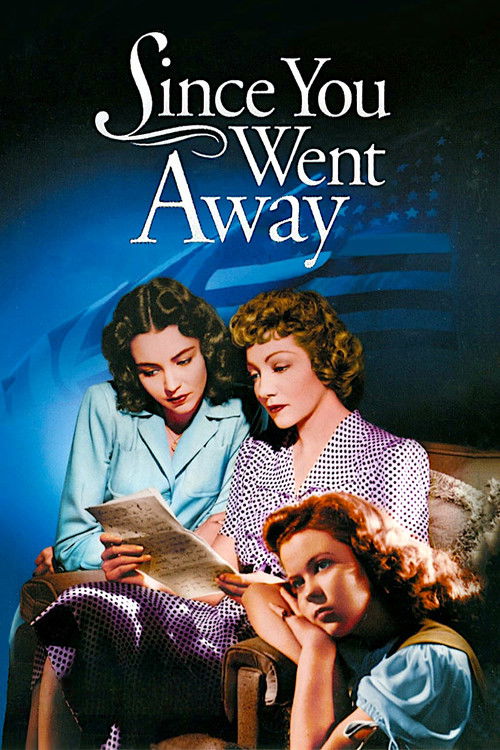
Since You Went Away1944
David O. Selznick's sweeping home-front drama with Claudette Colbert herself. It shares the same wartime episodic structure and commitment to showing women's work as worthy of drama.
But Nearly three hours of domestic earnestness. The sentimentality is thick; it won't work if you're in a cynical mood.
Not sure tonight? Get a pick in a minute, starting from So Proudly We Hail
The wildcard
Something you would not have found on your own.
Letter from an Unknown Woman1948
Both centre female interiority during wartime, but where So Proudly We Hail is collective and anchored in duty, this is singular and consumed by private longing. One shows women finding strength together; the other shows a woman destroyed by waiting alone.
Max Ophüls's masterpiece about female desire, longing, and the cost of romance—but filtered through memory, uncertainty, and the female gaze. Same stars-and-uniforms era but inverted: she watches him, not the reverse.
But It's formally experimental and emotionally oblique. If you want clarity or catharsis, you won't find it. The ending is heartbreaking without being comforting.

More like this (8)
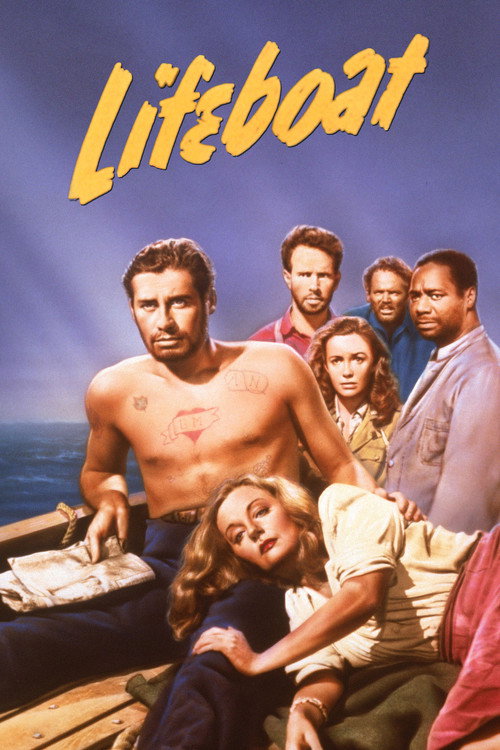
Lifeboat1944
Hitchcock's survival drama set entirely in one lifeboat, with an ensemble cast navigating confined space, danger, and moral complexity. The claustrophobia and character study will feel fresh.
But It's a chamber piece—no action sequences, lots of talk. The pacing is deliberate and can feel static.
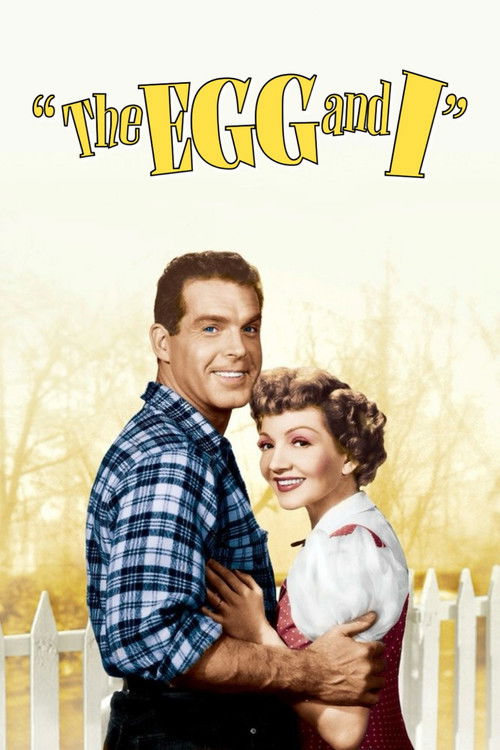
The Egg and I1947
Claudette Colbert again, in a gentler comedy-drama about women's lives and partnership. It has the same warmth and the same commitment to female characters' interior worlds.
But The screwball-comedy elements feel dated. The gender dynamics won't read as progressive by modern standards.
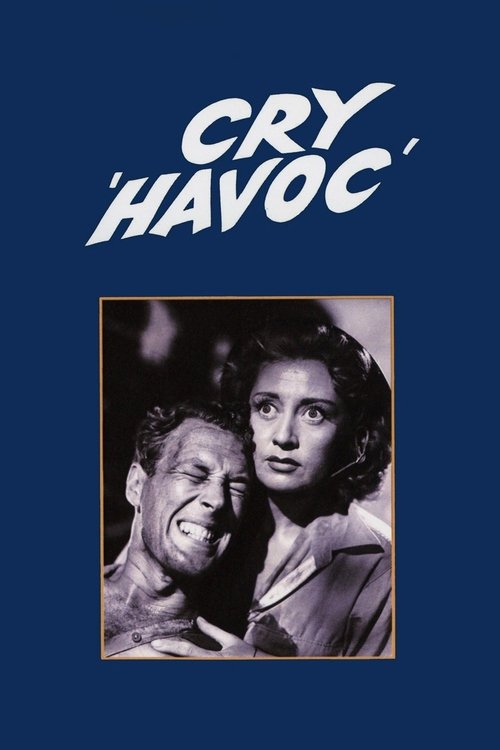
Cry 'Havoc'1943
Another 1943 MGM film about Army nurses in the Pacific, with an equally strong ensemble cast. Different studio, similar subject, different approach—worth comparing.
But Darker and less romantic than this film. If you want uplift, it won't deliver in the same way.
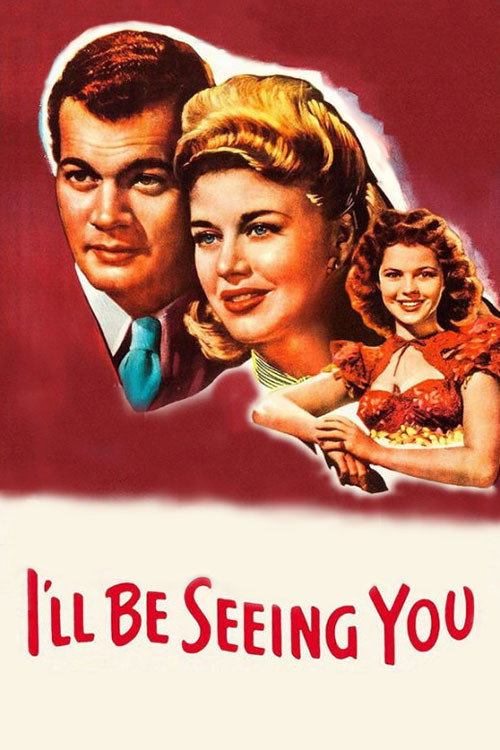
I'll Be Seeing You1944
A wartime romance between a shell-shocked soldier (Joseph Cotten) and a woman on furlough (Ginger Rogers). The emotional honesty about trauma and connection is moving.
But Very melodramatic. The plot relies on several convenient coincidences that strain belief.
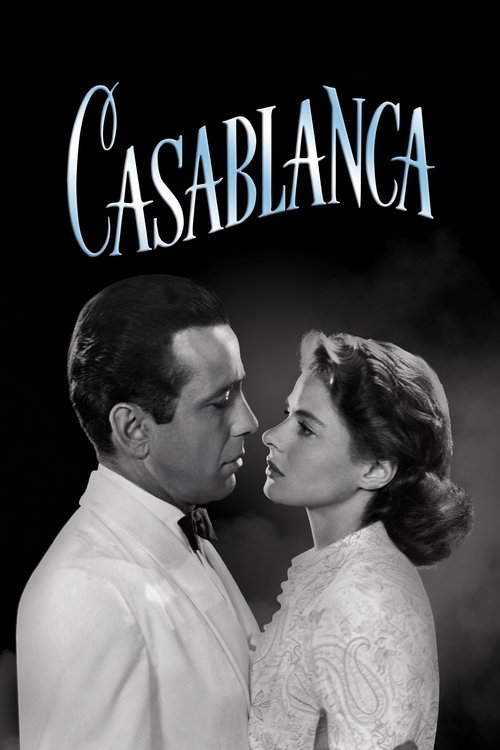
Casablanca1943
The gold standard of wartime romantic drama. If you haven't seen it, it's essential. If you have, it pairs well with this as a study in how wartime romance was imagined.
But Everyone knows it. The experience of discovery is gone, and the myth sometimes outshines the film itself.
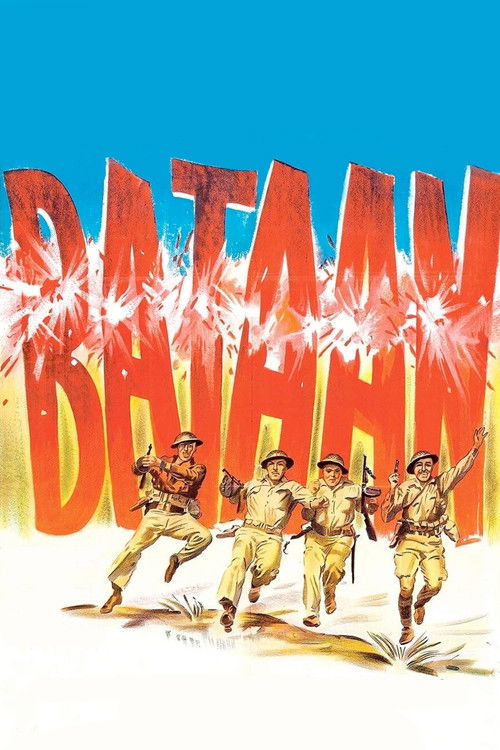
Bataan1943
A 1943 ensemble survival drama set in the Philippines campaign, made during the war. Direct historical parallel and same-era filmmaking urgency.
But It's a men's-only war film from the 1940s. The gender gap with this film is stark, and it may feel claustrophobic in a different way.
Anne Frank Remembered1995
Where So Proudly We Hail treats the war as a backdrop for female bonds and romance, this asks what happened to women during the war itself. It's the shadow side of the same era—the nurses' stories told against the stories that weren't recorded.
A documentary that interviews survivors of the camps and people who knew Anne Frank. It's concrete, particular, and unbearably human. No script, no stars, just testimony and archival material.
But It is very hard to watch. The graphic photographs and emotional weight are relentless. Nothing in it is easy or comforting.

M*A*S*H1972
Both balance frontline medical care with human connection and humour, but M*A*S*H asks what war actually costs—physically, psychically—in a way this 1943 film cannot. It's the same engine, but running on despair instead of purpose.
An ensemble medical drama set in wartime, where nurses and doctors work together under fire. Same premise—different era, different tone. Altman's version is darkly funny, cynical, anarchic, and deeply moving about the cost of caring.
But The tone is deliberately chaotic and the humour is gallows. If you want order or sentiment, it will feel ugly. Some will find it disrespectful to soldiers.

People
Cast
 Claudette ColbertLt. Janet 'Davy' Davidson
 Paulette GoddardLt. Joan O'Doul
 Veronica LakeLt. Olivia D'Arcy
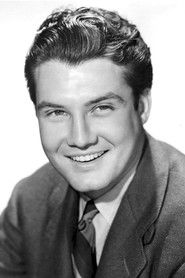 George ReevesLt. John Summers
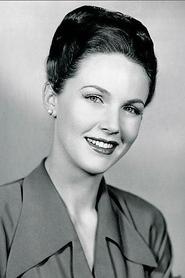 Barbara BrittonLt. Rosemary Larson
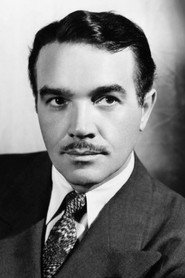 Walter AbelChaplain
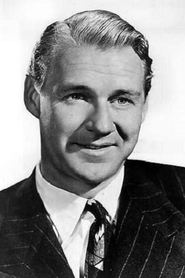 Sonny TuftsKansas
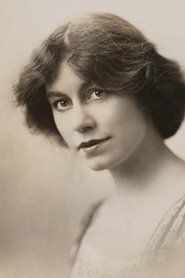 Mary ServossCapt. "Ma" McGregor
 Ted HechtDr. Jose Bardia
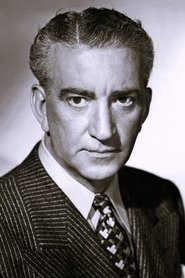 John LitelDr. Harrison
- Hugh Ho ChangLing Chee
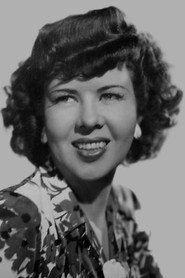 Mary TreenLt. Sadie Schwartz
Directing
- Joseph C. YoungermanAssistant Director
- Mark SandrichDirector
- Clem JonesSecond Assistant Director
Writing
- Allan ScottWriter
Production
- Charles WoolstenhulmeAssistant Production Manager
- Hugh BrownAssistant Unit Manager
- Buddy G. DeSylvaExecutive Producer
- Norman LaceyLocation Manager
- Mark SandrichProducer