
Film
Bataan
- War action
- Very dark
A 1943 war drama following American soldiers ordered to hold a Philippine bridge against the advancing Japanese, knowing relief may never come. It's tense and unglamorous, focused on the grinding psychological toll of combat and hopelessness. Made during wartime with studio resources, it feels urgent and immediate—a snapshot of how Hollywood processed the war while it was happening.
Should you watch it?
Watch it if you like ensemble war stories where mismatched men bicker, joke and bristle through a grim job, caring more about each other than about the battle itself.
Skip it if you need a brisk modern pace, since this 1943 studio picture spends long stretches on talk and campfire character sketches, and its wartime sentiment shows its age.
What it asks of you: Just under two hours, mostly confined to one patch of jungle, with long stretches of talk and waiting before the tension tightens; the pace is measured rather than frantic.
Not sure? Find tonight's pick in a minute.
If you liked this
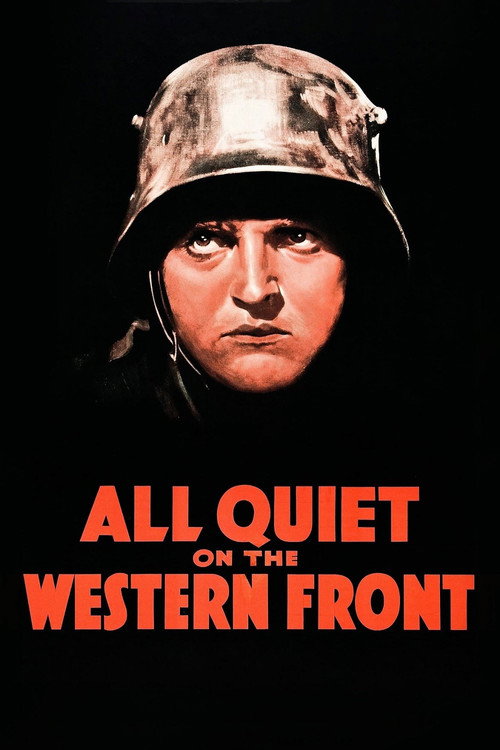
All Quiet on the Western Front1930
The original anti-war film, following soldiers through the trenches with the same unflinching focus on exhaustion, fear, and the machinery of death grinding ordinary men. It shares Bataan's refusal to glorify combat.
But A talkie from 1930 with long stretches of quiet character work; it moves at a pace utterly foreign to modern action films.
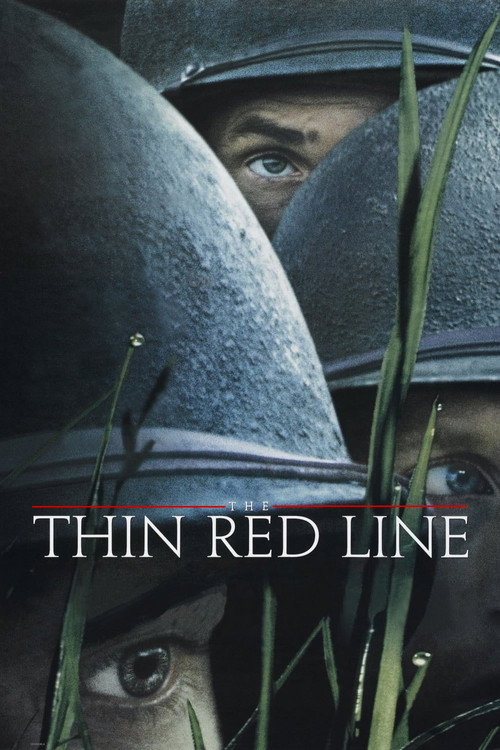
The Thin Red Line1998
Terrence Malick's meditation on an island battle, told with poetic interiority and philosophical weight. Like Bataan, it treats soldiers as men caught in something larger, wrestling with mortality and meaning.
But Deliberately paced and abstract; Malick's voiceovers and philosophical bent can feel pretentious if you're not in the mood for it.
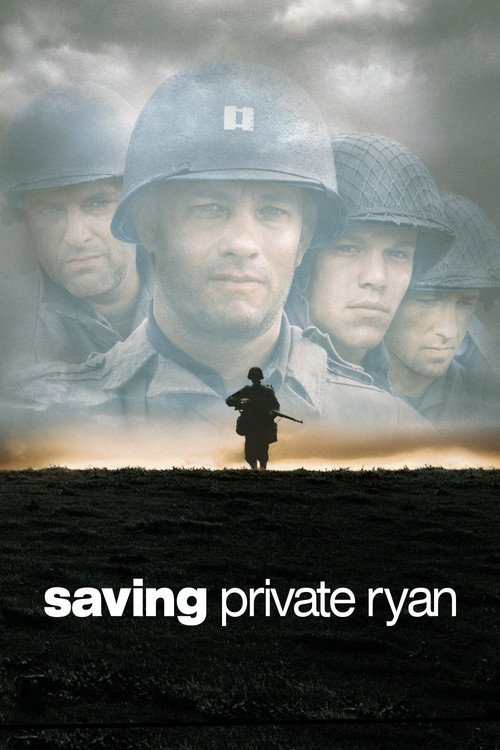
Saving Private Ryan1998
The modern touchstone for visceral combat filmmaking. It captures the same sense of men pushed past their limits by circumstances beyond their control, with the added weight of a mission that may be pointless.
But Enormously graphic and emotionally exhausting; the opening sequence alone has turned away people who wanted historical drama, not trauma simulation.
Not sure tonight? Get a pick in a minute, starting from Bataan
The wildcard
Something you would not have found on your own.
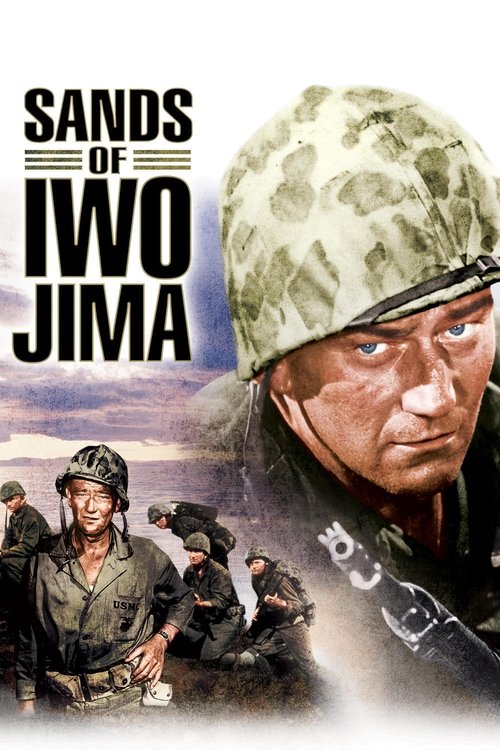
Sands of Iwo Jima1950
Both follow a diverse squad through an impossible assignment in the Pacific theater; both were made in the immediate postwar period and carry the weight of having just happened.
John Wayne leads a Marine unit through training and onto the island itself. What makes this the wildcard: it was directed by the Japanese director Akira Kurosawa's contemporary, and contains unflinching battle sequences that feel as brutal as documentary footage.
But Wayne's persona and a script that occasionally drifts toward propaganda can feel at odds with the film's grimmer moments; it never quite resolves that tension.
More like this (7)
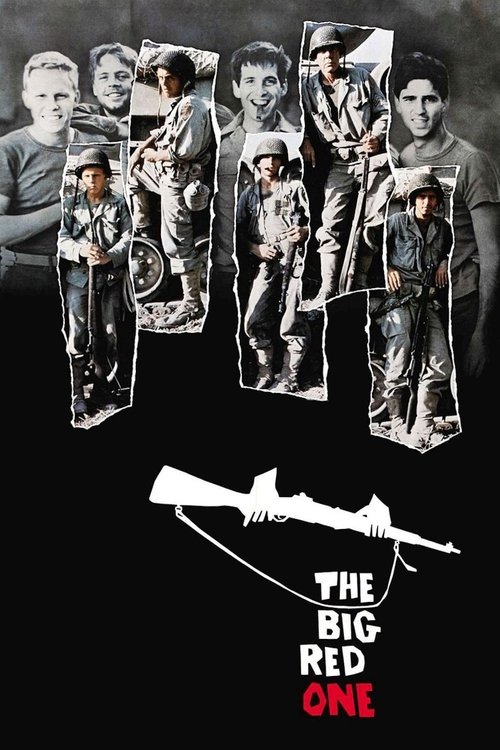
The Big Red One1980
Sam Fuller's autobiographical war film follows a squad through North Africa and Europe. It's rough, darkly funny, and treats soldiers as exhausted professionals rather than heroes—exactly Bataan's moral register.
But Made in 1980 with a modest budget and dated technical polish; some viewers find Fuller's elliptical storytelling frustratingly opaque.
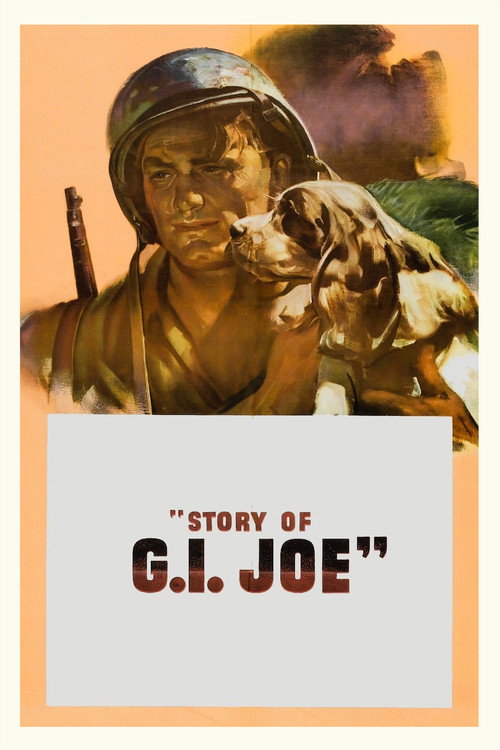
Story of G.I. Joe1945
Burgess Meredith narrates this newsreel-like account of an infantry company in Italy, based on war correspondent Ernie Pyle's dispatches. It has the same documentary urgency as Bataan, made while the war was still on.
But It predates modern cinematic language; the pacing and acting feel distinctly mid-40s, which some find affecting and others find dated.
Come and See1985
A Soviet film following a boy conscripted into a guerrilla unit during WWII. It's devastatingly blunt about the dehumanization of war, with an intensity and moral clarity that honors Bataan's gravity.
But Extremely graphic and deeply traumatic; this is not cathartic entertainment. It's a howl of pain, and it demands to be experienced as such.

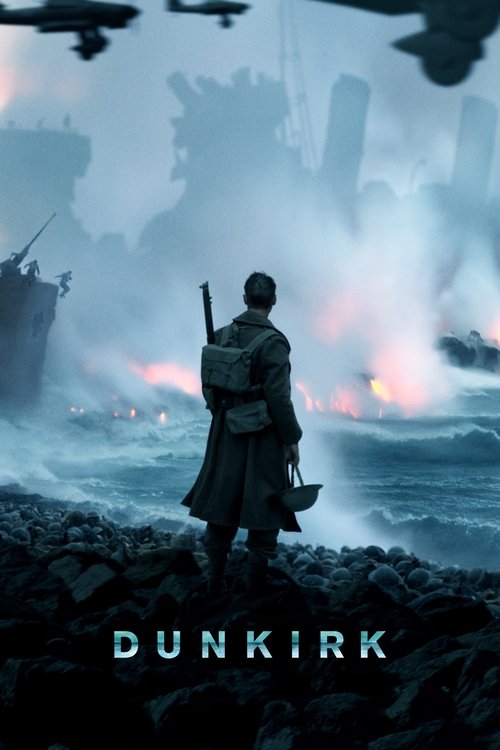
Dunkirk2017
Nolan structures his evacuation thriller across multiple timelines, creating the same sense of helplessness and time-pressure that defines Bataan. Soldiers waiting for rescue that may not come, under fire.
But Nonlinear storytelling and minimal character development frustrate people who want emotional depth; it prioritizes suspense over human connection.
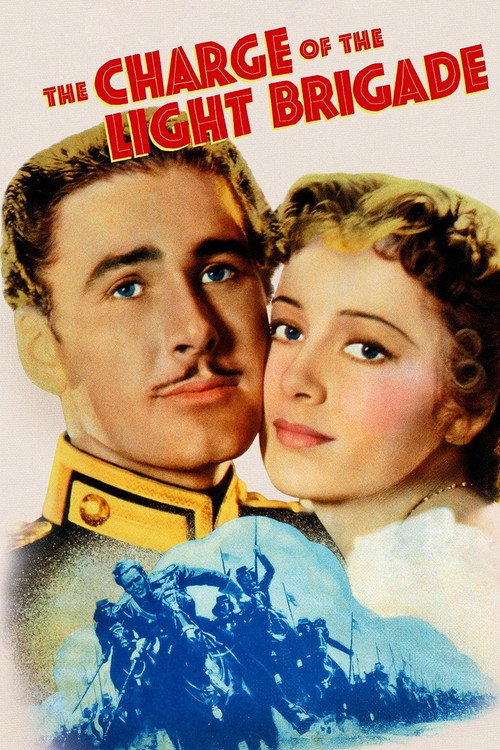
The Charge of the Light Brigade1936
An earlier Warners spectacle about doomed orders and soldiers sent into situations designed to get them killed. It shares Bataan's dark view of military command and expendable men, in Technicolor.
But It's a swashbuckler at heart, with Errol Flynn's charm at odds with the material's darkness; the tone is genuinely confused about what it wants to say.
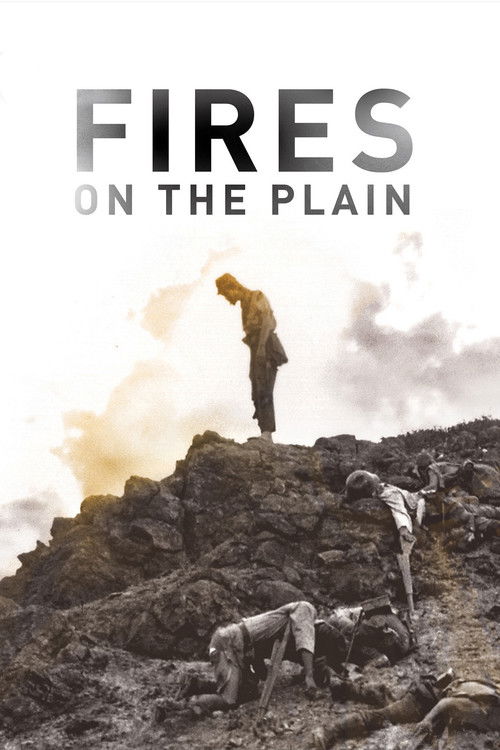
Fires on the Plain1959
The mirror image of Bataan: soldiers of the other side, facing the same Philippines geography, with the same psychological weight of defeat and abandonment.
A Japanese film following defeated soldiers after the Battle of Leyte. It's the inverse perspective on the same war—starvation, madness, and moral collapse without hope or heroism. Stunning and utterly bleak.
But Subtitled, black-and-white, and unrelentingly nihilistic; it offers no catharsis or redemption, only the documentation of human breakdown.
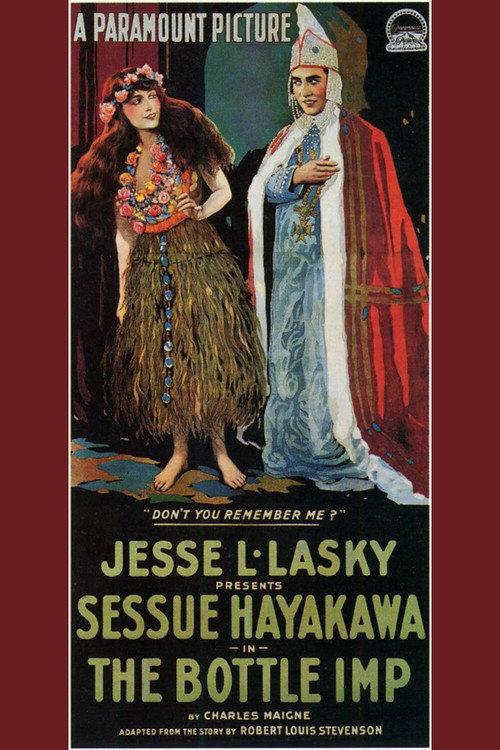
The Bottle Imp1917
Both examine the psychology of entrapment and doomed decision-making; both use a diverse group confronting an impossible situation to explore human character under pressure. The register is entirely different, but the engine is the same.
Robert Louis Stevenson's story adapted as a Hawaiian-language film shot on location. It has nothing to do with war, but everything to do with Bataan's core: men trapped by circumstances, making impossible choices, knowing they cannot escape.
But A 1917 silent film in a language few people speak; the plot is a moral fable rather than action, and it requires patience with a different era's storytelling.
People
Cast
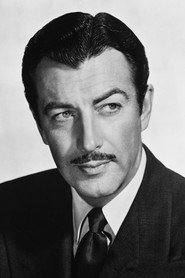 Robert TaylorSgt. Bill Dane
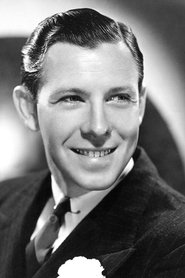 George MurphyLt. Steve Bentley
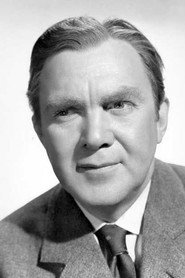 Thomas MitchellCpl. Jake Feingold
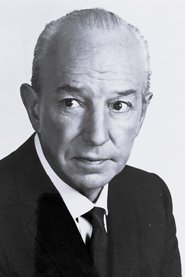 Lloyd NolanCpl. Barney Todd
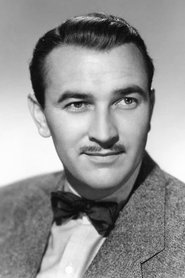 Lee BowmanCapt. Henry Lassiter
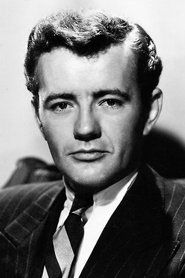 Robert WalkerLeonard Purckett
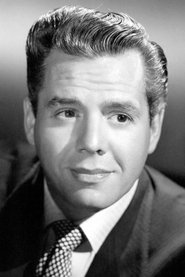 Desi ArnazFelix Ramirez
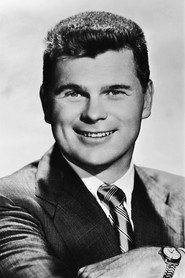 Barry NelsonF.X. Matowski
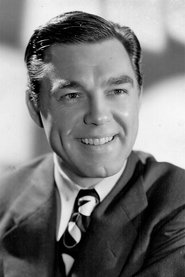 Phillip TerryMatthew Hardy
- Roque EspirituCorp. Juan Katigbak
- Kenneth SpencerWesley Eeps
 Alex HavierYankee Salazar
Directing
- Tay GarnettDirector
Writing
- Robert Hardy AndrewsScreenplay
- Dudley NicholsWriter
- Garrett FortWriter
Production
- Dore ScharyExecutive Producer
- Irving StarrProducer
- Arch SmithUnit Manager